When your basement floods in Oceanside, the clock starts immediately. We respond 24/7 with the licenses, equipment, and local knowledge to handle what south shore flooding actually brings.
I needed a professional consultation explanation of procedure for safe removal of Asbestos in my apartment complex. Without having an account yet, I was very impressed with the caring, knowledgeable and generous advice offered by Jessica, and will look forward to doing business in the future. Thank you so much! I feel much more informed about a sometimes scary endeavor. Peace. Nancy Silva Mineola, NY.
Mia Munoz
Used this company to clean up some water flood in my house. They were fast and easy to work with.very professional, Would recommend to anyone!
Nini Valle
Great company, had a flood and they responded quickly and efficiently. Billed my insurance company directly. I highly recommend this company!
joe colapietro, jr
I had pipe freeze in my basement right before a snow storm and they made to within an hour to help start the clean up process. They we by our side throughout the entire process and even helped with the insurance company. They did such a great job with the cleanup, repair, remidiation, I contracted them to perform the repairs and finishes in the basement. They came with enough manpower and material to get the job done. Leo and Jessica were nothing but a pleasure to deal with!!
Cristian Arredondo c
I had some water damage in my home and Green Island was able to take care of my issue quickly and effectively. I am very pleased with the work they did. They responded quickly and were very professional.
Michael M
Outstanding service! From the office to the field crew everyone was friendly, helpful and responsive. I highly recommend Green Island Group.
A lot of homeowners in Oceanside have been through this before. Maybe it was Sandy in 2012, maybe it was a nor’easter that overwhelmed the sump pump, or maybe it was a pipe that gave out at 2 AM in January. And a lot of those same homeowners thought the job was done once the floor looked dry — only to find mold behind the drywall a few weeks later. That’s the real risk here, and it’s more common than people expect.
What you actually need after a basement flood isn’t just water extraction and a few fans running for a day. You need someone who checks moisture levels inside the walls, under the flooring, and in the framing — because that’s where water hides in the post-war Cape Cods and ranches that make up most of Oceanside’s housing stock. More than 82% of homes here were built before 1970, which means older concrete block foundations, minimal waterproofing, and building materials that absorb and hold moisture in ways that newer construction simply doesn’t.
There’s also a layer of risk that most restoration companies won’t mention: homes built before the mid-1970s commonly contain asbestos floor tiles, pipe insulation, or ceiling materials. Floodwater disturbs those materials. If your contractor isn’t licensed to identify and handle them, you either don’t find out until it’s a bigger problem — or the job stops mid-cleanup while you scramble to find someone who can. We hold NYS DOL Asbestos and USEPA Lead certifications alongside IICRC water damage credentials, so none of that catches us off guard.
Licensed Basement Flooding Remediation Oceanside NY
Every License Oceanside's Flooding Actually Requires
We’re a full-service restoration and environmental remediation company serving Oceanside, Nassau County, and the surrounding area. The reason homeowners in Oceanside call us — and keep calling us — is straightforward: we hold every license the job requires, not just the ones that are easy to get.
That includes NYS DOL Mold, NYS DOL Asbestos, USEPA Lead, IICRC Water Damage, and a Nassau County General Contractor license. New York is one of the only states in the country with a mandatory mold remediation license, and plenty of contractors operating on the south shore don’t have it. That’s a legal and health exposure for you as a homeowner, not just a credentialing gap on our end.
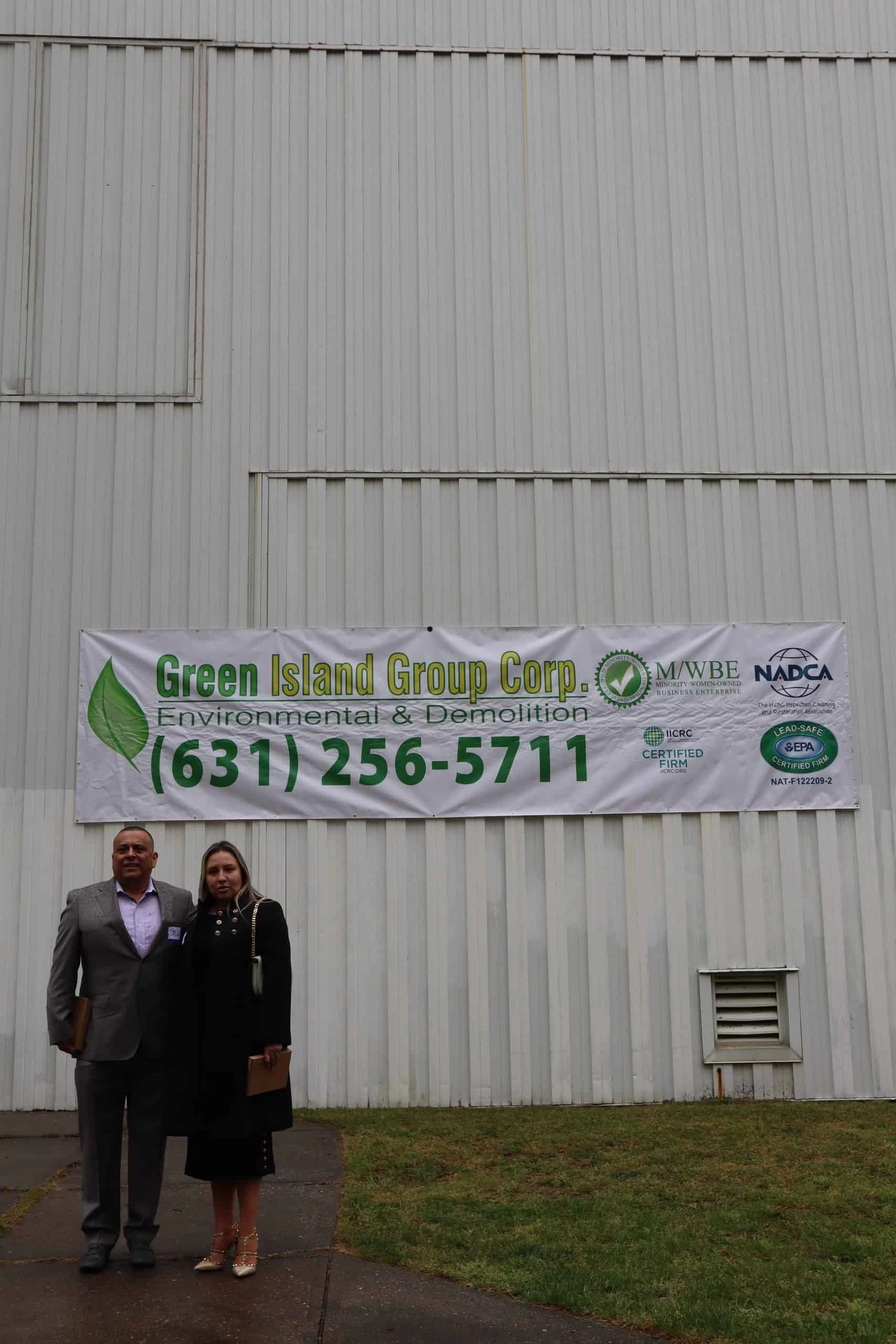
We’re also NYS MBE and WBE certified — a minority- and women-owned business operating with full accountability to the communities we serve. From the Lawson Boulevard flood zones to the north end of Oceanside, we know what basements here look like, how they were built, and what it actually takes to restore them correctly.
What Happens From the First Call to a Fully Restored Basement
When you call, we pick up — day or night. The first thing we do is ask a few quick questions to understand what you’re dealing with: how much water, what the likely source is, and whether there are any immediate safety concerns like electrical exposure or sewage involvement. That last one matters more than people realize in Oceanside, where aging municipal infrastructure under storm stress can push sewage back into basement drains. That’s a biohazard situation, and it gets handled differently than a clean water pipe burst.
Once we’re on-site, we do a full assessment before anything gets pulled out or dried. Moisture meters go into the walls. We check under flooring. We look at the framing and insulation. In a pre-1970 home — which describes most of Oceanside — we’re also looking at what materials are present before we start disturbing them. If asbestos-containing materials are identified, we handle that in-scope. You don’t need a second contractor.
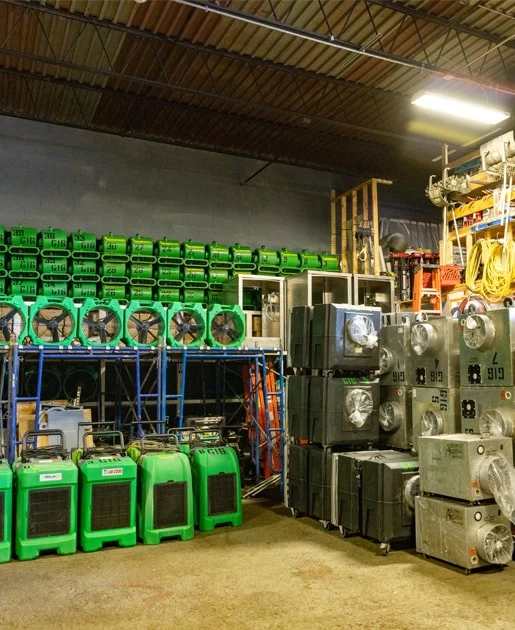
From there, extraction comes first, then industrial drying equipment goes in — not a consumer dehumidifier, but commercial-grade air movers and dehumidifiers staged specifically for the space. We monitor moisture levels throughout the drying process, not just at the start. Once the structure reads dry, we assess what needs to be rebuilt. Because we hold a Nassau County General Contractor license, we can handle drywall replacement, flooring, and framing repair ourselves and pull the necessary Town of Hempstead permits directly. One contractor handles the full job.
Built for Oceanside's Basements — Not a Generic Checklist
Flooded basement cleanup in Oceanside isn’t a one-size situation. What you need depends on the source of the water, the age of your home, what materials are present, and how long the water has been sitting. We assess all of it before we quote anything, because the scope in a 1955 ranch near the back bays is genuinely different from a pipe burst in a newer build further north.
Water extraction and structural drying are the foundation of every job — industrial equipment, moisture monitoring, and a documented drying log that your insurance carrier can actually use. Speaking of insurance: a lot of Oceanside homeowners carry both a homeowners policy and a separate flood policy, especially after Sandy. The documentation we provide is built to support both types of claims, and we can walk you through what each policy typically covers so you’re not guessing when you file.
If mold is present or develops during the process, we handle remediation in-house under our NYS DOL Mold license — no subcontracting, no delays. The same goes for any asbestos or lead materials identified in the course of cleanup. And when it’s time to rebuild — new drywall, flooring, framing — our Nassau County GC license covers the full restoration through to a finished, permitted result. From the first pump to the last coat of paint, it’s one team and one point of accountability.
How quickly does mold start growing after a basement floods in Oceanside?
The EPA’s standard guidance is that mold can begin developing within 24 to 48 hours of a flooding event — and in Oceanside’s south shore climate, that window can feel even tighter. The combination of high ambient humidity, a naturally elevated water table, and older home construction with less effective vapor barriers means conditions for mold growth come together quickly after water intrusion in Oceanside basements.
The 72-hour mark is the industry benchmark: if a basement is thoroughly dried within that window, mold growth is unlikely. Beyond it, the remediation scope expands significantly. That’s why response time matters as much as the quality of the work itself. If you’re waiting a day and a half for a crew to show up, you may already be past the point where drying alone solves the problem. Getting someone on-site fast — with the right equipment, not just fans — is the single most important thing you can do after a basement floods.
Does homeowners insurance cover flooded basement cleanup in Oceanside, NY?
It depends entirely on what caused the flooding. Standard homeowners insurance typically covers sudden, accidental water damage — a burst pipe, a failed water heater, an appliance leak. What it does not cover is flooding from external sources: storm surge, groundwater intrusion, or rising water from heavy rain. That type of flooding requires a separate flood insurance policy, either through FEMA’s National Flood Insurance Program or a private carrier.
This distinction is especially relevant in Oceanside, where many homeowners carry both types of coverage — a lesson a lot of residents learned the hard way after Hurricane Sandy in 2012. The documentation requirements for each policy are different, and filing incorrectly can result in a reduced payout or a denied claim. When we respond to a job, we provide detailed damage documentation, photo evidence, and moisture readings in a format that supports both homeowners and flood insurance claims. We’re not insurance adjusters, but we know how to give your carrier what they need.
My Oceanside home was built in the 1950s — does that change what cleanup involves?
Yes, and it’s worth understanding before any contractor starts pulling things apart. Homes built in the 1940s through 1960s — which describes the majority of Oceanside’s housing stock — commonly contain asbestos in floor tiles, pipe insulation, ceiling tiles, and joint compounds. They may also contain lead-based paint on walls and trim. When a basement floods, water disturbs these materials. If a contractor isn’t licensed to identify and handle them, one of two things happens: the materials get disturbed without proper protocols, which creates an airborne hazard, or the job gets stopped partway through while you find a qualified contractor to step in.
We hold NYS DOL Asbestos certification and USEPA Lead/RRP certification alongside our water damage credentials. That means we assess for these materials as part of our initial walkthrough — before demolition starts. If asbestos-containing materials are present, we handle them in-scope under the correct protocols. You don’t need to coordinate between multiple contractors or wait for a separate crew. In a community where over 82% of homes predate modern hazardous material regulations, this isn’t an edge case. It’s a routine consideration.
What's the difference between water extraction and actually drying out a basement?
Water extraction removes the standing water — the visible stuff you can see on the floor. That part is relatively fast. The harder part is what comes after: removing the moisture that’s already been absorbed into the concrete, the framing, the drywall, and the insulation. That moisture doesn’t evaporate on its own at any useful speed, and consumer-grade dehumidifiers don’t move fast enough to beat the mold clock.
Professional structural drying uses commercial air movers and industrial dehumidifiers staged specifically for the space, combined with moisture meters that measure saturation levels inside materials — not just surface readings. In Oceanside’s post-war homes, which often have concrete block foundation walls and older insulation, moisture can wick deep into the structure and stay there long after the floor looks dry. We monitor moisture levels throughout the drying process and don’t consider the job complete until readings confirm the structure has reached acceptable levels. That documentation also goes into your claim file.
What causes basements to flood in Oceanside even when it hasn't rained that hard?
Oceanside’s geography is a big part of the answer. The hamlet sits on the south shore of Long Island, just north of Reynolds Channel and the back-bay system that separates the mainland from the barrier islands. A significant portion of the community was developed on former wetland and filled swampland during the post-war housing boom — which means the underlying soil has poor drainage and a naturally high water table. During storm events, even moderate ones, that water table rises quickly and can push water into basements from below through foundation cracks, floor drains, and block wall seams.
Nor’easters are a particular trigger. Even without a named storm, a strong nor’easter pushes tidal water through Reynolds Channel and into the back bays, raising groundwater levels throughout the southern sections of Oceanside. Lawson Boulevard and the low-lying areas near the water are the most frequently affected, but the elevated water table affects homes across the hamlet. Sump pumps that work fine under normal conditions can be overwhelmed when groundwater rises from multiple directions at once. If your basement floods after a storm that didn’t seem severe, this is almost certainly why.
How do I know if the basement cleanup company I'm hiring is actually licensed in New York?
New York State has specific licensing requirements that go beyond what most states require — and they matter for the work being done in your home. Mold remediation in New York requires a NYS Department of Labor Mold Remediation Contractor license. This is a legal requirement, not an optional credential. If a contractor performs mold remediation without it, they’re operating illegally, and any warranty or guarantee they offer is essentially unenforceable. You can verify a mold contractor’s license directly through the NYS DOL’s online license lookup tool.
For asbestos work, the requirement is a separate NYS DOL Asbestos Handling License. For lead paint disturbance in pre-1978 homes, contractors must hold USEPA Lead/RRP certification. And for any structural rebuild work — drywall, framing, flooring — a General Contractor license issued by Nassau County is required for work in Oceanside, which falls under Town of Hempstead jurisdiction. We hold all of these licenses and can provide license numbers on request. Before you hire anyone for basement flood cleanup in an older Oceanside home, ask specifically for their NYS DOL Mold license number and verify it. It takes two minutes and tells you a great deal about who you’re actually dealing with.