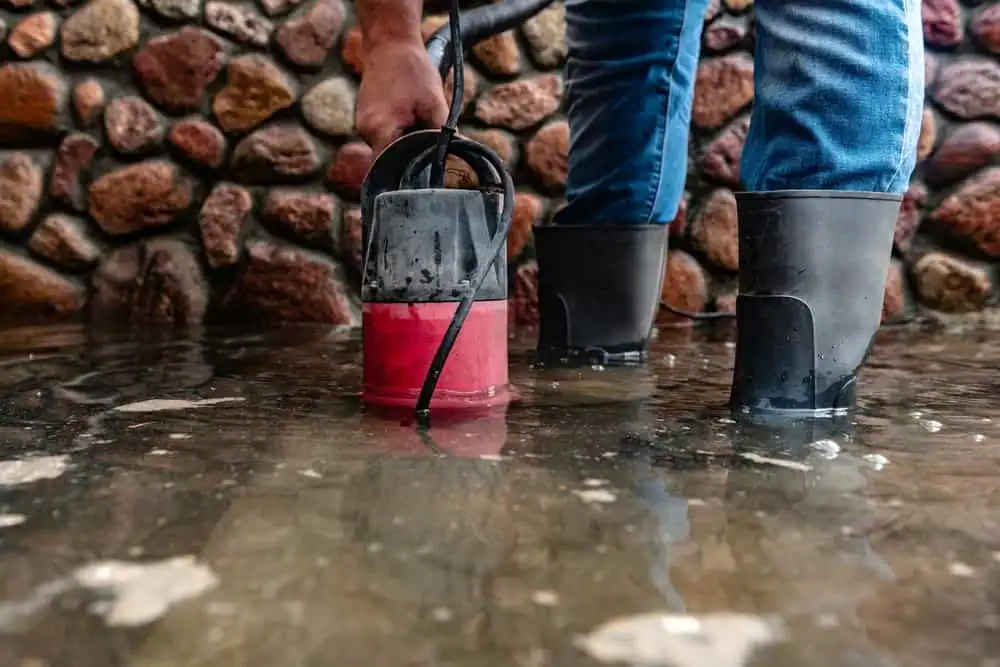
When the Harlem Valley Storms Hit Pawling, Your Basement Pays the Price
Pawling has flooded twice in back-to-back years and if water is in your basement right now, every hour you wait makes the damage worse. We respond 24/7 with the equipment, credentials, and experience to stop the damage before it compounds.
I needed a professional consultation explanation of procedure for safe removal of Asbestos in my apartment complex. Without having an account yet, I was very impressed with the caring, knowledgeable and generous advice offered by Jessica, and will look forward to doing business in the future. Thank you so much! I feel much more informed about a sometimes scary endeavor. Peace. Nancy Silva Mineola, NY.
Mia Munoz
Used this company to clean up some water flood in my house. They were fast and easy to work with.very professional, Would recommend to anyone!
Nini Valle
Great company, had a flood and they responded quickly and efficiently. Billed my insurance company directly. I highly recommend this company!
joe colapietro, jr
I had pipe freeze in my basement right before a snow storm and they made to within an hour to help start the clean up process. They we by our side throughout the entire process and even helped with the insurance company. They did such a great job with the cleanup, repair, remidiation, I contracted them to perform the repairs and finishes in the basement. They came with enough manpower and material to get the job done. Leo and Jessica were nothing but a pleasure to deal with!!
Cristian Arredondo c
I had some water damage in my home and Green Island was able to take care of my issue quickly and effectively. I am very pleased with the work they did. They responded quickly and were very professional.
Michael M
Outstanding service! From the office to the field crew everyone was friendly, helpful and responsive. I highly recommend Green Island Group.
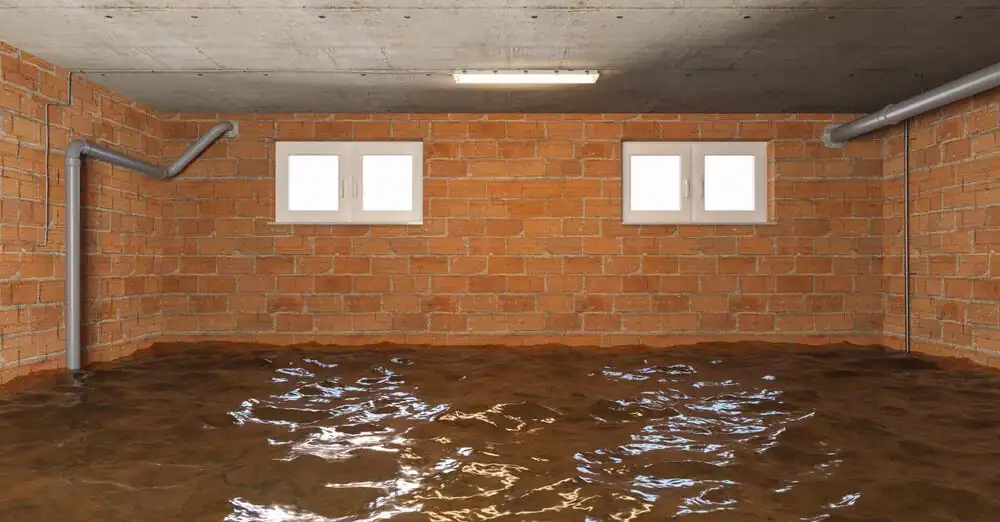
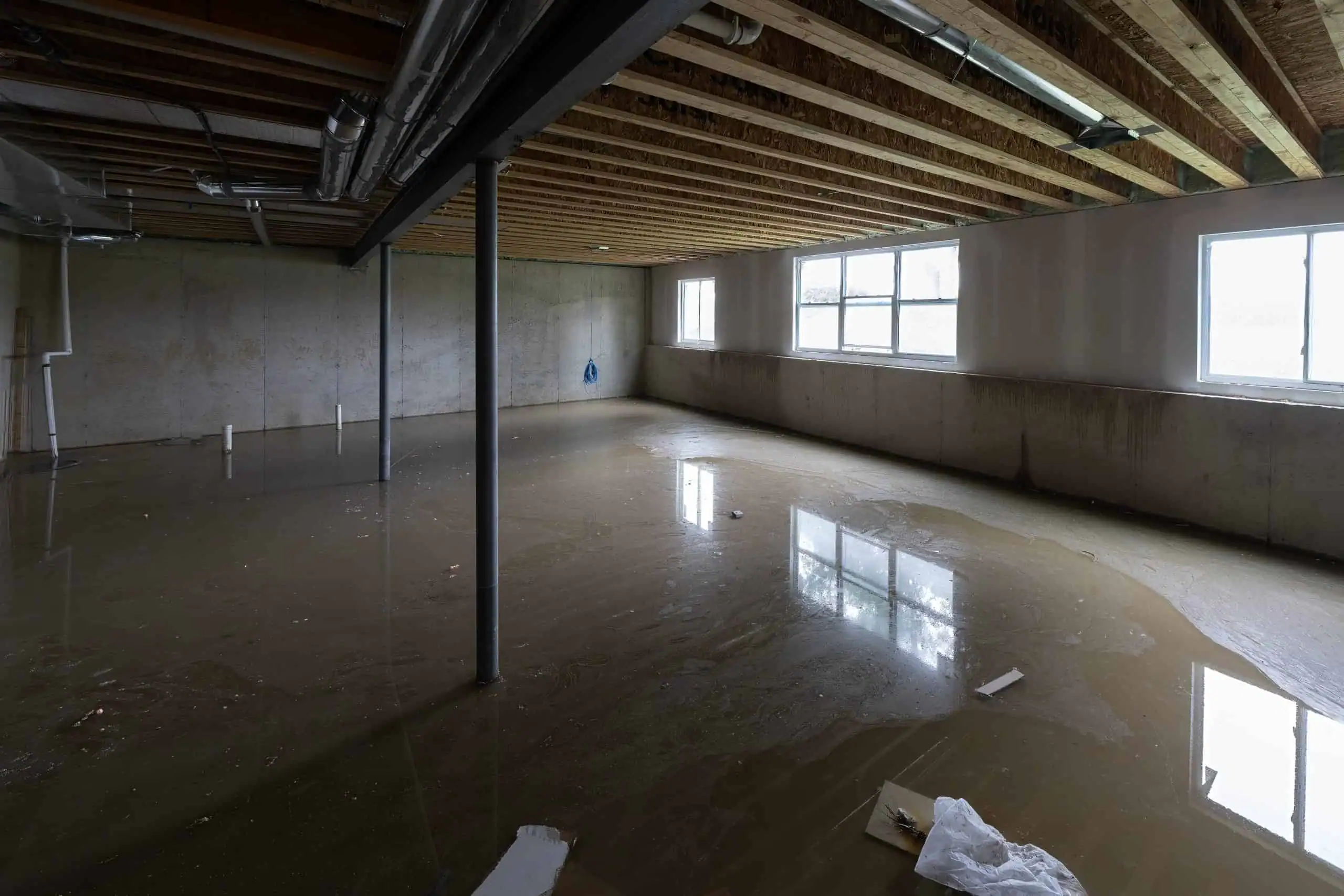
When a basement floods in Pawling, the visible water is only part of the problem. The real damage is what you can’t see moisture absorbed into drywall, wicked into floor joists, sitting behind insulation. Left alone, that hidden moisture becomes mold within 24 to 48 hours, according to the EPA. By the time it’s visible, you’re no longer dealing with a cleanup. You’re dealing with a remediation.
Pawling’s geography makes this worse than most people expect. The Great Swamp sits at the edge of town, and the low-lying areas near the Swamp River corridor and around Whaley Lake sit on naturally elevated groundwater tables. During and after a heavy storm, that water table rises fast pushing up through foundation walls and floor slabs in ways that a sump pump alone can’t handle. If your home is in one of these areas, or anywhere near the Route 55 flood corridor that washed out completely in July 2023, you already know this isn’t a once-in-a-decade event.
For homeowners in Pawling’s older neighborhoods the village center, Quaker Hill, or any pre-1980 home there’s an added layer of concern. Flooded basement floors and damaged pipe insulation in homes built before 1980 can disturb asbestos-containing materials. Most restoration companies aren’t licensed to handle that. We are. That means you get one call, one crew, and one complete solution not a water crew that leaves and an abatement team you have to find on your own.
12 Years, 5,000+ Jobs Across Dutchess County Including Pawling's Worst Flood Years
We’ve been doing environmental restoration work across New York State for over 12 years. More than 5,000 completed projects. That’s not a number pulled from a brochure it means we’ve worked through conditions identical to what Pawling homeowners face: flash floods in the Harlem Valley, sump pump failures during nor’easters, sewage backups when municipal systems get overwhelmed, and the specific challenges that come with older housing stock throughout Pawling and Dutchess County.
We hold NYS and NYC M/WBE Certified Contractor status and work directly with the NYS Office of General Services meaning state government agencies have trusted us with their own facilities. We’re fully insured for both liability and workers’ compensation, and every job is backed by a 100% Satisfaction Guarantee. When you’re calling us at 10 PM after a storm rolls through the Harlem Valley, you’re not rolling the dice on an unlicensed crew. You’re calling a company with a verified track record and the credentials to back it up.
What Happens From Your First Call to a Dry Basement
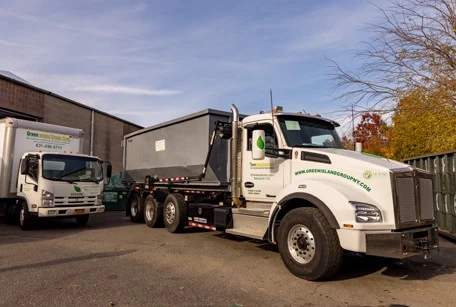
The moment you call, we’re moving. We operate 24/7, which matters in Pawling because the storms that cause the most damage here the kind that washed out Old Route 55 and put Murrow Park under four feet of water in July 2023 don’t happen during business hours. A crew is dispatched immediately, and we arrive with industrial-grade extraction equipment, not shop vacs and box fans.
Once on-site, we assess the full scope before touching anything. That means identifying the water source, determining the contamination category (clean water from a burst pipe is a very different job than sewage backup after a storm surge), and checking for any secondary hazards. In Pawling’s pre-1980 homes, that assessment includes a check for potentially disturbed asbestos-containing materials in flooring, pipe insulation, or ceiling tiles something most restoration companies skip entirely because they’re not equipped to handle it.
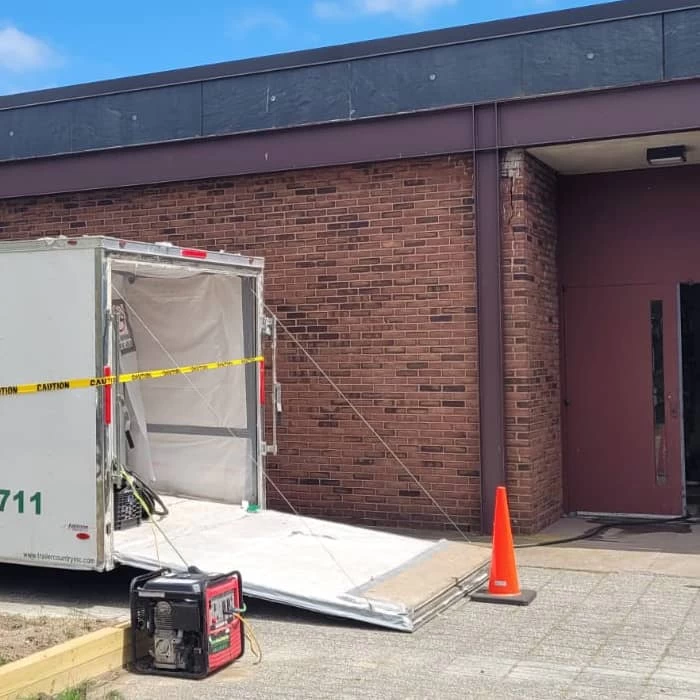
After extraction, we deploy professional-grade drying equipment and use moisture meters and thermal imaging to find water that’s hidden inside walls and under floors. We don’t call the job done when the floor looks dry we call it done when the readings confirm it. From there, we document everything properly for your insurance claim and handle the billing directly with your carrier so you’re not stuck managing paperwork while your basement is still drying out.
Full Scope Cleanup Built for Pawling's Real Flood Risks
Flooded basement cleanup in Pawling isn’t a single-step job, and any company that treats it like one is leaving you with a problem that hasn’t been fully solved. Our process covers water extraction, structural drying, moisture mapping, mold remediation, sewage and biohazard cleanup, asbestos abatement, and full reconstruction if needed all under one roof. You don’t have to coordinate three different contractors to get your basement back to livable condition.
The Town of Pawling’s flood damage prevention code (Chapter 107 of the Town Code) requires automatic backflow valves on sewer and drainage systems in designated flood hazard areas. If your basement flooded due to a sewage backup during a storm which happens regularly when Pawling’s drainage systems are overwhelmed that’s Category 3 black water, and it requires a specific remediation protocol that goes well beyond pumping and drying. We handle it correctly, following NYS, NYC, and USEPA standards, so you’re not left with a contamination issue that surfaces weeks later.
If the cost is a concern and for a job that can run anywhere from $4,000 to $12,000 or more depending on the size of your basement and contamination level we offer financing up to $200,000 at 0% APR. No other restoration company serving Pawling comes close to that. If your standard homeowners policy doesn’t cover flood damage from outside the home (most don’t that requires a separate NFIP flood insurance policy), financing means you can get the work done right without waiting to figure out how to pay for it.
Does homeowners insurance cover flooded basement cleanup in Pawling, NY?
This is one of the most common surprises homeowners face after a flood, and the answer depends on how the water got in. Standard homeowners insurance typically covers sudden, accidental water damage from internal sources a burst pipe, a failed water heater, an appliance malfunction. What it generally does not cover is flooding from outside the home, meaning stormwater, overflowing rivers, or groundwater pushing up through your foundation. That type of damage requires a separate flood insurance policy through the National Flood Insurance Program, which the Village of Pawling participates in.
Given Pawling’s documented history the July 2023 flash flood caused $8 million in town-wide damages, and the year before was nearly as bad this distinction matters enormously. If you’re not sure what your policy covers, don’t wait until after the cleanup to find out. We bill insurance carriers directly and document the damage correctly from the start, which is critical because improper documentation is one of the most common reasons claims get reduced or denied.
How quickly does mold start growing after a basement floods?
Mold can begin growing within 24 to 48 hours of flood damage. That’s the biological reality of what happens when organic materials like drywall, wood framing, and insulation stay wet. The mold itself may not be visible for days or weeks, but the growth process starts almost immediately in the right conditions, and a wet basement in a humid Harlem Valley summer is exactly the right condition.
This is why response speed matters as much as the cleanup itself. If your basement flooded during one of Pawling’s summer flash flood events and the water sat for even a few hours before you called, mold prevention needs to be part of the conversation from the first minute on-site. Our process doesn’t just extract standing water it uses professional drying equipment and moisture mapping to eliminate the hidden moisture that feeds mold growth inside walls and under floors, where a surface-level dry job will never reach.
What's the difference between clean water and sewage backup cleanup?
Water damage restoration is categorized by contamination level, and the category determines everything about how the job is handled. Category 1 is clean water a burst pipe, a supply line failure, an overflowing sink. Category 2 is gray water, which contains some contaminants a washing machine overflow, a sump pump failure pulling in groundwater. Category 3 is black water, which includes sewage backups and floodwater that has contacted waste systems. Black water is biohazardous and requires a completely different remediation protocol.
In Pawling, sewage backups are a real and recurring risk during major storm events. When the town’s drainage systems get overwhelmed as they have repeatedly during the summer flood events of 2022 and 2023 sewer lines can back up into basements through floor drains and toilets. If your basement smells like sewage after a storm, that’s a Category 3 situation. It requires proper containment, full extraction, surface decontamination, and disposal of affected materials following NYS and USEPA protocols. We handle it correctly from start to finish.
My Pawling home was built before 1980 should I be worried about asbestos during basement cleanup?
Yes, and it’s worth taking seriously. Homes built before 1980 and Pawling has a significant number of them, from Victorian-era properties in the village center to mid-century ranches and historic estates on Quaker Hill commonly contain asbestos in vinyl floor tiles, pipe insulation, ceiling tiles, and joint compound. Under normal conditions, these materials are not a health hazard. The problem is when they get wet and damaged.
A flooded basement can saturate and physically damage flooring and insulation in ways that disturb asbestos-containing materials, creating an airborne exposure risk. Most water damage restoration companies are not licensed for asbestos abatement they’ll pump out your water and leave you with a separate problem you now have to handle on your own. We hold asbestos abatement capabilities and can assess and address both the water damage and any disturbed asbestos-containing materials in a single, coordinated engagement. If you’re in an older Pawling home and your basement just flooded, don’t assume the cleanup is straightforward until someone qualified has assessed the full picture.
How much does flooded basement cleanup typically cost in Dutchess County?
Cost varies based on three main factors: the size of the basement, the contamination category of the water, and whether secondary issues like mold or asbestos are involved. For a straightforward clean-water event in a smaller basement, costs typically start around $1,600 to $3,000. For a larger basement with contaminated water, significant structural drying needs, or mold remediation, costs can reach $8,000 to $12,000 or more. Sewage backup cleanup or situations involving asbestos abatement add to that range.
In Dutchess County, where the average insurance payout for water damage claims runs around $13,954 nationally, many homeowners discover that their coverage either doesn’t apply to their specific situation or covers only a portion of the total cost. That’s exactly why we offer financing up to $200,000 at 0% APR so cost doesn’t become the reason you delay getting professional help or cut corners on the scope of work. A partial cleanup that leaves hidden moisture behind almost always costs more to fix down the road than doing it right the first time.
Can I clean up my flooded basement myself instead of calling a professional?
For a very minor event a small amount of clean water from a known internal source, contained quickly, with no porous materials affected a homeowner with the right equipment can sometimes manage it. But that scenario describes a small fraction of the flooded basement calls we receive in Pawling. Most situations here involve groundwater intrusion, storm-driven flooding, or sump pump failures during sustained rain events conditions that bring contaminated water, saturate structural materials, and create hidden moisture problems that consumer-grade fans and dehumidifiers simply cannot resolve.
The specific risk of DIY cleanup in Pawling is that the town’s flood events tend to be significant. After the 2022 and 2023 summer floods, many homeowners attempted their own cleanup and discovered weeks later that mold had developed inside walls that looked dry on the surface. At that point, what could have been a $3,000 cleanup becomes a $7,000 remediation. Add the possibility of disturbed asbestos in a pre-1980 home, and the risk calculus shifts further. Professional extraction, thermal imaging, and proper drying documentation exist for a reason and our 0% APR financing means the cost of doing it right doesn’t have to be a barrier.