When the Water Rises on a Barrier Island, Hours Matter
Point Lookout has one road in and one road out — and when your basement floods, you don’t have time to wait on a crew that doesn’t know that. We handle licensed flooded basement cleanup that reaches you fast and manages everything from water extraction to mold remediation and structural restoration.
I needed a professional consultation explanation of procedure for safe removal of Asbestos in my apartment complex. Without having an account yet, I was very impressed with the caring, knowledgeable and generous advice offered by Jessica, and will look forward to doing business in the future. Thank you so much! I feel much more informed about a sometimes scary endeavor. Peace. Nancy Silva Mineola, NY.
Mia Munoz
Used this company to clean up some water flood in my house. They were fast and easy to work with.very professional, Would recommend to anyone!
Nini Valle
Great company, had a flood and they responded quickly and efficiently. Billed my insurance company directly. I highly recommend this company!
joe colapietro, jr
I had pipe freeze in my basement right before a snow storm and they made to within an hour to help start the clean up process. They we by our side throughout the entire process and even helped with the insurance company. They did such a great job with the cleanup, repair, remidiation, I contracted them to perform the repairs and finishes in the basement. They came with enough manpower and material to get the job done. Leo and Jessica were nothing but a pleasure to deal with!!
Cristian Arredondo c
I had some water damage in my home and Green Island was able to take care of my issue quickly and effectively. I am very pleased with the work they did. They responded quickly and were very professional.
Michael M
Outstanding service! From the office to the field crew everyone was friendly, helpful and responsive. I highly recommend Green Island Group.
When the water is gone and the job is done right, you’re not just looking at a dry floor. You’re looking at a basement that’s been properly assessed, dried to industry standard, and cleared for mold — so you’re not dealing with this again in six months because someone missed moisture behind a wall.
That matters everywhere, but it matters more in Point Lookout. Homes here sit on a narrow barrier island between the Atlantic and Reynolds Channel, and the salt air and coastal humidity don’t stop working on your home after the water is pumped out. A basement that wasn’t thoroughly dried and treated in this environment will show it — mold establishes faster in high-humidity coastal conditions than it does inland, and once it’s in the walls, the job gets significantly more expensive and more disruptive.
There’s also the reality of what’s inside these walls to begin with. Most of Point Lookout’s housing stock was built before World War II — and a lot of those original bungalows have been modified and rebuilt over the decades without full material replacement. That means asbestos floor tiles, lead paint, and aging insulation are common finds the moment water damage opens up a floor or a wall. When that’s handled correctly from the start, you avoid a cleanup that creates a second problem while solving the first.
Licensed Basement Flood Remediation Point Lookout NY
Every License the Job Actually Requires — Under One Roof
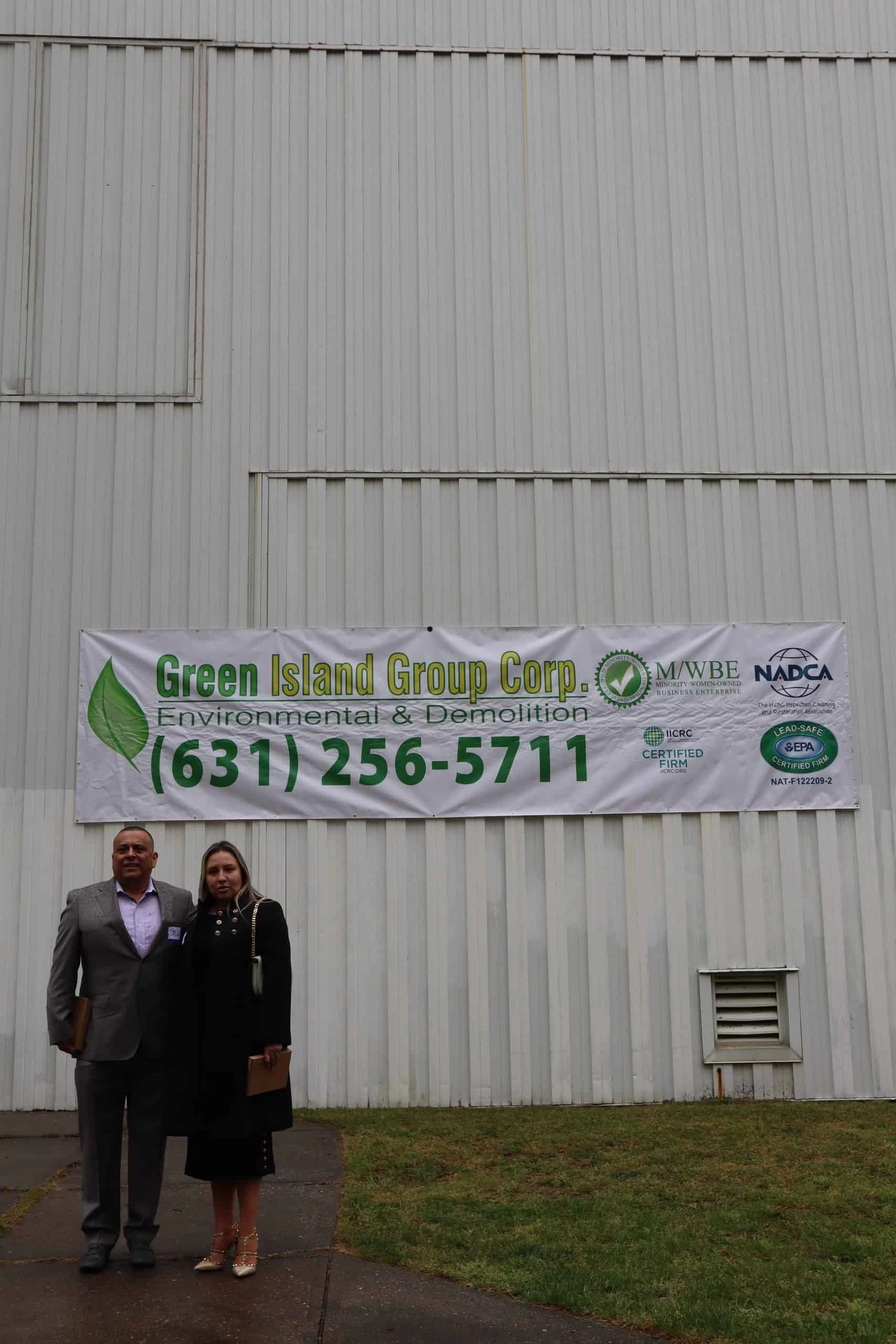
We hold the NYS Department of Labor Mold license, NYS DOL Asbestos license, USEPA Lead and RRP certifications, IICRC Water Damage certification, and General Contractor licenses for Nassau County, Suffolk County, and New York City. That’s not a list of credentials collected for marketing purposes — it’s what the job legally requires when you’re working in a pre-WWII home on a flood-exposed barrier island like Point Lookout.
New York is one of very few states that requires a dedicated state-issued mold contractor license. Most of the companies that show up in a Google search for water damage in Nassau County don’t hold it. That means they cannot legally perform mold remediation in your home — and in Point Lookout, where mold after flooding isn’t a possibility but a near-certainty, that’s not a minor detail.
We serve all of Nassau County’s South Shore communities, including the barrier beach towns along the Long Beach Island corridor. We know the access realities of Lido Boulevard and the Loop Parkway, and we dispatch 24/7 because flooding doesn’t follow a schedule.
Flooded Basement Cleaning Process Point Lookout NY
What Actually Happens From the First Call to the Final Walkthrough
The first call triggers an emergency dispatch. In Point Lookout, that means a crew that understands your access situation — the Loop Parkway to Lido Boulevard is the route in, and in a storm event, that route can be compromised. We account for that before we leave, not after we get stuck.
When we arrive, the first step isn’t extraction — it’s assessment. We identify the source of the water, the category of contamination, and whether hazardous materials are present before anything gets opened up or moved. In a community where the housing stock is almost entirely pre-WWII, this step isn’t optional. If asbestos floor tiles or lead paint are present, those materials require licensed abatement protocols before structural work begins. Skipping this step doesn’t speed things up — it creates liability.
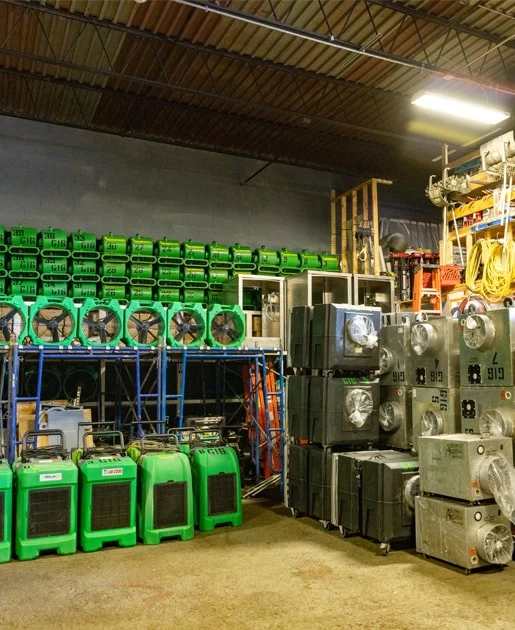
After assessment, water extraction begins using commercial-grade equipment, followed by structural drying with industrial air movers and dehumidifiers calibrated for coastal humidity levels. We take moisture readings throughout the process — not just at the surface, but inside walls and under flooring — because in a salt-air environment, hidden moisture is the most common reason a “finished” cleanup turns into a mold problem three weeks later. Once the structure is confirmed dry, we perform a final mold clearance assessment before the job is closed out.
Basement Flooding Remediation Services Point Lookout NY
One Contractor Handles the Water, the Mold, and What's Behind the Walls
Most restoration companies can extract water and run drying equipment. What they can’t do — legally — is handle what’s often behind the walls in a Point Lookout home. We perform the full scope: water extraction, structural drying, mold assessment and remediation, asbestos abatement, lead paint management, and complete structural restoration. All of it, in-house, under one contractor. No subcontractors. No handoff gaps. No situation where the water damage company finishes and you’re left finding a separate licensed contractor for the mold or the asbestos.
For Point Lookout residents navigating the Nassau County insurance landscape, we also assist with damage documentation for both homeowners insurance and NFIP flood insurance claims. These are two different policies with different documentation requirements, and the distinction matters in a FEMA high-risk flood zone community like this one. Getting the documentation right from the beginning is the difference between a paid claim and a delayed or denied one.
The work is performed under Town of Hempstead jurisdiction, and all applicable Nassau County building and environmental codes are followed. If permits are required for structural restoration, we handle that process as the licensed general contractor of record — so you’re not managing a permit application on top of everything else that comes with a flooded basement.
How fast does mold grow after a basement floods in Point Lookout?
The standard threshold you’ll hear is 72 hours — that’s the window during which mold can begin to establish if moisture isn’t addressed. The EPA recommends starting cleanup within 24 to 48 hours. In Point Lookout specifically, that window is compressed by the environment. Coastal salt air carries elevated ambient humidity year-round, and a basement that’s already sitting in a high-moisture environment gives mold less resistance to work through before it takes hold.
The other factor that’s specific to this community is seasonal occupancy. A significant number of Point Lookout homes are used primarily as summer residences, which means a basement flood from a fall nor’easter or a winter pipe freeze can go undiscovered for days or weeks. By the time you’re back on the island, the 72-hour window is long closed. In those situations, the job shifts from emergency water removal to a combined mold remediation and water damage restoration project — which is a different scope, a different timeline, and a different cost. The earlier you can get someone in, the better the outcome.
Does homeowners insurance cover basement flooding in Point Lookout, NY?
This is one of the most important questions to get right before you file anything. Standard homeowners insurance covers sudden and accidental water damage — a burst pipe, an appliance failure, that kind of event. What it typically does not cover is flooding from storm surge, rising groundwater, or bay overflow. Those are the exact types of flooding that Point Lookout experiences most frequently, given its position between the Atlantic Ocean and Reynolds Channel.
If you carry NFIP flood insurance through the National Flood Insurance Program — which is common in Point Lookout because of its FEMA high-risk flood zone designation — that policy covers the storm surge and groundwater events that homeowners insurance excludes. But flood insurance has its own documentation requirements and claim timelines, and mixing up which policy applies to which damage is a fast way to delay or lose a claim. We assist with damage documentation for both policy types and can communicate directly with your carrier during the claims process, which takes a significant burden off your plate during an already stressful situation.
My Point Lookout home was built in the 1940s — does that affect the cleanup process?
Yes, and it’s one of the most important things to establish before any cleanup work begins. Point Lookout’s housing stock is predominantly pre-World War II — many of the original structures were bungalows moved onto the island in the 1920s when the hamlet was first developed, and they’ve been modified and rebuilt in layers over the decades since. That history means asbestos floor tiles, asbestos pipe insulation, and lead paint are common in these homes, particularly in basements and lower-level spaces.
When water damage opens up a floor or a wall in a home like this, those materials can become disturbed and regulated under federal and state law. In New York, asbestos work requires a NYS DOL Asbestos Contractor license. Lead paint work in pre-1978 homes requires USEPA RRP certification. Neither of these is a general contractor license — they’re separate credentials that most water damage companies don’t hold. We hold both, along with the NYS DOL Mold license, which means the full scope of a flood cleanup in an older Point Lookout home can be handled legally and completely without bringing in additional contractors.
How much does flooded basement cleanup cost in Point Lookout?
The honest answer is that it depends on a few variables that can only be assessed on-site — how much water, how long it sat, what category of contamination it is, and what materials are present in the structure. That said, FEMA data puts the average damage from a single inch of standing water at around $25,000. A basement with significant water intrusion and any structural involvement can reach $60,000 or more in total restoration costs. Those numbers aren’t meant to alarm you — they’re meant to frame why cutting corners on the cleanup itself tends to be expensive in the long run.
In Point Lookout specifically, the pre-WWII housing stock adds a layer of complexity that can affect scope and cost. If asbestos or lead materials are identified during assessment, those require licensed abatement before structural work begins — and that’s not optional under New York State law. The good news is that proper documentation of the full damage scope, handled correctly from the start, gives your insurance claim the best possible foundation. We assist with that documentation process as part of the job, not as an add-on.
What's the difference between water damage restoration and mold remediation?
Water damage restoration covers the physical process of removing standing water, drying out the structure, and restoring what was damaged — flooring, drywall, framing, and so on. Mold remediation is a separate, regulated process that addresses mold growth that has already established in the structure. In New York, mold remediation requires a dedicated NYS Department of Labor Mold Remediator license — it cannot legally be performed by a general contractor or a water damage company that doesn’t hold this specific credential.
The reason this distinction matters in Point Lookout is that the two processes frequently overlap. If water sat in your basement for more than 72 hours — or if your seasonal home was unoccupied when the flooding occurred — mold remediation may be required before or alongside the water damage restoration work. A company that holds only a water damage certification but not the NYS DOL Mold license will either need to subcontract the mold work or, in some cases, skip it entirely. We hold both credentials and perform both scopes of work in-house, which means the assessment covers everything and the job gets done completely.
Can I clean up a flooded basement myself instead of hiring a professional?
For a minor, contained event — a small appliance leak caught within a few hours, clean water, no structural involvement — a capable homeowner can handle basic cleanup. But most basement flooding situations in Point Lookout don’t fit that description. Storm surge, Reynolds Channel overflow, and groundwater intrusion from the barrier island’s saturated sandy soil typically bring in Category 2 or Category 3 water — which means contamination from bacteria, sewage, or salt water that requires proper protective equipment and disposal protocols, not a shop vac and a fan.
Beyond the contamination question, there’s the hidden moisture problem. Visible water is the easy part. What causes the real damage is the moisture that wicks into wall cavities, subfloor materials, and insulation — and stays there long after the surface looks dry. In a coastal environment with year-round humidity, that hidden moisture is where mold starts. Without commercial-grade drying equipment and moisture meters to verify the structure is actually dry — not just dry to the touch — you’re likely to end up with a mold problem in the weeks following cleanup. In a pre-WWII home where walls may contain asbestos or lead materials, opening things up without proper assessment first also creates a legal and health exposure that a DIY approach can’t account for.