When Your Queensboro Hill Basement Floods, Every Hour Costs You
Your basement is flooded and if it happened during a rainstorm, there’s a real chance what’s on that floor isn’t just water. We respond to flooded basement cleanup calls in Queensboro Hill, NY around the clock, with the licenses to handle everything from sewage contamination to the asbestos pipe insulation hiding behind your 1950s boiler.
I needed a professional consultation explanation of procedure for safe removal of Asbestos in my apartment complex. Without having an account yet, I was very impressed with the caring, knowledgeable and generous advice offered by Jessica, and will look forward to doing business in the future. Thank you so much! I feel much more informed about a sometimes scary endeavor. Peace. Nancy Silva Mineola, NY.
Mia Munoz
Used this company to clean up some water flood in my house. They were fast and easy to work with.very professional, Would recommend to anyone!
Nini Valle
Great company, had a flood and they responded quickly and efficiently. Billed my insurance company directly. I highly recommend this company!
joe colapietro, jr
I had pipe freeze in my basement right before a snow storm and they made to within an hour to help start the clean up process. They we by our side throughout the entire process and even helped with the insurance company. They did such a great job with the cleanup, repair, remidiation, I contracted them to perform the repairs and finishes in the basement. They came with enough manpower and material to get the job done. Leo and Jessica were nothing but a pleasure to deal with!!
Cristian Arredondo c
I had some water damage in my home and Green Island was able to take care of my issue quickly and effectively. I am very pleased with the work they did. They responded quickly and were very professional.
Michael M
Outstanding service! From the office to the field crew everyone was friendly, helpful and responsive. I highly recommend Green Island Group.
A Dry Basement Isn't Enough Here's What Safe Restoration Actually Looks Like
When the water is gone and the fans have been running for two days, most Queensboro Hill homeowners assume the worst is over. It usually isn’t. In the brick Cape Cods and high-ranch homes that dominate this neighborhood most of them built in the 1950s with thick masonry walls and original plumbing moisture hides in places a visual check will never catch. Inside the block wall. Under the concrete slab. Behind the wood paneling that was fashionable when the house was new. That hidden moisture is what turns a manageable cleanup into a mold problem three weeks later.
What you actually get from a properly handled flooded basement cleanup is a basement that’s been assessed with thermal imaging, dried to documented moisture levels, treated for microbial growth, and cleared for safe use not just toweled off and handed back. For a Queensboro Hill homeowner, that also means knowing whether the flood disturbed anything hazardous. Homes of this age frequently have asbestos pipe insulation around boiler connections and lead-based paint on basement walls. A crew that isn’t licensed to identify and handle those materials legally cannot complete the job they can only do part of it.
The other outcome that matters: your insurance claim. A properly documented, licensed remediation gives your adjuster exactly what they need to process coverage. A cleanup that skips steps or uses unlicensed labor can give them a reason to deny it.
Licensed Basement Flooding Remediation in Queens County
17 Certifications. One Company That Finishes the Entire Job.
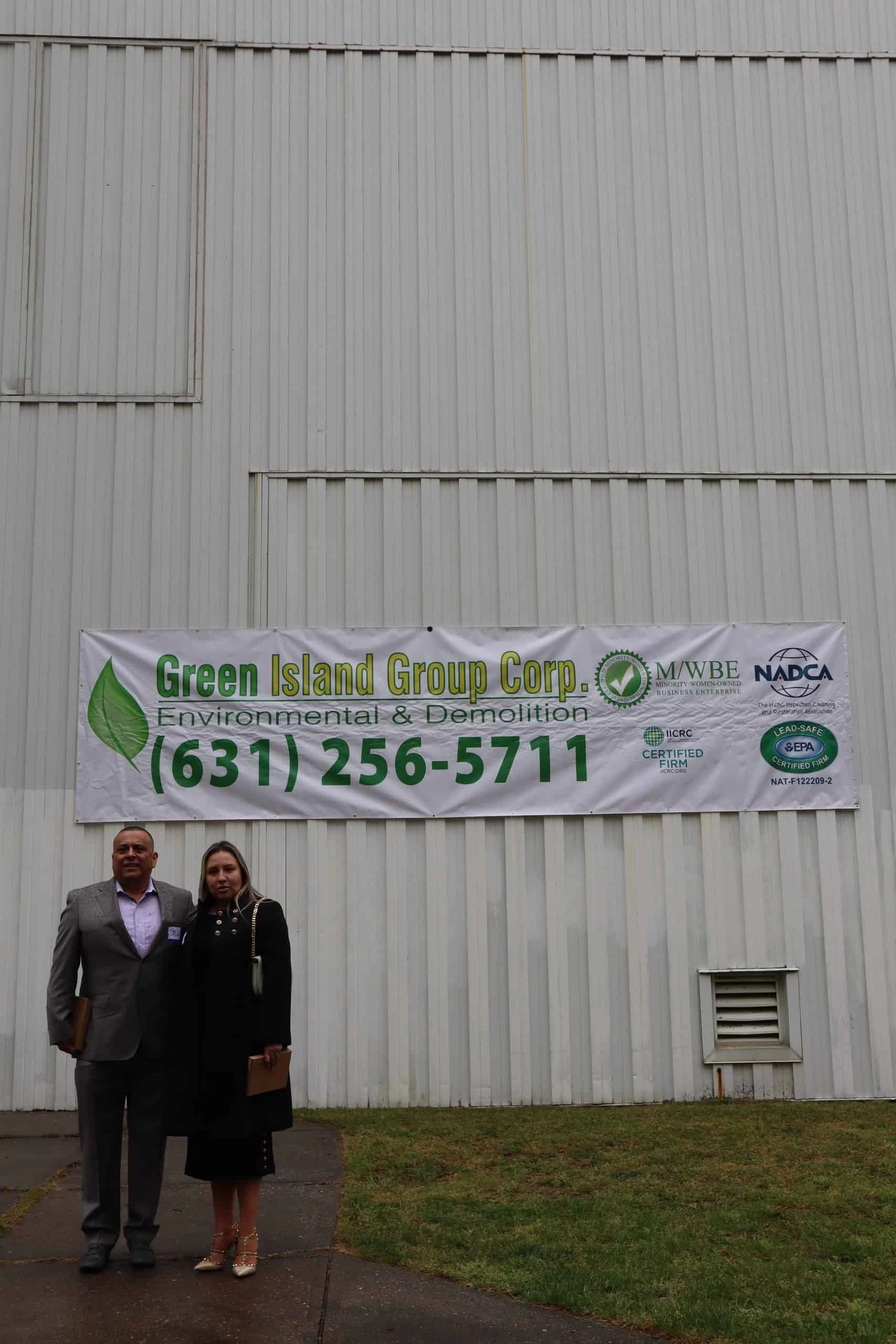
We carry more than 17 active licenses and certifications including NYS DOL Mold, NYS DOL Asbestos, USEPA Lead, IICRC Water Damage, and NYC General Contractor. That’s not a credential wall. That’s the difference between a company that can legally complete every phase of your basement restoration and one that has to stop halfway through and refer you somewhere else.
For Queensboro Hill homeowners, that full-scope capability matters in a specific way. The neighborhood’s pre-1960 brick homes the ones lining the streets between the Long Island Expressway and Kissena Corridor Park have the exact combination of aging plumbing, masonry construction, and potential hazardous materials that makes a half-licensed contractor a real liability. We’ve handled this type of home before. We know what’s usually behind those walls, and we know how to handle it correctly.
We bill insurance directly, we document everything, and we don’t walk away after the drying phase. From emergency water extraction to finished reconstruction, the job stays with one team.
What Happens From the Moment You Call to the Day It's Done
The first thing that happens when you call is a real conversation not a form, not a voicemail. We find out what type of flooding you’re dealing with, because that determines everything. A burst pipe from aging galvanized plumbing is handled differently than a sewer backup from Queens’ combined sewer system overloading during a rainstorm. Both happen regularly in Queensboro Hill. Both require different protocols from the moment we arrive.
On-site, the first priority is containment and assessment. We use thermal imaging to map moisture inside walls and under floors the areas that standard inspection misses entirely in thick-walled masonry homes. If the flooding involved sewage, we treat the space as black water contamination, which means full protective protocols, EPA-compliant disposal, and antimicrobial treatment before any drying equipment goes in. If there’s any indication that asbestos or lead-containing materials have been disturbed which is a legitimate concern in any pre-1980 Queensboro Hill basement that assessment happens before demolition or reconstruction begins.
From there, industrial drying equipment runs until moisture readings hit the target range, not just until things look dry. We document every step for your insurance claim. Once the space is cleared, we can handle the reconstruction ourselves permits pulled through our NYC General Contractor license, work completed by our own crew. You don’t manage a handoff to a second contractor.
Basement Flooding Remediation Services, Queensboro Hill
What's Actually Included When We Handle Your Basement
Flooded basement cleanup in Queensboro Hill covers more ground than most homeowners expect especially in a neighborhood where the housing stock, the sewer infrastructure, and the age of the construction all create layered risks that a standard water removal company isn’t equipped to address.
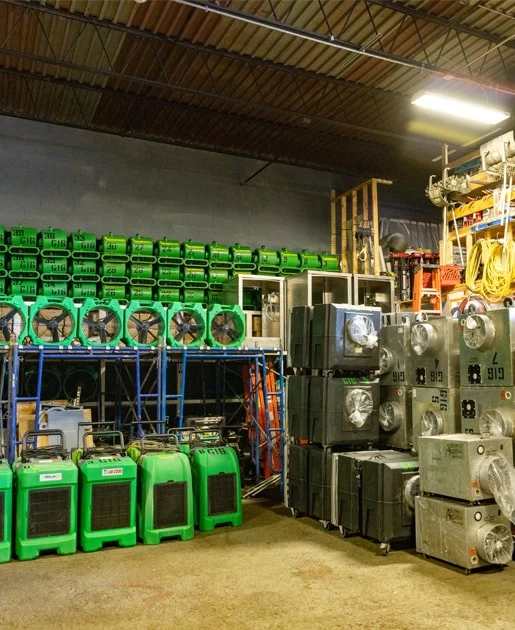
Emergency water extraction comes first, available 24 hours a day. After extraction, we run a full moisture assessment using thermal imaging critical in Queensboro Hill’s brick and masonry homes, where water absorbs into walls and stays there long after the floor looks dry. Structural drying follows, with industrial-grade dehumidifiers and air movers calibrated to the specific conditions of your basement. If sewage contamination is present which is common when Queens’ combined sewer system backs up during heavy rain along the LIE and Van Wyck corridor the space is treated under black water protocols, including full disinfection and EPA-compliant waste disposal.
Where pre-1980 construction materials are a factor, our NYS DOL Asbestos license and USEPA Lead and RRP certifications mean we can handle that scope legally and completely something most restoration companies in the Queens market cannot do. Mold prevention treatment is included as part of the remediation, and if mold is already present, our NYS DOL Mold license covers full remediation under New York State law. When reconstruction is needed, our NYC General Contractor license allows us to pull the required permits and complete the build-back ourselves, from framing through finished walls.
Does homeowners insurance cover flooded basement cleanup in Queensboro Hill, NY?
It depends on the cause, and the answer matters a lot in Queensboro Hill specifically. Standard homeowners insurance typically covers sudden and accidental water damage a burst pipe, for example but it generally does not cover flooding from outside the home, which falls under separate flood insurance. The complicating factor in this neighborhood is sewer backup. When Queens’ combined sewer system overloads during a heavy rainstorm and backs up into your basement, that’s technically a sewer backup event and whether it’s covered depends on whether you have sewer backup coverage added to your policy.
The best thing you can do is call a licensed remediation company before you call your adjuster, so the damage is properly documented from the start. We handle insurance billing directly and work with adjusters throughout the claim process. Having an IICRC-certified company with proper documentation on file gives your claim the best possible foundation and it removes the risk of an adjuster denying coverage because the work was done by an unlicensed contractor.
How fast does mold grow after a basement flood, and when should I call?
Mold can begin establishing colonies within 24 to 48 hours of water exposure and in a Queensboro Hill brick Cape Cod with a finished basement, it doesn’t need visible surface moisture to get started. It grows inside wall cavities, behind paneling, and under subfloor assemblies where the air never fully circulates. By the time you see it on the surface, it’s already been growing for days.
The practical answer is: call the same day. Every hour you wait is time mold has to establish itself in places that are expensive to reach. Waiting more than 72 hours before beginning professional cleanup typically adds thousands of dollars to the remediation cost not because of any pricing decision, but because the scope of the mold problem grows with time. We respond around the clock, including nights and weekends, because basement floods don’t happen on a schedule.
My Queensboro Hill basement flooded from a sewer backup is that more serious than a regular flood?
Yes, significantly. A sewer backup is classified as black water contamination the highest-risk category in water damage restoration. It contains raw sewage, bacteria, and pathogens that make the space genuinely unsafe until it’s been properly remediated. You shouldn’t be running fans and waiting it out. You shouldn’t be cleaning it up yourself. The contamination isn’t visible, and it doesn’t dry away.
Queensboro Hill sits between the Long Island Expressway and the Van Wyck Expressway two major highway corridors whose stormwater runoff feeds directly into the same combined sewer system that serves residential streets. When a heavy rainstorm drops more rain than that system can handle, the overflow goes somewhere and in this neighborhood, that somewhere is often residential basements. Black water cleanup requires full protective protocols, antimicrobial treatment, EPA-compliant disposal of contaminated materials, and thorough documentation. It’s not a job for a standard water removal company.
My home was built in the 1950s should I be worried about asbestos during basement flood cleanup?
It’s a reasonable concern, and in Queensboro Hill it’s more than theoretical. Homes built before 1980 which covers virtually the entire dominant housing stock in this neighborhood commonly have asbestos pipe insulation around boiler connections and hot water pipes in the basement, asbestos floor tiles, and lead-based paint on basement walls and trim. When a flood damages these materials, they can become disturbed, which creates a hazardous materials situation on top of the water damage situation.
New York State law and New York City regulations both require that any contractor who disturbs asbestos or lead-containing materials hold the appropriate licenses NYS DOL Asbestos licensure for asbestos work, and USEPA Lead and RRP certification for lead. A company without these credentials cannot legally complete a full basement restoration in a pre-1980 home. We hold all of these licenses, which means the hazardous materials assessment and handling is part of the same job not a separate contractor you have to find and coordinate.
What's the difference between water mitigation and full basement restoration and which do I need?
Water mitigation covers the emergency phase: extracting the water, drying the structure, and preventing further damage. Most water damage companies do this and stop here. They hand you back a gutted, stripped-down basement and a referral to a general contractor for the reconstruction phase.
Full basement restoration picks up where mitigation ends framing, insulation, drywall, flooring, and finished walls, all the way back to a livable, usable space. Whether you need just mitigation or the full scope depends on how much structural damage occurred. In a Queensboro Hill home with a finished basement which is common in the neighborhood’s brick Cape Cods and high-ranch homes a significant flood usually means reconstruction is part of the picture. Our NYC General Contractor license allows us to handle both phases under one contract, which means no handoff, no coordination gap, and no situation where the second contractor doesn’t know what the first one found.
How much does flooded basement cleanup typically cost in the Queensboro Hill area?
The range is wide because the scope varies significantly. A straightforward water extraction and drying job in a small unfinished basement might run $2,000 to $4,000. A finished basement with sewage contamination, mold remediation, hazardous material handling, and full reconstruction in a Queensboro Hill brick home can reach $15,000 to $30,000 or more depending on the extent of the damage.
The most important cost factor most homeowners don’t account for is delay. Waiting more than 72 hours before beginning professional cleanup typically adds $2,000 to $8,000 in mold remediation costs costs that are entirely avoidable with a fast response. The second factor is documentation. A properly licensed, IICRC-certified cleanup with full damage documentation gives your insurance claim the best chance of covering a significant portion of the cost. We bill insurance directly, so you’re not fronting the full amount and waiting for reimbursement. The out-of-pocket experience is very different when the company handles the billing side with you from the start.