When Quantuck Bay Pushes Water In, You Need More Than a Shop Vac
Flooded basement cleanup in Quiogue isn’t a generic water damage job it’s a coastal event that demands licensed, equipped professionals who understand what tidal surge actually does to a home. We’ve handled hundreds of basement floods across Long Island, and the ones in Quiogue have a specific character: exterior water from the bay, elevated groundwater, and a compressed timeline before mold takes hold in the salt air and humidity.
I needed a professional consultation explanation of procedure for safe removal of Asbestos in my apartment complex. Without having an account yet, I was very impressed with the caring, knowledgeable and generous advice offered by Jessica, and will look forward to doing business in the future. Thank you so much! I feel much more informed about a sometimes scary endeavor. Peace. Nancy Silva Mineola, NY.
Mia Munoz
Used this company to clean up some water flood in my house. They were fast and easy to work with.very professional, Would recommend to anyone!
Nini Valle
Great company, had a flood and they responded quickly and efficiently. Billed my insurance company directly. I highly recommend this company!
joe colapietro, jr
I had pipe freeze in my basement right before a snow storm and they made to within an hour to help start the clean up process. They we by our side throughout the entire process and even helped with the insurance company. They did such a great job with the cleanup, repair, remidiation, I contracted them to perform the repairs and finishes in the basement. They came with enough manpower and material to get the job done. Leo and Jessica were nothing but a pleasure to deal with!!
Cristian Arredondo c
I had some water damage in my home and Green Island was able to take care of my issue quickly and effectively. I am very pleased with the work they did. They responded quickly and were very professional.
Michael M
Outstanding service! From the office to the field crew everyone was friendly, helpful and responsive. I highly recommend Green Island Group.
When the water is gone, the real work starts. Saturated walls, compromised flooring, and the invisible threat of mold growing behind drywall these are the things that turn a flooding event into a months-long problem if they’re not handled correctly from the start. The difference between a clean recovery and a costly one usually comes down to what happened in the first 48 hours.
Quiogue sits directly on Quantuck Bay, and the flooding that reaches homes here isn’t the same as a burst pipe in a landlocked neighborhood. Storm surge and tidal overflow bring exterior water contaminated water into your basement. That changes everything about how the cleanup needs to be handled, from the protective protocols our crew uses to the disposal methods required by law. A company that treats this like a standard wet-vac job is leaving you exposed.
What you actually get when this is done right: a basement that’s structurally dry, not just surface-dry. Mold that never gets the chance to establish. Documentation your insurance company can actually use. And a clear picture of what was damaged, what was saved, and what comes next without you having to chase anyone for answers.
State-Approved, Locally Operated, and Accountable By Name
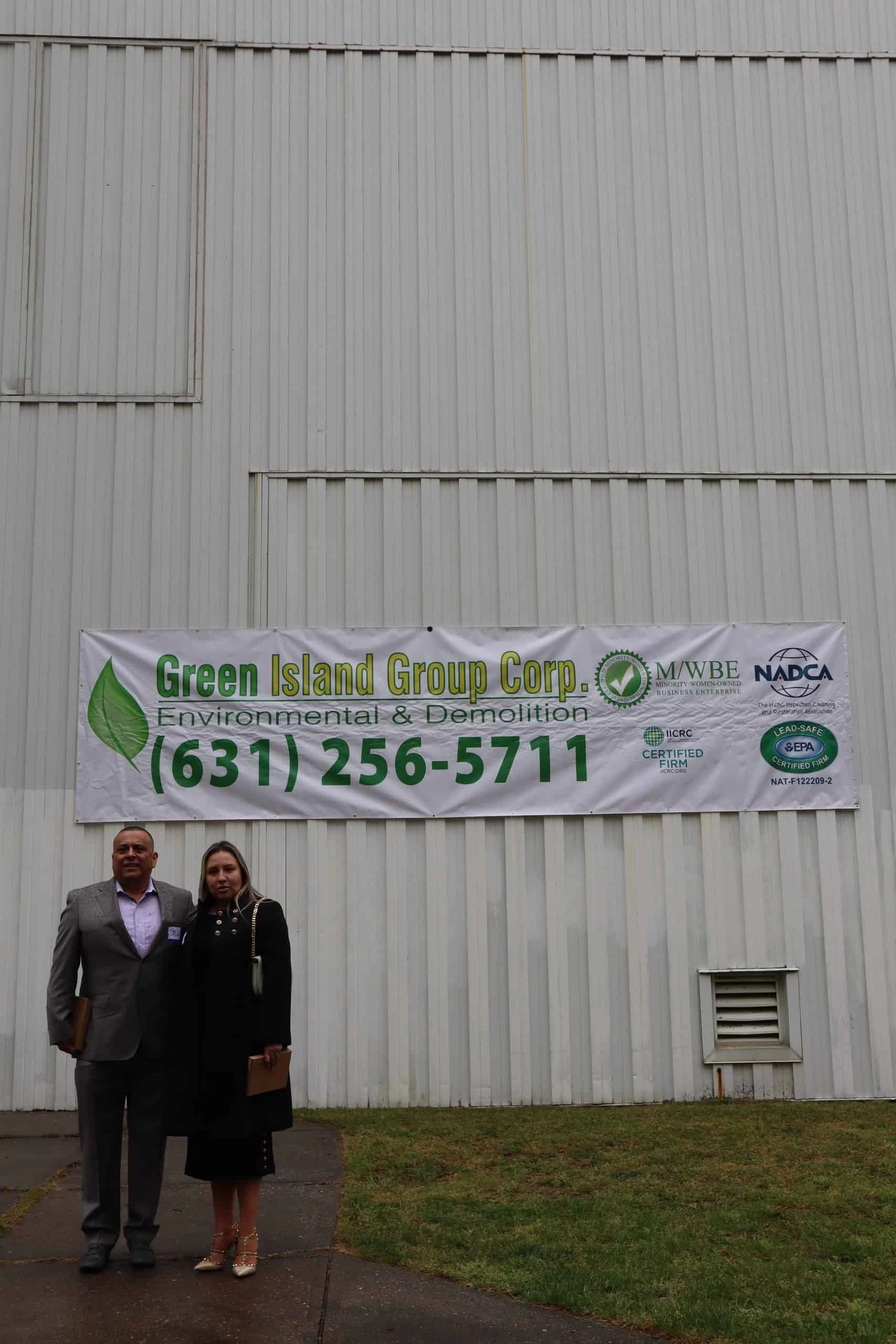
We’ve been handling environmental restoration and remediation across Long Island and New York City for over 12 years, with more than 5,000 completed projects across New York State. We’re not a franchise. There’s no national call center routing your job to whoever’s available. Jessica Dussan and Leo Torres lead this company directly, and our names show up in customer reviews not because it’s a marketing angle, but because we’re actually involved in the work we do.
For Quiogue specifically, that matters. This is a tight-knit hamlet in Southampton Town where homeowners have serious stakes in their properties. We hold a Suffolk County General Contractor license, which means we can pull permits directly through Southampton Town without putting that burden on you. We’re also an approved emergency response contractor for the NYS Office of General Services the same vetting standard New York State applies to its own public buildings.
Add in our NYS DOL Mold, NYS DOL Asbestos, USEPA Lead, and USEPA RRP certifications, and you have a company that can legally handle everything a South Shore coastal flood event might reveal under one roof, one contract, and one point of contact.
No Guesswork Here's What Actually Happens on Your Job
The first call matters. When you reach out, we work to understand what you’re dealing with where the water came from, how long it’s been sitting, and whether the source is still active. For Quiogue homes near Quantuck Bay, that source assessment is critical. Exterior floodwater is classified as Category 3 under industry standards, which means it’s presumed contaminated and requires a different level of response than a broken supply line. Knowing that upfront shapes everything that follows.
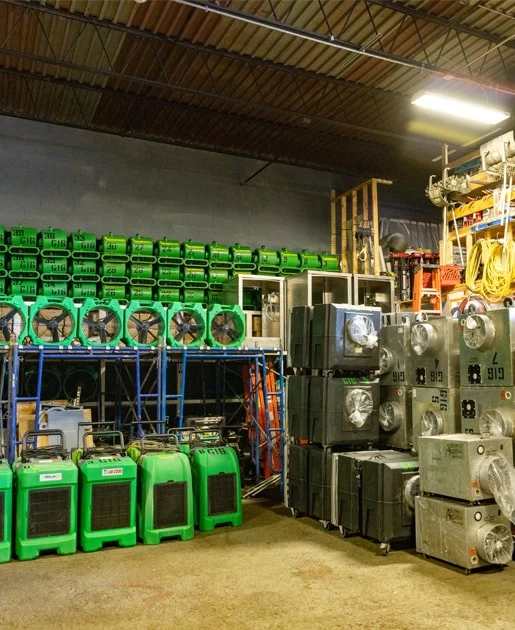
Once on site, our team conducts a full moisture assessment walls, flooring, framing, insulation using equipment that finds saturation the eye can’t see. Industrial extraction and drying equipment goes in fast, because the 24 to 48 hour window before mold takes hold is real, not a sales pitch. If the assessment turns up mold that’s already established, or building materials like asbestos-containing insulation that were disturbed by the water intrusion, those are handled on the same project no referrals, no delays, no coordinating between separate contractors.
Southampton Town requires building permits for structural repairs following flood damage, and we pull those directly. We also handle your insurance documentation and communicate with your adjuster throughout the process. If you have both a homeowners policy and NFIP flood insurance which is common for properties in this area we understand how those two coverage types interact and what documentation each one requires.
Everything the Job Requires Not Just the Easy Parts
A flooded basement in Quiogue can involve more layers than most homeowners expect. What looks like a water problem on the surface may also involve mold that’s been growing since the last storm, lead paint disturbed in wall cavities, or asbestos-containing materials in older construction that were never an issue until water got in. We’re licensed to handle all of it and more importantly, we’re legally required to, under New York State law. Any mold remediation project over 10 square feet in NY requires a licensed mold assessor and a licensed mold remediator. That’s not optional, and it’s not something every contractor calling themselves a “water damage company” can legally perform.
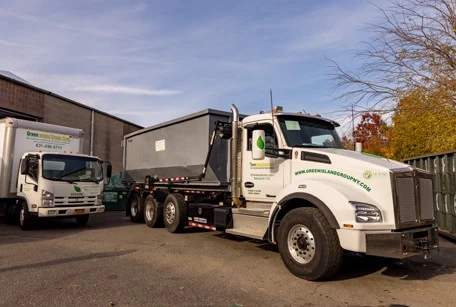
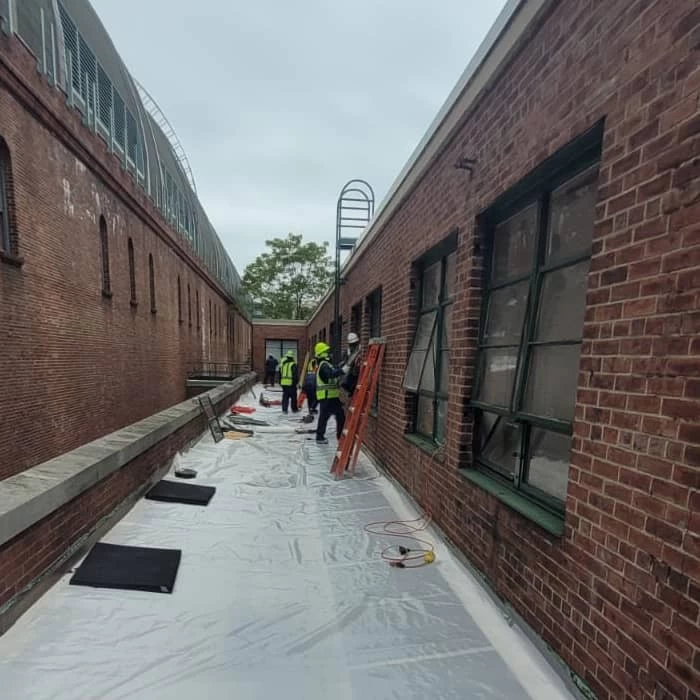
The full scope of what we cover: water extraction and emergency drying, moisture mapping and structural assessment, mold testing and remediation where needed, asbestos and lead abatement if disturbed materials are found, complete debris removal and disposal, and full reconstruction drywall, flooring, framing back to pre-loss condition. This is handled under a single Suffolk County General Contractor license, which means one crew, one timeline, and one company accountable for the outcome.
For Quiogue homeowners dealing with NFIP flood insurance, homeowners insurance, or both, we bill directly and manage the adjuster relationship. You focus on your family. We handle the paperwork.
Does standard homeowners insurance cover basement flooding from a storm in Quiogue?
This is one of the most important questions to get right before you file anything, because the answer affects how your entire claim gets handled. Standard homeowners insurance typically does not cover flooding caused by exterior water which is exactly what happens when a storm pushes Quantuck Bay water into your basement, or when a nor’easter overwhelms drainage around your foundation. That type of event is considered a flood under insurance definitions, and flood damage is specifically excluded from most standard homeowners policies.
Flood coverage comes through the National Flood Insurance Program, administered by FEMA. If your property is in a designated Special Flood Hazard Area which portions of Quiogue are, given the hamlet’s direct exposure to Quantuck Bay your mortgage lender may have required you to carry an NFIP policy. Some homeowners in this area have both policies, and the interaction between them can get complicated fast. We bill insurance directly and know how to document losses in a way that satisfies both coverage types, so you’re not leaving money on the table by filing incorrectly.
How quickly does mold start growing after a basement floods on Long Island?
Mold can begin establishing itself within 24 to 48 hours of a flooding event and that timeline is not generous. In Quiogue’s coastal environment, where ambient humidity is elevated year-round due to proximity to Quantuck Bay and the Atlantic, conditions for mold growth are more favorable than in drier inland communities. A basement that floods on a Friday night and isn’t professionally dried by Sunday is already at serious risk.
The bigger issue is that mold doesn’t always show itself right away. It grows inside walls, under flooring, and behind insulation places you won’t see until the smell hits or someone in your household starts having respiratory symptoms. By then, what could have been a contained remediation job becomes a full demolition and rebuild situation. Getting industrial drying equipment in within the first 24 hours isn’t about urgency for its own sake it’s the single most effective thing you can do to keep a flood event from becoming a mold event.
What is Category 3 water damage and does it apply to my Quiogue basement flood?
Water damage is classified on a scale of one to three based on contamination level. Category 1 is clean water a broken supply line, an overflowing sink. Category 2 involves some contamination, like a dishwasher overflow or washing machine backup. Category 3 is the most serious: water from exterior flooding, storm surge, sewage backup, or any source that’s been sitting long enough to become grossly contaminated. It’s presumed to contain bacteria, pathogens, and other hazards that require a full hazmat-level response.
For most Quiogue homeowners dealing with a storm-related basement flood, Category 3 is the likely classification. Water that enters your basement from Quantuck Bay storm surge, drainage overflow, or barrier beach overwash events is exterior water by definition and exterior floodwater is Category 3 under IICRC S500 standards. That matters because it changes the protective protocols our crew must use, the disposal requirements for affected materials, and the scope of what needs to be removed versus dried and saved. A company treating your flood like a Category 1 event is cutting corners that could affect your health and your home’s long-term condition.
Do I need a permit for basement flood repairs in Southampton Town?
Yes, in most cases. Southampton Town requires building permits for structural repairs following flood damage and that includes drywall removal and replacement, flooring restoration, framing repairs, and any electrical work that was affected by the water. This isn’t unique to Quiogue, but it’s something a lot of homeowners don’t realize until they’ve already hired a contractor who can’t legally pull permits in the town.
We hold a Suffolk County General Contractor license that authorizes us to pull permits directly through Southampton Town. That means you don’t have to manage the permitting process yourself, and you’re not at risk of unpermitted work being flagged during a future sale or insurance inspection. For properties in FEMA-designated flood zones which includes portions of Quiogue near Quantuck Bay there may also be elevation certificate requirements and flood zone compliance considerations that affect how repairs are scoped and documented. These aren’t obstacles; they’re part of the process, and they’re handled as part of the job.
Can I clean up a flooded basement myself instead of hiring a professional?
For a small, contained water intrusion from a clean source a slow pipe drip, a minor appliance overflow some homeowners can manage basic cleanup if they move fast and dry thoroughly. But for the type of flooding that Quiogue homes typically experience from storm events, DIY cleanup carries real risks that go beyond the inconvenience of renting a wet vac.
First, if the water source is exterior flooding storm surge, bay overflow, drainage backup it’s Category 3 water, which means it contains contaminants that require proper protective equipment and disposal protocols. Handling that without the right gear puts you at direct health risk. Second, consumer drying equipment doesn’t reach the saturation levels inside walls, under flooring, and in framing that industrial equipment does which means you can think the basement is dry when it isn’t, and mold establishes itself in places you can’t see. Third, under New York State law, mold remediation projects over 10 square feet require a licensed mold assessor and remediator. If you attempt the cleanup yourself and mold is later found, you may be looking at a more expensive remediation job than if you’d called a professional from the start.
How much does flooded basement cleanup cost for a home in Quiogue, NY?
The honest answer is that it depends on the scope but there are useful benchmarks. For most residential basement flooding events, professional cleanup and remediation costs range from $2,000 to $8,000, with the national average around $5,000. Where Quiogue jobs can run higher than that average is when the flooding involves Category 3 exterior water, which requires more intensive protocols, or when mold has already established itself before our crew arrives adding $2,000 to $8,000 or more in remediation costs on top of the base cleanup.
For homes near Quantuck Bay with documented FEMA flood zone exposure, the cost question is closely tied to the insurance question. If you carry NFIP flood insurance which many lenders require for properties in this area a properly documented and filed claim can cover a significant portion of the total cost. We bill insurance directly and handle the documentation process, which means the out-of-pocket number you’re actually looking at may be much lower than the total project cost. The best way to get a real number for your specific situation is a site assessment because the scope of work in a Quiogue coastal flood event is determined by what’s actually in your walls, not just what’s visible on the floor.