Rochdale Village Basements Have a Water Problem Here's How We Fix It
We respond within the hour, handle your insurance, and restore your basement from start to finish no handoffs, no guesswork. When water enters your Rochdale Village home, every hour counts.
I needed a professional consultation explanation of procedure for safe removal of Asbestos in my apartment complex. Without having an account yet, I was very impressed with the caring, knowledgeable and generous advice offered by Jessica, and will look forward to doing business in the future. Thank you so much! I feel much more informed about a sometimes scary endeavor. Peace. Nancy Silva Mineola, NY.
Mia Munoz
Used this company to clean up some water flood in my house. They were fast and easy to work with.very professional, Would recommend to anyone!
Nini Valle
Great company, had a flood and they responded quickly and efficiently. Billed my insurance company directly. I highly recommend this company!
joe colapietro, jr
I had pipe freeze in my basement right before a snow storm and they made to within an hour to help start the clean up process. They we by our side throughout the entire process and even helped with the insurance company. They did such a great job with the cleanup, repair, remidiation, I contracted them to perform the repairs and finishes in the basement. They came with enough manpower and material to get the job done. Leo and Jessica were nothing but a pleasure to deal with!!
Cristian Arredondo c
I had some water damage in my home and Green Island was able to take care of my issue quickly and effectively. I am very pleased with the work they did. They responded quickly and were very professional.
Michael M
Outstanding service! From the office to the field crew everyone was friendly, helpful and responsive. I highly recommend Green Island Group.
A flooded basement in Rochdale Village isn’t always a freak accident. The water table across southeast Queens has been rising steadily since the city stopped groundwater pumping in the late 1990s and for residents in the 20 buildings along Guy R. Brewer Boulevard and Baisley Boulevard, that means moisture doesn’t need a storm to find its way in. It just needs time. When you get real basement flooding remediation done right, you’re not just drying out a floor. You’re stopping the clock on mold, protecting the structural integrity of a building that’s been standing since 1963, and making sure the damage doesn’t quietly spread into walls, ceilings, and the units above you.
For cooperative shareholders in Rochdale Village, the stakes are higher than they are for a typical homeowner. You’re not just dealing with your own unit you’re dealing with shared infrastructure, building management, and an insurance situation that involves both your HO-6 policy and the cooperative’s master policy. Getting the cleanup done by a licensed, IICRC-certified team means your claim holds up, your building management has documentation they can stand behind, and you’re not left holding the bill for damage that should have been covered.
The difference between acting now and waiting even 48 hours is real. Mold establishes itself fast in southeast Queens buildings the chronic groundwater moisture environment means the baseline humidity in these basements is already elevated before a flood event even happens. A professional response that gets ahead of that window doesn’t just clean up the water. It prevents the far more expensive problem that follows it.
We’re a full-service restoration and remediation company serving Rochdale Village and the greater Queens area, available 24 hours a day, every day of the year. What sets us apart isn’t a slogan it’s a certification stack that covers every realistic hazard inside a building built in 1963. That means NYS DOL Mold, NYS DOL Asbestos, USEPA Lead, USEPA RRP, IICRC Water Damage, and a NYC General Contractor license that lets us pull permits and see the job through to finished reconstruction.
That last part matters more than most people realize. Most water damage companies stop at mitigation. They extract the water, run dehumidifiers for a few days, and hand you a report. We stay until the job is actually done walls, floors, rebuilt spaces under one engagement, one insurance claim, and one point of contact. For Rochdale Village cooperative shareholders navigating building management approvals and a two-policy insurance situation, that kind of end-to-end accountability isn’t a luxury. It’s the only thing that makes the process manageable.
When you call, someone picks up day or night, weekend or holiday. Our documented response time is under one hour, which matters in a cooperative building where a single plumbing failure can affect multiple units across multiple floors before anyone even knows what’s happening. The first thing we do on arrival is assess the full scope: water source, contamination category, and whether any hazardous materials asbestos pipe insulation, lead-containing floor tiles have been disturbed. In Rochdale Village’s buildings, that last step isn’t optional. It’s a legal requirement, and it’s one that unlicensed contractors routinely skip.
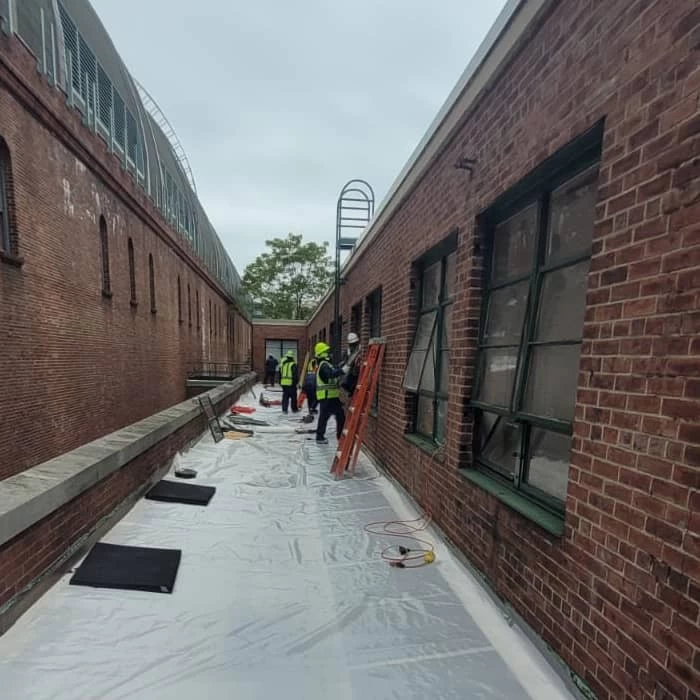
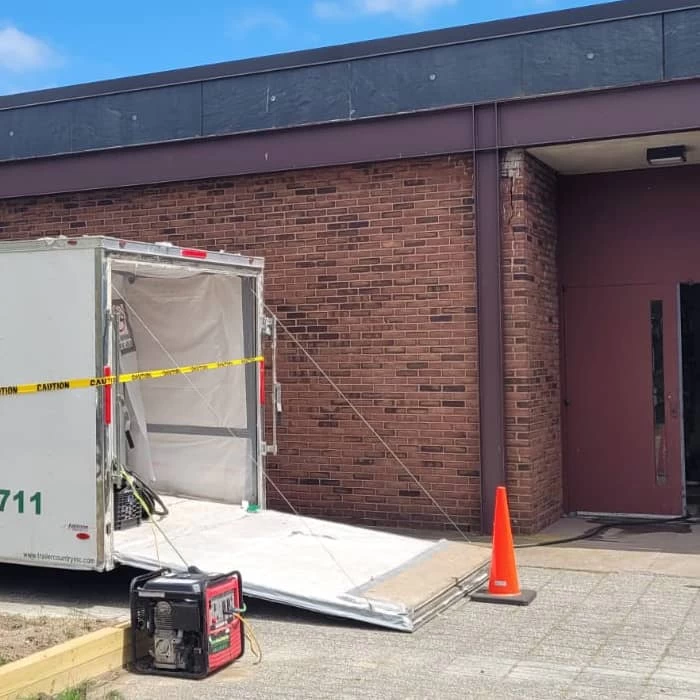
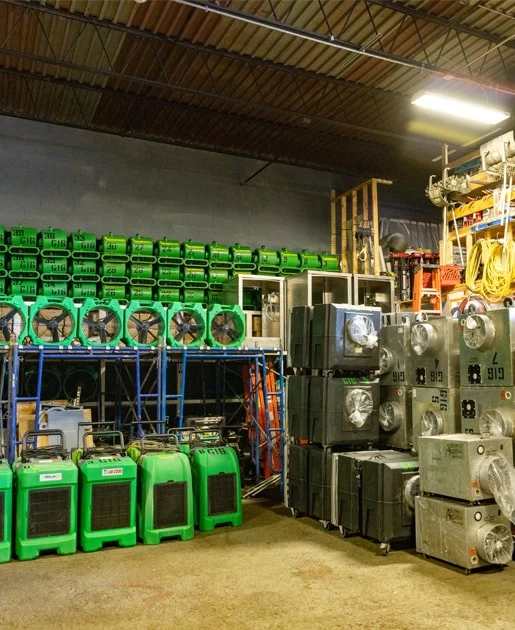
Once the assessment is done, extraction begins immediately using industrial-grade equipment. After the standing water is gone, the real work starts: structural drying with commercial dehumidifiers and air movers, thermal imaging to locate moisture hidden inside walls and floor assemblies, and mold prevention treatment applied before any visible growth has a chance to establish. Every step is documented for your insurance claim, and we communicate directly with your adjuster whether that’s your HO-6 carrier, the cooperative’s master policy insurer, or both.
If reconstruction is needed drywall, flooring, framing that work happens under the same engagement. There’s no gap between the remediation phase and the rebuild. Our NYC General Contractor license means permits get pulled correctly, the work meets New York City code, and your building management has the paperwork they need to close the file.
Basement Water Damage Restoration Rochdale Village
Built for Co-op Buildings, Not Just Single-Family Homes
Most water damage companies are set up for single-family homes. Rochdale Village isn’t that. It’s a 20-building, 5,860-unit cooperative on 120 acres, with centralized infrastructure, shared plumbing systems, and buildings that have been in continuous use since 1963. Our flooded basement cleanup service is built to handle that reality from the hazardous materials licensing required to legally work in pre-1978 construction, to the institutional documentation that building management and insurance carriers require before authorizing any work in a cooperative building.
We cover the full arc of a flood event: emergency water extraction, contamination assessment (clean water, gray water, or black water each handled differently and priced accordingly), structural drying, mold prevention, content assessment, and complete reconstruction if needed. For Rochdale Village residents dealing with the chronic groundwater conditions documented across southeast Queens, that also means an honest conversation about long-term moisture management not just a one-time fix that leaves the underlying problem unaddressed.
Insurance billing is handled directly. We work with adjusters on your behalf, document every phase of the job to industry standards, and provide the IICRC-compliant reporting that most HO-6 carriers and cooperative master policy insurers require for claims involving water and mold damage. You focus on getting your space back. We handle the paperwork.
Why does my basement in Rochdale Village keep flooding even without heavy rain?
This is one of the most common questions from Rochdale Village residents, and the answer has nothing to do with your plumbing or your building’s maintenance. The city’s municipal groundwater pumping operations in this area effectively stopped in the late 1990s and early 2000s after contamination was found in the Queens aquifer. Without that pumping, the water table has been rising steadily approximately 30 feet since pumping ceased. That rising groundwater pushes upward through foundations, floor slabs, and basement walls without any storm event to trigger it.
For Rochdale Village cooperative buildings, which sit on land that was formerly Jamaica Racetrack and have foundations dating to 1963, this is a structural reality that doesn’t go away after a single cleanup. A professional remediation team that understands southeast Queens’ groundwater conditions will assess for ongoing moisture intrusion, not just the visible flood event, and give you an honest picture of what’s happening beneath the surface. That’s the conversation worth having before you spend money on a fix that only addresses the symptom.
How quickly does mold start growing after a basement flood?
Under standard conditions, mold can begin establishing itself within 24 to 72 hours of a water event. In Rochdale Village’s basement and ground-floor spaces where the chronic groundwater environment means baseline humidity is already elevated that window can be even shorter. You’re not introducing moisture into a dry environment. You’re adding to moisture that was already present, which gives mold a head start it wouldn’t have in a drier climate or a newer building.
The 72-hour mark is the industry threshold that most insurance companies use to assess whether mold damage was preventable. If professional remediation wasn’t initiated within that window, carriers can and do reduce or deny mold-related claims on the grounds that the damage could have been mitigated. Acting immediately not in the morning, not after the weekend is the single most important decision you’ll make after a basement flood. It’s also the decision that keeps a manageable cleanup from becoming a $2,000 to $8,000 mold remediation job on top of the base restoration cost.
Does my co-op insurance cover flooded basement cleanup in Rochdale Village?
The insurance picture for Rochdale Village cooperative shareholders is more complicated than it is for a typical homeowner, and it’s worth understanding before you file a claim. As a shareholder, you carry an HO-6 policy that covers your personal property and the interior of your unit walls, floors, fixtures, and contents. The cooperative’s master policy, held by Rochdale Village Inc., covers the building structure, common areas, and shared systems. Whether a specific flood event is covered by your policy, the master policy, or both depends on the source of the water and where the damage occurred.
We handle insurance communication directly, which means we work with both adjusters yours and the cooperative’s to document the damage, establish the source, and submit the claims correctly. This matters because misattributing damage to the wrong policy is one of the most common reasons cooperative shareholders end up with uncovered costs. Having a licensed, IICRC-certified contractor with proper documentation from the first hour of the job gives both carriers what they need to process the claim cleanly. It also protects you if the cooperative’s management company currently Douglas Elliman Property Management needs documentation to authorize repairs to shared building systems.
What's the difference between clean water, gray water, and black water flooding?
The contamination category of the water in your basement determines how the cleanup is handled, how long it takes, and what it costs so it’s worth knowing the difference before you make any calls. Clean water comes from a broken supply line, a roof leak, or an overflowing sink. It’s the least hazardous category and the least expensive to remediate, typically running around $3.50 per square foot. Gray water comes from appliance overflow, sump pump failure, or discharge from washing machines it contains contaminants that require protective handling, running closer to $5.25 per square foot. Black water is sewage backup or floodwater that has contacted waste it’s the most hazardous category and legally requires licensed hazmat-level handling and disposal.
In Rochdale Village’s aging plumbing infrastructure, all three categories are realistic scenarios. The 60-year-old pipe systems throughout the complex are subject to corrosion, joint failures, and pressure problems and a sewage backup in a high-rise building can affect multiple units and floors simultaneously. The NYC BIC Trade Waste certification that we hold authorizes us to handle and legally dispose of contaminated materials in New York City, which is a credential that many local competitors operating in the Jamaica and southeast Queens area simply don’t carry.
How long does flooded basement cleanup and restoration actually take?
For a straightforward flood event with clean water and no structural damage, the drying and remediation process typically takes three to five days. That’s extraction, structural drying with commercial equipment, and a final moisture check to confirm the space is dry before any reconstruction begins. If the water was contaminated, if mold has already established, or if structural materials need to be removed and replaced, the timeline extends sometimes to two weeks or more depending on the scope.
In Rochdale Village cooperative buildings, there’s an additional variable that doesn’t apply to single-family homes: board and management approval for any work that affects building systems or common areas. Our experience working with institutional clients and commercial properties means we’re familiar with that approval process and can provide the documentation scope of work, licensing credentials, insurance certificates that Douglas Elliman Property Management or the cooperative board will require before work begins. Getting that paperwork right on the front end prevents delays that add days to an already stressful situation.
Does Green Island Group serve Rochdale Village and the surrounding southeast Queens area?
Yes we serve Rochdale Village and the broader southeast Queens area, including the adjacent neighborhoods of St. Albans, South Jamaica, Springfield Gardens, and Locust Manor. We’re familiar with the specific flooding conditions in this part of Queens: the groundwater table issues, the aging cooperative building infrastructure, the proximity to JFK Airport, and the regulatory environment that governs restoration work in New York City. That local knowledge shapes how the job gets done from the hazardous materials assessment that’s standard in any pre-1978 building, to the insurance documentation process that cooperative shareholders in this area specifically need.
We operate 24 hours a day, every day of the year, and our response time in the Queens area is documented at under one hour. If you’re dealing with a flooded basement right now whether it’s a burst pipe at midnight, a sewage backup on a Sunday, or chronic groundwater intrusion that’s been getting worse every season call us. The longer the water sits, the more expensive the problem becomes.