When Little Neck Bay Pushes Back, Your Saddle Rock Basement Pays First
We respond 24/7 to flooded basements in Saddle Rock with the licenses, equipment, and local knowledge to get it done right the first time. The moment water enters your basement, a clock starts. The EPA puts mold growth at 24 to 48 hours after water exposure. At 72 hours, you are no longer dealing with a cleanup — you are dealing with a remediation.
I needed a professional consultation explanation of procedure for safe removal of Asbestos in my apartment complex. Without having an account yet, I was very impressed with the caring, knowledgeable and generous advice offered by Jessica, and will look forward to doing business in the future. Thank you so much! I feel much more informed about a sometimes scary endeavor. Peace. Nancy Silva Mineola, NY.
Mia Munoz
Used this company to clean up some water flood in my house. They were fast and easy to work with.very professional, Would recommend to anyone!
Nini Valle
Great company, had a flood and they responded quickly and efficiently. Billed my insurance company directly. I highly recommend this company!
joe colapietro, jr
I had pipe freeze in my basement right before a snow storm and they made to within an hour to help start the clean up process. They we by our side throughout the entire process and even helped with the insurance company. They did such a great job with the cleanup, repair, remidiation, I contracted them to perform the repairs and finishes in the basement. They came with enough manpower and material to get the job done. Leo and Jessica were nothing but a pleasure to deal with!!
Cristian Arredondo c
I had some water damage in my home and Green Island was able to take care of my issue quickly and effectively. I am very pleased with the work they did. They responded quickly and were very professional.
Michael M
Outstanding service! From the office to the field crew everyone was friendly, helpful and responsive. I highly recommend Green Island Group.
Dry Walls, No Hidden Moisture, No Mold Surprise Later
Speed is not a selling point here. It is the difference between a straightforward water extraction job and a project that pulls out walls.
For Saddle Rock homeowners, that clock runs faster than most people realize. The Great Neck Peninsula sits within the Little Neck Bay Watershed, and USGS research has confirmed that the water table here responds to tidal fluctuations. That means even without a named storm, groundwater pressure under your foundation is already higher than it would be in an inland Nassau County neighborhood — and after a nor’easter or a prolonged rain event, it rises further. Your basement is not just fighting surface water. It is fighting hydrostatic pressure from below.
When the job is done correctly, you get more than a dry floor. You get confirmation — through moisture meters and thermal detection — that the water inside your wall cavities and under your subfloor is gone too. That is what actually prevents mold from showing up three weeks later. The visible surface drying fast is not the finish line. The structural materials drying completely is.
Licensed Basement Flood Cleanup Contractor Saddle Rock
Every License the Job Requires — No Exceptions
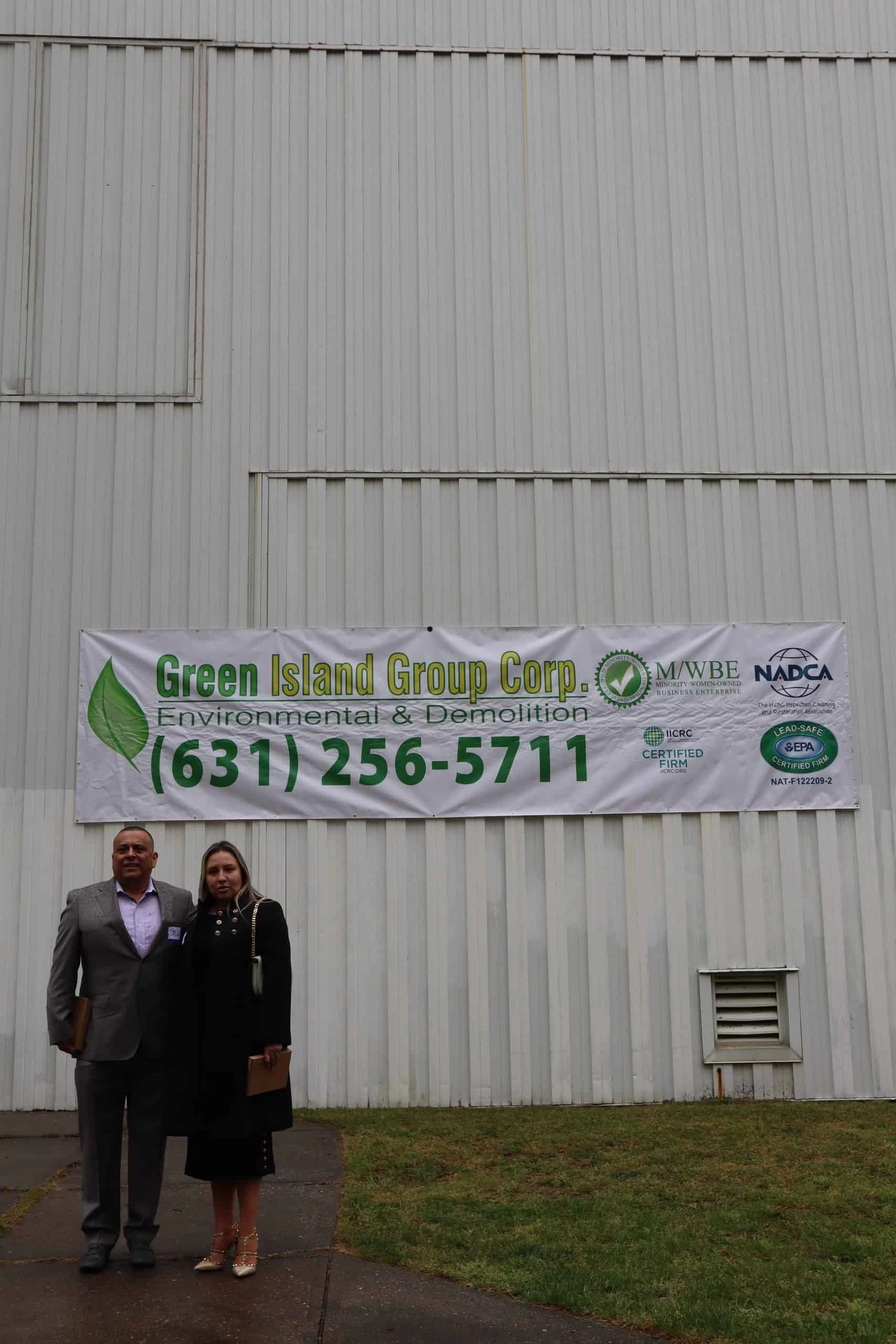
We hold the NYS Department of Labor Mold Remediation Contractor license, the NYS DOL Asbestos license, USEPA Lead and RRP certifications, IICRC Water Damage Restoration certification, NADCA HVAC Cleaning certification, and General Contractor licenses for Nassau County, Suffolk County, and New York City. That is not a list padded for appearance. Each one covers a real part of what a flooded basement in Saddle Rock can require — and most restoration companies operating in this area hold only one or two of them.
New York is one of the only states in the country with a mandatory state mold license. Any company performing mold remediation here without it is operating illegally. When you are protecting a home on the North Shore — many originally built in the 1950s, potentially with asbestos floor tiles or pipe insulation — you need a contractor who can handle the full scope legally and safely, not one who has to stop and call someone else when the job gets complicated.
We are also a certified NYS MBE, WBE, and NYC MWBE business — credentials issued after rigorous state and city vetting, not self-reported.
Emergency Basement Flooding Remediation Process Saddle Rock
From Standing Water to Structurally Dry — Here Is What Happens
The first call triggers immediate dispatch. We operate 24/7 for exactly this reason — because a basement that floods at 11 PM on a Sunday after a nor’easter cannot wait until Monday morning without consequences. When our crew arrives, the first priority is assessing the water source and contamination level. Clean water from a burst pipe is handled differently than storm-driven water that has contacted the ground, a sewer line, or your drainage system. In Saddle Rock, where storm events can overwhelm the sewer infrastructure and push sewage back through basement drains — as happened across Nassau County’s North Shore during Hurricane Ida in 2021 — that distinction matters immediately.
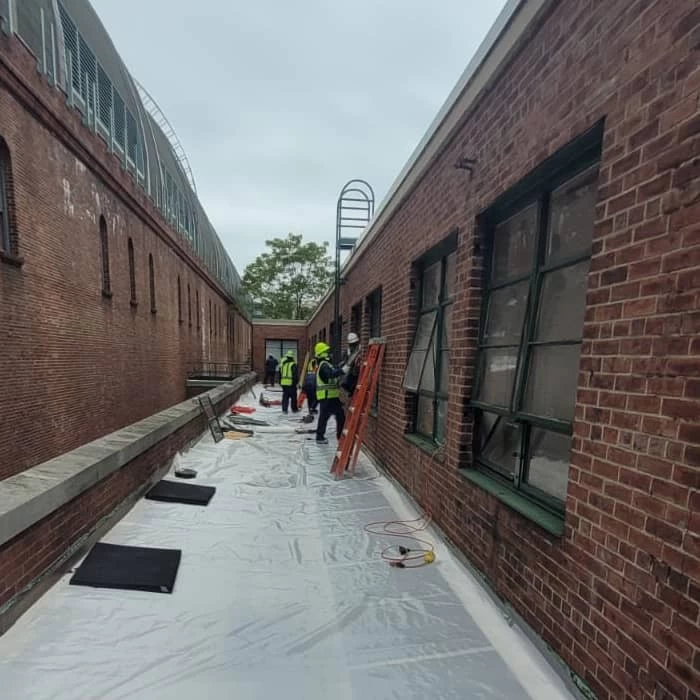
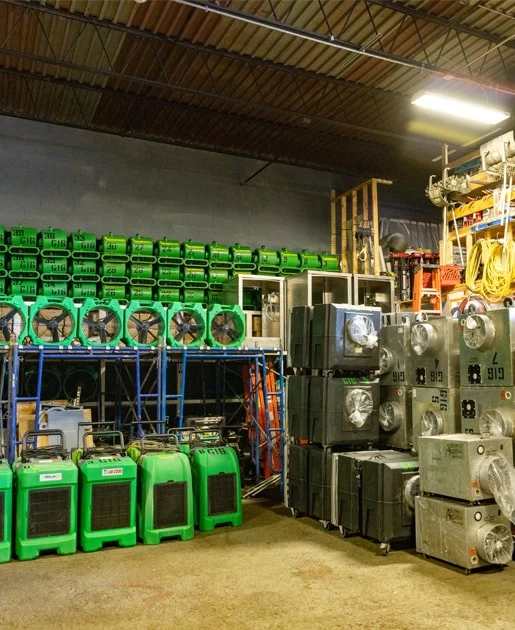
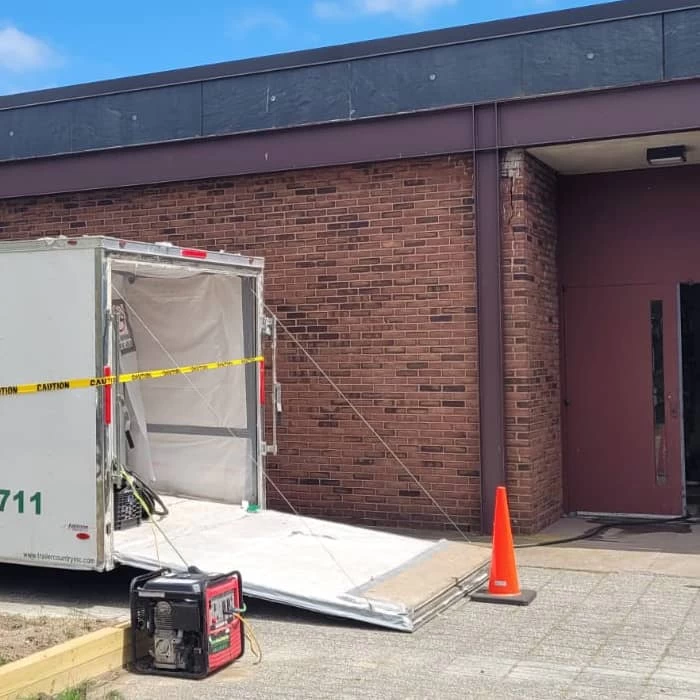
Once the water category is confirmed, extraction begins using truck-mounted and portable equipment sized for the space. After standing water is removed, the focus shifts to what you cannot see. Moisture meters and thermal imaging identify water that has migrated into wall cavities, concrete block cores, insulation, and subfloor material. Industrial air movers and dehumidifiers are then set up and monitored over multiple days — not pulled after a single visit — to bring structural moisture levels down to acceptable readings.
If materials need to come out — drywall, flooring, insulation — that work is scoped carefully, especially in homes with pre-1980 construction where asbestos or lead may be present. We hold the licenses to handle that legally. After the structure is confirmed dry, any required Nassau County or Village of Saddle Rock permits for reconstruction are addressed, and the rebuild begins under the same General Contractor license that covered the remediation. One company, start to finish.
Flooded Basement Cleaning and Restoration Saddle Rock NY
What Is Actually Included When the Whole Job Gets Done Right
A complete flooded basement cleanup in Saddle Rock covers more ground than extraction and drying. It starts with water removal — all of it, including what has pooled in floor drain areas, utility corners, and low points that portable equipment misses. It moves into structural drying with industrial-grade dehumidifiers and air movers that run continuously, not just during business hours. Moisture readings are documented throughout so you have a clear record of where the structure was and where it ended up — useful both for your own peace of mind and for any insurance documentation your carrier requires.
If the flooding involved contaminated water — storm surge, sewer backup, or groundwater that has mixed with surface contaminants — the scope expands to include full surface decontamination and removal of affected porous materials. This is not optional. Category 3 water in a basement requires biohazard-level handling, and skipping it creates a health risk that does not disappear when the floor looks dry. We are licensed and equipped for that level of response.
For Saddle Rock homes with original or partially original mid-century construction, the process also includes a pre-demolition assessment for asbestos-containing materials before any flooring, drywall, or pipe insulation is disturbed. Nassau County guidance specifically flags the elevated asbestos and lead risk in pre-1980 housing stock — and the Great Neck area has significant inventory from that era. Insurance documentation support is included throughout, helping you build the paper trail your carrier needs to process the claim correctly.
Why does my Saddle Rock basement keep flooding even without major storms?
This is one of the most common questions from homeowners on the Great Neck Peninsula, and the answer is genuinely local to Saddle Rock. The peninsula is surrounded by water on three sides — Little Neck Bay to the west, Manhasset Bay to the east, and Long Island Sound to the north. USGS research has confirmed that the water table under the peninsula responds to tidal fluctuations, meaning it rises and falls with the bay. When tides are high, groundwater pressure under your foundation increases. Add a stretch of rainy weather to an already-elevated water table, and even a foundation in good condition can start showing seepage through the floor slab or lower wall joints.
This is not a sign that your basement is broken or that your waterproofing failed dramatically. It is a sign that your home is sitting in a tidally influenced hydrological zone that behaves differently from inland Nassau County neighborhoods. The fix depends on the entry point — floor slab cracks, wall joint failures, or window well drainage — but identifying it correctly requires someone who understands what is actually happening under Saddle Rock, not just someone running a generic inspection checklist.
How much does flooded basement cleanup typically cost in Nassau County?
The range is wide because the variables are significant. For a clean-water event — a burst pipe, a failed sump pump during a rain event — in a smaller unfinished basement, costs typically start around $1,600 and can reach $4,000 to $6,000 depending on square footage and how long the water sat before extraction began. Once you move into contaminated water — storm surge, sewer backup, or groundwater that has mixed with surface contaminants — the scope expands considerably. Full Category 3 remediation in a larger finished basement can reach $10,000 to $12,000 or more, and a home with an unfinished basement flooded with contaminated water averages $60,000 in total repairs when structural damage is factored in.
For Saddle Rock specifically, the pre-1980 housing stock adds a variable that does not apply to newer construction: if asbestos-containing materials need to be assessed or removed before demolition can proceed, that is an additional licensed scope of work with its own cost. It is also worth noting that standard homeowners insurance typically covers sudden, accidental water events like pipe bursts — but storm surge and groundwater intrusion, which are the most common flooding causes in a waterfront community like Saddle Rock, usually fall under a separate flood insurance policy. Getting the documentation right from the start of the cleanup affects what your carrier will pay.
Does homeowners insurance cover basement flooding from a storm in Saddle Rock?
Usually not — and this is one of the most frustrating discoveries homeowners make after a flooding event. Standard homeowners insurance covers sudden, accidental water damage from internal sources: a burst pipe, a washing machine overflow, a water heater failure. What it typically does not cover is water that enters from outside — storm surge, surface flooding, or groundwater intrusion. For that, you need a separate flood insurance policy, either through FEMA’s National Flood Insurance Program or a private flood carrier.
This distinction matters especially in Saddle Rock because the most likely causes of basement flooding here are the ones standard homeowners insurance excludes. The tidal groundwater influence, the proximity to Little Neck Bay, and the storm surge risk that put Kings Point — Saddle Rock’s immediate neighbor — at 12.65 feet above normal tide during Hurricane Sandy all point toward flood-origin water, not pipe-origin water. If you are unsure which policy applies to your situation, the documentation gathered during the cleanup process is critical. We assist with that documentation so your claim is built on a clear, accurate record of what happened, when, and what it affected.
How do I know if there is mold growing after my basement was flooded?
The honest answer is that you often cannot tell by looking. Mold grows inside wall cavities, behind baseboards, under flooring, and in insulation — places that appear completely normal from the surface. By the time you see discoloration on a wall or smell something musty, the growth is usually already established and has likely been there for weeks. The EPA’s threshold is 24 to 48 hours for mold to begin growing after water exposure. At 72 hours without proper drying, the probability of hidden growth increases significantly.
In Saddle Rock, the conditions that follow a flooding event are particularly favorable for mold development. The proximity to Little Neck Bay keeps ambient humidity elevated compared to inland areas, and the older construction common in the neighborhood — brick, concrete block, wood framing from the 1950s — holds moisture longer than modern materials. A professional moisture assessment using thermal imaging and calibrated moisture meters is the only reliable way to confirm whether structural materials are actually dry or just appear dry on the surface. If mold is found, New York State requires a licensed NYS DOL Mold Remediation Contractor to perform the remediation — not a general handyman or a water extraction company without that specific license.
Can I clean up a flooded basement myself, or do I need a professional?
For a very small, clean-water event — a few gallons from a minor pipe leak in a basement with no finished walls and no older construction — a homeowner with a wet-vac and a dehumidifier can sometimes manage it. But that scenario describes a narrow slice of what actually happens in Saddle Rock basements. Most flooding events here involve either contaminated water from storm-driven sources, significant volume from groundwater intrusion, or both. Category 3 water — anything that has contacted sewage, storm drains, or floodwater — requires licensed biohazard handling and cannot be safely managed with consumer equipment.
There is also the hidden moisture problem. Consumer dehumidifiers are not designed to dry structural materials from the inside out. They manage air humidity reasonably well, but they do not generate the sustained, directed airflow that pulls moisture out of concrete block cores, wall cavities, and subfloor assemblies. If those materials stay wet while the surface appears dry, mold follows. For a home on the North Shore with pre-1980 construction, there is the additional question of asbestos and lead — disturbing wet flooring or drywall in a home from that era without a licensed assessment first creates a legal and health exposure that no amount of DIY effort is worth.
Does Green Island Group handle basement flood cleanup in Saddle Rock specifically, or only larger towns nearby?
Saddle Rock is a core part of our Nassau County service area. The village’s size — under 1,000 residents, roughly 275 homes — does not change the response. We hold an active Nassau County General Contractor license and operate throughout the North Shore, including the Great Neck Peninsula and the surrounding waterfront communities along Little Neck Bay. The 24/7 emergency availability applies here the same as anywhere else in our service territory.
What actually matters for Saddle Rock homeowners is that the company responding understands the specific conditions here — the tidal groundwater dynamics, the storm surge history that put this corner of Nassau County at the top of Sandy’s damage records, and the mid-century housing stock that requires licensed asbestos and lead handling before any demolition work begins. A national call center routing a crew from a distant franchise does not bring that context. We do, because Nassau County is not an extended service area for us — it is where we are licensed, operating, and accountable.