Sound Beach Got Slammed Your Basement Deserves a Real Fix
When 10 inches of rain falls overnight and your basement is underwater, you don’t need a franchise hotline. You need someone who knows Sound Beach, shows up fast, and actually finishes the job.
I needed a professional consultation explanation of procedure for safe removal of Asbestos in my apartment complex. Without having an account yet, I was very impressed with the caring, knowledgeable and generous advice offered by Jessica, and will look forward to doing business in the future. Thank you so much! I feel much more informed about a sometimes scary endeavor. Peace. Nancy Silva Mineola, NY.
Mia Munoz
Used this company to clean up some water flood in my house. They were fast and easy to work with.very professional, Would recommend to anyone!
Nini Valle
Great company, had a flood and they responded quickly and efficiently. Billed my insurance company directly. I highly recommend this company!
joe colapietro, jr
I had pipe freeze in my basement right before a snow storm and they made to within an hour to help start the clean up process. They we by our side throughout the entire process and even helped with the insurance company. They did such a great job with the cleanup, repair, remidiation, I contracted them to perform the repairs and finishes in the basement. They came with enough manpower and material to get the job done. Leo and Jessica were nothing but a pleasure to deal with!!
Cristian Arredondo c
I had some water damage in my home and Green Island was able to take care of my issue quickly and effectively. I am very pleased with the work they did. They responded quickly and were very professional.
Michael M
Outstanding service! From the office to the field crew everyone was friendly, helpful and responsive. I highly recommend Green Island Group.
When the water is gone and the fans are off, you should be able to walk back into your basement and feel confident not anxious. That means no moisture hiding in the walls, no musty smell creeping upstairs, and no drywall that looks fine on the surface but is growing mold behind it. That’s the standard. Anything less isn’t finished work.
Sound Beach sits on the North Shore of Long Island, directly on the Sound, and the flooding risk here is real and documented. The August 2024 storm dropped 10.18 inches of rain on this hamlet more than anywhere else in Suffolk County and triggered the first-ever flash flood emergency in county history. That wasn’t a fluke. It was the most extreme version of what North Shore homeowners already know: these glacial bluff soils saturate fast, groundwater moves quickly, and older homes without modern drainage systems take the hit hardest.
A significant portion of Sound Beach’s housing stock was built before 1960 many of them original summer cottages converted to year-round homes after World War II. Those homes weren’t designed for the hydrostatic pressure and moisture demands of North Shore winters and storm seasons. When water gets in, it doesn’t just sit on the floor. It wicks into original wood framing, saturates insulation, and in some cases disturbs older materials that require more than a shop vac and a dehumidifier to handle safely. Getting a proper cleanup in Sound Beach means understanding what you’re actually dealing with not just what’s visible.
Licensed Basement Flooding Remediation, Suffolk County
One Company That Can Handle All of It
We’ve been doing environmental restoration and remediation work across New York State for over 12 years, with more than 5,000 completed projects. We hold a Suffolk County General Contractor license the specific credential required to perform restoration and reconstruction work in Sound Beach and the Town of Brookhaven. That’s not a detail to gloss over. It means one company can take your job from emergency water extraction all the way through full reconstruction, without you having to find and coordinate multiple contractors mid-crisis.
What separates us in this market is the licensing stack. NYS DOL Mold Remediation, NYS DOL Asbestos, USEPA Lead, and USEPA RRP certifications all held, all active. In a community where more than a third of homes were built before 1939, that matters. If flooding disturbs pipe insulation, floor tiles, or wall materials in an older Sound Beach home, you need a contractor who is legally and technically equipped to handle what’s behind those walls. Most aren’t. We are.
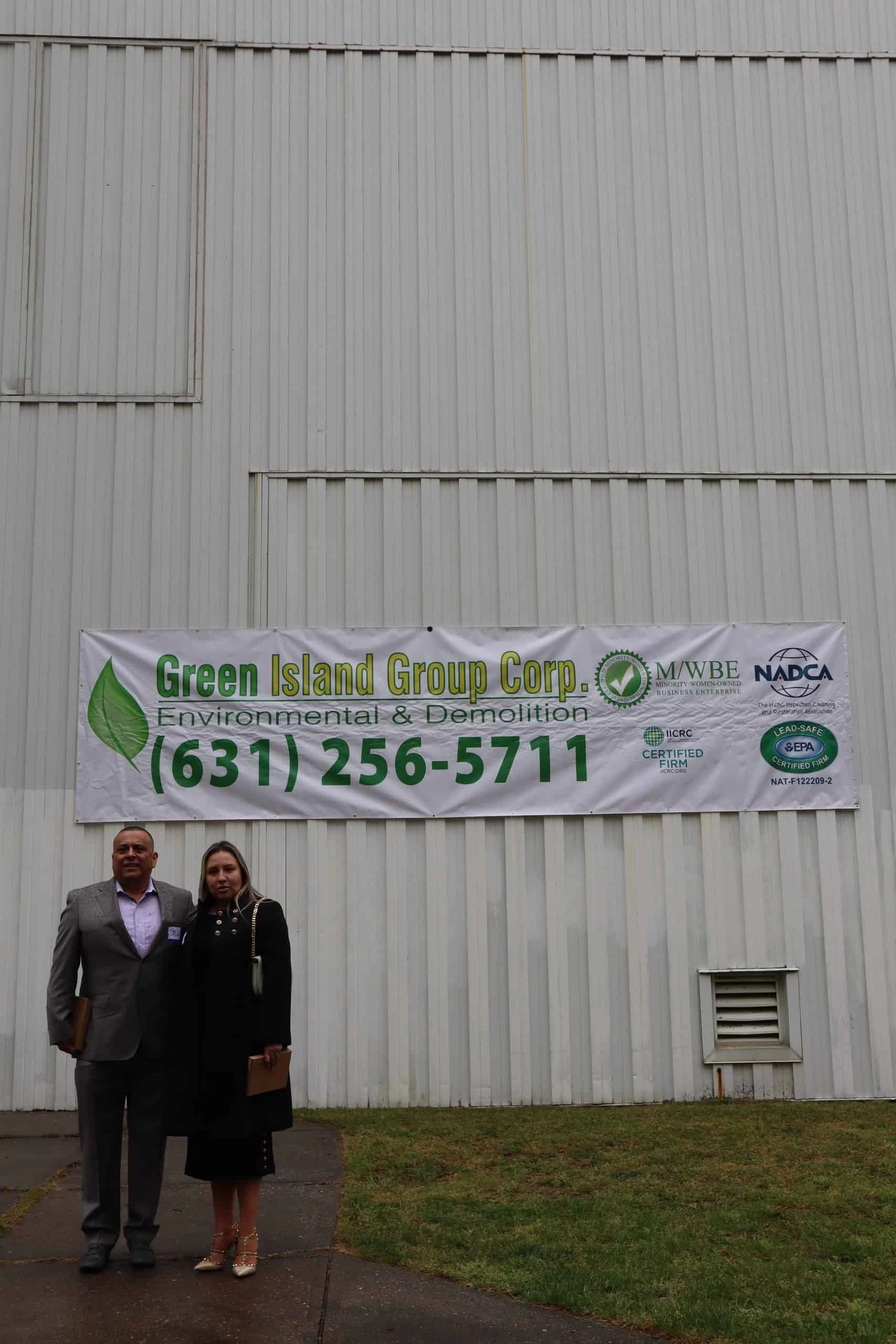
We’re also an approved emergency response contractor for the NYS Office of General Services independently vetted by the state itself and we’re certified as a NYS Minority and Woman-Owned Business Enterprise.
What Actually Happens From the First Call to the Final Walkthrough
When you call, you reach a real person not a call center routing your job to whoever’s available. We operate 24/7 and serve Sound Beach and surrounding Suffolk County communities including Rocky Point and Miller Place. The first step is getting someone to your home fast, because every hour matters. Mold begins growing within 24 to 48 hours of flooding, and delaying professional cleanup past 72 hours can add thousands of dollars in remediation costs that didn’t have to happen.
Once on-site, our team does a full assessment before any equipment goes in. That means identifying the water source and category clean water from a burst pipe is handled differently than floodwater carrying street runoff, which is a Category 3 loss and a documented health hazard requiring containment and specific disposal protocols. In Sound Beach, where storm flooding often carries surface runoff from the bluffs and surrounding soils, that distinction is important and affects how the entire job is handled.
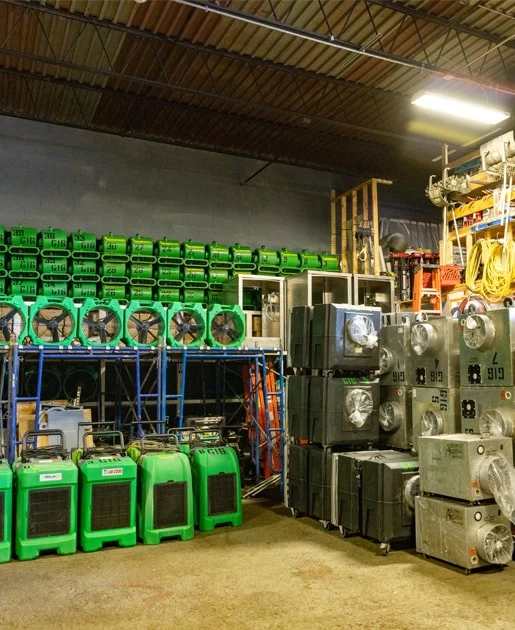
After extraction comes drying, which is not a passive process. Moisture meters and thermal imaging identify what’s saturated behind walls and under flooring materials that look dry on the surface but aren’t. In homes with pre-war or mid-century construction, our team also assesses for asbestos and lead-containing materials before any demolition begins, as required under NYS DOL and USEPA regulations. If reconstruction is needed, we handle that too, under the same Suffolk County GC license. Your insurance carrier gets billed directly, and the documentation your adjuster needs is handled as part of the job.
Basement Flooding Remediation Services, Sound Beach, NY
Built for North Shore Homes, Not Just Generic Water Damage Jobs
Flooded basement cleanup in Sound Beach isn’t a one-size-fits-all service and the homes here make that clear. You’re dealing with a community where original 1920s and 1930s bungalows stand alongside post-war ranch homes and newer construction, all within a few blocks of each other. The approach has to match the home. That means water extraction and structural drying as the baseline, but also mold remediation when it’s needed, hazardous material assessment when the construction era warrants it, and full reconstruction when the damage goes past the surface.
We handle the full scope under one roof. Emergency water removal, industrial drying and dehumidification, mold testing and remediation, asbestos and lead assessment and abatement for older Sound Beach homes, sewage backup cleanup with proper containment and disposal, and complete structural reconstruction all covered, all licensed, all under a single Suffolk County General Contractor license. You’re not patching together three different contractors and hoping they coordinate. One company manages the job from start to finish.
The Town of Brookhaven has its own storm damage reporting and homeowner assistance programs including grants up to $50,000 for health and safety repairs not covered by insurance. We’re familiar with these programs and can help document the damage in a way that supports your claim or application. If your home is near the bluff or in a coastal erosion hazard area, there are also NYS DEC regulations that may apply to any drainage or exterior work something a contractor without local knowledge might miss entirely.
How fast can a water damage company actually get to Sound Beach, NY?
Response time is one of the most important factors in a flooded basement situation, and it’s also one of the most overpromised. The honest answer is that it depends on where the company is actually operating from. We serve Suffolk County directly, including Sound Beach, Rocky Point, and the surrounding North Shore communities. That means you’re not waiting for a franchise dispatch to route your call to whoever is on call in a different county.
The reason speed matters so much here is that mold doesn’t wait. Within 24 to 48 hours of flooding, mold growth can begin in saturated drywall, insulation, and wood framing. The longer standing water or trapped moisture sits, the more damage compounds and the more expensive the remediation becomes. Getting a crew on-site quickly, especially after a major storm event like the ones Sound Beach has experienced, is the difference between a cleanup job and a full gut renovation.
Does homeowners insurance cover flooded basement cleanup in Sound Beach?
It depends on the cause of the flooding, and the answer matters a lot for Sound Beach homeowners. Standard homeowners insurance typically covers sudden and accidental water damage a burst pipe, a failed sump pump, an appliance malfunction. What it generally does not cover is flooding from outside the home, including storm surge, groundwater intrusion, or surface water from heavy rain. For that type of damage, you’d need a separate flood insurance policy, typically through the National Flood Insurance Program (NFIP).
After the August 2024 storm, Suffolk County received a federal emergency declaration, which opened up FEMA assistance programs for affected residents. The Town of Brookhaven also has a homeowner grant program offering up to $50,000 for health and safety repairs not covered by insurance. We bill insurance carriers directly and handle the documentation your adjuster needs. If you’re not sure what your policy covers, getting a professional damage assessment documented early before you start any cleanup is the most important step you can take to protect your claim.
My Sound Beach home was built in the 1940s is asbestos a risk during basement cleanup?
Yes, and it’s a question worth taking seriously. Sound Beach has one of the highest concentrations of pre-war housing stock on Long Island more than a third of homes were built before 1939, and many others were constructed through the 1940s and 1950s. In homes from that era, asbestos was commonly used in pipe insulation, floor tiles, joint compound, and ceiling materials. Lead-based paint was standard through 1978.
When a basement floods and water penetrates walls, disturbs insulation, or damages flooring in one of these older homes, there’s a real possibility that hazardous materials are involved. Under NYS DOL and USEPA regulations, those materials have to be assessed and handled by licensed professionals before any demolition or removal begins. We hold both the NYS DOL Asbestos license and the USEPA Lead and RRP certifications. Most water damage companies operating in this market do not. Hiring an unlicensed contractor to clean up a flooded basement in an older Sound Beach home isn’t just risky it can leave hazardous materials behind and expose you to liability down the road.
How do I know if there's mold after my basement flooded?
Sometimes you can see it dark spots on drywall, discoloration along the base of walls, visible growth on wood framing. But more often in Sound Beach homes, especially older ones with plaster walls and original framing, the mold is behind the surface where you can’t see it. The signs that something is wrong are usually a persistent musty smell, increased allergy symptoms in the home, or visible staining that keeps coming back even after you clean it.
The 24 to 48 hour window is real. If your basement had standing water and wasn’t professionally dried within that timeframe, mold growth is a serious possibility not a worst-case scenario. Professional mold assessment uses moisture meters and sometimes air sampling to identify what’s actually present, not just what’s visible. We hold the NYS DOL Mold Remediation Contractor license, which is required by law in New York State to perform mold remediation work. If mold is found, remediation follows a defined protocol containment, removal, treatment, and clearance testing not just cleaning the surface and hoping it doesn’t come back.
What's the difference between water damage cleanup and mold remediation?
Water damage cleanup is the immediate response extracting standing water, removing saturated materials, and drying the structure to prevent further damage. Mold remediation is what happens when that window closes and mold has already established itself in building materials. They’re related, but they’re not the same job, and they require different licensing in New York State.
In Sound Beach, the gap between the two often comes down to timing and thoroughness. Homes with older construction the cottages and ranch homes that make up most of the hamlet’s housing stock tend to have materials that absorb and hold moisture longer than modern construction. If the drying phase isn’t done correctly, or if a previous cleanup left moisture trapped behind walls, mold can develop weeks after the initial flooding event. A complete job addresses both: proper structural drying to stop the problem from progressing, and if needed, licensed mold remediation to address what’s already there. Trying to handle one without the other is how homeowners end up calling a second contractor six months later.
Can Green Island Group handle the job if my basement flooding involved sewage backup?
Yes, and sewage backup is one of the more serious flooding scenarios you can face not just because of the damage, but because of the health risk. Sewage-contaminated water is classified as Category 3, or blackwater, which means it contains pathogens and requires OSHA-compliant containment, removal, and disposal protocols. It’s not a job for standard water extraction equipment and a bottle of disinfectant.
In Sound Beach and the surrounding North Shore communities, sewage backups often happen during heavy rain events when municipal systems get overwhelmed exactly the kind of event that the hamlet saw in August 2024. Older homes with aging lateral sewer lines are also more susceptible to backups independent of storm activity. Our environmental licensing covers Category 3 losses, including proper containment, disposal, structural drying, and surface treatment. We document everything for your insurance carrier, which matters because sewage backup coverage is often a separate rider on a homeowners policy and requires specific documentation to process the claim correctly.