When Your Basement Floods in New York's Smallest Village, Every Hour Counts
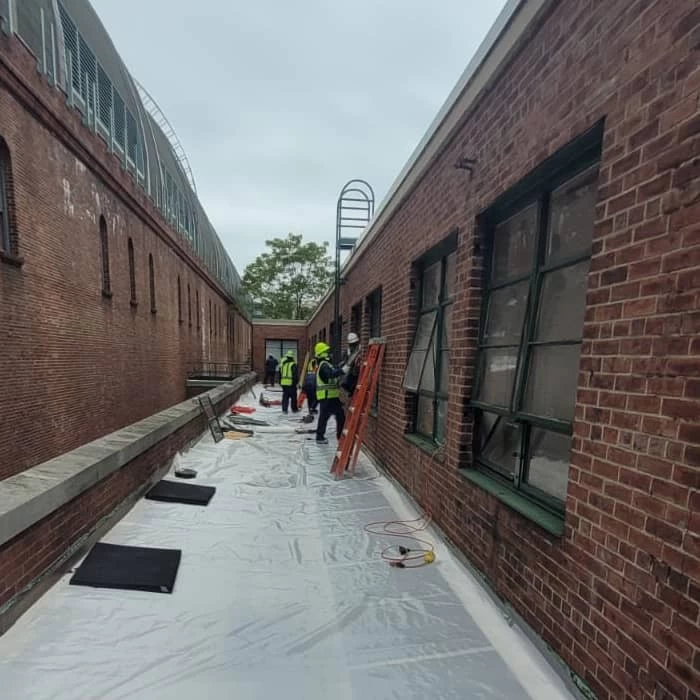
South Floral Park packs 462 homes into less than a tenth of a square mile — and when the storms hit, there’s nowhere for that water to go except down. We respond 24/7 with licensed flooded basement cleanup built for exactly this kind of neighborhood.
I needed a professional consultation explanation of procedure for safe removal of Asbestos in my apartment complex. Without having an account yet, I was very impressed with the caring, knowledgeable and generous advice offered by Jessica, and will look forward to doing business in the future. Thank you so much! I feel much more informed about a sometimes scary endeavor. Peace. Nancy Silva Mineola, NY.
Mia Munoz
Used this company to clean up some water flood in my house. They were fast and easy to work with.very professional, Would recommend to anyone!
Nini Valle
Great company, had a flood and they responded quickly and efficiently. Billed my insurance company directly. I highly recommend this company!
joe colapietro, jr
I had pipe freeze in my basement right before a snow storm and they made to within an hour to help start the clean up process. They we by our side throughout the entire process and even helped with the insurance company. They did such a great job with the cleanup, repair, remidiation, I contracted them to perform the repairs and finishes in the basement. They came with enough manpower and material to get the job done. Leo and Jessica were nothing but a pleasure to deal with!!
Cristian Arredondo c
I had some water damage in my home and Green Island was able to take care of my issue quickly and effectively. I am very pleased with the work they did. They responded quickly and were very professional.
Michael M
Outstanding service! From the office to the field crew everyone was friendly, helpful and responsive. I highly recommend Green Island Group.
A Dry Basement — and No Mold Surprise Three Weeks Later
Most homeowners think the crisis is over once the water is gone. It’s not. The real damage — mold, structural deterioration, compromised air quality — starts after the puddles disappear. Mold can begin growing within 24 to 48 hours of water exposure, and once it’s behind your walls or under your subfloor, you’re no longer dealing with a cleanup. You’re dealing with a remediation.
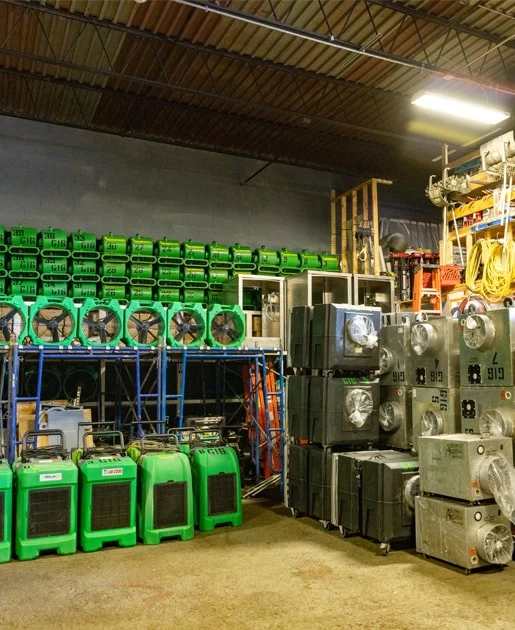
What you actually need is a basement that’s been dried all the way through — walls, floor, framing, and all the hidden cavities in between. That means industrial dehumidifiers and air movers, not a shop vac and a box fan. It means moisture readings taken inside the structure, not just on the surface. And it means someone who knows what to look for in a home that was built before 1980, which describes nearly every house on every block in South Floral Park.
These older homes — many dating back to the 1920s through 1950s — have foundation materials, drainage systems, and basement construction that weren’t built to modern waterproofing standards. When they flood, the cleanup has to account for that. You should walk away from this knowing your basement is genuinely dry, the mold window was closed, and nothing was left behind to surprise you later.
Licensed Basement Flooding Remediation Nassau County
One License Stack That Covers Everything Your South Floral Park Basement Might Reveal
We serve Nassau County with a license stack that most restoration companies can’t match — NYS DOL Mold, NYS DOL Asbestos, USEPA Lead, USEPA RRP, IICRC Water Damage, and a Nassau County General Contractor license, all under one roof. That matters more in South Floral Park than almost anywhere else in the county.
Here’s why. When a pre-1978 home in this village floods, there’s a real chance the remediation disturbs asbestos floor tiles, lead paint, or both. Most water damage companies aren’t licensed to handle those materials. They dry the floor, hand you an invoice, and leave — without telling you what they may have stirred up. We hold every license required to identify those hazards, contain them properly, and remediate them legally, so you’re not left calling three different contractors to finish what one should have handled.
We’re also NYS MBE and WBE certified — something that matters in a community like South Floral Park, where residents expect the businesses they invite into their homes to be accountable, vetted, and operating above board.
Emergency Water Damage Restoration South Floral Park
From Your First Call to a Basement You Can Actually Use Again
When you call, someone picks up — day or night. We ask a few quick questions to understand what you’re dealing with: how much water, where it came from, and how long it’s been sitting. That determines what we bring and how fast we move. For a basement in South Floral Park, where the housing stock is old and the lots are tight, we come prepared for more than just water.
Once we’re on site, the first priority is stopping the source if it hasn’t stopped already, then extracting standing water with commercial-grade pumps. After extraction, we do a full moisture assessment — using thermal imaging and professional moisture meters to find water that’s migrated into walls, under flooring, and into structural cavities that look dry on the surface but aren’t. This step is where a lot of companies cut corners, and it’s exactly where mold gets its foothold.
From there, we set industrial drying equipment and monitor the process until the readings confirm the structure is dry — not just the floor. If the assessment turns up asbestos materials, lead paint, or mold growth, we handle it. We don’t refer you out. We don’t stop the job halfway. New York State requires a dedicated mold remediation license for any company performing that work, and we hold it. When the job is done, we document everything — which matters if you’re filing an insurance claim or want a clear record of what was found and what was done.
What's Actually Included When We Show Up to Your South Floral Park Home
Flooded basement cleanup in South Floral Park isn’t a one-size situation. A clean water leak from a burst pipe is a different job than a sewer backup, and a sewer backup is a different job than a storm-driven groundwater intrusion. We assess the water category first — because Category 3 water, which includes sewage backup, is a biohazard that requires full decontamination protocols, not just drying. In a village with aging municipal sewer lines and dense development that limits natural drainage, sewer backup events are more common than most homeowners expect.
Every job includes water extraction, structural drying, and a full moisture assessment. From there, the scope depends on what we find. If mold is present or the 72-hour window has passed, mold remediation gets added. If asbestos-containing materials were disturbed — which is a documented risk in South Floral Park’s pre-1980 homes — we handle abatement under our NYS DOL Asbestos license before any rebuild work begins. If lead paint is involved in a pre-1978 home, our USEPA Lead and RRP certifications cover that too.
We also assist with insurance documentation. We photograph the damage, identify the likely cause, and give you the paperwork you need to support a claim — because how the damage is documented in the first 24 hours can significantly affect what your carrier covers.
How quickly does mold actually grow after a basement floods in South Floral Park?
Mold can begin developing within 24 to 48 hours of water exposure — and in an older South Floral Park home, that timeline can move even faster. Older construction materials like wood framing, plaster, and older drywall are more porous than modern materials, which means moisture penetrates deeper and holds longer. By the time a basement looks dry on the surface, those materials may still be saturated inside.
The 72-hour mark is the critical threshold in the restoration industry. After that point, mold growth becomes highly likely, and what started as a water extraction job becomes a mold remediation project — a more involved, more expensive, and more disruptive process. The best outcome is getting a professional crew on site fast enough to close that window before it opens. That’s why our emergency response runs 24 hours a day, seven days a week, including nights and weekends when most storms actually hit.
Does my homeowners insurance cover flooded basement cleanup in Nassau County?
It depends on the cause — and that distinction matters more than most people realize when they’re standing in a wet basement at midnight. Standard homeowners insurance typically covers sudden, accidental water damage, like a burst pipe or a failed water heater. What it generally does not cover is flooding from groundwater, stormwater runoff, or a backed-up municipal sewer line — which are among the most common causes of basement flooding in South Floral Park, especially during heavy spring storms.
Separate flood insurance through FEMA’s National Flood Insurance Program (NFIP) covers rising water from external sources, but many South Floral Park homeowners don’t carry it because the village isn’t a designated coastal flood zone. Sewer backup coverage is sometimes available as a rider on a standard policy, but it’s not automatic. The practical takeaway: before you assume you’re covered, check your policy for the specific cause of loss. We assist with damage documentation and can help you present the claim clearly — because how the cause is identified and documented in the first hours significantly affects what your carrier will consider.
Is there asbestos in my South Floral Park basement, and does that affect cleanup?
If your home was built before 1980 — which describes the vast majority of homes in South Floral Park — there’s a real possibility that asbestos-containing materials are present somewhere in the basement. The most common locations are vinyl floor tiles, the adhesive beneath them, pipe insulation, and joint compound around older ductwork. These materials are generally stable when left undisturbed, but water damage changes that. Flooding can loosen floor tiles, saturate insulation, and disturb materials that were previously intact.
Once those materials are disturbed, they become regulated under New York State law. Any contractor performing remediation work that involves or uncovers asbestos is legally required to hold a NYS Department of Labor Asbestos Contractor certification. We hold that license. If our assessment identifies asbestos-containing materials during your basement cleanup, we handle abatement as part of the same job — no separate contractor, no coordination gap, no delay in getting your basement back. Most standard water damage companies are not licensed to do this, which means they either skip it or leave you to figure out the rest on your own.
What's the difference between water extraction and actually drying out a basement?
Water extraction removes the standing water — the visible stuff you can see and feel. Drying is what happens after, and it’s the part that actually determines whether your basement develops mold or not. These are two different processes, and a lot of companies stop at extraction.
After the standing water is removed, moisture has already moved into your walls, under your flooring, and into the structural materials behind the surfaces you can see. In an older South Floral Park home, that migration happens quickly because older materials are more porous. Professional drying means placing industrial dehumidifiers and air movers in calculated positions to pull moisture out of the structure, then monitoring with moisture meters until the readings confirm the materials have returned to safe levels — not just until the floor feels dry underfoot. That process typically takes several days, depending on how long the water was present and how deeply it penetrated. Skipping it, or rushing it, is how a basement that looks fine in week one has a mold problem by week three.
What causes basement flooding in South Floral Park specifically?
South Floral Park’s flooding risk comes from a combination of factors that are specific to this village. The most significant is density. At just 0.096 square miles — the smallest incorporated village in New York State — South Floral Park has 462 homes packed into a footprint with very little permeable surface area. During heavy rain, there’s minimal green space to absorb runoff, so water concentrates quickly, overwhelms local storm drains, and finds its way into the lowest available space: basements.
The age of the housing stock compounds the problem. Homes built in the 1920s through 1950s have older foundation materials, drainage systems that weren’t designed for modern storm volumes, and sump pump setups that may be undersized or unreliable. The village also sits at the western edge of Nassau County, in a corridor that receives the same storm systems affecting Queens and eastern Brooklyn — nor’easters, heavy spring convective storms, and occasional tropical weather. Spring is consistently the highest-demand season for basement flooding cleanup in this area, when saturated ground meets heavy April and May rainfall and sump pumps that have been dormant all winter are suddenly overwhelmed.
How do I know if a basement flood cleanup company is actually licensed to work in South Floral Park, NY?
New York State has specific licensing requirements that apply directly to the work involved in flooded basement cleanup — and they’re stricter than most homeowners realize. If mold is found or suspected, the contractor performing remediation must hold a NYS Department of Labor Mold Remediation License. This isn’t optional, and it isn’t covered by a general contractor license or an IICRC certification alone. New York is one of only a handful of states in the country with a dedicated, state-issued mold license requirement. If a company can’t name that license specifically, they’re not legally authorized to perform mold remediation in your home.
Beyond mold, if your South Floral Park home was built before 1978 — which most were — and lead paint or asbestos materials are disturbed during cleanup, the contractor must also hold USEPA Lead and RRP certifications and a NYS DOL Asbestos Contractor license. Nassau County also has its own general contractor licensing requirements for restoration and rebuild work. The fastest way to verify a contractor is to ask them to name each license by its issuing agency. A legitimate company will answer that question without hesitation. If they respond with vague language about being “certified” or “fully licensed” without specifics, that’s your answer.