Flooded Basement Cleanup in Springfield Gardens, NY
When Your Springfield Gardens Basement Floods, Here's What Happens Next
When the sewers back up on 147th Avenue and water starts rising in your basement, you don’t need a brochure you need someone there fast. We respond to flooded basement cleanup calls in Springfield Gardens 24 hours a day, and we already know what we’re walking into when we get there.
I needed a professional consultation explanation of procedure for safe removal of Asbestos in my apartment complex. Without having an account yet, I was very impressed with the caring, knowledgeable and generous advice offered by Jessica, and will look forward to doing business in the future. Thank you so much! I feel much more informed about a sometimes scary endeavor. Peace. Nancy Silva Mineola, NY.
Mia Munoz
Used this company to clean up some water flood in my house. They were fast and easy to work with.very professional, Would recommend to anyone!
Nini Valle
Great company, had a flood and they responded quickly and efficiently. Billed my insurance company directly. I highly recommend this company!
joe colapietro, jr
I had pipe freeze in my basement right before a snow storm and they made to within an hour to help start the clean up process. They we by our side throughout the entire process and even helped with the insurance company. They did such a great job with the cleanup, repair, remidiation, I contracted them to perform the repairs and finishes in the basement. They came with enough manpower and material to get the job done. Leo and Jessica were nothing but a pleasure to deal with!!
Cristian Arredondo c
I had some water damage in my home and Green Island was able to take care of my issue quickly and effectively. I am very pleased with the work they did. They responded quickly and were very professional.
Michael M
Outstanding service! From the office to the field crew everyone was friendly, helpful and responsive. I highly recommend Green Island Group.
Your Springfield Gardens Basement Back. Your Home Protected. Your Stress Gone.
Springfield Gardens has a flooding problem that didn’t start last storm season. This neighborhood was literally named after the springs and creek beds that ran through it before a single house was built. The natural drainage issues are baked into the ground itself and when you add a sewer system that the city has been spending billions to upgrade, aging cast-iron plumbing in homes built around 1956, and a water table that rises during heavy rain, you get basements that flood in ways most cleanup companies aren’t fully prepared to handle.
What you actually want after a flooded basement isn’t just dry walls. You want to know the mold isn’t hiding inside them. You want to know the pipe insulation that got soaked isn’t an asbestos hazard we ignored. You want to hand one company a problem and get your home back not manage three separate contractors while your basement sits wet.
That’s the outcome we deliver. From the first call to the final walkthrough, one licensed team handles the water extraction, the structural drying, the mold remediation, and the reconstruction. No handoffs. No gaps. No surprises waiting for you six months later.
Licensed Basement Flooding Remediation in Queens, NY
17 Certifications. One Team That Does It All in Springfield Gardens
We’re a full-service environmental remediation and restoration contractor serving Springfield Gardens and the broader southeast Queens area around the clock. The certification stack matters here more than it might anywhere else because homes in this neighborhood, many built before 1960, regularly contain asbestos pipe insulation and lead paint that get disturbed the moment floodwater enters a basement. We hold NYS DOL Mold, NYS DOL Asbestos, USEPA Lead, IICRC Water Damage, and NYC General Contractor licenses among 17 active credentials. That means every part of the job hazardous materials and all is handled legally, under one roof.
We’ve responded to flooding calls near Springfield Lake, on 139th Avenue, off Rockaway Boulevard, and throughout this community. We know the housing stock, we know the sewer history, and we know what a basement in Springfield Gardens looks like after a bad storm. That local knowledge isn’t a selling point. It just means we show up prepared.
Flooded Basement Cleaning Process in Springfield Gardens
From Standing Water to Finished Space How We Handle It in Springfield Gardens
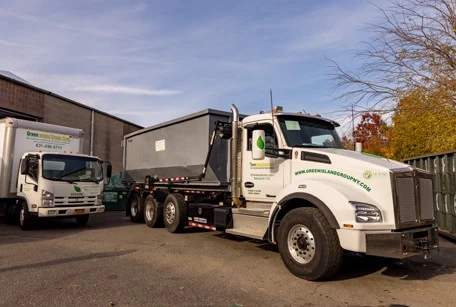
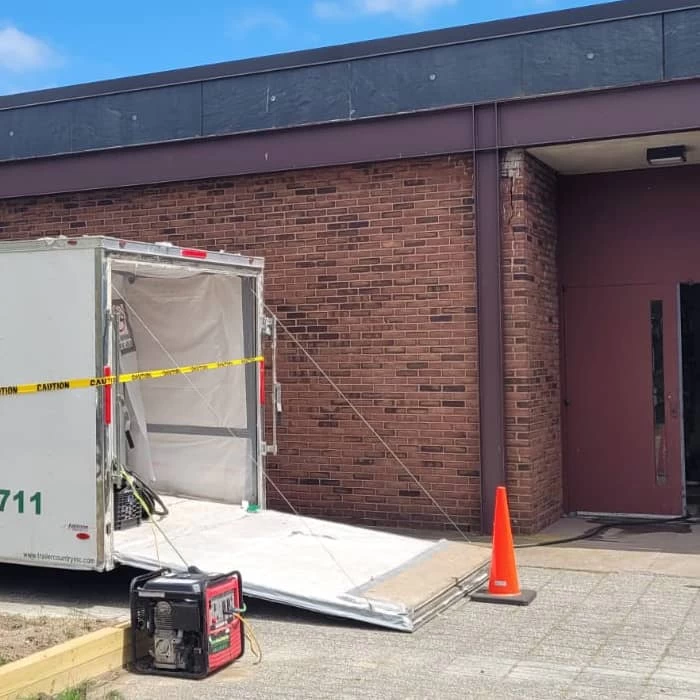
The first thing that happens when you call is dispatch. We respond to Springfield Gardens flooded basement calls 24/7, with documented arrival times under an hour. When our team arrives, the priority is stopping the damage from getting worse that means identifying the water source, extracting standing water with industrial-grade equipment, and assessing what category of water you’re dealing with. Clean water from a burst pipe is handled differently than black water from a sewer backup, which is a real scenario in Springfield Gardens given the neighborhood’s documented history of storm sewer overflow during heavy rain.
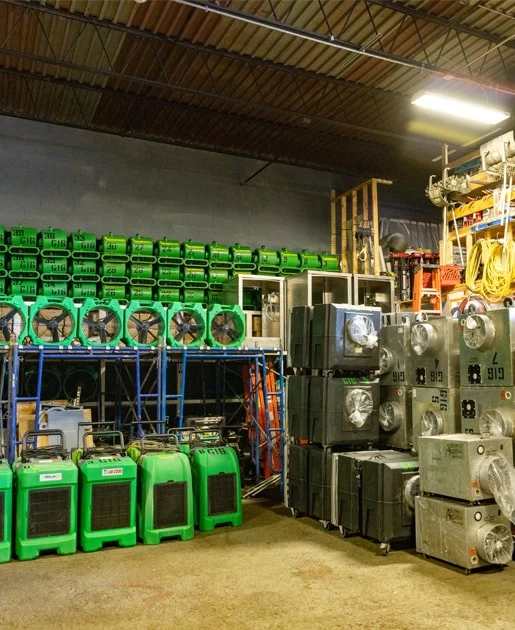
Once the water is out, the drying process starts. This isn’t just running a fan it’s thermal imaging to find moisture hidden inside walls and subfloors, industrial dehumidifiers, and air movers positioned based on the specific layout of your basement. In older Springfield Gardens homes, this step is especially important because plaster walls and older insulation hold moisture in ways that look dry on the surface but aren’t.
From there, we assess for mold, handle any hazardous material concerns if asbestos or lead is present, and move into remediation and reconstruction. In New York State, mold remediation requires a licensed contractor we hold that NYS DOL license, which also matters when you’re filing an insurance claim and your insurer asks for documentation.
Basement Water Damage Restoration in Springfield Gardens, NY
What's Actually Included When We Handle Your Springfield Gardens Basement
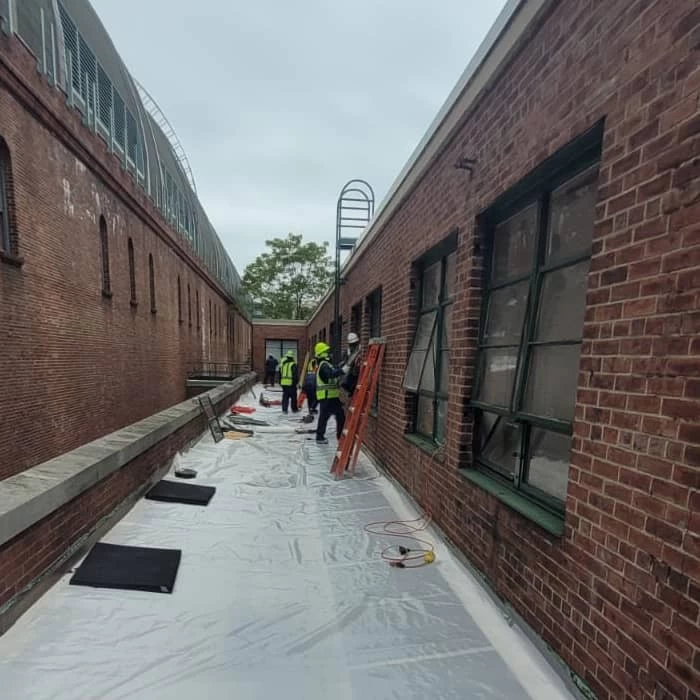
Flooded basement cleanup in Springfield Gardens isn’t a single service it’s a sequence of connected steps that have to be done right in order, by people licensed to do each one. We cover the full sequence: emergency water extraction, structural drying with thermal imaging, mold assessment and remediation, hazardous material abatement when needed, and complete basement reconstruction through a licensed NYC general contractor. You don’t get handed off to someone else halfway through.
The hazardous material piece is worth understanding if you own a pre-1978 home in Springfield Gardens which statistically describes most of the neighborhood. When floodwater saturates older pipe insulation, floor tiles, or ceiling materials, asbestos fibers can become airborne. Most water damage companies are not licensed to handle that. We hold the NYS DOL Asbestos and USEPA Lead certifications that make it legal and safe to address those materials as part of the cleanup, not as a separate problem you have to figure out on your own afterward.
We also bill insurance directly and work with your adjuster throughout the process. Given the documented cost of basement flood events in this area one Springfield Gardens resident paid $5,000 for water removal alone on top of $25,000 in total damage having a company that handles the insurance side isn’t a convenience. It’s a real financial lifeline.
Why does my Springfield Gardens basement keep flooding even after the city's sewer upgrades?
The city’s Southeast Queens infrastructure program a $2.78 billion, multi-decade initiative has made real improvements, including the completed $175 million Bluebelt project that added nine miles of storm sewers to the Springfield Gardens area. But those upgrades address street-level drainage, not what’s happening inside your property. If your home was built in the 1950s or earlier, your private sewer connection, foundation drainage, and any existing sump pump system are all aging on their own timeline independent of what the city is doing in the street.
High groundwater is also a factor that doesn’t go away with better sewers. Springfield Gardens sits within the Jamaica Bay watershed, where rising water table levels mean that during heavy rain, water can push up through foundation walls and floor joints even when the storm drain outside is working. If your basement floods repeatedly, the source is likely a combination of factors and a proper assessment will tell you which ones are driving it.
How quickly does mold start growing after a basement flood, and why does it matter?
Mold can begin colonizing within 24 to 48 hours of water intrusion. After 72 hours without professional treatment, you’re typically looking at an additional $2,000 to $8,000 in remediation costs on top of whatever the cleanup itself runs. In Springfield Gardens specifically, this matters because many homes have plaster walls, older wood framing, and insulation that can stay damp inside even when the surface looks dry. Standard visual inspection misses this. Thermal imaging during the drying process is how you catch hidden moisture before it becomes a mold problem three weeks later and it’s a standard part of how we approach every job, not an add-on.
Does homeowners insurance cover flooded basement cleanup in Queens, NY?
It depends on what caused the flooding, and this is one of the most common points of confusion homeowners face. Standard homeowners insurance typically covers sudden, internal water damage a burst pipe, a failed water heater, a washing machine overflow. What it generally does not cover is flooding that originates outside your home, like storm sewer backup or groundwater intrusion. That type of coverage usually requires a separate flood insurance policy, and properties in certain parts of southeast Queens near Jamaica Bay may carry FEMA flood map designations that affect what’s available to you.
We don’t expect you to figure this out alone while also managing a flooded basement. We bill insurance companies directly and communicate with adjusters on your behalf. If there’s a coverage question, we help you work through it. The goal is getting your home restored and making sure you’re not paying more out of pocket than you have to.
My Springfield Gardens home was built in the 1950s could my flooded basement contain asbestos or lead?
Yes, and it’s worth taking seriously. Homes built before 1978 which covers the vast majority of Springfield Gardens’s housing stock commonly contain asbestos in pipe insulation, floor tiles, ceiling tiles, and joint compound. Lead paint is also standard in homes of that era. Under normal conditions, these materials aren’t an immediate hazard. But when a basement floods, materials that were previously intact can become saturated, disturbed, or damaged and that’s when fibers and particles can become airborne.
Most water damage cleanup companies are not licensed to handle asbestos or lead. They’ll extract the water and dry the space, but if they disturb a contaminated material in the process, that’s a problem they’re not equipped to address and may not tell you about. We hold NYS DOL Asbestos and USEPA Lead certifications, which means we assess for these materials before work begins and handle them properly if they’re present. In a neighborhood like Springfield Gardens, that’s not an edge case. It’s a routine part of the job.
What's the difference between water extraction and full basement flooding remediation?
Water extraction is the first step getting the standing water out. Remediation is everything that comes after: structural drying, mold assessment, hazardous material handling, and ultimately restoring the space to a safe, livable condition. A lot of companies do the first part and stop there, which leaves you with a basement that looks dry but may have moisture trapped inside walls, mold beginning to grow in cavities you can’t see, and structural materials that were never properly treated.
Full basement flooding remediation means the job isn’t done until the space is genuinely safe and dry confirmed with moisture meters and thermal imaging, not just a visual check. It also means that if mold is found, it’s remediated by a NYS DOL-licensed contractor, which is a legal requirement in New York State. And if reconstruction is needed new drywall, flooring, or structural repairs a licensed general contractor handles that too, rather than leaving you to find someone else to finish the job.
Is sewage backup cleanup different from regular basement water cleanup in Springfield Gardens?
Significantly different, and Springfield Gardens residents are more likely to face this than most. The neighborhood has a documented history of storm sewer overflow during heavy rainfall a direct result of the area’s historically undersized stormwater infrastructure. When the system gets overwhelmed, sewage can flow backward through floor drains, toilets, and utility connections into your basement. This is classified as black water, the most hazardous category of contamination, containing bacteria, viruses, and pathogens that pose real health risks.
Cleaning up black water isn’t the same as pumping out rainwater. It requires proper PPE, specific disinfection protocols, and hazardous waste disposal procedures that comply with NYS, NYC, and USEPA regulations. Surfaces that came into contact with sewage can’t just be dried they have to be properly decontaminated or removed. We have dedicated sewage backup cleanup protocols and the licensing to handle it correctly. If you’re not sure what type of water entered your basement, that’s one of the first things we assess when the team arrives.