Sunnyside's Pre-War Basements Need More Than a Wet Vac
When your basement floods in Sunnyside, the clock starts immediately and in buildings that predate World War II, what’s behind those walls matters just as much as what’s on the floor. We handle flooded basement cleanup the right way, from the first call to the finished space.
I needed a professional consultation explanation of procedure for safe removal of Asbestos in my apartment complex. Without having an account yet, I was very impressed with the caring, knowledgeable and generous advice offered by Jessica, and will look forward to doing business in the future. Thank you so much! I feel much more informed about a sometimes scary endeavor. Peace. Nancy Silva Mineola, NY.
Mia Munoz
Used this company to clean up some water flood in my house. They were fast and easy to work with.very professional, Would recommend to anyone!
Nini Valle
Great company, had a flood and they responded quickly and efficiently. Billed my insurance company directly. I highly recommend this company!
joe colapietro, jr
I had pipe freeze in my basement right before a snow storm and they made to within an hour to help start the clean up process. They we by our side throughout the entire process and even helped with the insurance company. They did such a great job with the cleanup, repair, remidiation, I contracted them to perform the repairs and finishes in the basement. They came with enough manpower and material to get the job done. Leo and Jessica were nothing but a pleasure to deal with!!
Cristian Arredondo c
I had some water damage in my home and Green Island was able to take care of my issue quickly and effectively. I am very pleased with the work they did. They responded quickly and were very professional.
Michael M
Outstanding service! From the office to the field crew everyone was friendly, helpful and responsive. I highly recommend Green Island Group.
The water gets removed. That part is straightforward. What most homeowners don’t realize until it’s too late is that the real damage the mold, the structural deterioration, the air quality problems happens in the days after the flood, not during it. Getting the visible water out is step one. Making sure the moisture hiding inside 80-year-old masonry walls is gone too? That’s what actually protects your home.
Sunnyside’s housing stock is older than most people stop to think about. Over a third of homes here were built before 1940, and the median construction year sits around 1947. That means aging foundation waterproofing, original drainage systems, and basement walls that absorb and hold moisture far longer than modern construction does. A thorough drying process in a pre-war Sunnyside building looks different than it does in a newer structure it takes longer, it requires more monitoring, and it demands equipment that actually reaches the moisture inside the masonry, not just on the surface.
Then there’s the sewer backup reality. Sunnyside sits on New York City’s combined sewer system, where stormwater and sewage run through the same pipes. During heavy rain the kind Sunnyside has seen repeatedly since Hurricane Ida hit Skillman Avenue in 2021 that system backs up through basement floor drains. That’s not a water problem anymore. That’s a contamination problem. When the cleanup is done correctly, you’re not just drying a floor. You’re restoring a safe, livable space.
We’ve been serving the Sunnyside market through real events not hypothetical ones. When Ida’s remnants flooded basements across Sunnyside and left business owners along Skillman Avenue counting losses, the calls came in fast. That kind of experience shapes how we operate. We’ve learned what these buildings actually contain, how the city’s sewer system behaves under pressure, and what it takes to do this work legally and completely in New York.
The credentials matter here because New York State requires them. The NYS Department of Labor Mold License isn’t optional it’s the law. The USEPA Lead and RRP certifications aren’t a bonus they’re required for any work that disturbs painted surfaces in pre-1978 housing, which describes nearly every basement in Sunnyside. We hold the NYC General Contractor license, IICRC Water/Fire Damage Certification, and NYS DOL Asbestos License the full set of credentials that allows us to legally handle what a Sunnyside basement flood actually reveals, not just what it looks like on the surface.
We operate 24 hours a day, seven days a week, and bill insurance directly. One call, one company, from emergency extraction to finished reconstruction.
Basement Flooding Remediation Process Sunnyside, NY
From the First Call to a Dry, Certified Basement
It starts the moment you call. Our documented response time is under one hour confirmed by real customers, not a marketing line. In Sunnyside, where a summer storm can go from heavy rain to a flooded basement in under thirty minutes, that response window is the difference between a manageable cleanup and a mold remediation project that runs for weeks.
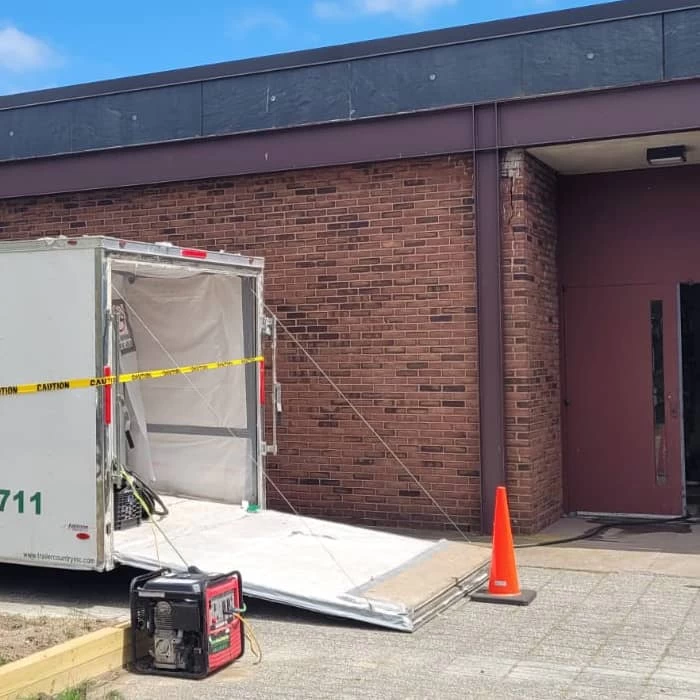
When we arrive, the first priority is assessing what you’re actually dealing with. Is this clean water from a burst pipe, or is there sewage involved from a combined sewer backup? That determination changes everything the equipment we use, the disposal protocols we follow, and the safety precautions our team takes. In Sunnyside’s pre-war buildings, the assessment also includes checking for asbestos pipe insulation and lead-based paint in the affected area before any demolition or material removal begins. This isn’t extra caution it’s a legal requirement, and it protects your family.
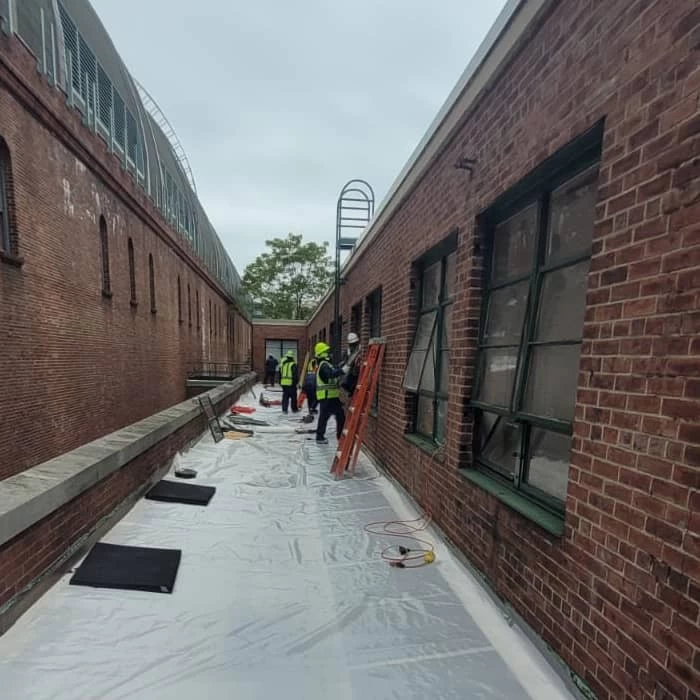
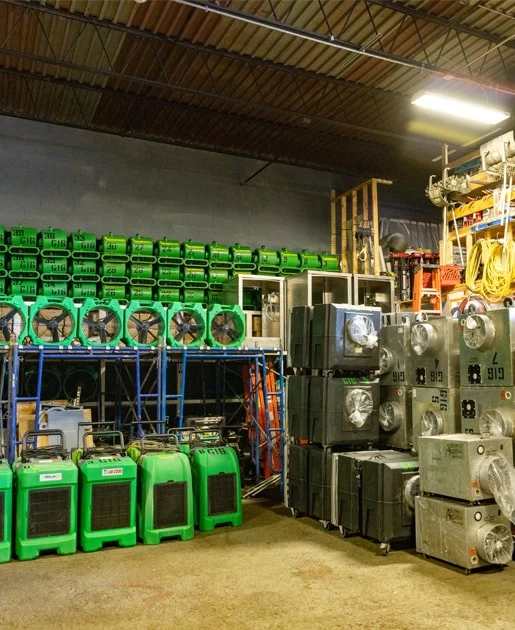
From there, the process moves through water extraction, structural drying with industrial equipment, and continuous moisture monitoring using thermal imaging to find what’s hiding inside walls and under floors. Once the space is certified dry with documented moisture readings, not just a visual check we apply mold prevention treatment and, where needed, complete full reconstruction. If your building is within the Sunnyside Gardens Historic District, we account for Landmarks Preservation Commission requirements before any exterior or structural work begins. Nothing gets skipped because it’s inconvenient.
Built for What Sunnyside Basements Actually Contain
A flooded basement cleanup in Sunnyside isn’t a single task it’s a sequence of licensed, documented steps that account for what these specific buildings are made of and how this neighborhood floods. Our scope covers emergency water extraction, black water and sewage decontamination, structural drying, mold prevention treatment, hazardous material handling (asbestos, lead, contaminated waste), content restoration, and complete structural reconstruction when needed. That full arc matters because most restoration companies stop at mitigation and hand you off to a separate contractor for the rebuild. We stay with you from start to finish.
For Sunnyside’s co-op and condo owners, we provide direct insurance billing and hands-on adjuster communication. The documentation we produce moisture readings, before-and-after photos, certified drying records is built to satisfy what NYC insurance carriers and co-op board managing agents actually require to process a claim. If your building’s master policy and your individual HO-6 policy overlap, we understand how to navigate that.
For owners of rowhouses in the Sunnyside Gardens Historic District, we adapt the process to meet NYC Landmarks Preservation Commission requirements. Any work touching foundation walls, drainage systems, or structural elements in a designated building requires that awareness from the start not as an afterthought when a violation notice arrives. We hold the NYC General Contractor license required to perform reconstruction work in the five boroughs and bring the regulatory knowledge to keep your landmarked property compliant throughout the entire restoration.
Does basement flooding in Sunnyside usually involve sewage contamination?
More often than people expect, yes. Sunnyside is served by New York City’s combined sewer system, which means stormwater and sewage share the same underground pipes. When heavy rainfall overwhelms the system’s capacity which happens during the intense summer storms that have hit western Queens repeatedly in recent years sewage backs up through basement floor drains. What looks like a water problem is actually a black water contamination event, which carries dangerous bacteria and pathogens.
This distinction matters a lot for how the cleanup is handled. Black water requires licensed hazardous waste protocols, specific disposal procedures regulated by the NYC Department of Environmental Protection, and a higher level of personal protective equipment for the crew. It also changes the scope of what needs to be sanitized and treated before the space is safe to use again. If your basement flooded during or after a heavy rainstorm in Sunnyside, there’s a real chance sewage was involved and the cleanup needs to reflect that, not ignore it.
How quickly does mold start growing after a basement flood?
Mold can begin establishing colonies within 24 to 48 hours of a flood event. By 72 hours, you’re likely looking at active growth in areas that weren’t fully dried and in Sunnyside’s older masonry buildings, moisture doesn’t just sit on the surface. It absorbs into brick, plaster, and original foundation materials, creating hidden pockets that stay wet long after the floor looks dry. Waiting to call, or using inadequate drying equipment, leaves those pockets untouched.
The practical cost of waiting is significant. Addressing mold remediation after it’s established adds anywhere from $2,000 to $8,000 or more to the total project cost, depending on how far it spreads. Sunnyside’s warm, humid summers the same conditions that drive the intense storms that cause basement flooding here accelerate mold growth faster than you’d see in cooler climates. The combination of standing water, heat, and pre-war masonry that holds moisture longer than modern materials makes fast, professional response more than a convenience. It’s the difference between a cleanup and a full remediation project.
Does my homeowners or co-op insurance cover flooded basement cleanup in NYC?
It depends on the source of the water, and this is where a lot of Sunnyside homeowners get caught off guard. Standard homeowners insurance and co-op HO-6 policies typically cover sudden and accidental water damage a burst pipe, for example but they often exclude flooding from external sources like storm surge or surface water. Sewer backup coverage is sometimes included, sometimes sold as a separate rider, and frequently misunderstood until a claim is filed.
For Sunnyside’s co-op owners specifically, there’s an additional layer of complexity. The building’s master policy covers the structure and common areas, while your individual HO-6 covers your unit and personal property. When a basement flood affects both shared infrastructure and individual storage units, the question of which policy responds and for what can get contentious quickly. We bill insurance directly and communicate with adjusters throughout the process, creating the documentation that both carriers and co-op managing agents need to process claims without unnecessary delays or disputes.
My Sunnyside home was built in the 1930s does that change the cleanup process?
It does, in a few important ways. Homes built in the 1930s and Sunnyside has a lot of them, with over 36% of the neighborhood’s housing stock predating 1940 commonly contain asbestos pipe insulation in basement mechanical spaces and lead-based paint on walls, trim, and structural elements. When a flood damages those materials or a cleanup crew disturbs them, specific legal requirements kick in that don’t apply to newer construction.
New York State requires that any professional performing mold assessment or remediation hold an active NYS DOL Mold License. The EPA’s Lead Renovation, Repair, and Painting Rule requires that contractors working in pre-1978 housing hold USEPA Lead and RRP certification before disturbing painted surfaces. Asbestos work requires a separate NYS DOL Asbestos License. We hold all of these credentials. Many companies advertising flooded basement cleanup in Queens do not which means they’re either skipping required steps or doing the work illegally. In a pre-war Sunnyside home, asking about these specific licenses before hiring anyone is the right move.
How long does flooded basement cleanup actually take from start to finish?
The emergency phase water extraction and initial drying setup typically happens within the first few hours after we arrive. The structural drying process that follows usually runs three to five days, depending on how much moisture was absorbed into the building materials and how the space is ventilated. In Sunnyside’s pre-war masonry construction, that timeline can run longer than it would in a newer building, because brick and plaster hold moisture differently than drywall and framing lumber do.
After the space is certified dry confirmed with documented moisture readings, not just a visual walkthrough we apply mold prevention treatment and assess any damaged materials for repair or replacement. If reconstruction is needed, that timeline depends on the scope: replacing a damaged floor is a different project than rebuilding a finished basement that took on several inches of contaminated water. The key variable is how quickly the process starts. Every day of delay extends the drying timeline, increases the likelihood of mold, and adds to the total cost. For most Sunnyside homeowners, calling immediately after the flooding stops is the decision that keeps the project manageable.
Is a flooded basement in Sunnyside Gardens handled any differently than the rest of the neighborhood?
For the water extraction and interior drying, the process is largely the same. Where it gets different is when the restoration work touches anything structural or exterior. Sunnyside Gardens is a designated NYC Landmarks Historic District the 77-acre planned community of brick rowhouses built between 1924 and 1928 is protected under the NYC Landmarks Preservation Commission. Any work on foundation walls, exterior drainage systems, or structural elements visible from the street requires LPC compliance, and a contractor who isn’t aware of that can inadvertently create a violation during what should be a routine restoration.
This matters practically because post-flood work in these rowhouses often does involve foundation-level repairs repointing mortar, addressing drainage at the base of exterior walls, or replacing deteriorated waterproofing. If that work is done without proper awareness of the Landmarks requirements, you’re looking at a potential stop-work order and the cost of undoing and redoing the repair. We hold NYC General Contractor licensure and understand the regulatory environment that applies specifically to properties in the Sunnyside Gardens Historic District. That knowledge is built into how we plan the scope from the start, not discovered partway through the job.