When Your Water Mill Basement Floods, Every Hour Counts
Water Mill properties face real flood risk from Mecox Bay’s tidal reach to frozen pipes in unoccupied winter estates. We respond 24/7 with licensed flooded basement cleanup before the damage compounds.
I needed a professional consultation explanation of procedure for safe removal of Asbestos in my apartment complex. Without having an account yet, I was very impressed with the caring, knowledgeable and generous advice offered by Jessica, and will look forward to doing business in the future. Thank you so much! I feel much more informed about a sometimes scary endeavor. Peace. Nancy Silva Mineola, NY.
Mia Munoz
Used this company to clean up some water flood in my house. They were fast and easy to work with.very professional, Would recommend to anyone!
Nini Valle
Great company, had a flood and they responded quickly and efficiently. Billed my insurance company directly. I highly recommend this company!
joe colapietro, jr
I had pipe freeze in my basement right before a snow storm and they made to within an hour to help start the clean up process. They we by our side throughout the entire process and even helped with the insurance company. They did such a great job with the cleanup, repair, remidiation, I contracted them to perform the repairs and finishes in the basement. They came with enough manpower and material to get the job done. Leo and Jessica were nothing but a pleasure to deal with!!
Cristian Arredondo c
I had some water damage in my home and Green Island was able to take care of my issue quickly and effectively. I am very pleased with the work they did. They responded quickly and were very professional.
Michael M
Outstanding service! From the office to the field crew everyone was friendly, helpful and responsive. I highly recommend Green Island Group.
The moment water enters your Water Mill basement, a clock starts. Mold can begin colonizing within 24 to 48 hours and in Water Mill’s coastal humidity, that window can feel even shorter. What you want on the other side of this is simple: a basement that’s fully dry, structurally sound, and cleared of anything that could quietly grow into a bigger problem after the crew leaves.
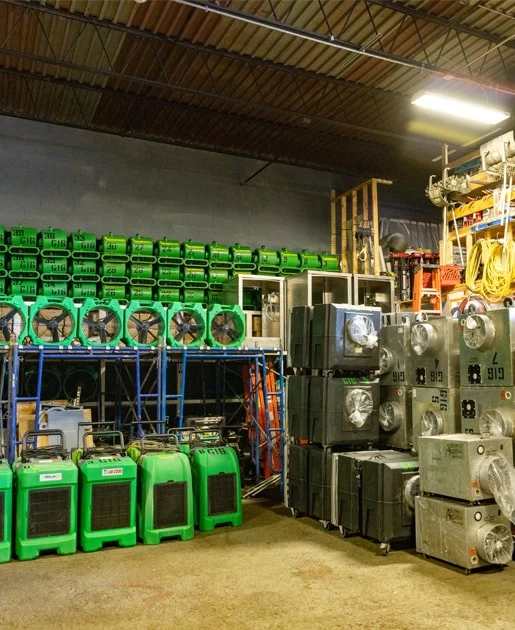
For properties south of Route 27 where oceanfront and bay-front estates sit close to Mecox Bay’s tidal fingers flooding isn’t always a dramatic event. Sometimes it’s slow groundwater rise after a heavy storm, or a sump pump that gave out overnight. Either way, the result is the same: saturated framing, soaked insulation, and building materials that hold moisture long after the visible water is gone. Our industrial drying equipment pulls that hidden moisture out. Consumer fans don’t.
If your Water Mill property is a seasonal home, the stakes are higher than most. A pipe that bursts in February while you’re in the city can flood a finished lower level for days before anyone notices. The longer that water sits, the more it costs to fix and the more complicated your insurance claim becomes. Getting our licensed team on-site fast is what keeps a manageable situation from becoming a six-figure restoration.
State-Vetted, Fully Licensed, and Accountable by Name
Green Island Group is an approved emergency response contractor through the New York State Office of General Services a credential that isn’t self-declared, it’s publicly verifiable. That means the State of New York has reviewed our licensing, insurance, and track record and put us on the approved list. Not many companies serving Water Mill and the broader Hamptons corridor can say that.
CEO Jessica Dussan and VP Leo Torres are named in independent customer reviews not because it’s a talking point, but because we’re genuinely involved in how jobs get handled. With over 5,000 completed restoration projects across New York State and more than 12 years in operation, this isn’t a company figuring things out on your Water Mill property.
We hold a Suffolk County General Contractor license, NYS DOL Mold and Asbestos certifications, USEPA Lead and RRP credentials, and we’re certified by New York State as both a Minority Business Enterprise and a Woman-Owned Business Enterprise. We serve Water Mill, Bridgehampton, and the full Southampton Town area, and we understand what flooding looks like in this specific part of Long Island from the seasonal estates along Mecox Lane to the historic properties inland.
When you call, you reach someone who can actually help not a call center routing your job to whoever’s available. We start with a rapid assessment: how much water, what category it falls under (clean water from a burst pipe, gray water from an appliance, or black water from a sewage backup or storm surge), and what’s at immediate risk. That categorization matters because it determines how the cleanup is handled and how your insurance claim gets documented.
Once on-site, we extract standing water first, then move into structural drying using industrial-grade dehumidifiers and air movers. This isn’t a one-day job you check off and walk away from moisture monitoring continues throughout the drying phase to confirm that walls, subfloors, and framing have reached safe levels. In Water Mill’s coastal environment, where ambient humidity is higher than inland Suffolk County, that monitoring phase is especially important. Cutting it short is how mold problems start.
If the flooding disturbed walls, insulation, or flooring in an older structure and Water Mill has its share of historic farmhouses and pre-1980 construction alongside the newer estates we’re licensed to identify and handle asbestos-containing materials and lead paint as part of the same scope. You don’t need to bring in a separate abatement contractor. Any restoration work requiring Southampton Town Building Department permits gets handled in compliance with local requirements, and we document everything for your insurance carrier from start to finish.
Full-Scope Cleanup Built for High-Value Water Mill Properties
A flooded basement in Water Mill isn’t a standard job. The properties here many of them valued well above $5 million often have finished lower levels with custom materials, wine cellars, home theaters, and mechanical systems that represent significant value on their own. The cleanup and restoration process has to match that reality, and that means having a contractor who can handle every phase without subcontracting.
We cover water extraction, structural drying, moisture monitoring, antimicrobial treatment, material removal, and complete mold prevention under one contract. If reconstruction is needed drywall, flooring, framing, or high-end finishes our Suffolk County General Contractor license covers that too. For Water Mill properties near Mecox Bay or along the Flying Point Road corridor that face both homeowners and flood insurance claims simultaneously, we document damage for both policy types and bill your insurance company directly. That’s confirmed by independent customer reviews, not just a line on a website.
We also understand the seasonal vacancy dynamic that’s common in Water Mill. If your property sits unoccupied from fall through spring, and flooding occurs during that window, your policy may include vacancy provisions that complicate the claim. We know how to document those situations accurately so your adjuster has what they need. From the first call to the final inspection, you have one point of contact and a licensed team that doesn’t hand off your job to someone else.
Does homeowners insurance cover a flooded basement in Water Mill, NY?
It depends on what caused the flooding. Standard homeowners insurance typically covers sudden and accidental water damage a burst pipe, a failed appliance, or an overflowing fixture. What it generally does not cover is flooding from an external source, like storm surge from a nor’easter or water backing up from Mecox Bay during a coastal event. That type of flooding falls under a separate flood insurance policy, either through the National Flood Insurance Program or a private carrier.
For Water Mill properties, this distinction matters more than it does in most of Suffolk County. A significant number of parcels south of Route 27 sit in or near FEMA Special Flood Hazard Areas given the proximity to the Atlantic Ocean and Mecox Bay’s tidal reach. If your property carries both a homeowners policy and a flood policy, the documentation requirements for each claim are different. We handle both we know how to photograph, report, and present damage in a way that supports whichever claim type applies to your specific situation.
How fast does mold grow after a basement floods in Water Mill?
Mold can begin to colonize within 24 to 48 hours of a flooding event under the right conditions and Water Mill’s coastal environment creates some of those conditions naturally. High ambient humidity during the summer season, warm temperatures, and saturated building materials in a below-grade space are a combination that accelerates mold growth. The 48-hour window that restoration professionals reference is a national benchmark; in Water Mill’s humid coastal setting, you don’t want to treat it as a comfortable deadline.
What makes this especially relevant for Water Mill is the seasonal home scenario. If your property floods while it’s unoccupied and the water sits for several days before anyone notices, you’re not dealing with a 48-hour window anymore you’re dealing with an established mold situation that requires full remediation, not just drying. That’s a meaningfully different scope of work and a meaningfully different cost. Getting our licensed team on-site as fast as possible even if you’re calling from Manhattan is the most effective way to keep the situation contained.
What should I do first if I discover my Water Mill basement is flooded?
Before you do anything else, make sure the area is safe to enter. If there’s any chance the water has reached electrical outlets, panels, or appliances, don’t go in until the power to that area has been shut off. If the flooding appears to involve sewage from a backup or a storm event treat the water as a health hazard and stay out until a professional can assess it.
Once safety is confirmed, call a licensed restoration contractor immediately. Don’t wait to see if it dries on its own, and don’t rely on household fans or a wet-vac to handle more than a very minor amount of water. The visible water is only part of the problem moisture that’s absorbed into framing, insulation, and subfloors is what causes long-term structural damage and mold. Document everything with photos and video before any cleanup begins, because your insurance carrier will need that documentation. If your property is managed by an estate manager or caretaker, make sure they have a direct line to a contractor who can respond immediately not just during business hours.
My Water Mill home is a seasonal property am I still covered if it floods in winter?
Possibly, but this is a real risk that seasonal homeowners in Water Mill need to understand before a loss happens, not after. Many standard homeowners policies include a vacancy or unoccupancy clause typically triggered after 30 or 60 consecutive days without occupancy that can limit or exclude coverage for certain types of damage, including burst pipes. If your Water Mill property sits empty from November through April and a pipe freezes and bursts, your claim could be denied or significantly reduced depending on how your policy is written.
The best thing you can do before the off-season starts is review your policy with your agent specifically for vacancy provisions, and make sure your property has adequate winterization maintained heat, insulated pipes, and a working monitoring system that alerts you or your property manager if temperatures drop or water is detected. If a loss does occur in an unoccupied property, thorough documentation of when the damage happened and what caused it becomes critical. We’ve handled these situations and know how to present the claim in a way that gives you the best chance of a fair outcome.
How much does flooded basement cleanup typically cost in the Hamptons?
For a standard basement, professional flooded basement cleanup typically runs between $2,000 and $8,000, with most jobs landing around $5,000 depending on the size of the space, how long the water sat, and what category of water was involved. Clean water from a burst pipe is less complex and less costly to remediate than gray or black water from a sewage event or storm surge.
In Water Mill, those numbers need to be understood in context. Finished lower levels with custom flooring, built-in cabinetry, home theaters, or wine storage represent significant material value, and the restoration cost scales with what was damaged. If mold remediation is needed on top of the initial cleanup which is common when water has sat for more than 48 hours that adds to the scope. If structural repairs or high-end material replacement is required, the reconstruction phase is a separate cost. The most accurate way to understand your specific situation is to have a licensed contractor assess the damage in person, which we do before any work begins.
Do you handle the insurance claim process, or do I have to manage that myself?
We handle it directly. Green Island Group bills insurance companies directly and manages the documentation and communication with your adjuster throughout the process. That’s not something every restoration company does many will do the work and hand you a report, leaving you to navigate the claim on your own.
For Water Mill homeowners, this matters for a few specific reasons. If you’re managing the situation remotely which is common when a seasonal property floods during the off-season you don’t want to be coordinating between a contractor, an adjuster, and a property manager from a distance while also trying to understand what your policy covers. We’ve worked with both standard homeowners policies and NFIP flood insurance claims, and we know the documentation each one requires. We also understand the nuances that come with high-value Water Mill properties, where the replacement cost of damaged materials isn’t always straightforward. You get one point of contact from the initial assessment through the final sign-off, and we make sure the paperwork reflects the full scope of what happened.