I needed a professional consultation explanation of procedure for safe removal of Asbestos in my apartment complex. Without having an account yet, I was very impressed with the caring, knowledgeable and generous advice offered by Jessica, and will look forward to doing business in the future. Thank you so much! I feel much more informed about a sometimes scary endeavor. Peace. Nancy Silva Mineola, NY.
Mia Munoz
Used this company to clean up some water flood in my house. They were fast and easy to work with.very professional, Would recommend to anyone!
Nini Valle
Great company, had a flood and they responded quickly and efficiently. Billed my insurance company directly. I highly recommend this company!
joe colapietro, jr
I had pipe freeze in my basement right before a snow storm and they made to within an hour to help start the clean up process. They we by our side throughout the entire process and even helped with the insurance company. They did such a great job with the cleanup, repair, remidiation, I contracted them to perform the repairs and finishes in the basement. They came with enough manpower and material to get the job done. Leo and Jessica were nothing but a pleasure to deal with!!
Cristian Arredondo c
I had some water damage in my home and Green Island was able to take care of my issue quickly and effectively. I am very pleased with the work they did. They responded quickly and were very professional.
Michael M
Outstanding service! From the office to the field crew everyone was friendly, helpful and responsive. I highly recommend Green Island Group.
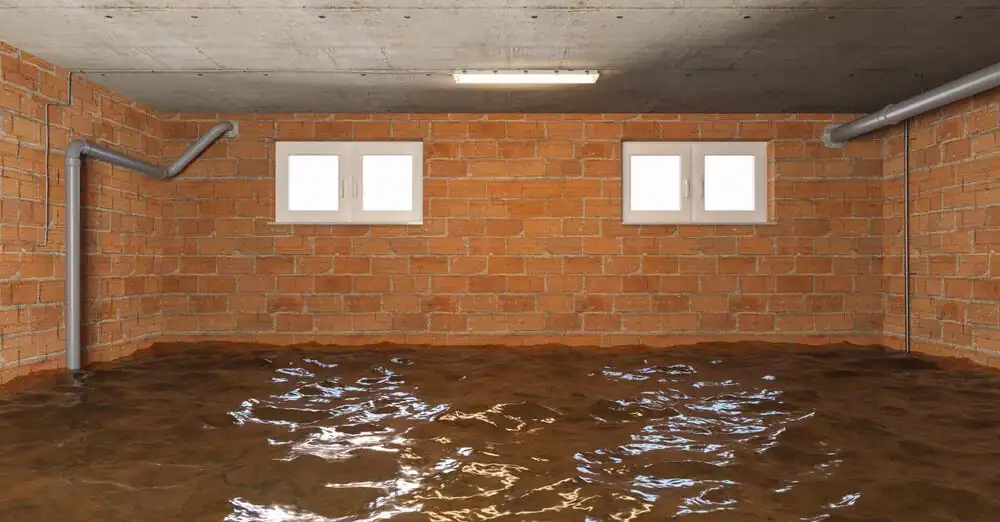
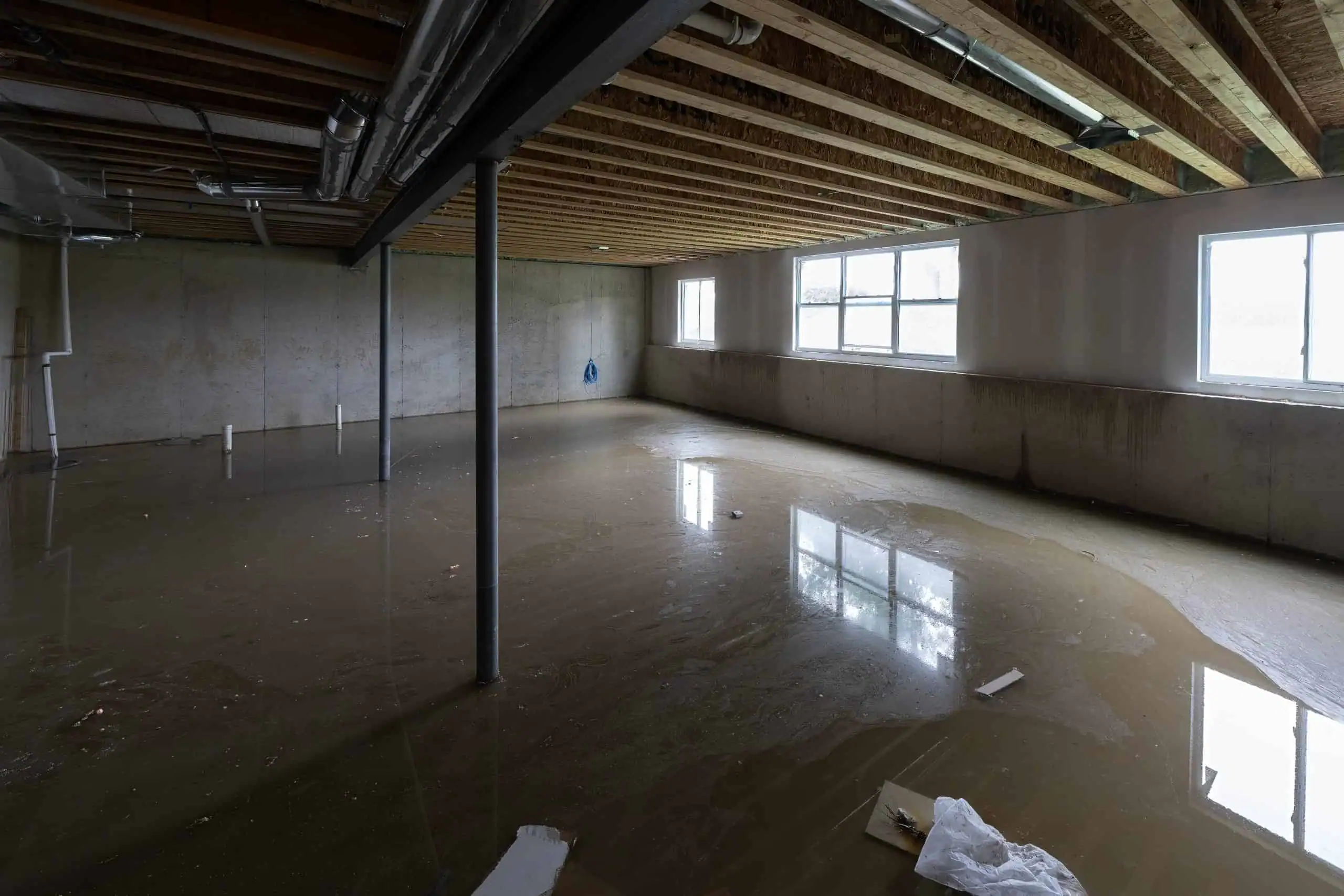
If you were in West Point or Highland Falls in July 2023, you already know what flooding looks like in this area. Route 218 turned into a river. Thayer Road was underwater. Basements across the region filled in hours, not days and a lot of the damage that followed wasn’t from the water itself. It was from what grew after the water was gone.
That’s the part most people don’t think about until they’re dealing with it. Surface drying fans, towels, a shop vac doesn’t reach the moisture trapped inside wall cavities, under flooring, and behind drywall. That hidden moisture is what feeds mold, and mold can start growing within 24 to 48 hours of a flood event. In the humid summer conditions of the Hudson Highlands, that window can feel even shorter.
What proper cleanup actually delivers is the confidence that your basement is genuinely dry not just dry on the surface. We take moisture readings to confirm it. Industrial drying equipment handles what you can’t see. And if your home was built before 1980, which describes a significant portion of the housing stock in Highland Falls and Fort Montgomery, there’s another layer to consider: disturbed flooring tiles, pipe insulation, and ceiling materials may contain asbestos. That’s a real factor in older structures, and it’s one reason a full-service approach matters more here than in newer developments.
Green Island Group has been doing environmental restoration work in New York State for over 12 years, with more than 5,000 completed projects across the region. That’s not a number built from one good season it’s the result of showing up consistently, including after the storms that hit hardest in West Point and the surrounding Hudson Highlands communities.
We’re NYS and NYC M/WBE Certified, fully insured with both liability and workers’ compensation coverage, and approved to work with the NYS Office of General Services. For residents in and around West Point a community where contractor credibility isn’t optional those aren’t just checkboxes. They’re the baseline for being taken seriously.
We offer financing up to $200,000 at 0% APR, and we bill insurance carriers directly. In a community where flood damage can arrive without warning and the cost of cleanup can catch families off guard, that combination matters. You focus on getting your home back. The paperwork gets handled.
No Guesswork Here's What the Cleanup Actually Looks Like
It starts with an assessment. Before any equipment gets moved in, we evaluate the affected area not just visually, but with moisture meters that detect water in places you can’t see. In older homes near Highland Falls and Fort Montgomery, that assessment also includes a check for materials that may require careful handling before the drying process begins.
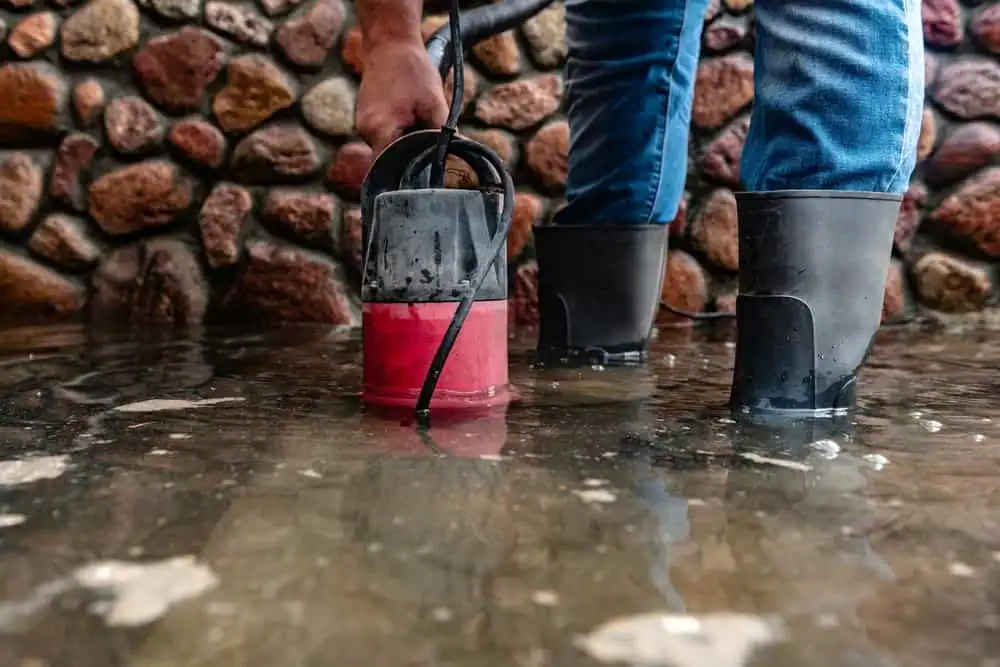
Once the scope is clear, water extraction comes first. Standing water gets removed using industrial-grade equipment, and the focus shifts immediately to structural drying walls, subfloor systems, and foundation materials that hold moisture long after the visible water is gone. Dehumidification runs continuously during this phase. The goal isn’t just a dry-looking space. It’s moisture readings that confirm the job is actually finished.
If mold is present or develops during the process, we handle remediation as part of the same scope of work not handed off to a separate contractor weeks later. The same applies to asbestos abatement if older materials are disturbed. From the first call to the final inspection, the process is designed to move quickly, because in the Hudson Highlands, the gap between a flooded basement and a mold problem is measured in hours, not weeks.
Flooded basement cleanup in West Point covers more ground than most people expect when they first call. Water extraction is the starting point, but the work that actually protects your home happens during structural drying the phase where industrial air movers and dehumidifiers pull moisture out of the building materials themselves. In the steep-terrain, high-humidity environment of the Hudson Highlands, skipping this step is how surface-dry basements become mold problems by the following week.
We handle mold remediation when it’s needed, not treating it as a separate job that requires a separate call. The same goes for sewage backup cleanup, which is a real consideration after flash flood events like the ones this area has experienced when stormwater overwhelms drainage systems and backs up into lower-level spaces, you’re dealing with Category 3 contamination that requires a different level of response than a burst pipe.
For homes in Highland Falls, Fort Montgomery, and the surrounding areas of Orange County built before 1980, we offer asbestos testing and abatement in-house. That’s not a service most restoration companies offer under one roof, and it matters when floodwater disturbs older flooring or insulation materials. We handle the full scope extraction, drying, mold, asbestos, and final restoration so you’re not coordinating three different contractors while your basement sits wet.
How fast does mold actually grow after a basement floods in West Point?
The EPA’s standard is 24 to 48 hours that’s the window between a flood event and the beginning of mold growth in a wet environment. In West Point and the surrounding Hudson Highlands area, summer humidity levels can compress that window further. When a July thunderstorm delivers several inches of rain in a matter of hours, as happened in 2023, the conditions for rapid mold development are already in place before the water even finishes draining.
The part that catches most homeowners off guard is that mold doesn’t need standing water to grow. It needs moisture and moisture hides in wall cavities, under flooring, and behind drywall long after the visible water is gone. That’s why surface drying alone isn’t enough. Professional structural drying with moisture meters confirms when the affected materials have actually reached safe levels, not just when the floor looks dry. The faster you start that process, the better your chances of avoiding a mold remediation job on top of the water damage cleanup.
Does homeowners insurance cover flooded basement cleanup in West Point, NY?
It depends on what caused the flooding and this is where a lot of West Point and Highland Falls homeowners have run into problems. Standard homeowners insurance typically covers water damage that originates inside the home: a burst pipe, a failed water heater, an overflowing appliance. What it usually does not cover is flooding that comes from outside stormwater, surface runoff, or rising groundwater. That type of damage falls under flood insurance, which is a separate policy typically issued through the National Flood Insurance Program.
After the July 2023 flash flood in West Point, many residents discovered this distinction the hard way. If you’re not sure what your policy covers, the documentation from professional cleanup moisture readings, photos, a detailed scope of work becomes critical for whatever claim you do file. We bill insurance carriers directly and help with that documentation process, which takes a significant burden off your plate when you’re already dealing with the cleanup itself. If coverage is denied or limited, we offer financing up to $200,000 at 0% APR so the work doesn’t have to wait.
What's the difference between water damage categories, and why does it matter?
Water damage is classified into three categories based on contamination level, and the category determines how the cleanup has to be handled. Category 1 is clean water a burst supply line, a leaking water heater. Category 2 is gray water, which carries some contamination think sump pump overflow or a washing machine backup. Category 3 is black water, which includes sewage, outdoor floodwater, and anything that’s mixed with contaminants from outside the home.
This matters practically because Category 3 cleanup involves a higher level of protective protocol, more thorough removal of affected materials, and proper disposal of anything that can’t be safely dried and restored. The July 2023 flooding in West Point and Highland Falls produced Category 3 conditions across much of the affected area stormwater overwhelmed drainage systems and mixed with whatever it picked up on the way in. If your basement flooded from that kind of event, or from a sewage backup after a heavy storm, the cleanup process is more involved than a standard water extraction job, and it needs to be treated that way from the start.
My West Point basement flooded from a sump pump failure where do I start?
Sump pump failure is one of the most common causes of basement flooding in this area, and it almost always happens at the worst possible moment during a heavy storm, when the pump is overwhelmed or the power goes out. Orange County has experienced multiple significant storm events in recent years, and each one creates the same scenario: pumps fail, basements fill, and homeowners are left dealing with the aftermath in the middle of the night or on a weekend.
The first thing to do is stop the source if it’s still active get the pump back online or address whatever caused the failure. After that, the priority shifts to extraction and drying as quickly as possible. The longer water sits against a basement floor or wall, the deeper it penetrates into the materials. Even a few inches of standing water from a sump pump failure can saturate a concrete block foundation wall enough to require several days of structural drying to fully resolve. Calling us the same day not after you’ve spent a day trying to manage it yourself is consistently the decision that prevents a manageable cleanup from turning into a mold remediation job.
How long does professional flooded basement cleanup actually take to complete?
The extraction itself removing standing water typically takes a few hours depending on the volume. The part that takes longer is structural drying, which usually runs three to five days for a standard basement with moderate water intrusion. More significant flooding, or cases where water has been sitting for an extended period, can extend that timeline. The drying phase isn’t something you can rush by opening windows and running a box fan it requires industrial dehumidifiers and air movers running continuously, with moisture readings taken throughout to track progress.
If mold remediation is needed, that adds time to the overall scope. If the home has pre-1980 materials that require asbestos testing before certain work can proceed, that’s factored into the timeline as well. For residents in West Point and the surrounding areas of the Town of Highlands, where older housing stock is common, it’s worth asking upfront whether the company you’re calling can handle all of that in one engagement or whether you’ll be coordinating multiple contractors and waiting on scheduling gaps between them.
Can Green Island Group work on properties at or near West Point given the military installation access requirements?
For work on privately owned or rented properties in Highland Falls, Fort Montgomery, and the surrounding civilian areas of the Town of Highlands, there are no installation-specific access requirements standard Orange County residential contractor protocols apply. We carry full liability and workers’ compensation insurance, hold NYS M/WBE Certification, and are an approved contractor with the NYS Office of General Services, which reflects the kind of credential verification that matters in communities adjacent to federal installations.
For any work that may involve on-post housing managed by West Point Family Homes, the process depends on the specific circumstances and whether the work is being coordinated through the housing management company or initiated independently by the resident. The short answer is that our licensing, insurance, and government contractor status put us in a strong position to meet the documentation requirements that come with working in or near a federally managed environment. If you’re unsure about your specific situation whether you’re in on-post housing or just down the road in Highland Falls a direct call is the fastest way to get a straight answer.