Williston Park's Old Homes Don't Forgive Slow Responses
When your basement floods in a 1930s Williston Park home, every hour counts — and we’re available 24/7 to stop the damage before it becomes a much bigger problem.
I needed a professional consultation explanation of procedure for safe removal of Asbestos in my apartment complex. Without having an account yet, I was very impressed with the caring, knowledgeable and generous advice offered by Jessica, and will look forward to doing business in the future. Thank you so much! I feel much more informed about a sometimes scary endeavor. Peace. Nancy Silva Mineola, NY.
Mia Munoz
Used this company to clean up some water flood in my house. They were fast and easy to work with.very professional, Would recommend to anyone!
Nini Valle
Great company, had a flood and they responded quickly and efficiently. Billed my insurance company directly. I highly recommend this company!
joe colapietro, jr
I had pipe freeze in my basement right before a snow storm and they made to within an hour to help start the clean up process. They we by our side throughout the entire process and even helped with the insurance company. They did such a great job with the cleanup, repair, remidiation, I contracted them to perform the repairs and finishes in the basement. They came with enough manpower and material to get the job done. Leo and Jessica were nothing but a pleasure to deal with!!
Cristian Arredondo c
I had some water damage in my home and Green Island was able to take care of my issue quickly and effectively. I am very pleased with the work they did. They responded quickly and were very professional.
Michael M
Outstanding service! From the office to the field crew everyone was friendly, helpful and responsive. I highly recommend Green Island Group.
When water gets into your basement, the visible mess is actually the easy part. What you can’t see — moisture locked inside plaster walls, absorbed into original wood framing, sitting beneath old hardwood floors — is what causes the real damage. In a Williston Park home built in the 1920s or 1930s, those materials soak up water fast and hold onto it long after the floor looks dry. That hidden moisture is what feeds mold, and mold doesn’t wait for a convenient time to show up.
The 72-hour window is real. After that point, mold can take hold in ways that turn a manageable cleanup into a much more expensive remediation project. Williston Park sits in Nassau County’s naturally high water table zone, which means your basement can flood from groundwater pressure alone — not just from a storm hitting your property directly. When the ground is saturated after a heavy spring rain or a nor’easter, that pressure pushes against your foundation from the outside. Older foundations, which describes virtually every home in this village, develop cracks and porous spots over decades that give water exactly the opening it needs.
Getting this handled right means more than extracting water and running a fan. It means confirming that moisture is gone from every surface — not just the ones you can see — and that your home is documented as clean and dry. For a Williston Park home worth over $700,000, with property taxes pushing $10,000 a year, that documentation is part of protecting the investment you’ve already made.
Licensed for Every Problem Your Williston Park Basement Can Hide
We’re based right here in Williston Park, NY — not a regional franchise routing calls from somewhere else. That matters because response time matters, and so does knowing the area we’re working in. The homes here, from the residential streets between Hillside Avenue and the East Williston border, were built in an era when asbestos floor tiles, lead paint, and materials that predate modern construction standards were the norm. That’s not a footnote — it’s the reality of almost every basement in this village.
We hold the NYS DOL Mold License, NYS DOL Asbestos License, USEPA Lead and RRP certifications, IICRC Water Damage certification, and a Nassau County General Contractor license. New York State legally requires the mold license for any remediation work — and most companies operating in Nassau County can’t produce it. For a pre-1978 home in Williston Park, those credentials aren’t extras. They’re what make the job legal, safe, and actually complete.
What Actually Happens From Your First Call to Final Walkthrough
When you call, you’re not leaving a message for someone to call back in the morning. We answer 24/7 because basement flooding in Williston Park doesn’t follow business hours — it happens overnight during nor’easters, after a heavy summer storm overwhelms the village’s drainage system, or when a pipe bursts during a January cold snap in a basement that hasn’t been updated since the house was built. The first step is getting someone on the phone who can ask the right questions and get a crew moving.
Once on site, our priority is assessment before action. That means identifying the water source, checking for contamination — because a sewer backup in a 100-year-old system is a biohazard situation, not just a wet floor — and using moisture detection equipment to map exactly where water has traveled inside walls, under flooring, and into structural materials. In an older Williston Park home, that step is critical. Water hides in places that look fine on the surface.
From there, commercial-grade extraction equipment removes standing water, followed by industrial drying and dehumidification that runs until instruments confirm the structure is dry — not until the floor feels dry underfoot. If the assessment turns up asbestos-containing materials or lead paint disturbed by the flood, those are handled under the appropriate NYS and federal certifications before any rebuilding begins. When structural repairs are needed, permits go through the Village of Williston Park’s building department. Everything stays under one contractor, one timeline, and one point of accountability until the job is finished.
Williston Park’s housing stock is uniformly old. There’s no pocket of newer construction here — every home in the village dates to the 1920s through 1940s, which means every flooded basement cleanup in Williston Park comes with the same baseline considerations: pre-1978 materials, aging foundations, original framing, and infrastructure that wasn’t designed for the rainfall intensity Long Island sees today. Our scope of work is built around that reality, not around a generic checklist.
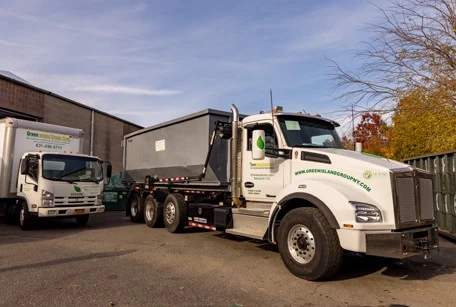
Water extraction uses truck-mounted equipment capable of removing thousands of gallons — not rental units that struggle with serious flooding. Drying and dehumidification continue until moisture readings confirm structural dryness throughout the affected area. Every job includes a full assessment for hazardous materials, because disturbing asbestos tiles or lead paint without licensed handling creates a legal and health liability for the homeowner. If sewage backup is involved — a real risk in a village with aging combined sewer infrastructure — we apply full Category 3 biohazard decontamination protocols.
When the cleanup is done and repairs are needed, our Nassau County General Contractor license means we can handle drywall, flooring, and structural work with proper permits through the village. And throughout the entire process, we assist with insurance documentation — helping you understand what your homeowners policy actually covers, what it doesn’t, and how to present the claim so nothing gets left on the table.
Does homeowners insurance cover a flooded basement in Williston Park, NY?
It depends on what caused the flooding, and this is where a lot of Williston Park homeowners get caught off guard. Standard homeowners insurance typically covers sudden, accidental water damage — a burst pipe, a failed appliance, or an overflowing washing machine. What it generally does not cover is flooding caused by groundwater, storm runoff, or a rising water table pushing through your foundation. That type of flooding requires a separate flood insurance policy, typically through FEMA’s National Flood Insurance Program.
The frustrating reality is that most homeowners discover this distinction after they’ve already filed a claim. Nassau County’s high water table means a significant portion of basement flooding in Williston Park falls into the groundwater category — which is exactly the type standard policies exclude. If you’re unsure what triggered your flooding, don’t guess before you call your carrier. We document the damage thoroughly from the start, which helps establish the cause clearly and gives you the strongest possible position when the claim is reviewed.
How fast does mold actually grow after a basement floods?
Mold can begin developing within 24 to 48 hours of a flooding event, and the EPA recommends cleanup start within that same window to prevent it from taking hold. The 72-hour mark is widely cited as the threshold after which mold growth becomes likely — but in an older Williston Park home with plaster walls, original wood framing, and moisture-absorbing construction materials throughout, that window can feel even tighter. These materials soak up water quickly and hold it in ways that newer construction doesn’t.
What makes this particularly important is that mold doesn’t always show itself right away. It can establish behind walls, under flooring, and inside structural cavities before you see or smell anything. By the time it’s visible, you’re typically dealing with a remediation project that’s significantly more involved — and more expensive — than if it had been addressed in the first 48 hours. Acting fast isn’t panic — it’s the financially rational move when you’re protecting a home worth over $700,000 in a market where buyers and inspectors will scrutinize every corner of the basement.
What's the difference between water extraction and actually drying out a basement?
Extraction and drying are two separate steps, and skipping or shortcutting the second one is one of the most common mistakes made in basement cleanup — especially in older homes. Extraction removes the standing water you can see. Drying addresses the moisture that has absorbed into walls, flooring, framing, and structural materials. In a Williston Park home built in the 1930s, that distinction is significant. Plaster walls, original wood framing, and older insulation materials hold moisture in ways that modern drywall and construction don’t.
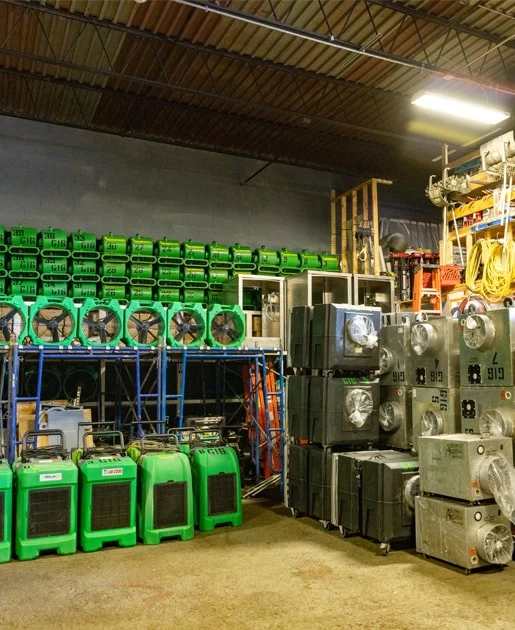
Professional drying uses industrial dehumidifiers and air movers running continuously until moisture meters confirm that every affected surface has returned to an acceptable reading. This isn’t a process you can rush by feel — you need instruments. A basement that looks and feels dry can still have moisture levels inside the walls that are high enough to sustain mold growth for weeks. We don’t call a job complete based on how the floor looks. It’s complete when the readings say it is.
My Williston Park basement smells like sewage after the storm — is that dangerous?
Yes, and it needs to be treated differently than a standard flooding event. What you’re describing is almost certainly a sewer backup — a situation where the municipal sewer line, overwhelmed by heavy rain, forces wastewater back into your home through floor drains or other low-lying openings. Williston Park’s sewer infrastructure is old, designed for a 1920s community, and not built to handle the volume of rainfall that modern storm events can produce. Backups during heavy rain are a known and recurring issue in older Nassau County villages like ours.
Sewage-contaminated water is classified as Category 3, or black water — a biological hazard that contains bacteria and pathogens that pose real health risks. You cannot treat this the same way you’d handle a burst pipe. It requires full biohazard decontamination protocols, not just extraction and drying. Do not attempt to clean it yourself, and don’t let anyone into that space without proper protective equipment. We’re licensed and equipped to handle Category 3 events from start to finish, including proper disposal and documentation.
Do I need a permit for basement repairs after water damage in Williston Park?
For most structural repairs — replacing drywall, repairing framing, restoring flooring, or addressing foundation issues — yes, you’ll need permits through the Village of Williston Park’s building department. This is true even when the work is a direct result of water damage. Skipping permits might seem like a way to move faster, but it creates real problems: insurance claims can be complicated by unpermitted work, and when you eventually sell the home, unpermitted repairs in a basement are the kind of thing that surfaces during inspection and can stall or kill a deal.
This is one of the reasons it matters to work with a contractor who holds a Nassau County General Contractor license. We handle the permitting process as part of the restoration scope — you don’t have to navigate the village’s building department on your own while also dealing with the aftermath of a flood. Everything is done legally, documented properly, and built to pass inspection. In a village where homes sell for $600,000 to well over a million dollars, that paper trail is worth protecting.
How do I know if my Williston Park home has asbestos or lead paint in the basement?
If your home was built before 1978 — which describes virtually every house in Williston Park — you should assume the presence of lead paint until a licensed assessment says otherwise. Asbestos was commonly used in floor tiles, pipe insulation, ceiling tiles, and joint compound through the 1970s, meaning homes built in the 1920s through 1940s have a high probability of containing it somewhere in the basement. You can’t identify either material by looking at it. Testing by a licensed professional is the only way to know for certain.
This matters enormously in a flooding situation because water damage disturbs materials. Wet floor tiles can release asbestos fibers. Damaged walls can expose lead paint in ways that create airborne hazards. Federal law requires that contractors working in pre-1978 homes hold USEPA Lead and RRP certification. New York State separately requires an NYS DOL Asbestos License for any asbestos-related work. We hold both. If a basement cleanup company arrives at a 1930s Williston Park home and doesn’t ask about hazardous materials before they start pulling things apart, that’s a serious red flag — for your health and your legal liability as the homeowner.