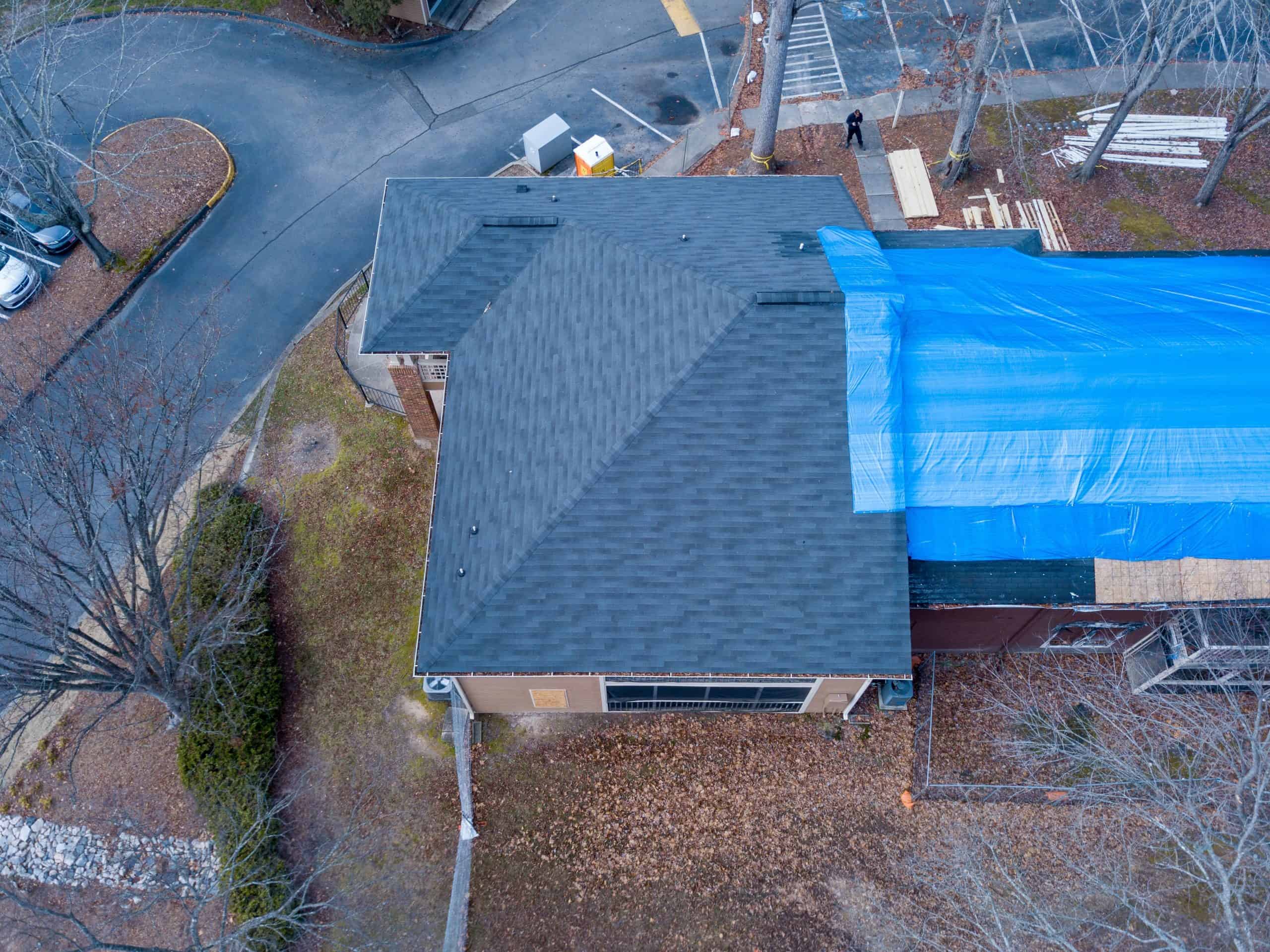
Baldwin Harbor’s waterfront charm comes with a reality most homeowners here already know — these homes are old, flood-exposed, and eventually, renovation stops making sense. We handle house demolition in Baldwin Harbor with the legal rigor and attention to detail that this neighborhood demands. No surprises. No shortcuts.
I needed a professional consultation explanation of procedure for safe removal of Asbestos in my apartment complex. Without having an account yet, I was very impressed with the caring, knowledgeable and generous advice offered by Jessica, and will look forward to doing business in the future. Thank you so much! I feel much more informed about a sometimes scary endeavor. Peace. Nancy Silva Mineola, NY.
Mia Munoz
Used this company to clean up some water flood in my house. They were fast and easy to work with.very professional, Would recommend to anyone!
Nini Valle
Great company, had a flood and they responded quickly and efficiently. Billed my insurance company directly. I highly recommend this company!
joe colapietro, jr
I had pipe freeze in my basement right before a snow storm and they made to within an hour to help start the clean up process. They we by our side throughout the entire process and even helped with the insurance company. They did such a great job with the cleanup, repair, remidiation, I contracted them to perform the repairs and finishes in the basement. They came with enough manpower and material to get the job done. Leo and Jessica were nothing but a pleasure to deal with!!
Cristian Arredondo c
I had some water damage in my home and Green Island was able to take care of my issue quickly and effectively. I am very pleased with the work they did. They responded quickly and were very professional.
Michael M
Outstanding service! From the office to the field crew everyone was friendly, helpful and responsive. I highly recommend Green Island Group.
There’s a specific kind of exhaustion that comes with holding onto a home that’s past saving. You’ve patched the foundation. You’ve dealt with the water intrusion after every major storm. You’ve gotten the estimates, and the numbers keep climbing. At some point, the smartest move isn’t another repair — it’s a clean start.
Baldwin Harbor’s housing stock was built almost entirely around 1948. That’s over 75 years of settling, aging, and in many cases, repeated flood exposure from the canal waterways and tidal systems that run through the neighborhood. Homes sitting at roughly 10 feet above sea level, with salt air accelerating deterioration and storm surges doing structural damage that doesn’t always show up right away — these aren’t just old houses. They’re houses that have been working against the environment for decades.
When we handle demolition properly, the relief is immediate. The liability is gone. The site is clean, documented, and ready. And in a market where median home values in Baldwin Harbor have hit $790,000 and are still climbing, the land you’re sitting on is worth building something new — something that actually works for the way you live now.
We’ve been doing this work across New York for over 12 years. More than 340 demolition projects completed — not estimated, not approximated. Completed. That track record covers Nassau County work specifically, including the regulatory environment under the Town of Hempstead Building Department that governs demolition in Baldwin Harbor.
Our credentials aren’t just a list. They’re what keep your project moving without stop-work orders or permit rejections. We’re EPA-certified, OSHA-certified, NYS Department of Health licensed for asbestos abatement, Nassau County licensed, and NYS/NYC M/WBE certified. When virtually every home south of Atlantic Avenue in Baldwin Harbor was built before the 1980 asbestos ban, those certifications aren’t optional — they’re the difference between a legal demolition and a costly shutdown.
Our team is reachable 24 hours a day, every day of the year. For a community that knows what a hurricane season looks like from the South Shore, that availability isn’t a selling point — it’s a practical necessity.
The first step is assessment. Before anything is scheduled, we evaluate the property — structure, age, materials, and site conditions. For most Baldwin Harbor homes, that evaluation includes asbestos testing, because the Town of Hempstead requires certified abatement to be completed before any demolition permit can be issued. We handle that testing in-house, which means no waiting on a separate contractor to clear the site before work can begin.
Once testing is complete and abatement is handled where needed, the permit application goes to the Town of Hempstead Building Department. That process also requires documented utility disconnections — water and sewer cut off at the street main — before the permit is approved. This is where projects stall when contractors aren’t familiar with Nassau County’s requirements. We’ve been through this process enough times to know what the department needs and how to keep things moving.
Demolition itself is methodical. Structural takedown, full foundation removal — all footings, slabs, and walls — debris hauling, and site cleanup. If the project involves a storm-damaged or flood-affected property, we account for moisture-compromised materials and any mold remediation that needs to happen alongside the teardown. When the job is done, the site is clean, documented, and ready for whatever comes next.
House demolition in Baldwin Harbor isn’t a single-step job, and the contractors who treat it like one are the ones who create problems. We manage the full scope — environmental testing, asbestos abatement, permit coordination with the Town of Hempstead, full structural demolition, foundation removal, debris removal, and site restoration. You’re not handed off to three different companies and left to manage the timeline yourself.
For canal-front and waterfront-adjacent properties in Baldwin Harbor, the work often involves additional considerations that a standard demolition contractor isn’t equipped to handle. Saturated soil conditions, mold from repeated flood exposure, structurally compromised framing from storm surge — these are common realities in the southern sections of this neighborhood, and they affect how we plan and execute the job. Nassau County has recorded 30 federally declared natural disasters, including 11 hurricanes. The homes that bore the brunt of those events are exactly the kind of projects we’re built to handle.
If your situation involves an insurance claim — storm damage, flood loss, or fire — we can help you navigate that process alongside the demolition work. Multiple customers have documented that support in their reviews, unprompted. It’s not a standard offering in this industry. Here, it’s part of how the job gets done.
Do I need a permit to demolish a house in Baldwin Harbor, NY?
Yes, and the permit process in Baldwin Harbor involves several steps that need to happen in a specific order. Because Baldwin Harbor falls under the Town of Hempstead’s jurisdiction, your demolition permit comes from the Town of Hempstead Building Department — not a village or city agency. Before that permit can be issued, you’ll need to show proof of contractor licensing and insurance, documented utility disconnections at the street main for both water and sewer, and completed asbestos abatement with clearance documentation if asbestos-containing materials were found during testing.
The asbestos requirement is particularly relevant in Baldwin Harbor because the median year homes here were built is 1948. Under New York State law, any structure built before 1980 requires an asbestos inspection before demolition proceeds. If asbestos is present — and in most Baldwin Harbor homes, it is somewhere — a certified abatement contractor must complete the removal and provide clearance before the demolition permit moves forward. Skipping that step doesn’t just create a regulatory problem; it can result in a stop-work order that halts your entire project and adds significant cost and time to the job.
How much does it cost to demolish a house in Nassau County, NY?
The honest answer is that it depends on the size of the home, the scope of hazardous material abatement required, site conditions, and what you need done after the structure comes down. For a typical post-war Cape Cod or ranch in Baldwin Harbor — the dominant housing types in the neighborhood — full demolition including asbestos abatement, permitting, structural teardown, foundation removal, and debris hauling generally runs somewhere in the range of $15,000 to $40,000 or more depending on the specifics.
What drives cost up in Baldwin Harbor specifically is the near-universal need for asbestos abatement. Virtually every home in the neighborhood was built during the era when asbestos was standard in insulation, floor tiles, roofing materials, and pipe wrap. That abatement work adds cost, but it’s not optional — it’s legally required, and a contractor who quotes you a price without accounting for it is either planning to skip it or planning to surprise you with it later. Canal-front properties may also involve additional site preparation costs due to soil saturation and drainage considerations. Get a detailed, itemized estimate before committing to any contractor.
Does asbestos have to be removed before demolishing an older home in Baldwin Harbor?
Yes, and this isn’t a gray area. Under New York State Department of Health regulations and the Town of Hempstead’s building code requirements, asbestos abatement must be completed before any structural demolition begins. The process starts with a certified asbestos inspector surveying the property and identifying any asbestos-containing materials. If materials are found — and in a home built around 1948, the inspector is typically looking at insulation, floor tiles, ceiling tiles, roofing shingles, pipe wrap, joint compound, and siding — a licensed abatement contractor must remove and dispose of those materials according to NYS DOH protocols.
Once abatement is complete, clearance documentation is generated and submitted as part of the demolition permit application. This is the step that trips up homeowners who hire contractors who aren’t set up to handle the full process. We’re NYS DOH licensed for asbestos work and manage testing and abatement in-house, so there’s no gap between the abatement phase and the demolition phase. The permit process moves forward without waiting on a separate company to complete their portion of the job.
Can a flood-damaged home in Baldwin Harbor be demolished instead of repaired?
Absolutely, and for many Baldwin Harbor homeowners, demolition is the more rational long-term decision after significant flood damage. The neighborhood sits at roughly 10 feet above sea level, with tidal canals running through it and direct exposure to Reynolds Channel and the broader South Shore estuary system. Superstorm Sandy alone damaged or destroyed approximately 100,000 homes across Long Island — and Baldwin Harbor’s waterfront position put it squarely in the storm surge impact zone. Homes that experienced that level of water intrusion often have compromised foundations, water-saturated structural framing, and mold infiltration that isn’t always visible from the surface.
When a structural engineer tells you the damage exceeds what the structure is worth, or when you’ve repaired the same flood damage multiple times and the home keeps deteriorating, demolition and rebuild becomes the financially sound choice — especially in a market where Baldwin Harbor land values support new construction. The process for a flood-damaged property follows the same permit and abatement requirements as any other demolition, with the addition of mold remediation if active mold is present. We handle both, so the project doesn’t stall waiting on separate contractors to address each issue.
How long does the house demolition process take in Baldwin Harbor from start to finish?
From the initial assessment to a clean, permit-closed site, most residential demolition projects in Baldwin Harbor take somewhere between four and eight weeks total — though that timeline is heavily influenced by how quickly the permit process moves through the Town of Hempstead Building Department and how much asbestos abatement is required before the permit can be issued.
The asbestos inspection and testing phase typically takes one to two weeks. If abatement is required, that adds another one to three weeks depending on the volume of material and the complexity of the removal. Permit approval timelines through the Town of Hempstead can vary, but having all documentation prepared correctly — utility disconnection records, abatement clearance, contractor licensing — significantly reduces back-and-forth delays. The actual structural demolition, foundation removal, and site cleanup, once permitted, usually takes three to five days for a standard single-family home. Emergency situations — a structurally unsafe home after a storm, for example — can be triaged faster, with our 24/7 availability allowing rapid initial response while the permit process runs in parallel.
What happens to the foundation when a house is demolished in Baldwin Harbor?
Under the Town of Hempstead’s building code requirements, the foundation doesn’t stay in the ground after demolition — it has to come out completely. All foundation walls, floors, slabs, footings, and related structural elements must be fully removed from the site. This is a requirement that some homeowners aren’t aware of going in, and it’s worth understanding because it affects both the scope of work and the cost of the project.
In Baldwin Harbor specifically, foundation removal can be more involved than in drier, inland communities. The neighborhood’s low elevation, proximity to tidal waterways, and history of flood events mean that many foundations have experienced prolonged moisture exposure, soil movement, and in some cases, structural compromise from repeated water saturation. That can affect how the removal is approached and what equipment is needed to do it safely. Once the foundation is out and the site is graded and cleaned, it’s ready for new construction — whether that’s a new build you’re planning yourself or a cleared lot you’re preparing for sale. Either way, the site needs to be properly closed out with the Town of Hempstead before that next step can legally begin.