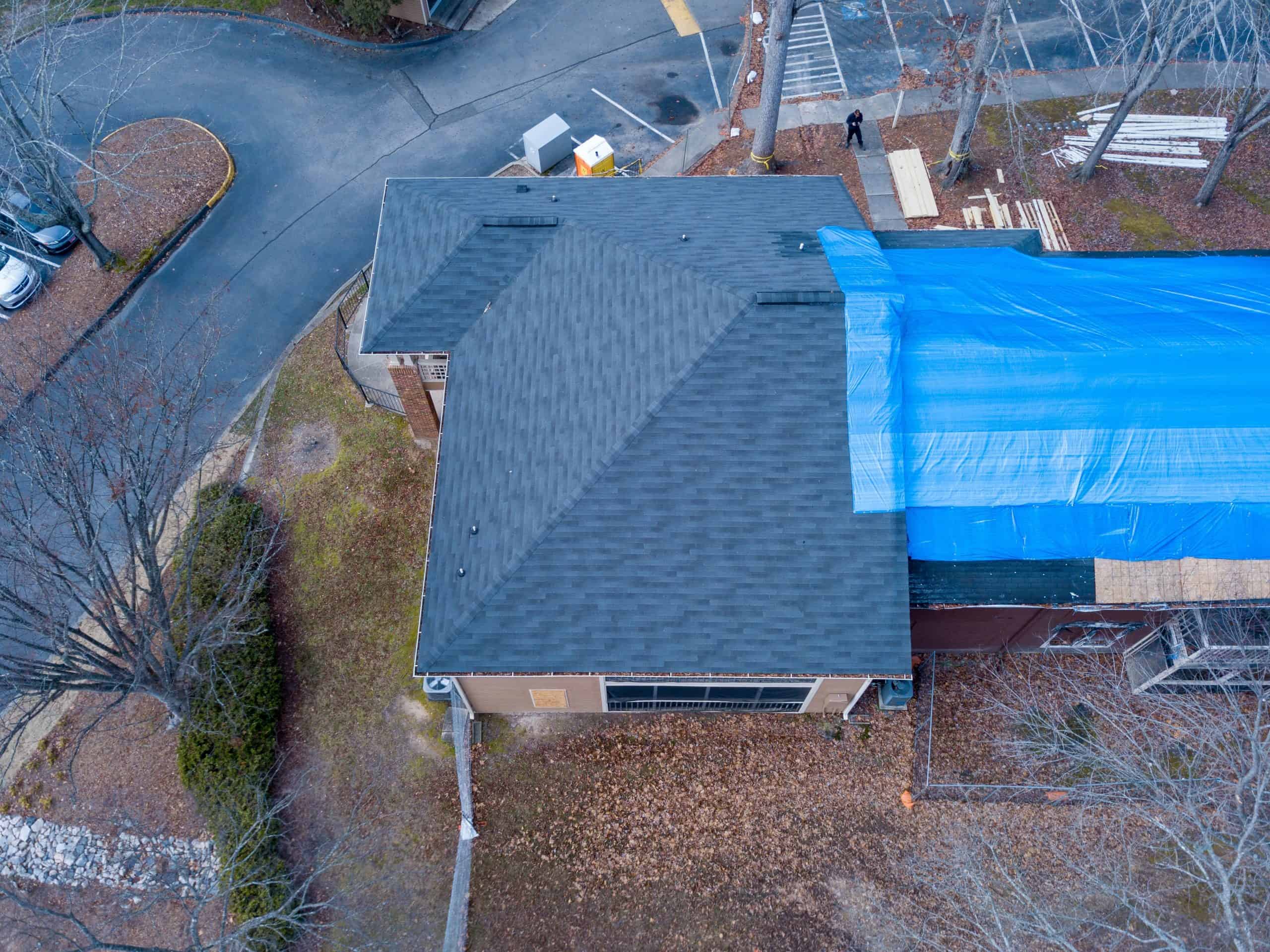
If your Barnum Island home has been through one too many storms, one too many floods, or one too many repair bills — and you’re finally ready to make a real decision — we handle the entire demolition process from permits to cleared lot, so you’re not juggling contractors while dealing with everything else.
I needed a professional consultation explanation of procedure for safe removal of Asbestos in my apartment complex. Without having an account yet, I was very impressed with the caring, knowledgeable and generous advice offered by Jessica, and will look forward to doing business in the future. Thank you so much! I feel much more informed about a sometimes scary endeavor. Peace. Nancy Silva Mineola, NY.
Mia Munoz
Used this company to clean up some water flood in my house. They were fast and easy to work with.very professional, Would recommend to anyone!
Nini Valle
Great company, had a flood and they responded quickly and efficiently. Billed my insurance company directly. I highly recommend this company!
joe colapietro, jr
I had pipe freeze in my basement right before a snow storm and they made to within an hour to help start the clean up process. They we by our side throughout the entire process and even helped with the insurance company. They did such a great job with the cleanup, repair, remidiation, I contracted them to perform the repairs and finishes in the basement. They came with enough manpower and material to get the job done. Leo and Jessica were nothing but a pleasure to deal with!!
Cristian Arredondo c
I had some water damage in my home and Green Island was able to take care of my issue quickly and effectively. I am very pleased with the work they did. They responded quickly and were very professional.
Michael M
Outstanding service! From the office to the field crew everyone was friendly, helpful and responsive. I highly recommend Green Island Group.
Most people don’t call a demolition contractor because things are going well. They call because a structure has become a problem — financially, structurally, or both. And in Barnum Island, that problem usually has saltwater somewhere in the story.
The homes here were mostly built in the 1960s. They’ve absorbed decades of tidal air, coastal humidity, and in many cases, the kind of flooding Superstorm Sandy brought in 2012 — two to eight feet of water and sewage in a community that had nowhere for it to go. That kind of damage doesn’t always show on the surface. Foundations crack quietly. Wall cavities hold moisture long after the floors dry out. What looks like a renovation candidate is sometimes a teardown waiting to happen.
When you work with us, you get a clear picture of what you’re dealing with before a single wall comes down. The process covers everything — asbestos testing, permits with the Town of Hempstead, utility disconnection, demolition, debris removal, and site cleanup. You’re not managing five different contractors or chasing down inspection sign-offs. The whole job moves under one roof, and when it’s done, your lot is ready for whatever comes next.
340 Projects Across Nassau County. Built on Barnum Island Conditions.
We’ve been doing demolition work across Nassau County, Suffolk County, and New York City for over 12 years. More than 340 completed projects. A 4.7-star rating built on specific, verifiable customer experiences — not bulk clicks. Customers name the staff by name, come back for second projects, and describe situations that sound a lot like what you might be dealing with right now.
Working in a place like Barnum Island isn’t the same as working in Hicksville or East Meadow. This is a 0.88-square-mile island where every piece of equipment crosses a bridge, every debris haul navigates tight residential streets, and every neighbor is close enough to notice how the job is being run. We’ve done enough work here to know the rhythm — the tidal schedules that affect equipment access, the Town of Hempstead’s specific inspection patterns for island properties, the saltwater corrosion that shows up in places other contractors miss. That’s not a problem for a contractor who’s done it before. It’s just the job.
We are EPA-certified, OSHA-certified, NYS DOH licensed for asbestos abatement, and fully compliant with Town of Hempstead building requirements. The credentials aren’t a checklist — they’re what make it legal to work here.
From First Call to Cleared Lot — Here's the Sequence
The first step is a site assessment. Before anything else, our team walks the property, evaluates the structure, and gives you an honest read on what needs to happen and in what order. For most homes in Barnum Island — built before 1980, which is the majority of the housing stock here — that means asbestos testing comes before anything else. New York State law requires it, and no demolition permit gets issued without it. We handle the inspection and, if abatement is needed, complete it in-house. You don’t need to find a separate contractor and wait for their schedule to open up.
Once the asbestos clearance is confirmed, the permit application goes to the Town of Hempstead Building Department. Utility disconnections — gas, electric, water, sewer — are coordinated and confirmed. Then demolition begins. Our team manages debris removal and site cleanup throughout the process, not as an afterthought at the end.
If your project is insurance-related — storm damage, flood damage, fire — we can help document the damage and work through the claim process alongside you. That part of the job matters as much as the physical work, and it’s something most demolition contractors don’t touch.
House demolition in Barnum Island isn’t a one-step job, and the price you’re quoted should reflect the full picture — not just the teardown. Our scope covers asbestos inspection and abatement, Town of Hempstead demolition permit acquisition, utility disconnection coordination, full structural demolition, debris hauling, and final site grading. Everything that needs to happen before a new build can start is part of the conversation from day one.
The saltwater environment here accelerates deterioration in ways that don’t always show up until walls come down — corroded fasteners, compromised sill plates, waterlogged insulation that’s been sitting since the last major flood. Our team is used to finding these conditions on South Shore properties and adjusting the scope accordingly, rather than stopping work and calling you with a surprise.
For homeowners in Barnum Island’s flood zones — and given the community’s position between the mainland and Reynolds Channel, most properties carry real flood zone exposure — post-demolition site work often needs to account for FEMA Base Flood Elevation requirements before a new foundation goes in. We coordinate that conversation early, so you’re not discovering a compliance issue after the lot is already cleared. Nassau County costs run 20 to 30 percent above national averages, and island access adds to that — but knowing the full scope upfront is what prevents a low quote from turning into a high final bill.
Do I need a permit to demolish my house in Barnum Island, NY?
Yes — and the permit has to be in hand before any structural work begins. Barnum Island is an unincorporated hamlet within the Town of Hempstead, so all demolition permits are issued through the Town of Hempstead Building Department under Chapter 86 of the Town’s building code. No contractor can legally start tearing down a structure without that permit on file.
The application process requires documentation of the property, confirmation that utilities have been disconnected, and — for most homes in Barnum Island — an asbestos clearance certificate, since the majority of the housing stock here predates the 1980 threshold that triggers mandatory testing. The Town of Hempstead now offers an online permit portal for submission and status tracking, but the underlying requirements are the same. We handle the permit application as part of the project, so you’re not navigating the Building Department on your own while also managing everything else.
My home in Barnum Island was built in the 1960s — does it have asbestos?
Possibly, and the only way to know for certain is a licensed inspection. Barnum Island’s median construction year is 1965, which means the vast majority of homes here fall within the pre-1980 window that requires asbestos testing before a demolition permit can be issued in New York State. Asbestos was commonly used in floor tiles, pipe insulation, roofing materials, joint compound, and textured ceiling finishes — all materials that were standard in mid-century construction.
If asbestos is found, it has to be abated by a licensed contractor before demolition can begin. This is where a lot of homeowners get caught off guard — they hire a demolition contractor, the asbestos inspection comes back positive, and suddenly they’re hunting for a separate abatement company and watching the timeline slip by weeks. We handle both in-house. The inspection, abatement, clearance documentation, and demolition are all managed as a single, sequenced workflow. No gaps, no waiting on a second contractor’s schedule.
How much does house demolition cost in Barnum Island, NY?
The national average for a full house demolition runs roughly $6,000 to $25,000, with most homeowners landing around $15,000 to $16,000 for a standard 2,000-square-foot home. In the New York metro area — and specifically in Nassau County — expect that range to run 20 to 30 percent higher due to stricter permitting requirements, higher labor costs, and disposal regulations.
In Barnum Island specifically, a few factors push costs toward the upper end of that range. The island geography means equipment access requires bridge crossings and navigation through tight residential streets — that’s real logistical complexity, not a line item that gets inflated arbitrarily. Pre-1980 construction almost always means asbestos abatement is part of the scope, which adds cost but is non-negotiable under New York State law. And flood zone compliance requirements can affect how the site needs to be prepared after demolition for whatever comes next. Getting an accurate number requires a site visit and an honest scope conversation — not a ballpark from a website.
Can I demolish a flood-damaged home in Barnum Island and rebuild in its place?
Yes, but there are steps that have to happen in the right order. If the home is in a FEMA-designated flood zone — which covers much of Barnum Island given its position between the mainland and Reynolds Channel — the new structure will need to meet FEMA Base Flood Elevation requirements. That means the foundation design for the new build has to be determined before the lot is cleared, not after, so the site prep accounts for what’s coming.
From a demolition standpoint, flood-damaged homes in this area often have structural conditions that aren’t visible from the outside — compromised sill plates, corroded fasteners, mold in wall cavities that has been sitting since the last major storm event. Superstorm Sandy left a lot of that behind in 2012, and subsequent nor’easters have added to it on properties that weren’t fully remediated. Our team includes mold remediation specialists who assess those conditions as part of the process, so the scope is accurate before work begins rather than expanding unexpectedly once walls come down.
Will my homeowner's insurance cover demolition after storm or flood damage?
It depends on your policy, the cause of the damage, and how the claim is documented — but in many cases, yes, at least partially. Most standard homeowner’s policies include a debris removal provision, and some cover demolition costs when a structure is deemed a total loss following a covered event. Flood damage specifically is typically covered under a separate NFIP or private flood insurance policy, not a standard homeowner’s policy, which is an important distinction for Barnum Island residents given the community’s flood history.
The bigger issue for most homeowners isn’t whether coverage exists — it’s whether the damage is documented thoroughly enough to support the claim. Insurance adjusters work from what’s in front of them, and a poorly documented site visit can result in a settlement that doesn’t reflect the actual scope of the damage. We’ve helped clients navigate the insurance process on storm and flood damage projects, making sure the documentation is complete and the claim reflects what the job actually requires. Multiple customers have specifically mentioned this in their reviews, unprompted, because it made a real difference in how their project came together.
What's the difference between hiring a full-service demolition contractor and a local excavation company in Barnum Island?
The most practical difference comes down to what happens when asbestos shows up — which, in Barnum Island, is a near-certainty for homes built before 1980. A local excavation or demolition-only company can handle the physical teardown, but they cannot legally perform asbestos abatement. That means if testing comes back positive, work stops until you find a licensed abatement contractor, schedule them, wait for clearance, and then restart the demolition timeline. In a community where most of the housing stock was built in the 1960s, that’s not an edge case — it’s the standard scenario.
The nearest local demolition company to Barnum Island operates out of Island Park and has been doing this work for decades. They’re a legitimate operation. But they don’t offer asbestos abatement, mold remediation, environmental services, or insurance claim assistance. For a straightforward teardown on a newer structure, that might be fine. For a pre-1980 Barnum Island home with flood history, saltwater exposure, and a potential insurance component, you’re looking at a project that needs more than a single-trade contractor. We cover the full scope — abatement, permits, demolition, remediation, and site cleanup — so the project doesn’t stall at the first complication.