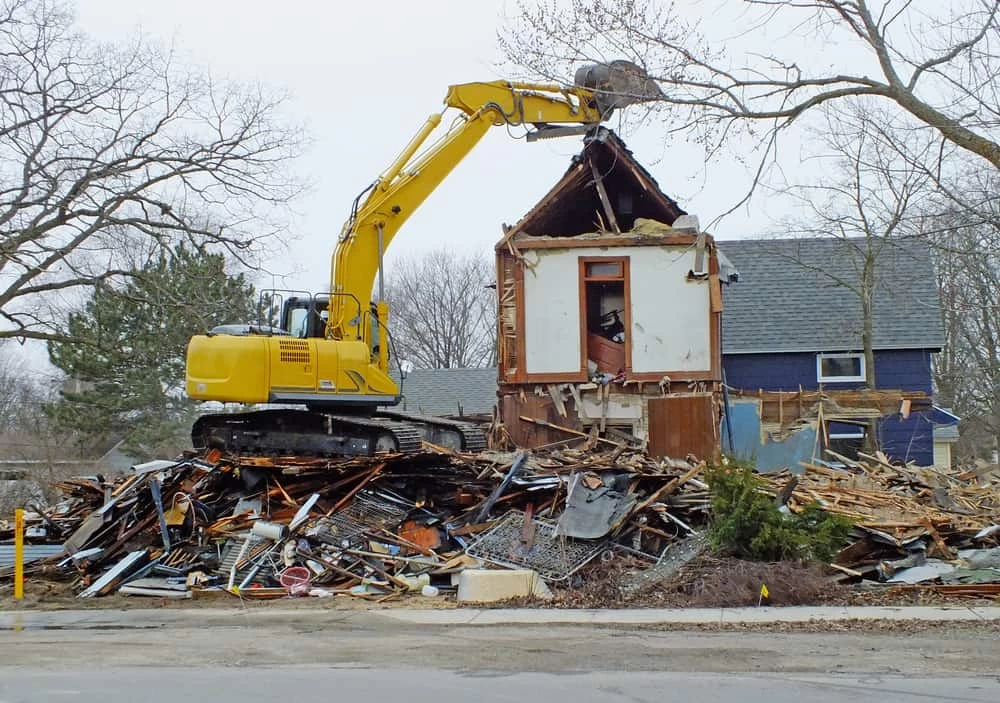
When a Belle Harbor Home Reaches the End of Its Life
Belle Harbor homes have taken hits that most neighborhoods never see. When yours is past saving or ready for something better house demolition in Belle Harbor starts with one call to a contractor who already knows this peninsula.
We handle the full scope: the mandatory asbestos survey, the NYC DOB permits, the utility disconnections, the debris removal. Nothing gets handed off to a subcontractor and nothing gets skipped because it seemed like extra work. You get one crew, one timeline, and one invoice that covers everything from start to finish.
I needed a professional consultation explanation of procedure for safe removal of Asbestos in my apartment complex. Without having an account yet, I was very impressed with the caring, knowledgeable and generous advice offered by Jessica, and will look forward to doing business in the future. Thank you so much! I feel much more informed about a sometimes scary endeavor. Peace. Nancy Silva Mineola, NY.
Mia Munoz
Used this company to clean up some water flood in my house. They were fast and easy to work with.very professional, Would recommend to anyone!
Nini Valle
Great company, had a flood and they responded quickly and efficiently. Billed my insurance company directly. I highly recommend this company!
joe colapietro, jr
I had pipe freeze in my basement right before a snow storm and they made to within an hour to help start the clean up process. They we by our side throughout the entire process and even helped with the insurance company. They did such a great job with the cleanup, repair, remidiation, I contracted them to perform the repairs and finishes in the basement. They came with enough manpower and material to get the job done. Leo and Jessica were nothing but a pleasure to deal with!!
Cristian Arredondo c
I had some water damage in my home and Green Island was able to take care of my issue quickly and effectively. I am very pleased with the work they did. They responded quickly and were very professional.
Michael M
Outstanding service! From the office to the field crew everyone was friendly, helpful and responsive. I highly recommend Green Island Group.
What Changes When You Work With a Crew That Knows Belle Harbor
Most homeowners in Belle Harbor aren’t calling a demolition contractor because things are going well. They’re calling because a storm compromised a foundation, a structure has finally reached the end of its life, or the math on rebuilding from scratch just started making sense. Whatever brought you here, the outcome you’re after is the same a clean site, a clear path forward, and no new problems created in the process.
Belle Harbor’s housing stock is almost entirely pre-1939. That means nearly every demolition project here involves mandatory asbestos assessment before a single wall comes down that’s not optional, it’s New York State law. When we handle the asbestos survey, the abatement, and the demolition under one roof, you’re not chasing two separate schedules or paying two separate mobilization fees. The project moves, and it moves clean.
The other reality here is geography. Getting a demolition crew, heavy equipment, and debris trucks to Beach 129th Street means crossing either the Marine Parkway Bridge or the Cross Bay Bridge both of which have weight limits, traffic patterns, and summer congestion that catch unfamiliar contractors off guard. Working with a crew that has already made this trip, planned around these crossings, and understands what it takes to mobilize on the Rockaway Peninsula is a practical advantage that shows up in your timeline.
Green Island Group is a licensed demolition and certified asbestos abatement contractor serving Queens County including Belle Harbor and the broader Rockaway Peninsula. Owner Leo Torres has led the company through more than 5,000 completed projects across New York State, and we’ve been navigating NYC DOB permits, DEP asbestos regulations, and flood zone compliance requirements long enough to know exactly what this city’s process demands.
What separates us from most demolition contractors isn’t a tagline it’s the license combination. We hold both demolition contractor licensing and NYS DOL asbestos abatement certification. In a neighborhood where virtually every home was built before the era of modern materials, that dual capability isn’t a bonus feature. It’s what makes the job legal and keeps it moving.
Belle Harbor is listed by name on our Queens County service area. That means when you call, you’re not explaining where the Rockaways are or why the bridge crossing matters. We already know.
It starts with an on-site assessment. Before any permits are pulled or equipment is scheduled, we walk your property to understand the scope structure size, access conditions, proximity to neighboring homes, and the presence of any hazardous materials. In Belle Harbor, that last part is almost always relevant. Pre-war construction means asbestos is the baseline assumption, not the exception.
If asbestos is present and in most Belle Harbor homes, it is abatement happens before demolition begins. We handle both phases, so there’s no gap between the hazmat crew finishing and the demolition crew starting. NYC DEP requires at least seven days’ notice before abatement work begins, and we build that into your timeline from day one. Permits are filed through NYC DOB, flood zone documentation is handled upfront, and utility disconnections are coordinated before any equipment arrives on site.
Once the site is cleared, debris is hauled and the property is left clean. If your project is insurance-driven storm damage, fire, or otherwise we bill insurance directly and can help you navigate the claims process so you’re not managing that paperwork alone while also trying to figure out your next move.
House demolition in Belle Harbor isn’t a simple teardown. Between the NYC DOB permit process, mandatory asbestos survey requirements under NYS Industrial Code Rule 56, flood zone compliance under the NYC Zoning Resolution’s Article VI, and the physical logistics of peninsula access, there are more moving parts here than in most Queens neighborhoods. We’re built to handle all of them.
The full scope includes the initial hazardous materials survey, asbestos and lead paint abatement where required, NYC DOB permit filing, utility disconnection coordination, full structural demolition, and debris removal. Nothing gets handed off to a subcontractor and nothing gets skipped because it seemed like extra work. The estimate you receive covers everything permits, hazmat, hauling so there are no line items showing up mid-project that weren’t discussed upfront.
For homeowners dealing with storm-damaged or fire-damaged structures, the process also includes direct insurance billing and claims support. Belle Harbor has seen what happens when the demolition process gets tangled up in an insurance dispute it stalls everything. Having a contractor who already knows how to work within that process keeps your project from sitting still while adjusters and contractors go back and forth.
Do I need a permit to demolish a house in Belle Harbor, NY?
Yes any full or partial demolition in Belle Harbor requires a permit through the NYC Department of Buildings, filed through their DOB NOW system. The application typically requires plans prepared or filed by a Registered Architect or Professional Engineer, and the process involves coordination with multiple city agencies depending on the scope of work.
What makes Belle Harbor specifically more involved than many other Queens neighborhoods is the flood zone layer. Because the neighborhood sits within a FEMA-designated Special Flood Hazard Area, the NYC Zoning Resolution’s Article VI flood zone regulations apply meaning DOB requires additional documentation verification before issuing a demolition permit for reconstruction work. That extra step catches contractors who aren’t familiar with the Rockaways off guard. We handle the full permit process, including flood zone compliance documentation, so you’re not learning the system while your project waits.
Does every house demolition in Belle Harbor require asbestos removal first?
In practice, yes almost every demolition project in Belle Harbor will require an asbestos survey before work begins, and the majority will require abatement. Under New York State DOL Industrial Code Rule 56, a certified asbestos survey is mandatory before any demolition regardless of building size or age. In Belle Harbor, where the majority of homes were built before 1939, asbestos-containing materials are the norm rather than the exception. Pipe insulation, floor tiles, roofing materials, textured plaster, and joint compounds are all common sources.
Beyond the state requirement, NYC DEP must be notified at least seven days before abatement activities begin. If your contractor doesn’t hold NYS DOL asbestos abatement certification, they cannot legally complete that phase which means either a subcontractor gets brought in, adding cost and scheduling gaps, or the project stalls entirely. We’re certified for both asbestos abatement and demolition, so the survey, abatement, and teardown all happen under one contract without the handoff delays.
How much does house demolition cost in Belle Harbor, Queens?
Residential demolition costs in the New York City area typically range from $15,000 to $50,000 or more depending on the size of the structure, site conditions, and the scope of hazardous material removal required. In Belle Harbor specifically, the cost is almost always on the higher end of that range for a full teardown not because demolition contractors are padding the number, but because the mandatory asbestos abatement, NYC DOB permit process, flood zone compliance documentation, and bridge-access logistics all add real cost to the project.
The most important thing to understand is what’s included in the estimate you receive. A low number that doesn’t account for the asbestos survey, the abatement, the permit fees, or debris hauling isn’t a good deal it’s an incomplete number that will grow. We provide comprehensive estimates that cover every phase of the project upfront, so the number you’re quoted reflects the full scope. No surprises after the equipment shows up.
Can a house in a flood zone be demolished and rebuilt in Belle Harbor?
Yes, but the process has additional requirements that don’t apply to inland Queens neighborhoods. Belle Harbor falls within FEMA flood zones, and the NYC Zoning Resolution’s Special Flood Zone Regulations govern both the demolition and any subsequent reconstruction. For demolition tied to a reconstruction project, the NYC DOB requires verification of flood zone compliance documentation before issuing the permit this is a step that gets skipped by contractors who haven’t worked in coastal Queens before.
On the rebuilding side, any new construction following demolition must meet flood-resistant construction standards, which typically means elevated foundations and specific structural requirements. This is actually one of the reasons teardown-rebuild projects have become more common in Belle Harbor older pre-war homes that can’t be economically elevated or flood-retrofitted are often better candidates for full demolition and compliant new construction than for continued repair. We handle the demolition side of that equation and can walk you through what the flood zone documentation process looks like before you commit to a timeline.
How long does house demolition take from start to finish in Belle Harbor?
The physical act of demolishing a residential structure typically takes anywhere from one day to a week depending on the size and complexity of the building. But in Belle Harbor, the full timeline from initial assessment to cleared site is longer than that usually four to eight weeks when you factor in the mandatory asbestos survey period, the seven-day NYC DEP notification requirement before abatement begins, the DOB permit review process, and utility disconnection coordination.
The flood zone documentation requirement adds another layer that can extend the permitting phase if it isn’t prepared in advance. The best way to compress the timeline is to work with a contractor who starts the permit and abatement paperwork immediately after the initial assessment rather than waiting until the previous phase is fully complete. We run these phases concurrently wherever legally possible, which is one of the more practical ways to keep a Belle Harbor demolition project on a realistic schedule.
Does homeowners insurance cover house demolition after storm damage in Belle Harbor?
It depends on your policy, but for storm-damaged properties in Belle Harbor, demolition costs are often covered at least partially under the debris removal or dwelling coverage portions of a standard homeowners policy. After Hurricane Sandy, many Belle Harbor homeowners discovered that navigating that coverage was a project in itself, separate from the actual demolition. Insurance adjusters, policy language disputes, and documentation requirements created delays that kept damaged structures standing for months.
The practical advantage of working with a contractor who bills insurance directly is that you’re not acting as the go-between for every back-and-forth between your contractor and your adjuster. We have documented experience handling insurance-driven demolition projects and billing carriers directly. That doesn’t mean the insurance process is simple it rarely is but having a contractor who understands how to document the scope, communicate with adjusters, and keep the project moving within the claims process removes a significant burden from your plate during an already difficult time.