Most demolition crews show up with a wrecking ball and a prayer. In a neighborhood built on industrial land next to a Superfund site, that’s not good enough. We handle the asbestos survey, the abatement, the permits, and the teardown all in-house, all done right.
I needed a professional consultation explanation of procedure for safe removal of Asbestos in my apartment complex. Without having an account yet, I was very impressed with the caring, knowledgeable and generous advice offered by Jessica, and will look forward to doing business in the future. Thank you so much! I feel much more informed about a sometimes scary endeavor. Peace. Nancy Silva Mineola, NY.
Mia Munoz
Used this company to clean up some water flood in my house. They were fast and easy to work with.very professional, Would recommend to anyone!
Nini Valle
Great company, had a flood and they responded quickly and efficiently. Billed my insurance company directly. I highly recommend this company!
joe colapietro, jr
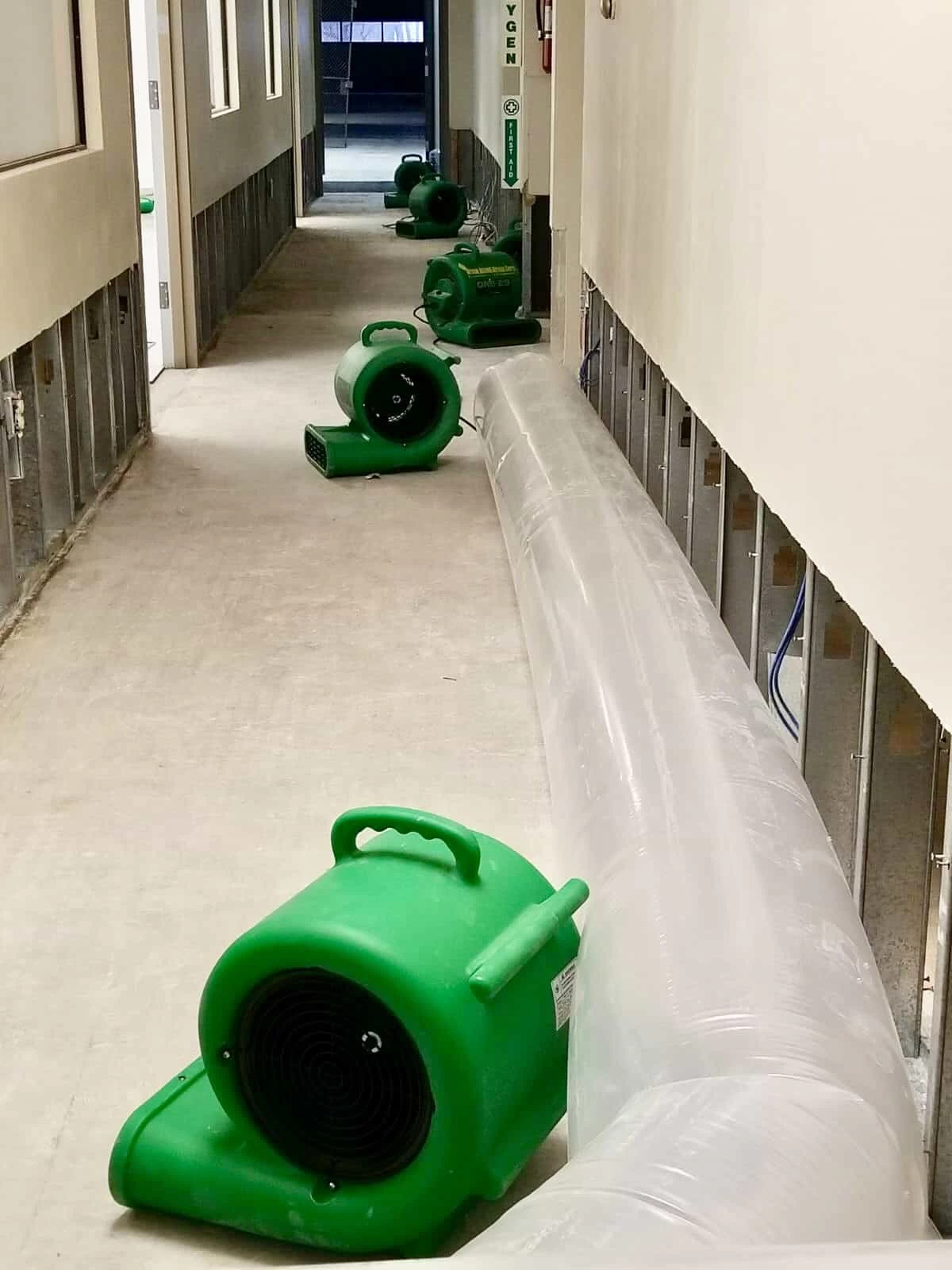
I had pipe freeze in my basement right before a snow storm and they made to within an hour to help start the clean up process. They we by our side throughout the entire process and even helped with the insurance company. They did such a great job with the cleanup, repair, remidiation, I contracted them to perform the repairs and finishes in the basement. They came with enough manpower and material to get the job done. Leo and Jessica were nothing but a pleasure to deal with!!
Cristian Arredondo c
I had some water damage in my home and Green Island was able to take care of my issue quickly and effectively. I am very pleased with the work they did. They responded quickly and were very professional.
Michael M
Outstanding service! From the office to the field crew everyone was friendly, helpful and responsive. I highly recommend Green Island Group.
When a structure comes down in Blissville, what you’re left with matters as much as how it came down. A clean site, a closed permit, no open violations with the NYC Department of Buildings, and no liability sitting on your property that’s the outcome you’re actually paying for. Not just a pile of debris and a crew that stopped returning calls.
Blissville’s building stock is old. Most of the residential and industrial structures in this neighborhood were built during a period when asbestos was standard in insulation, floor tiles, roofing materials, and pipe wrap. Under New York State law, a certified asbestos survey is required before any demolition work begins no exceptions, regardless of building age. When that survey finds something, and in buildings this old it usually does, you need a contractor who can handle the abatement without stopping the clock and subcontracting the problem to someone else.
The neighborhood’s proximity to the Newtown Creek Superfund site adds another layer. This isn’t a detail that applies to most Queens neighborhoods it applies here. Soil and environmental conditions near the creek waterfront require awareness that a standard demolition crew simply doesn’t bring to the job. We do. That difference is what separates a completed project from a stalled one.
We’ve been doing demolition and environmental work across New York City and Long Island for over 12 years. More than 5,000 completed projects. Every borough. Every type of structure. Owner-operated by Leo Torres, who has built this business on the kind of work that doesn’t generate callbacks or stop-work orders.
We’re fully licensed for demolition work in New York State and certified by the NYS Department of Labor for asbestos abatement which means when you hire us, you’re not waiting on a subcontractor to clear the asbestos before the real work can start. It’s all one team, one timeline, one point of contact.
For Blissville property owners whether you’re in the residential cluster near 34th Street, managing a building along Review Avenue, or dealing with a structure that’s been sitting vacant for years we’re the kind of contractor the job actually requires. Not the cheapest name on a Google search. The one who knows what they’re doing and can prove it.
It starts with a site visit and assessment. Before any price is given or paperwork is filed, someone from our team walks the property with you. We’re looking at the structure, the access points, what’s adjacent, and what the building is likely made of. In Blissville, where structures often sit tight between the LIE, the BQE, and neighboring buildings, equipment staging and site access are part of the planning conversation from day one not an afterthought.
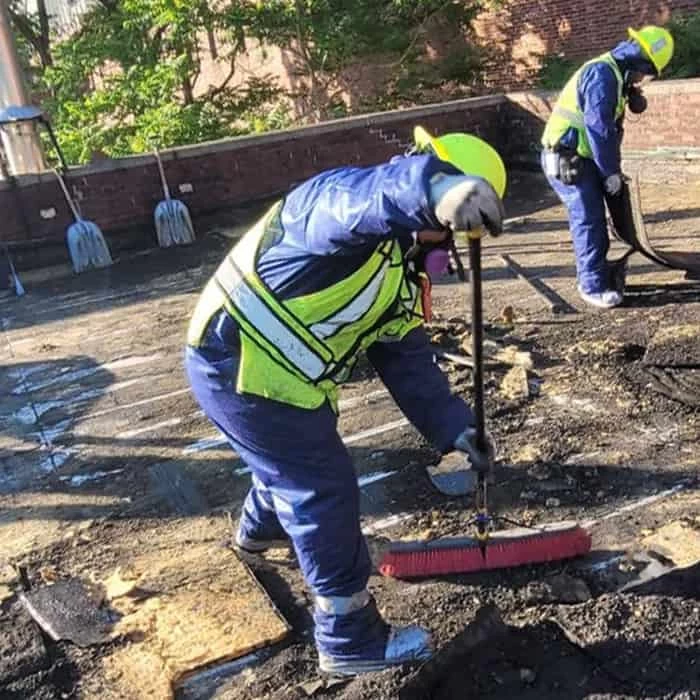
From there, a NYS DOL-certified asbestos inspector conducts the mandatory survey. This is required by law before demolition can begin in New York City, and it has to be done by a certified professional. If asbestos-containing materials are found, our abatement team handles the removal under full compliance with NYC DEP notification requirements before the demolition crew ever sets foot on the site. The permit application to the NYC Department of Buildings runs parallel to this process we manage the filing so you’re not navigating that alone.
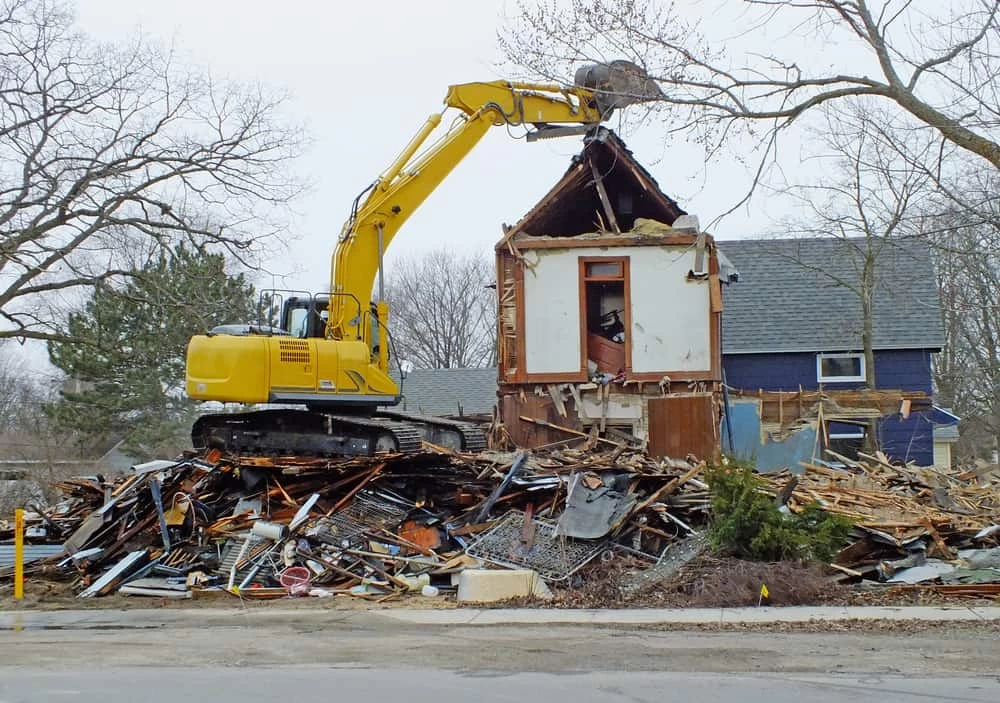
Once the permits are approved, utilities are disconnected through Con Edison and NYC DEP, and the teardown begins. Debris is hauled, the site is cleared, and the final inspection is coordinated. What you’re left with is a clean lot, a closed permit, and documentation that everything was handled by the book which matters enormously if you’re selling, redeveloping, or simply trying to close the chapter on a property that’s been a problem.
House demolition in New York City isn’t a single service it’s a sequence of regulated steps, and each one has to be done in the right order by the right people. We handle the full sequence: the asbestos survey, abatement if required, NYC DOB permit filing, utility disconnection coordination with Con Edison and NYC DEP, the structural demolition itself, debris removal, and final site clearance. No handoffs. No gaps in the timeline where your project stalls because one contractor is waiting on another.
For Blissville specifically, that integrated approach matters more than it does in most neighborhoods. The combination of pre-war building stock, industrial-era construction materials, and proximity to the Newtown Creek waterfront means that environmental compliance isn’t a box to check it’s a real part of the work. We bring certified asbestos abatement capability in-house, which keeps the project moving and keeps you out of the middle of a coordination problem between two separate contractors.
If your project involves an insurance claim fire damage, flood damage from a heavy rain event, structural failure we bill insurance carriers directly. This is confirmed by multiple independent customer reviews and it removes a significant burden from property owners who are already managing enough. Whether you’re dealing with a single-family structure near Triangle 54, a multi-family building, or an older industrial property being repositioned for new use, the service scope is built around what the project actually requires not a stripped-down bid that leaves the hard parts to you.
Do I need a permit to demolish a house in Blissville, NY?
Yes and in New York City, the permit requirement is strict. All demolitions require approval from the NYC Department of Buildings before any work begins. For a full demolition, that means submitting detailed plans prepared by a licensed professional engineer or architect, verifying utility disconnections, and satisfying multiple overlapping city and state requirements before the DOB issues the permit. Permit fees in NYC typically run between $10,000 and $12,000, which is a significant upfront cost that property owners need to account for when budgeting a project.
Performing demolition without a required DOB permit in New York City results in an immediate Stop Work Order and fines starting at $2,500 for a first offense escalating sharply from there. We manage the permit application process as part of the job, so you’re not navigating the DOB filing system alone or risking a violation because the paperwork wasn’t in order before the crew arrived.
Is an asbestos survey really required before demolition in Queens, NY?
It is, and there are no exceptions. Under NYS DOL Industrial Code Rule 56, a certified asbestos survey must be completed before any demolition or renovation work begins in New York regardless of the building’s age or apparent condition. In Blissville, where most residential and industrial structures date to the early-to-mid 20th century, asbestos-containing materials are commonly found in insulation, floor tiles, pipe wrap, roofing, and ductwork. The survey has to be conducted by a NYS DOL-certified inspector, and if regulated materials are found, a licensed abatement contractor must remove them before demolition proceeds.
We’re certified for asbestos abatement and perform surveys in-house. That means when the inspector identifies something which is common in buildings this age the abatement crew is already on the same team. You’re not waiting on a subcontractor, and you’re not managing two separate schedules. The project keeps moving, and every step is handled under full compliance with both NYS DOL and NYC DEP requirements.
How much does house demolition typically cost in New York City?
Nationally, house demolition averages between $6,000 and $25,000 depending on the size and complexity of the structure. In New York City, costs land at the higher end of that range and often beyond it because of several factors that are specific to this market. NYC DOB permit fees alone run $10,000 to $12,000. Add in the mandatory asbestos survey, abatement costs if regulated materials are found, labor rates in the NYC metro area, utility disconnection coordination, and debris disposal, and the total cost of a compliant demolition project in Queens is meaningfully higher than what national averages suggest.
The most important thing to understand about pricing in this market is that the lowest bid rarely reflects the true total cost. Contractors who skip the asbestos survey, use unlicensed workers, or pull the wrong permits create liability that lands on the property owner not the contractor. We provide transparent, all-in estimates that cover every step of the process so you know what you’re paying before the work starts, not after.
What happens to asbestos found during a demolition project in Blissville?
When asbestos-containing materials are identified during the pre-demolition survey, the work cannot proceed until those materials are properly removed and disposed of by a NYS DOL-certified abatement contractor. In NYC, the abatement contractor is also required to file a project notification with the NYC Department of Environmental Protection before abatement work begins. The materials are contained, removed under strict protocols, and transported to a licensed disposal facility. Only after the abatement is complete and the site has been cleared can the demolition crew begin structural work.
For Blissville residents, this step carries particular weight. The neighborhood has been living with the consequences of poor environmental handling from industrial neighbors for decades the ongoing air quality dispute with the Green Asphalt facility on Railroad Avenue is a visible example of what happens when environmental compliance is treated as optional. We follow every required protocol on asbestos removal, not because it’s a talking point, but because the community here deserves contractors who take it seriously.
How long does a house demolition project take from start to finish in NYC?
The physical demolition of a residential structure can often be completed in one to three days once the site is prepared and permits are in hand. The overall project timeline, however, is driven by the steps that come before and after the teardown itself. The asbestos survey, any required abatement work, the NYC DOB permit application, and utility disconnection coordination all need to happen in sequence before a single wall comes down. Realistically, from the initial site visit to a cleared lot with a closed permit, most residential demolition projects in New York City take several weeks to a few months depending on the scope of abatement required and current DOB processing times.
We manage every stage of that timeline in-house, which eliminates the scheduling gaps that occur when multiple contractors are involved. If you’re working toward a sale, a redevelopment timeline, or an insurance settlement deadline, the integrated approach keeps the project on track without the delays that come from handoffs between separate teams.
Can Green Island Group handle demolition near the Newtown Creek waterfront in Blissville?
Yes, and it’s a context that requires specific awareness. The Newtown Creek waterfront which runs along Blissville’s southern border is a federally designated Superfund site with a documented history of industrial contamination dating back more than 150 years. Demolition projects near the creek waterfront may involve soil and groundwater conditions that go beyond standard residential teardown considerations, and contractors working in this area need environmental awareness that a typical demolition crew doesn’t carry.
Our background in environmental remediation, combined with our certified asbestos abatement capability and 12-plus years of working in New York City’s most complex environments, makes us a realistic choice for projects in this part of the neighborhood. If your property sits near the creek corridor, the industrial perimeter along Railroad Avenue, or anywhere in the western section of Blissville, the environmental context is part of the conversation from the first site visit not something that surfaces as a surprise mid-project.