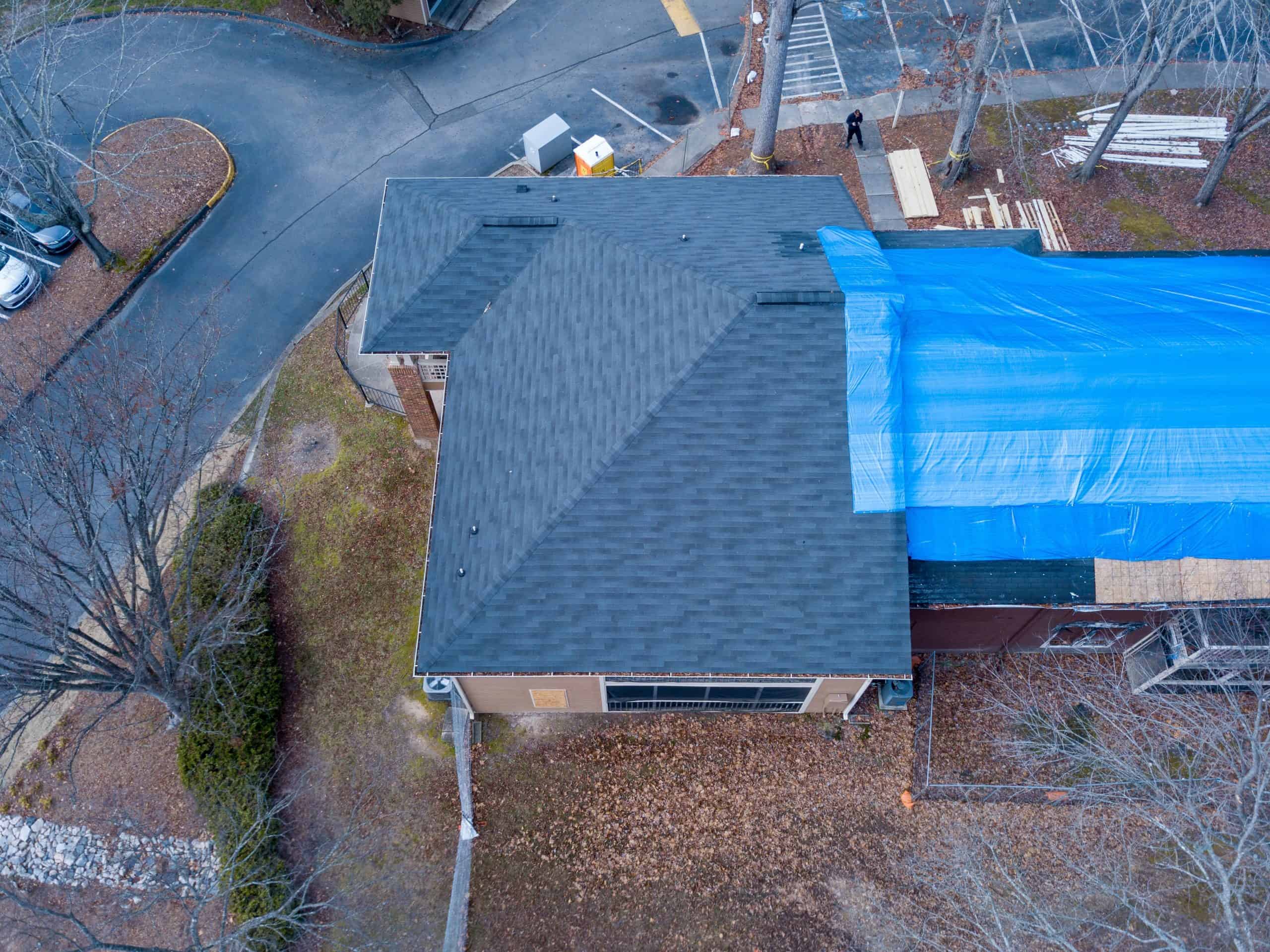
One Contract. No Surprises. Clean Lot Ready to Build.
Most Blue Point homes were built in the 1950s and ’60s and almost every demolition project here turns up something that needs to be handled before the wrecking crew shows up. We manage the whole thing, from asbestos survey to cleared site, so nothing catches you off guard.
I needed a professional consultation explanation of procedure for safe removal of Asbestos in my apartment complex. Without having an account yet, I was very impressed with the caring, knowledgeable and generous advice offered by Jessica, and will look forward to doing business in the future. Thank you so much! I feel much more informed about a sometimes scary endeavor. Peace. Nancy Silva Mineola, NY.
Mia Munoz
Used this company to clean up some water flood in my house. They were fast and easy to work with.very professional, Would recommend to anyone!
Nini Valle
Great company, had a flood and they responded quickly and efficiently. Billed my insurance company directly. I highly recommend this company!
joe colapietro, jr
I had pipe freeze in my basement right before a snow storm and they made to within an hour to help start the clean up process. They we by our side throughout the entire process and even helped with the insurance company. They did such a great job with the cleanup, repair, remidiation, I contracted them to perform the repairs and finishes in the basement. They came with enough manpower and material to get the job done. Leo and Jessica were nothing but a pleasure to deal with!!
Cristian Arredondo c
I had some water damage in my home and Green Island was able to take care of my issue quickly and effectively. I am very pleased with the work they did. They responded quickly and were very professional.
Michael M
Outstanding service! From the office to the field crew everyone was friendly, helpful and responsive. I highly recommend Green Island Group.
Why Blue Point Demolitions Need More Than Just a Wrecking Crew
When a demolition project goes sideways, it usually isn’t the teardown itself that causes the problem it’s everything that wasn’t handled before it started. An asbestos discovery mid-project. A permit that expired before the crew could finish. A debris load hauled by someone without the right disposal license. In Blue Point, where the median home was built in 1967 and more than one in five houses predate the 1940s, these aren’t edge cases. They’re the norm.
What you get when this is managed properly is a project that moves in one straight line. The asbestos survey happens first. If materials need to come out, they come out legally, by licensed hands, fully documented. Then the structure comes down. Then the site is cleared and ready. No gaps in the chain, no subcontractors you’ve never met showing up to handle the part the demo crew couldn’t touch.
For homeowners in Blue Point near the bay especially in the Corey Beach area there’s another layer. Properties in and around Blue Point’s flood-zone corridors often have mold from prior water intrusion, compromised foundations, or storm-related structural damage that changes the scope of a teardown. Knowing how to assess and handle that before demolition starts is what separates a smooth project from one that stalls halfway through.
Every License the Job Requires Verified, Not Claimed
We hold the full license stack for this type of work in New York: NYS DOL Asbestos Contractor License, NYS DOL Mold Remediation Contractor License, EPA Lead RRP Certification, Suffolk County Home Improvement Contractor License, and the NYC BIC Trade Waste License for legal debris disposal. These aren’t credentials listed to fill a page they’re the specific authorizations required by state and federal law to legally perform every phase of a demolition project in Blue Point and across the Town of Brookhaven.
The reason this matters to you is simple. If your contractor can only do the teardown, they have to stop the moment something unexpected turns up and in a community with Blue Point’s housing stock, something almost always turns up. When everything is handled in-house, your project doesn’t pause. It keeps moving.
We’ve worked with municipalities, government agencies, and residential clients across Suffolk County. That track record means familiarity with Brookhaven’s Building Division, the electronic permit portal, and the specific post-demolition requirements like the lead solder test and new survey required before new construction can begin that catch unprepared homeowners off guard.
The first step is a site assessment. Before anything else happens, the property gets evaluated structure type, construction era, access points, and any visible indicators of hazardous materials. For most Blue Point homes, which were built during the peak asbestos-use era, a formal pre-demolition asbestos survey is required by New York State law. This isn’t optional, and it applies to every structure regardless of age or apparent condition. That survey gets done first.
If asbestos-containing materials are identified floor tiles, pipe insulation, roofing materials, joint compound, or any of the other common ACM locations in mid-century construction abatement is completed before demolition begins. All of this is handled in-house, under the same contract, with no handoff to a separate environmental firm.
Once abatement is cleared, the demolition permit gets pulled through the Town of Brookhaven’s Building Division. That permit is valid for 90 days a tight window that requires the work to be scheduled and executed without delays. Utility disconnections are coordinated in advance: gas, electric, water, and sewer all need to be confirmed before the building department will issue the permit. After the structure comes down and debris is hauled to licensed disposal facilities, the site is graded and left ready for whatever comes next whether that’s a builder starting in the spring or a lot going to market. Full disposal documentation is provided, which you’ll need for Brookhaven’s permit closeout and for the new construction permitting process that follows.
Built for Blue Point's Housing Stock Not a Generic Teardown Crew
House demolition in Blue Point isn’t a one-size operation. The homes here Cape Cods, ranches, and colonial revivals built between the 1930s and 1970s come with a predictable set of complications: asbestos in the floor tiles, pipe wrap, and roofing; lead paint on pre-1978 surfaces; mold in crawl spaces and basements that have seen decades of South Shore humidity and, in some cases, direct flooding from the Great South Bay. Most demolition contractors in the Long Island market can only handle the structural teardown, but they have to stop and refer out the moment asbestos, mold, or lead paint enters the picture.
We handle the full scope on a Blue Point house demolition: pre-demolition asbestos inspection and abatement, lead paint assessment under EPA RRP guidelines, mold remediation where needed, full structural demolition, debris removal with licensed disposal documentation, and site preparation for new construction. That entire scope runs under one contract, one point of contact, and one timeline.
For homeowners in the Corey Beach neighborhood or other bay-adjacent areas of Blue Point, flood-zone considerations also come into play. Properties that have experienced storm surge or repeated flooding may require additional assessment before demolition saturated soils, compromised slab conditions, or mold throughout the structure can all affect how the project is scoped and sequenced. That’s factored in from the start, not discovered halfway through.
Do I need a permit to demolish a house in Blue Point, NY?
Yes all residential demolition in Blue Point requires a permit from the Town of Brookhaven’s Building Division. There are no exceptions for smaller structures or partial teardowns. The application is submitted electronically through the Brookhaven Project Portal, and before the permit can be issued, you’ll need to coordinate utility disconnections gas, electric, water, and sewer and provide confirmation from each provider that service has been terminated.
One thing that catches homeowners in Blue Point off guard is the permit’s validity window. Brookhaven demolition permits are only valid for 90 days from the date of issue. That’s a short runway, and if the work isn’t completed within that period, you’re looking at a new application, additional fees, and a delayed timeline. Working with a contractor who understands this window and who has the crew availability to execute within it is important from the start.
Is an asbestos survey required before demolishing a home in Blue Point?
Yes, and this applies to every structure in New York State not just older ones, and not just commercial buildings. NYS Department of Labor regulations require a pre-demolition asbestos survey regardless of the building’s age or condition. Given that the majority of homes in Blue Point were built between the 1940s and 1970s, the probability of finding asbestos-containing materials is high. Common locations include 9×9 vinyl floor tiles, pipe and boiler insulation, roofing shingles, exterior siding, joint compound, and textured ceiling materials.
If the survey identifies asbestos, abatement must be completed by a NYS DOL-licensed contractor before demolition begins. Federal EPA NESHAP regulations also require notification to the appropriate agency prior to demolition of any structure that may contain asbestos. Skipping the survey or hiring a contractor who can’t legally perform abatement doesn’t make the asbestos go away it creates legal liability for you as the property owner.
How much does house demolition cost in Blue Point, NY?
For a standard single-family home in Blue Point, demolition costs typically fall in the range of $15,000 to $40,000 or more, depending on the size of the structure, site conditions, and whether hazardous materials need to be addressed first. Asbestos abatement, if required, adds to that figure and in Blue Point’s mid-century housing stock, it’s required more often than not. Mold remediation, if the property has had water intrusion from storm flooding or long-term moisture issues, is another variable.
The honest answer is that no reputable contractor will give you a firm number without seeing the property first. What you can expect from a proper estimate is a breakdown that accounts for the survey, abatement if needed, structural demolition, debris disposal, and site preparation not just the teardown in isolation. If a quote seems unusually low, it’s worth asking what it doesn’t include, because those exclusions tend to show up as change orders mid-project.
What happens after demolition in Blue Point do I need anything before I can build?
Yes, and this is a step that surprises a lot of homeowners in Blue Point. After demolition is complete and the site is cleared, the Town of Brookhaven requires a lead solder test and a new survey of the property before a certificate of occupancy can be issued for new construction. These are separate from the demolition permit process and need to be factored into your overall project timeline especially if you have a builder waiting on a start date.
Full disposal documentation from the demolition is also important at this stage. Because we hold the NYC BIC Trade Waste License, all debris including any hazardous materials is hauled to licensed facilities, and you receive written documentation of that disposal. Brookhaven’s permit closeout process and your new construction permitting will both reference this documentation, so it’s not something you want to be chasing down after the fact.
My Blue Point home was storm-damaged can it be demolished on an emergency basis?
It can, and this situation comes up regularly on the South Shore. Blue Point’s position along the Great South Bay corridor means that nor’easters, tropical systems, and the kind of storm surge that USGS documented during Hurricane Sandy which produced record water levels in this bay are real and recurring risks. When a structure is significantly damaged and poses a safety hazard, the Town of Brookhaven does have an emergency permit process that can move faster than a standard application.
That said, even emergency demolitions in New York State are subject to the asbestos survey requirement before work begins, unless the structure presents an immediate imminent hazard. We can mobilize quickly, conduct the required survey, and navigate Brookhaven’s emergency process simultaneously, which keeps an already stressful situation from becoming a prolonged one. We also work directly with insurance adjusters to provide the documentation needed for your claim.
Can Green Island Group handle both the asbestos abatement and the house demolition in Blue Point?
Yes and that’s exactly the point of working with us rather than hiring separately for each phase. Most demolition contractors in the Long Island market can handle the structural teardown, but they have to stop and refer out the moment asbestos, mold, or lead paint enters the picture. That handoff creates scheduling gaps, coordination risk, and the kind of mid-project surprises that push timelines and budgets off course.
We hold every license required to take a Blue Point demolition project from the initial asbestos inspection through abatement, structural teardown, debris removal, and site prep all under one contract. For homeowners dealing with an estate settlement, a teardown-rebuild on an aging bay-area property, or a storm-damaged home near Corey Beach, that single-contract structure isn’t just convenient. It’s the difference between a project that runs clean and one that stalls at the worst possible moment. Financing options, including 0% APR, are also available for projects where the timing wasn’t planned.