Breezy Point homeowners don’t need a sales pitch they need a contractor who actually knows what they’re doing. We handle house demolition in Breezy Point from the required asbestos inspection all the way through final site clearance, so nothing falls through the cracks.
I needed a professional consultation explanation of procedure for safe removal of Asbestos in my apartment complex. Without having an account yet, I was very impressed with the caring, knowledgeable and generous advice offered by Jessica, and will look forward to doing business in the future. Thank you so much! I feel much more informed about a sometimes scary endeavor. Peace. Nancy Silva Mineola, NY.
Mia Munoz
Used this company to clean up some water flood in my house. They were fast and easy to work with.very professional, Would recommend to anyone!
Nini Valle
Great company, had a flood and they responded quickly and efficiently. Billed my insurance company directly. I highly recommend this company!
joe colapietro, jr
I had pipe freeze in my basement right before a snow storm and they made to within an hour to help start the clean up process. They we by our side throughout the entire process and even helped with the insurance company. They did such a great job with the cleanup, repair, remidiation, I contracted them to perform the repairs and finishes in the basement. They came with enough manpower and material to get the job done. Leo and Jessica were nothing but a pleasure to deal with!!
Cristian Arredondo c
I had some water damage in my home and Green Island was able to take care of my issue quickly and effectively. I am very pleased with the work they did. They responded quickly and were very professional.
Michael M
Outstanding service! From the office to the field crew everyone was friendly, helpful and responsive. I highly recommend Green Island Group.
Most homeowners in Breezy Point aren’t calling about demolition because things are going great. They’re calling because a structure is compromised, a rebuild is long overdue, or a storm pushed the decision they’d been putting off for years. Whatever got you here, the goal is the same get it handled correctly, without creating a new set of problems in the process.
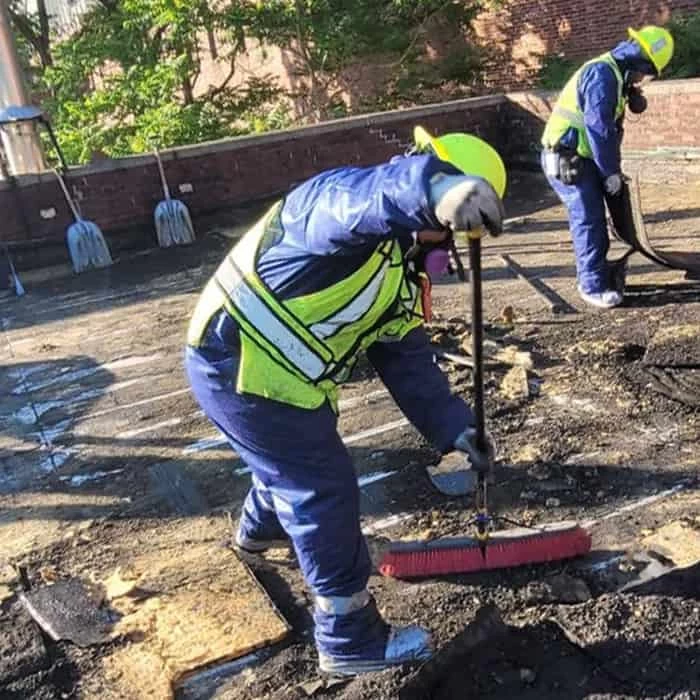
In Breezy Point, that means more than just tearing something down. The housing stock here is almost entirely wood-frame bungalows, most of them built in the mid-20th century. That means asbestos surveys are legally required before any demolition can begin not optional, not a formality. If your contractor can’t do that in-house, you’re already looking at scheduling gaps and finger-pointing before the first wall comes down. We handle asbestos abatement as a core part of what we do, so the project moves as one continuous process instead of a relay race between subcontractors.
The peninsula access situation matters too. Getting equipment in and debris out through Rockaway Point Boulevard and across the Cross Bay Veterans Memorial Bridge requires real coordination. A crew that’s never worked the Rockaway Peninsula will figure that out on your time. One that has will already have it planned.
12 Years In, 5,000 Projects Deep Including the Rockaway Peninsula
Green Island Group is a licensed environmental and demolition contractor based in New York, serving residential and commercial clients across Queens, Brooklyn, and Long Island including communities along the Rockaway Peninsula like Breezy Point that most contractors treat as an afterthought. Owner Leo Torres has been running this operation for over 12 years, and we’ve completed more than 5,000 projects across the state.
What that track record actually means for you: we’ve seen the full range of what residential demolition looks like in coastal communities storm-damaged foundations, flood-compromised structures, pre-1978 bungalows loaded with hazardous materials, and properties in Breezy Point that need FEMA elevation compliance before anything new can be built. We carry full general liability insurance and workers’ compensation, we’re certified for asbestos abatement under NYS DOL requirements, and we work directly with insurance carriers when the project is claim-driven.
The 4.7-star review record across verified projects isn’t a marketing number it’s what happens when a crew shows up, does the work, and communicates clearly the whole way through.
The first step is a site assessment. Before anything else happens, our team evaluates the structure, identifies what hazardous materials are present, and gives you a clear picture of what the full project involves permits, abatement, teardown, debris removal, and site clearance. No vague estimates that balloon later.
From there, the required pre-demolition asbestos inspection happens before any permits are filed. In New York City which governs Breezy Point through the NYC Department of Buildings you can’t pull a demolition permit without demonstrating asbestos compliance first. The NYC DEP also requires notification at least seven days before abatement activities begin. We manage all of that sequencing. We know what each office needs and how to keep the process moving without unnecessary delays. If the Breezy Point Cooperative requires internal approvals alongside the NYC DOB permit, that layer gets addressed too it’s not something that catches us off guard.
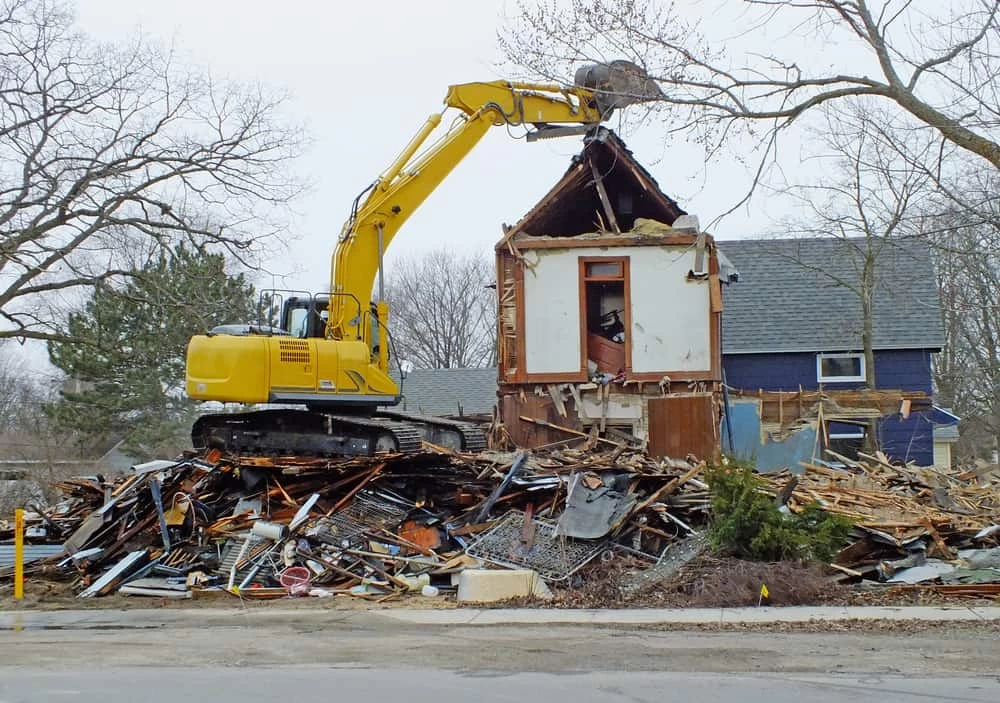
Once abatement is cleared and permits are in hand, demolition proceeds. Our crew handles the physical teardown, manages debris removal within the logistical realities of peninsula access, and brings the site to a clean, cleared condition. If your project is insurance-driven storm damage, flood damage, fire we bill the carrier directly and help you navigate the claims process so you’re not managing that on top of everything else.
What's Actually Included When You Call Green Island Group
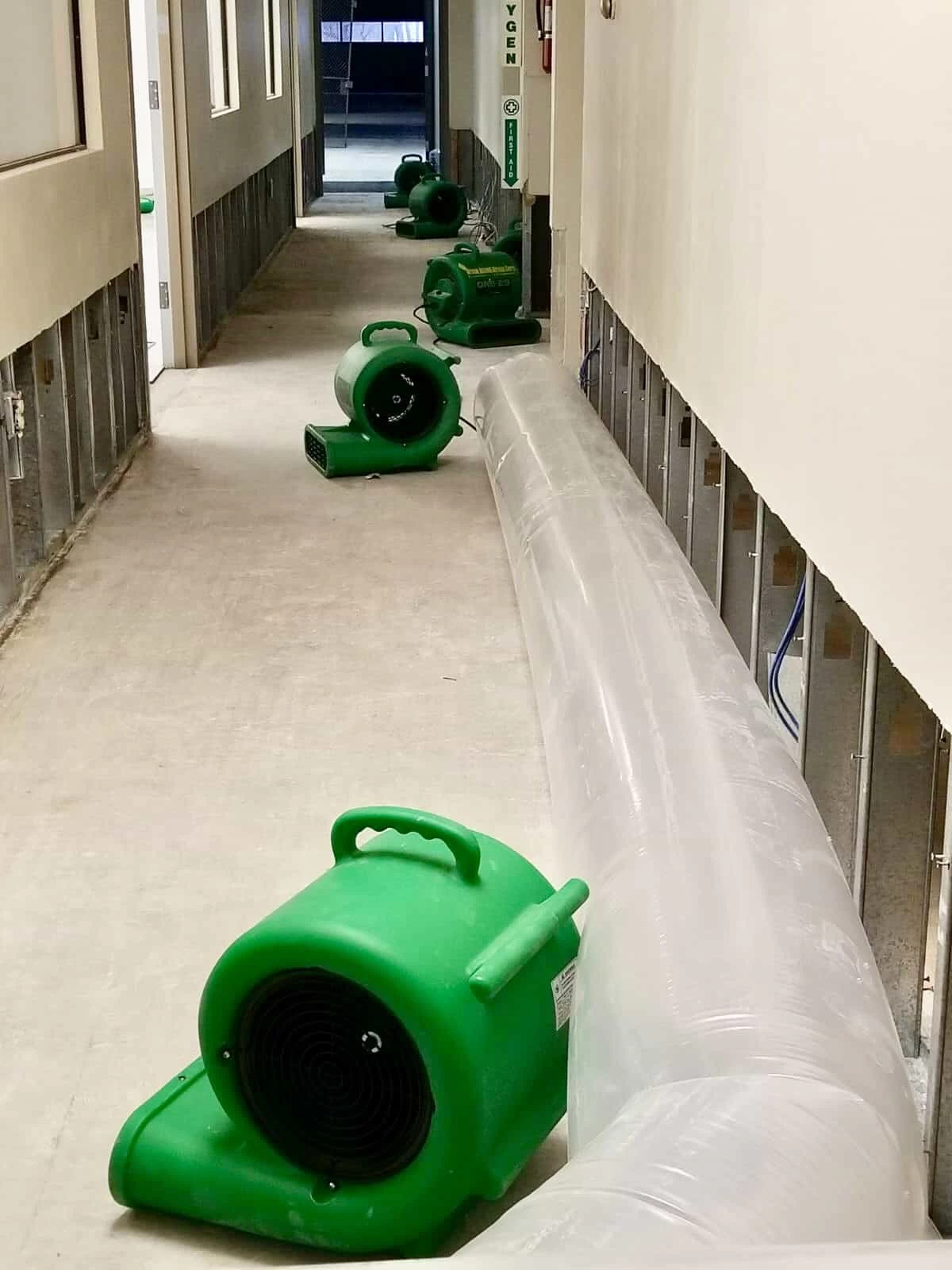
House demolition in Breezy Point isn’t a single service it’s a sequence of regulated steps, and every one of them matters. We cover the full scope: certified asbestos inspection and abatement, NYC DOB demolition permit filing, NYC DEP pre-abatement notification, physical teardown, debris hauling, and final site clearance. If your project involves oil tank removal, mold remediation, or water damage, those are handled in-house as well not handed off to a subcontractor you’ve never met.
For Breezy Point specifically, the asbestos piece is almost never optional. The bungalows and beach cottages throughout Point Breeze, Rockaway Point, and Roxbury were built in an era when asbestos was standard in insulation, floor tiles, roofing materials, and joint compound. A certified inspection isn’t just a legal requirement it’s what protects you, your neighbors, and the work crew from exposure during the teardown. Skipping it, or working with a contractor who treats it as a checkbox rather than a real process, creates liability that lands on the property owner.
If you’re rebuilding after demolition, FEMA’s current base flood elevation requirements apply to new construction in Breezy Point’s Special Flood Hazard Area. We can walk you through what that means for your site so the teardown is planned with the rebuild in mind not treated as two separate problems.
Do I need a permit to demolish a house in Breezy Point, NY?
Yes and in New York City, the permitting process for demolition is more involved than most homeowners expect. Because Breezy Point is located within the city limits of Queens, all demolition work falls under the NYC Department of Buildings, not a local town or village building department. That means you need a formal demolition permit filed through the DOB NOW system before any physical work begins.
Before that permit is even issued, you’ll need to demonstrate asbestos compliance meaning a certified asbestos inspection has been completed and any required abatement has been addressed. The NYC DEP also requires at least seven days’ advance notification before abatement activities start. Skipping any part of this sequence can result in a Stop Work Order and fines starting at $2,500 for a first offense. On top of the city requirements, the Breezy Point Cooperative has its own internal approval process for construction and demolition work within the community so you’re navigating two parallel tracks, not one. We manage both.
Does the age of my Breezy Point bungalow affect what's required before demolition?
Significantly. The vast majority of homes in Breezy Point were built in the 1940s, 1950s, and 1960s well before the federal government identified asbestos and lead paint as serious health hazards. Under New York State DOL Industrial Code Rule 56, a certified asbestos inspection is required before any demolition or significant renovation work begins on any structure, regardless of its size or current condition.
In practical terms, this means almost every demolition project in Breezy Point involves a mandatory pre-demolition asbestos survey. If asbestos-containing materials are found and in mid-century construction, they often are, in everything from floor tiles to pipe insulation to roofing materials a licensed abatement contractor must remove them before the teardown proceeds. This isn’t optional, and it’s not something a general contractor without abatement certification can legally handle. We hold the NYS DOL certification required to perform this work, which means the inspection, abatement, and demolition all happen under one contractor rather than being split across multiple companies with separate schedules.
How long does house demolition typically take in Breezy Point?
The physical demolition of a standard Breezy Point bungalow the actual teardown and debris removal typically takes one to three days once the project is cleared to begin. The longer part of the timeline is almost always the regulatory and abatement sequence that has to happen first.
Between the asbestos inspection, the seven-day DEP notification window before abatement can start, the abatement work itself, and the NYC DOB permit processing time, the pre-demolition phase can take several weeks depending on the scope of what’s found and how quickly permits move through the system. If the Breezy Point Cooperative’s internal approval process runs parallel to the DOB permit, that timeline needs to be factored in as well. For homeowners who are seasonal residents or managing the project from a distance, this is exactly why having a contractor who handles the entire regulatory sequence rather than expecting you to coordinate it makes such a practical difference. We map out the full timeline upfront so you know what to expect at every stage.
What happens if my property was damaged by a storm does that change the demolition process?
The process is largely the same, but the urgency is higher and the insurance component becomes central. Storm-damaged structures in Breezy Point whether from hurricane-force winds, storm surge, or fire still require the same NYC DOB permit, asbestos inspection, and DEP notification before demolition can legally proceed. There’s no emergency exemption that bypasses the regulatory requirements, even when the situation feels urgent.
What changes is the insurance piece. If your demolition is being triggered by storm or flood damage, your homeowner’s insurance policy may cover some or all of the demolition costs but that depends on your specific policy, your adjuster’s assessment, and how the claim is documented. We work directly with insurance carriers and handle the billing and documentation on your behalf. Given that Breezy Point has one of the highest concentrations of Repetitive Loss properties in New York City homes that have been damaged and repaired multiple times this is a process we’ve worked through many times. We know what adjusters need and how to keep the claim from stalling the project.
Can I demolish my house in Breezy Point and rebuild to meet current flood requirements?
Yes, and for many Breezy Point homeowners, it’s the most practical path forward. Because the community sits within FEMA’s Special Flood Hazard Area, new construction must meet current base flood elevation requirements meaning the rebuilt structure needs to be elevated above the designated flood level for the area. Many of the older bungalows in Breezy Point were built at or near grade, without elevated foundations, and bringing them into compliance through renovation alone is often more expensive and complicated than starting fresh.
Demolishing the existing structure and rebuilding on an elevated foundation gives you a code-compliant home that meets current FEMA standards, which directly affects your flood insurance rates going forward. For homeowners dealing with Repetitive Loss designations properties that have flooded and been repaired multiple times this path can also open up mitigation assistance programs through the city and FEMA. We can walk you through what the demolition side of that process involves and coordinate the teardown so the site is properly prepared for your rebuild contractor.
How does Green Island Group handle demolition logistics inside the Breezy Point Cooperative?
Working inside the Breezy Point Cooperative adds a layer that most contractors outside the Rockaway Peninsula simply aren’t prepared for. Beyond the NYC DOB permit and DEP requirements, the cooperative has its own internal rules governing construction and demolition activity within the community. That means approvals need to run on two tracks simultaneously and missing the cooperative’s process while focusing only on the city permit is a real way to create delays once you’re ready to start.
On the logistics side, Breezy Point’s single-road access through Rockaway Point Boulevard and the Cross Bay Veterans Memorial Bridge requires real coordination for equipment delivery, dumpster placement, and debris removal. There’s no back route. Scheduling has to account for that, especially if work is happening during the summer months when the community’s population swells and road traffic increases significantly. We have worked in coastal communities with exactly these kinds of access constraints, and that experience shows up in how the project is planned not just how it’s executed.