Cambria Heights Homes Are Old. Demolition Here Isn't Simple.
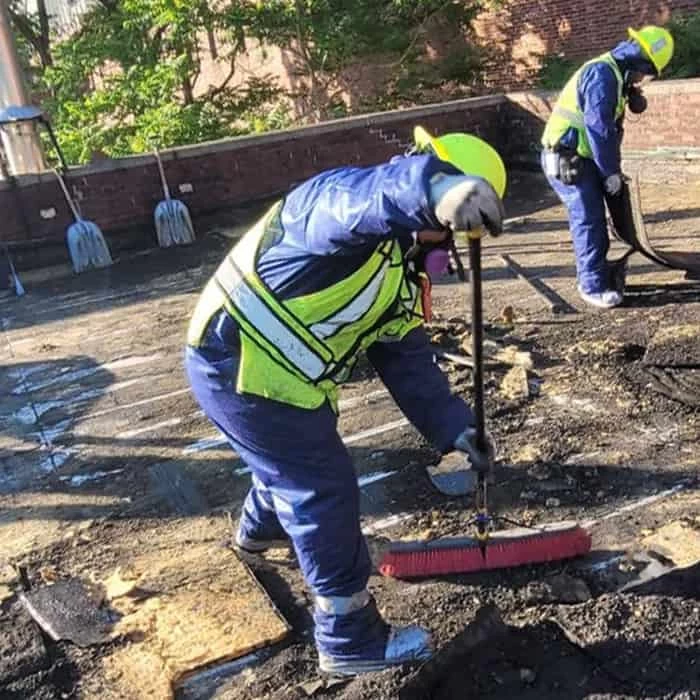
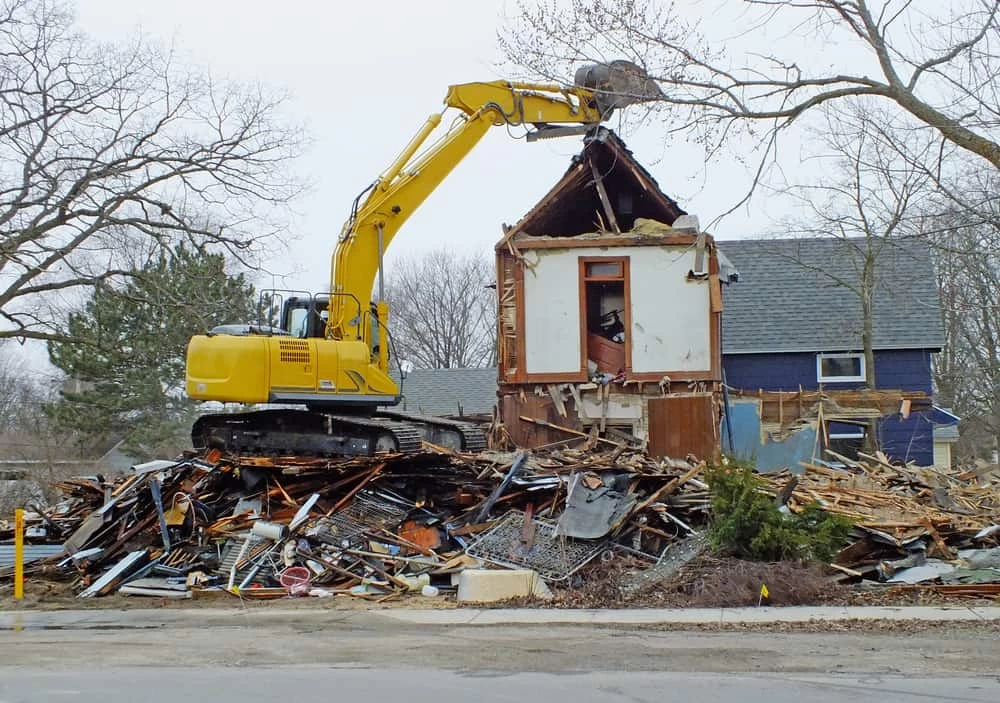
Most homes in Cambria Heights were built before 1940 and that changes everything about how house demolition has to be handled. We manage the full scope, from asbestos surveys to NYC permits to final cleanup. When you’re dealing with a pre-war Queens home that’s deteriorated beyond repair, the regulatory requirements are different, the hazards are real, and the contractor you choose has to know what they’re walking into before day one.
I needed a professional consultation explanation of procedure for safe removal of Asbestos in my apartment complex. Without having an account yet, I was very impressed with the caring, knowledgeable and generous advice offered by Jessica, and will look forward to doing business in the future. Thank you so much! I feel much more informed about a sometimes scary endeavor. Peace. Nancy Silva Mineola, NY.
Mia Munoz
Used this company to clean up some water flood in my house. They were fast and easy to work with.very professional, Would recommend to anyone!
Nini Valle
Great company, had a flood and they responded quickly and efficiently. Billed my insurance company directly. I highly recommend this company!
joe colapietro, jr
I had pipe freeze in my basement right before a snow storm and they made to within an hour to help start the clean up process. They we by our side throughout the entire process and even helped with the insurance company. They did such a great job with the cleanup, repair, remidiation, I contracted them to perform the repairs and finishes in the basement. They came with enough manpower and material to get the job done. Leo and Jessica were nothing but a pleasure to deal with!!
Cristian Arredondo c
I had some water damage in my home and Green Island was able to take care of my issue quickly and effectively. I am very pleased with the work they did. They responded quickly and were very professional.
Michael M
Outstanding service! From the office to the field crew everyone was friendly, helpful and responsive. I highly recommend Green Island Group.
What Changes When You Work With a Contractor Who Knows This Neighborhood
When your home has been sitting with water damage, structural deterioration, or years of deferred problems, the decision to demolish isn’t easy but once it’s made, the last thing you need is a contractor who creates more complications than they solve. What you need is someone who already knows what’s inside a pre-war Cambria Heights home and has a plan for it before they ever show up.
Cambria Heights has one of the oldest housing stocks in Queens. The majority of homes here were built in 1939 or earlier, and nearly all of them predate 1978. That means asbestos in the floor tiles, insulation, ductwork, or roofing isn’t a possibility it’s almost a certainty. Under NYC law, a certified asbestos survey has to happen before any demolition work begins, and if materials test positive, abatement has to be completed and reported to the NYC Department of Environmental Protection before a single wall comes down. When your demolition contractor also holds NYS DOL asbestos abatement certification, that process happens in sequence not in separate contracts with separate timelines and separate invoices.
Southeast Queens has also dealt with chronic stormwater flooding for decades. The NYC DEP invested $1.9 billion in drainage infrastructure specifically for this area, and that’s not a coincidence. Flood-related foundation damage, basement deterioration, and mold-driven structural compromise are real, recurring reasons homeowners in Cambria Heights end up needing demolition services sometimes urgently. Having a contractor available around the clock, who can also handle the insurance billing directly, turns a stressful emergency into a manageable one.
12 Years In. Every Queens Permit Office. No Surprises.
We’ve been operating across New York City and Long Island for over 12 years, completing more than 5,000 restoration, remediation, and demolition projects across the state. We’re licensed, fully insured, and NYS DOL-certified for asbestos abatement which matters enormously in a neighborhood like Cambria Heights, where the housing stock demands it.
We serve all five boroughs, Nassau County, and Suffolk County, with explicit coverage across southeast Queens including Cambria Heights, Laurelton, Springfield Gardens, St. Albans, and Queens Village. That means we already know the NYC DOB permit process, the DEP notification requirements, and the utility disconnection coordination that Con Edison requires before any demolition can begin. We’ve done it in Cambria Heights before.
What makes a difference here isn’t just licensing it’s that we handle demolition and hazardous materials abatement under one roof. You don’t have to find a separate asbestos contractor, manage two timelines, and hope the schedules line up. One call covers the survey, the abatement if needed, the permits, and the teardown.
From First Call to Clear Site Here's the Honest Walkthrough
It starts with a site assessment. Before any estimate is finalized, we evaluate the structure, identify what’s there, and determine what the project actually requires including whether a certified asbestos survey is needed. In Cambria Heights, the answer is almost always yes. Homes built before 1940 commonly contain asbestos in multiple material categories, and New York State’s Industrial Code Rule 56 requires a survey before any demolition or renovation work disturbs building materials, regardless of the building’s age.
Once the survey is complete, any asbestos-containing materials are abated by our in-house certified team. The NYC DEP is notified at least seven days before abatement activities begin, as required. After abatement is cleared, the demolition permit application goes to the NYC Department of Buildings. Utility disconnection gas and electric through Con Edison is coordinated in advance, because demolition cannot legally begin until services are confirmed off. If your property in Cambria Heights sits within or near the 222nd Street or 227th Street Historic Districts, LPC considerations are factored in from the start, not discovered mid-project.
The demolition itself follows strict containment protocols important in a neighborhood where homes sit close together on established residential streets and neighbors have been there for decades. Debris is removed and the site is left clean. If you’re working through an insurance claim, we handle billing directly with your carrier so that piece isn’t sitting on your plate while everything else is already in motion.
Everything the Job Requires Not Just the Easy Parts
House demolition in Cambria Heights isn’t just about tearing something down. The regulatory requirements, the age of the housing stock, and the density of the neighborhood mean the job has layers that a lot of contractors either aren’t equipped for or don’t disclose upfront. We cover the full scope.
That includes certified asbestos surveys, NYS DOL-certified abatement when required, NYC DOB demolition permits, NYC DEP notifications, and utility coordination before work begins. For properties within Queens Community Board 13 which covers Cambria Heights we’re familiar with the local permit environment and what the DOB expects for residential demolition projects in this area. If your property sits near the LPC-designated historic districts on 222nd or 227th Street, that’s factored into the plan from day one, not treated as a surprise.
We also cover interior selective demolition kitchen and bathroom gut-outs, basement teardowns, structural wall removal for homeowners who aren’t doing a full teardown but need significant demolition work done before a renovation can move forward. Accessory structure removal (garages, sheds, fencing) is handled as well. Every estimate is comprehensive: permits, hazmat survey, abatement if applicable, debris removal, and site cleanup are all accounted for. No line items added after you’ve already signed.
Do I need a permit to demolish a house in Cambria Heights, NY?
Yes and in New York City, the permitting process for demolition is more involved than in most other places. The NYC Department of Buildings requires a Demolition Permit before any work begins, and for residential structures in Queens, that typically means submitting detailed plans and coordinating with the DOB’s borough office. Skipping this step doesn’t just create legal risk it results in an immediate Stop Work Order if caught, with civil fines starting at $2,500 for a first offense and escalating from there.
In Cambria Heights specifically, there’s an additional layer: if your property is located within or adjacent to the 222nd Street or 227th Street Historic Districts both designated by the NYC Landmarks Preservation Commission in June 2022 exterior alterations including demolition may require LPC review and approval before the DOB permit is even issued. Most contractors working outside of southeast Queens have no idea these districts exist. It’s worth confirming your address against the LPC map before you start any conversations about timeline.
Does my home in Cambria Heights need an asbestos survey before demolition?
Almost certainly. Under New York State’s Industrial Code Rule 56, a certified asbestos survey is required before any demolition or renovation work that could disturb building materials and that requirement applies regardless of a building’s age. In Cambria Heights, where the majority of homes were built in 1939 or earlier and virtually all predate 1978, asbestos-containing materials are common in floor tiles, pipe insulation, roofing materials, textured ceilings, and ductwork. This isn’t a precaution it’s a near-certainty on most projects here.
If the survey identifies asbestos-containing materials, abatement must be completed before demolition begins. The NYC Department of Environmental Protection also requires at least seven days’ advance notification before abatement activities start. A contractor who skips the survey or tries to proceed without abatement is putting you the property owner at legal and financial risk, not just themselves. Working with a contractor who holds in-house NYS DOL asbestos abatement certification means the survey, the abatement, and the DEP notification are handled as part of one coordinated process, not pieced together from multiple vendors.
How much does house demolition cost in Queens, NY?
The honest answer is that it depends heavily on what the project actually requires and in Cambria Heights, the pre-demolition requirements often drive a significant portion of the total cost. A certified asbestos survey, abatement if materials are found, NYC DOB permit fees, utility disconnection coordination, debris removal, and site cleanup all factor into the final number. A comprehensive estimate should include all of these and if a quote you’re looking at doesn’t mention permits or hazmat, it’s worth asking why.
For a standard single-family residential demolition in Queens, total project costs including permits and abatement for a pre-1978 home typically land somewhere in the range of $15,000 to $30,000 or more depending on structure size, material conditions, and site access. Interior selective demolition projects (a full kitchen gut, basement teardown, or structural wall removal) run considerably less. The most useful thing you can do is get a written estimate that breaks out each component so you understand exactly what you’re paying for and why.
My basement flooded and the structure is damaged do I need demolition or restoration?
It depends on the extent of the damage, and the line between restoration and demolition isn’t always obvious from the outside. Southeast Queens including Cambria Heights has a well-documented history of chronic stormwater flooding, and the NYC DEP’s $1.9 billion drainage investment in this area exists precisely because basement flooding and structural water damage are recurring problems for homeowners here. When water has compromised a foundation, caused significant mold growth behind walls, or deteriorated structural framing, restoration alone may not be enough and attempting it without addressing the underlying structural damage first creates long-term problems.
A site assessment is the right first step. In many flood-damage scenarios, partial structural demolition removing damaged sections, compromised framing, or a deteriorated foundation wall is required before any remediation or rebuild can happen. If your home in Cambria Heights has experienced repeated flooding over the years, it’s also worth having the structural integrity of the lower level evaluated before any contractor starts pulling permits for restoration work. We handle both demolition and remediation, so the assessment gives you a complete picture rather than a recommendation shaped by what one type of contractor is licensed to sell you.
Can a demolition contractor handle the asbestos removal, or do I need to hire two companies?
You don’t have to hire two companies but many homeowners end up doing exactly that because most demolition contractors aren’t certified for asbestos abatement. In that scenario, you’re coordinating two separate contracts, two separate timelines, and two separate mobilization costs. The abatement company finishes, clears out, and then the demolition crew has to be rescheduled and any gap in that sequence can push your project back by weeks, especially given NYC DOB permit timelines.
We’re both a licensed demolition contractor and a NYS DOL-certified asbestos abatement company. For Cambria Heights homeowners dealing with pre-war housing stock where asbestos is the rule, not the exception that means the survey, the abatement, the DEP notification, and the demolition all happen under one contract, in the right sequence, without the coordination headaches. It also means your estimate reflects the actual full scope of the project from the beginning, rather than growing after the survey comes back positive.
How long does the house demolition process take in Cambria Heights from start to finish?
The physical demolition of a single-family home can often be completed in one to three days once everything is in place. The longer part of the timeline is what comes before: the asbestos survey, any required abatement, the NYC DEP notification window (minimum seven days before abatement begins), the NYC DOB permit application and approval, and utility disconnection coordination with Con Edison. Realistically, from the time you sign a contract to the time demolition begins, you’re looking at three to six weeks in most cases sometimes longer if the DOB permit review runs slow or if abatement is more extensive than initially anticipated.
For homeowners in Cambria Heights dealing with emergency situations a storm-damaged structure, a fire-compromised home, or acute flooding we’re available 24 hours a day and can mobilize quickly for the assessment and emergency stabilization phase while the permit and abatement process moves in parallel. Planning ahead on timeline is always better than rushing it, but when circumstances don’t allow for that, having a contractor who can respond immediately and manage the regulatory sequence at the same time makes a real difference.