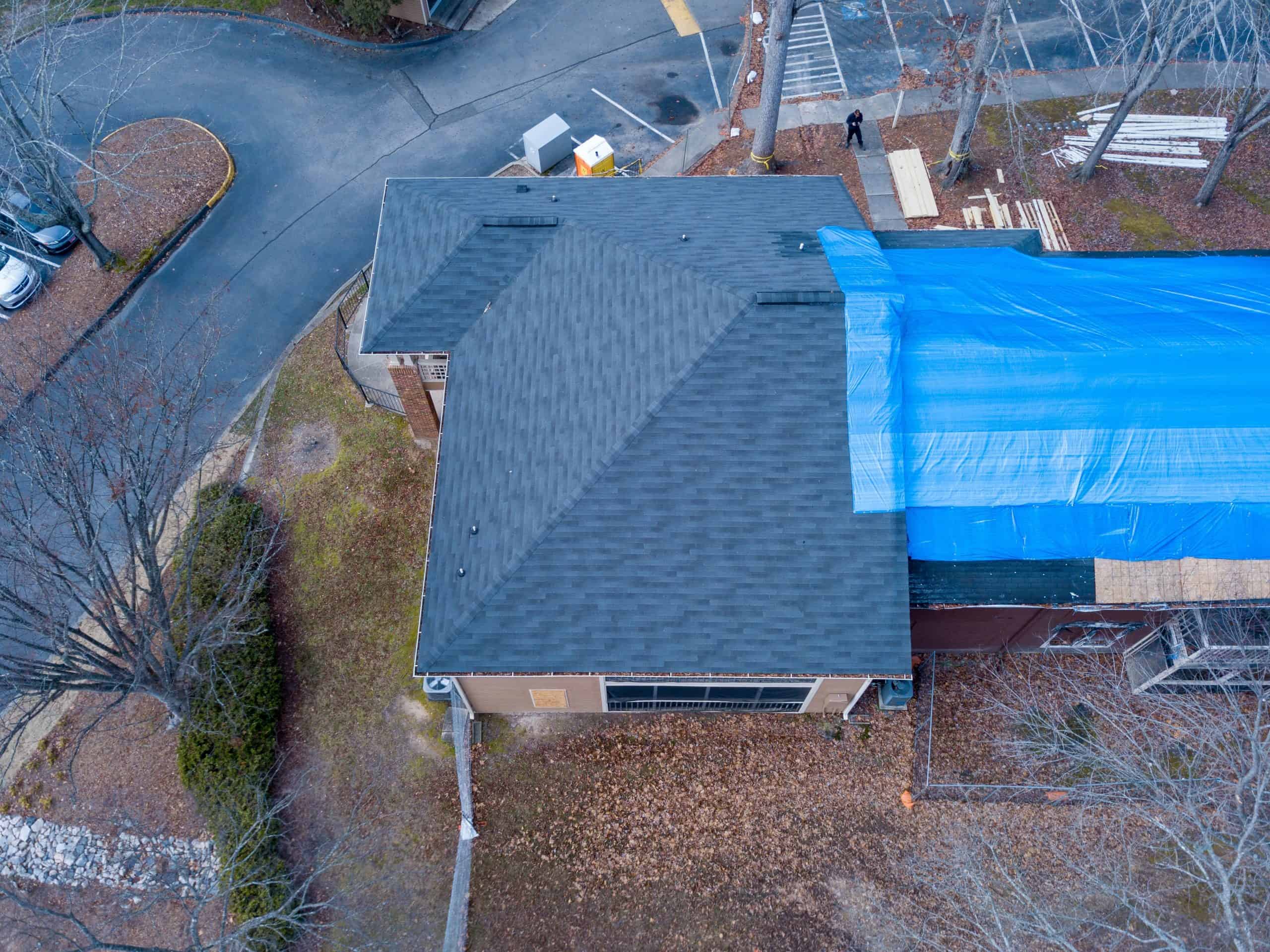
Most homes in Cedarhurst were built around 1951. If yours has reached the end of its useful life, house demolition is a bigger process than most contractors let on — and we handle every piece of it.
I needed a professional consultation explanation of procedure for safe removal of Asbestos in my apartment complex. Without having an account yet, I was very impressed with the caring, knowledgeable and generous advice offered by Jessica, and will look forward to doing business in the future. Thank you so much! I feel much more informed about a sometimes scary endeavor. Peace. Nancy Silva Mineola, NY.
Mia Munoz
Used this company to clean up some water flood in my house. They were fast and easy to work with.very professional, Would recommend to anyone!
Nini Valle
Great company, had a flood and they responded quickly and efficiently. Billed my insurance company directly. I highly recommend this company!
joe colapietro, jr
I had pipe freeze in my basement right before a snow storm and they made to within an hour to help start the clean up process. They we by our side throughout the entire process and even helped with the insurance company. They did such a great job with the cleanup, repair, remidiation, I contracted them to perform the repairs and finishes in the basement. They came with enough manpower and material to get the job done. Leo and Jessica were nothing but a pleasure to deal with!!
Cristian Arredondo c
I had some water damage in my home and Green Island was able to take care of my issue quickly and effectively. I am very pleased with the work they did. They responded quickly and were very professional.
Michael M
Outstanding service! From the office to the field crew everyone was friendly, helpful and responsive. I highly recommend Green Island Group.
When you’re tearing down a home in Cedarhurst, you’re not just dealing with a structure. You’re dealing with a home that was almost certainly built before 1980, which means asbestos is part of the picture before a single wall comes down. You’re dealing with a village that issues its own demolition permits through its own Building Department — separate from the Town of Hempstead — and a Nassau County health requirement that puts a 10-day clock on your project the moment an inspector signs off. Most homeowners don’t find out about any of this until something goes wrong.
What you actually want is simple: a cleared, clean site that’s ready for whatever comes next, with no permit violations, no environmental surprises, and no contractor disappearing halfway through. That’s what this process looks like when it’s managed correctly from the start.
Cedarhurst lots are tight. With over 10,700 people per square mile packed into less than a square mile of land, your neighbors are close, the streets are busy, and there’s no room for sloppy work. Dust containment, careful debris staging, and real coordination matter here in a way they don’t in a more spread-out suburb. When the job is done, your property should be clean, your neighbors shouldn’t have a complaint, and you should have full documentation proving everything was handled to code.
340 Projects Deep and Still Getting the Details Right
We’re a full-service demolition and environmental contractor based on Long Island, serving all of Nassau County — including Cedarhurst and the broader Five Towns area. Over 12 years and more than 340 completed projects across Long Island, Queens, Brooklyn, and Manhattan, we’ve built a reputation not on being the biggest name in the room, but on being the one that actually shows up prepared.
What that means for you in Cedarhurst: EPA, OSHA, and NYS DOH certifications for asbestos work, so testing and abatement aren’t a separate contractor you have to find and coordinate. It means we know Cedarhurst issues its own demolition permits through its own village Building Department — not the Town of Hempstead — and that Nassau County’s Rodent-Free Certificate has a 10-day window that requires precise scheduling to protect.
Our 4.7-star rating across verified reviews isn’t built on anonymous clicks. Customers name specific team members, describe specific situations, and come back for additional work. In a tight-knit community like the Five Towns, that kind of word-of-mouth track record means more than any credential on a wall.
It starts with a site assessment. Before anything else, we look at the structure, the lot, and what’s around it. In Cedarhurst, that means accounting for neighboring homes sitting close by, access from Peninsula Boulevard or Rockaway Turnpike for equipment, and whether the home’s age — typically mid-century construction in this village — points to asbestos-containing materials that need to be addressed before demolition begins.
From there, we handle permitting. That means filing for the Village of Cedarhurst demolition permit through the village’s own Building Department, coordinating the Nassau County Department of Health inspection for the Rodent-Free Certificate, and scheduling everything so demolition starts within that 10-day window. We also manage utility disconnection with PSEG Long Island for gas and electric, and coordinate water and sewer shutoff — all of which have to happen before the first piece of equipment touches the structure.
If asbestos is present — and in a home built around 1951, it very likely is — our NYS DOH-certified team handles testing and abatement as part of the same workflow. You don’t need a separate contractor or a separate timeline. Once the site is cleared and the structure is down, we handle debris removal and full site cleanup, leaving you with a ready-to-build lot and complete documentation of every regulatory step. No handoffs, no gaps.
Full house demolition in Cedarhurst covers more ground than most homeowners expect going in. The structural teardown itself is straightforward. Everything surrounding it — the permits, the health certifications, the asbestos clearance, the utility coordination — is where projects either run smoothly or fall apart. We manage the entire scope under one roof.
That includes the Village of Cedarhurst demolition permit, the Nassau County Rodent-Free Certificate, Nassau County Fire Marshal permits where applicable, and the NYS DOH asbestos inspection and abatement for any pre-1980 structure. Given that Cedarhurst’s median home was built in 1951, that last item applies to nearly every full demolition project in this village. We also handle the dumpster and debris staging permits required by the village, so there’s no situation where equipment or materials are sitting on the street without proper authorization.
For homeowners dealing with storm damage, fire damage, or a flood-compromised structure — not uncommon on Long Island’s South Shore — we’re available around the clock and have direct experience helping clients navigate the insurance documentation process alongside the physical work. If you’re planning a demolition-to-rebuild, we can take the site from teardown through full restoration and rebuild-ready preparation, so the handoff to your builder is clean. One point of contact from start to finish.
Do I need a permit to demolish a house in Cedarhurst, NY?
Yes, and the permit comes from the Village of Cedarhurst’s own Building Department — not the Town of Hempstead. Cedarhurst is an incorporated village, which means it operates its own permitting authority separate from the surrounding town government. This is a distinction that catches a lot of homeowners and even some contractors off guard.
Beyond the village demolition permit, you’ll also need a Rodent-Free Certificate from the Nassau County Department of Health before any demolition can begin. That certificate comes with a hard deadline: demolition must start within 10 days of the inspection date printed on the certificate. If that window passes, you need a new inspection. Coordinating the village permit, the county health certificate, utility disconnections, and asbestos clearance so they all land in the right sequence is one of the more critical parts of managing a demolition project in Cedarhurst correctly.
Does my Cedarhurst home need asbestos testing before it can be demolished?
If your home was built before 1980, New York State law requires an asbestos inspection by a NYS DOH-certified inspector before demolition proceeds. In Cedarhurst, where the median home was built in 1951, that requirement applies to the overwhelming majority of full demolition projects in the village.
Asbestos was commonly used in insulation, floor tiles, ceiling tiles, roofing materials, pipe wrap, and joint compound throughout the mid-century construction era. It doesn’t mean your home is unusable or dangerous as-is, but it does mean that disturbing those materials without proper testing and abatement is both illegal and genuinely hazardous. We hold all required NYS DOH certifications to handle testing and abatement in-house, so this step is built into the project timeline rather than handed off to a separate company you’d have to find, schedule, and coordinate yourself.
How much does house demolition cost in Cedarhurst, NY?
The honest answer is that costs in the New York metro area run 20 to 30 percent above national averages, and Cedarhurst adds a few layers on top of that. Nationally, full house demolition typically runs $6,000 to $25,000 depending on size. In Nassau County, and specifically in a dense incorporated village like Cedarhurst, you should budget for village-level permit fees, the Nassau County health inspection, asbestos abatement if applicable (which it almost always is here given the age of the housing stock), utility disconnection coordination, and tight-lot debris management.
Foundation removal, if needed, adds roughly $2,000 to $10,000 on top of the structural teardown. If you’re planning a full demolition and rebuild, total project costs typically range from $125,000 to $450,000 depending on the scope of new construction. Getting a site-specific estimate is the only way to get a real number — the variables are too significant to quote accurately without seeing the property. We provide free estimates and walk you through what’s driving the cost so there are no surprises.
What happens if my house was damaged by a storm — can it still be demolished?
Yes, and in many cases storm-damaged structures need to be addressed quickly for safety reasons. Cedarhurst sits on Long Island’s South Shore, close enough to the coastline that nor’easters, tropical storm remnants, and flooding events from the surrounding waterways are a real and recurring concern. The Five Towns area saw significant structural damage from Hurricane Sandy in 2012, and that pattern of storm-related damage hasn’t gone away.
A storm-compromised structure — whether the damage is from wind, flooding, or fire following an electrical failure — can still be fully demolished and the site cleared for rebuilding. The same permit and asbestos requirements apply regardless of how the structure was damaged. What changes in an emergency situation is the urgency, and we’re available 24 hours a day for exactly that reason. We also have direct experience helping homeowners document the work for insurance claims, which matters significantly when you’re dealing with a high-value Cedarhurst property and a complicated claim.
How long does the house demolition process take from start to finish?
The physical demolition of a residential structure typically takes one to three days depending on size and complexity. The full project timeline — from initial assessment through permit approval, asbestos clearance, utility disconnection, demolition, and site cleanup — generally runs four to eight weeks in Nassau County, though that can vary based on how quickly the Village of Cedarhurst processes permit applications and how the Nassau County health inspection is scheduled.
The most common source of delays is sequencing: if the Rodent-Free Certificate is obtained before the village permit is ready, or if utility disconnection runs behind, the 10-day window on the health certificate can expire and require a new inspection. Tight project management of those interdependencies is what keeps a Cedarhurst demolition on schedule. When you work with a contractor who knows this process and manages it proactively, the timeline stays predictable.
Can I demolish my house in Cedarhurst and rebuild on the same lot?
Yes, and it’s a path that makes strong financial sense for a lot of Cedarhurst homeowners right now. With average home sale prices in the village crossing $1 million and land values continuing to climb, the math on demolition and rebuild often works out better than a major renovation — especially when you’re dealing with a mid-century home that needs significant structural, electrical, or plumbing updates to meet modern standards.
The process works in sequence: full demolition and site clearance first, followed by new construction on a clean, permitted, restore-ready lot. We can take the project from teardown through complete site restoration so your builder receives a fully prepared lot with all regulatory documentation in hand. If you’re in the early stages of deciding between renovation and rebuild, that’s worth a conversation before you commit either way — the condition of the existing structure, the scope of what you want to build, and the current land value in Cedarhurst all factor into which direction actually makes more sense for your specific situation.