When a 70-Year-Old Copiague Home Has Run Its Course
Most homes in Copiague were built fast during the post-war boom, and they weren’t built to last forever. When yours has reached that point, house demolition shouldn’t add more chaos to an already stressful situation and with us, it won’t.
I needed a professional consultation explanation of procedure for safe removal of Asbestos in my apartment complex. Without having an account yet, I was very impressed with the caring, knowledgeable and generous advice offered by Jessica, and will look forward to doing business in the future. Thank you so much! I feel much more informed about a sometimes scary endeavor. Peace. Nancy Silva Mineola, NY.
Mia Munoz
Used this company to clean up some water flood in my house. They were fast and easy to work with.very professional, Would recommend to anyone!
Nini Valle
Great company, had a flood and they responded quickly and efficiently. Billed my insurance company directly. I highly recommend this company!
joe colapietro, jr
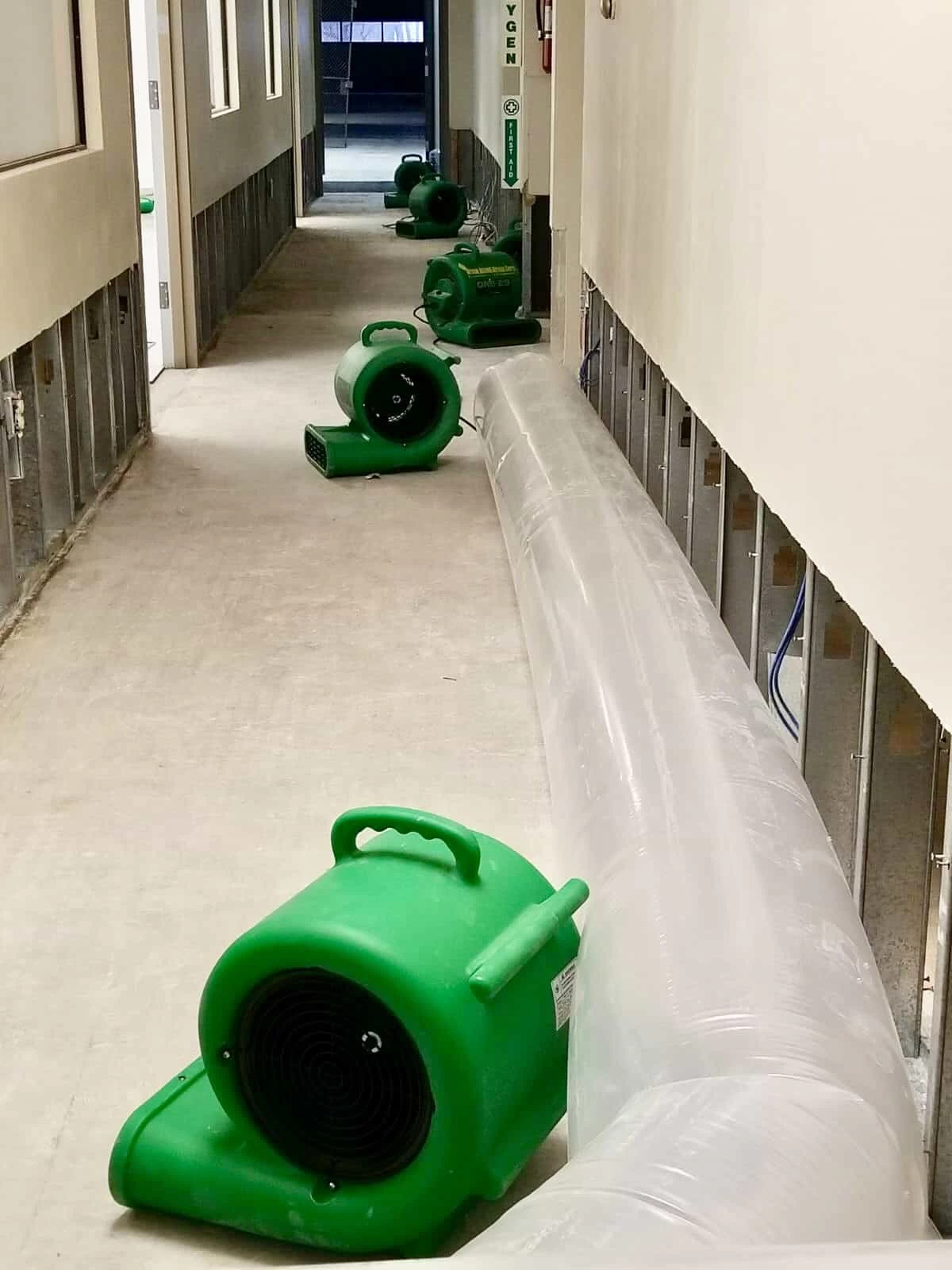
I had pipe freeze in my basement right before a snow storm and they made to within an hour to help start the clean up process. They we by our side throughout the entire process and even helped with the insurance company. They did such a great job with the cleanup, repair, remidiation, I contracted them to perform the repairs and finishes in the basement. They came with enough manpower and material to get the job done. Leo and Jessica were nothing but a pleasure to deal with!!
Cristian Arredondo c
I had some water damage in my home and Green Island was able to take care of my issue quickly and effectively. I am very pleased with the work they did. They responded quickly and were very professional.
Michael M
Outstanding service! From the office to the field crew everyone was friendly, helpful and responsive. I highly recommend Green Island Group.
Here’s something most Copiague homeowners don’t find out until they’re already mid-process: a standard demolition contractor can’t legally touch your home until a licensed asbestos survey is complete. And if that survey comes back positive which it very likely will in a home built between the 1940s and 1960s you’ll need a separate abatement contractor before the demo crew can even show up. That’s two contractors, two schedules, two sets of paperwork, and weeks of delays you didn’t plan for.
We handle all of it. The asbestos survey, the abatement if it’s needed, the full structural teardown, debris removal, and site cleanup all under one contract. For homeowners in Copiague’s canal neighborhoods south of Montauk Highway, where flood damage, aging structures, and post-Sandy recovery have already created enough complexity, that kind of streamlined process isn’t a luxury. It’s the only way this kind of project should run.
What you’re left with at the end is a clean, permit-closed site ready for whatever comes next, whether that’s new construction, a sale, or simply putting a long chapter behind you. No surprise invoices when asbestos turns up mid-project. No waiting on a second crew to finish before the first one can start. Just a job done right, start to finish.
We’re a full-service demolition and environmental contractor serving Copiague and the broader Town of Babylon. What sets us apart isn’t a tagline it’s a license stack that no pure-play demolition company in this area can match. NYS Department of Labor Asbestos Contractor License. NYS DOL Mold Remediation License. EPA Lead RRP Certification. Suffolk County Home Improvement Contractor License. NYC BIC Trade Waste License. IICRC and NADCA certifications. These aren’t marketing claims they’re verifiable through public records, and they matter enormously in a community like Copiague.
When your home was built in the 1950s, somewhere off Great Neck Road or in the Deauville Gardens neighborhood, the odds are high that asbestos is present. We’re one of the only contractors in the area legally qualified to handle that discovery and keep your project moving without bringing in a third party. That’s not a small thing it’s the difference between a project that wraps on schedule and one that stalls for weeks waiting on a separate abatement crew.
No Guesswork Here's What the Process Actually Looks Like
It starts with a site visit and assessment. Before anything is quoted or scheduled, we evaluate the structure, identify the scope of work, and conduct a licensed asbestos survey because in Copiague’s older housing stock, that step isn’t optional, it’s required by New York State law. If asbestos-containing materials are found, abatement is handled first, with full documentation, before any structural work begins.
From there, we manage the permit process with the Town of Babylon Building Department. That includes the notarized application, contractor insurance documentation, and the Letters of Compliance from LIPA, the Suffolk County Water Authority, and the Suffolk County Sewer District all of which are mandatory prerequisites before demolition can legally proceed. This is the part of the process that catches most homeowners off guard, and it’s where having an experienced contractor makes a real difference in how long the project takes to get off the ground.
Once permits are pulled and utilities are formally disconnected, the structural demolition begins. Our crew works to contain dust, protect neighboring properties which matters in a densely developed community like Copiague and remove all debris to licensed disposal facilities. You receive disposal documentation at the end, which closes out your permit and protects you from any future liability. For properties in flood zones south of Montauk Highway, site preparation after demolition follows the additional requirements that come with that designation.
What's Included When Copiague's Housing Stock Is the Starting Point
Full house demolition in Copiague isn’t a simple teardown. The homes here mostly ranch-style and Cape Cods built during the post-war boom come with decades of deferred maintenance, frequent unpermitted additions, and materials that require careful handling before a wrecking crew ever arrives. Our scope covers the entire process: pre-demolition asbestos survey, licensed abatement if needed, structural demolition, debris hauling to licensed facilities, and final site grading.
For homeowners in the American Venice or Amity Harbor neighborhoods, where properties sit in designated flood zones and may have sustained storm or water damage, the scope often includes mold assessment and remediation as well. We hold the NYS DOL Mold Remediation Contractor License alongside our asbestos credentials, which means a flood-damaged structure doesn’t require a third-party environmental firm before demolition can begin. Everything is documented the abatement, the disposal, the permit closure so you’re protected on paper when the project is done.
Financing is available, including 0% APR options, because demolition rarely happens at a convenient financial moment. Whether you’re settling an estate, dealing with an insurance claim, or finally moving forward on a teardown-rebuild that’s been on hold, there’s a path to getting this done without waiting until the timing is perfect.
Do I need a permit to demolish a house in Copiague, NY?
Yes the Town of Babylon requires a demolition permit for every demolition, no exceptions. The process involves more steps than most homeowners expect. You’ll need a signed and notarized building permit application, proof of contractor insurance, and this is the part that surprises people Letters of Compliance from LIPA, the Suffolk County Water Authority, and the Suffolk County Sewer District confirming that all utilities have been formally disconnected. None of those letters happen automatically, and each one takes time to obtain.
The permit fee is based on the size of the demolition as calculated by the Town’s Plans Examiner, and a $200 certified check is required upfront, subject to return after the demolition is successfully completed. If your home has unpermitted additions which is common in Copiague’s older housing stock that can add another layer of complexity to the application. We manage the entire permit process as part of the project, so you’re not navigating the Town of Babylon Building Department on your own for the first time.
Does my Copiague home likely have asbestos, and what happens if it does?
If your home was built between the 1940s and 1970s which describes the majority of homes in ZIP code 11726 the honest answer is yes, there’s a high probability of asbestos-containing materials somewhere in the structure. The most common locations in homes of that era are floor tiles (especially the 9×9 vinyl tiles that were standard in mid-century construction), pipe insulation, boiler wrap, roofing shingles, exterior siding, joint compound, and textured ceilings. You don’t need to see it to have it.
New York State requires a licensed asbestos survey before any demolition, regardless of the building’s age or condition. If the survey finds asbestos, licensed abatement must be completed before structural demolition begins and the abatement contractor must be separately licensed by the NYS Department of Labor. Most demolition contractors in the Copiague area are not licensed for abatement, which means they’ll stop work and tell you to find someone else. We hold the NYS DOL Asbestos Contractor License and handle the survey, the abatement, and the demolition under one contract, so the project doesn’t stall when asbestos is found.
How much does house demolition cost in Copiague, NY?
For a typical residential demolition in the Long Island market, structural teardown alone generally runs in the range of $15,000 to $40,000 depending on the size of the home, access conditions, and what’s found during the pre-demolition assessment. Copiague’s ranch-style and Cape Cod homes on standard lots tend to fall in the lower-to-middle portion of that range for the structural work itself.
The variable that most homeowners don’t budget for is asbestos abatement. If the pre-demolition survey returns positive findings which, again, is likely given the age of Copiague’s housing stock abatement costs can add anywhere from $1,500 to $30,000 or more depending on the extent and type of materials found. This is why getting a quote from a contractor who conducts the asbestos survey first matters so much. A lowball demo quote that doesn’t account for probable abatement is not actually a lower price it’s a cost surprise waiting to happen. We conduct the survey before finalizing the scope, so the number you agree to reflects the actual project.
Can I demolish a flood-damaged or storm-damaged house in Copiague?
Yes, and in Copiague particularly in the neighborhoods south of Montauk Highway, including American Venice and Amity Harbor this is one of the more common reasons homeowners need demolition services. Properties in these areas sit in designated flood zones along the Great South Bay, and storm damage from events like Superstorm Sandy in 2012 left many homes structurally compromised, abandoned, or in a prolonged state of disrepair. Demolition of a flood-damaged structure follows the same permit process through the Town of Babylon Building Department, but there are additional site preparation requirements that apply to properties within flood zone designations.
One important consideration with flood-damaged homes is mold. A structure that has taken on significant water whether from storm surge, a nor’easter, or prolonged flooding will almost certainly have mold growth in the walls, subfloor, and framing. If you’re working with an insurance claim, your adjuster will likely require documentation of the environmental conditions before demolition proceeds. We hold both the NYS DOL Asbestos Contractor License and the NYS DOL Mold Remediation Contractor License, which means flood-damaged properties can be assessed, documented, and demolished without bringing in a separate environmental firm.
How long does the demolition process take from start to finish in Copiague?
The timeline has two distinct phases, and understanding both helps you plan realistically. The pre-demolition phase which includes the asbestos survey, any required abatement, permit application, and utility disconnection coordination typically takes several weeks. The Town of Babylon’s permit process, including obtaining Letters of Compliance from LIPA and the Suffolk County Water Authority, adds time that most homeowners don’t anticipate. If abatement is required after the survey, that work must be completed and documented before the permit can move forward.
The actual structural demolition of a typical Copiague ranch or Cape Cod, once permits are in hand and utilities are disconnected, can often be completed in one to three days depending on the size of the structure and site conditions. Debris removal and site grading follow immediately after. The total project timeline from initial assessment to clean site is typically four to eight weeks, with the majority of that time spent in the pre-demolition regulatory phase rather than the physical teardown. Working with a contractor who knows the Town of Babylon’s process and can move through it efficiently is the single biggest factor in keeping that timeline on track.
What happens to the debris and materials after my Copiague house is demolished?
All demolition debris is hauled to licensed disposal facilities and the distinction between licensed and unlicensed disposal matters more than most homeowners realize. In New York, improper disposal of construction debris, and especially of asbestos-containing materials, is a federal EPA violation that can create legal liability for the property owner, not just the contractor. If your contractor can’t tell you exactly where the debris is going and hand you documentation proving it, that’s a problem worth taking seriously.
We hold the NYC Business Integrity Commission Trade Waste License, which governs the handling and disposal of construction and demolition waste in the New York metro area. At the end of your project, you receive disposal documentation that serves two purposes: it closes out your demolition permit with the Town of Babylon Building Department, and it creates a paper record protecting you from any future liability claim related to improper waste handling. For Copiague homeowners dealing with homes that contain asbestos or lead paint which is most homes built before 1980 that documentation isn’t a formality. It’s the proof that the job was done correctly and legally.