Corona's Older Homes Need More Than a Wrecking Crew
Most homes in Corona were built before 1960 and that means asbestos, lead paint, and a permit process that can stop your project cold before it starts. We handle the hazmat survey, the NYC DOB permits, and the full demolition under one roof.
I needed a professional consultation explanation of procedure for safe removal of Asbestos in my apartment complex. Without having an account yet, I was very impressed with the caring, knowledgeable and generous advice offered by Jessica, and will look forward to doing business in the future. Thank you so much! I feel much more informed about a sometimes scary endeavor. Peace. Nancy Silva Mineola, NY.
Mia Munoz
Used this company to clean up some water flood in my house. They were fast and easy to work with.very professional, Would recommend to anyone!
Nini Valle
Great company, had a flood and they responded quickly and efficiently. Billed my insurance company directly. I highly recommend this company!
joe colapietro, jr
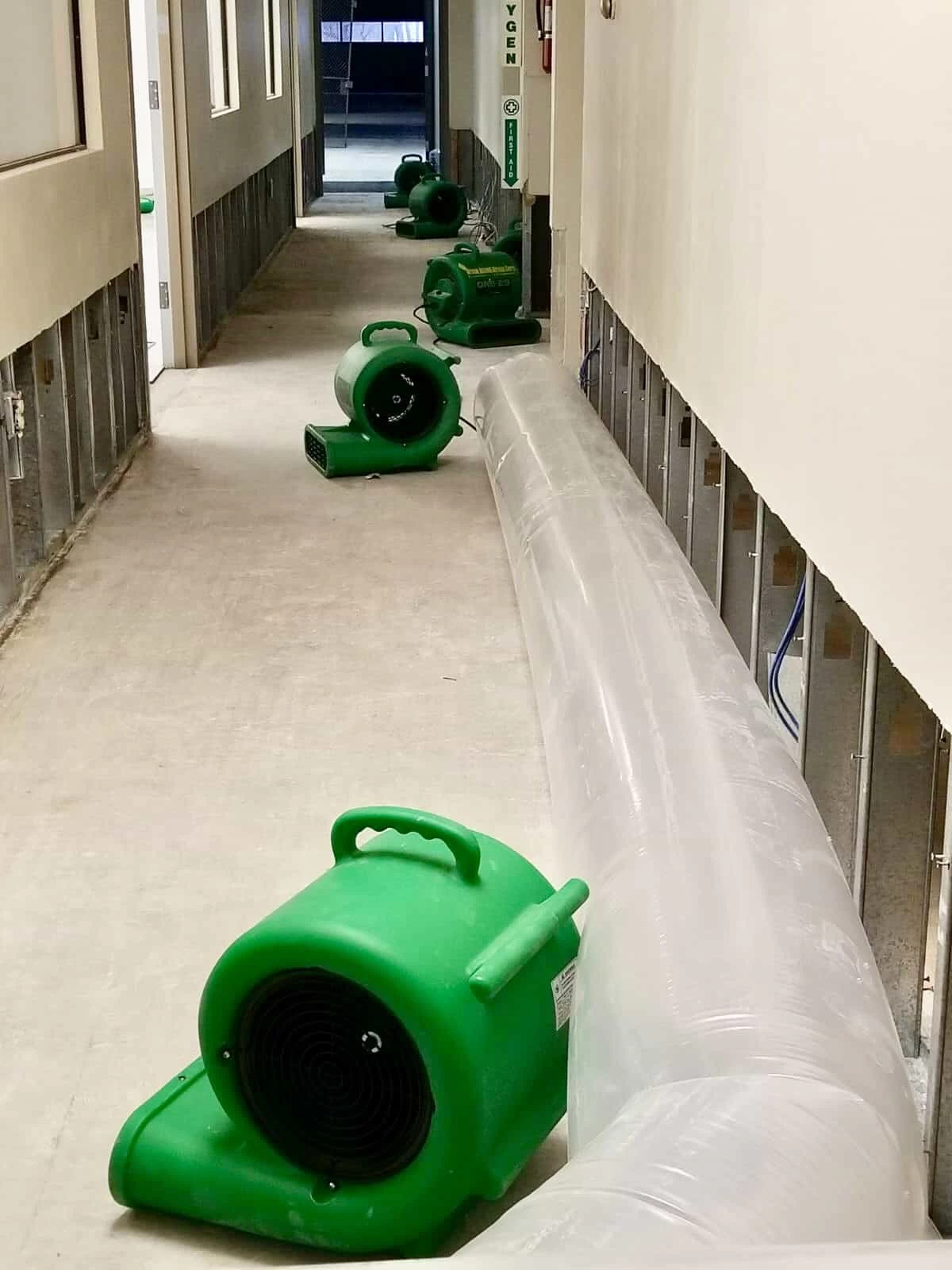
I had pipe freeze in my basement right before a snow storm and they made to within an hour to help start the clean up process. They we by our side throughout the entire process and even helped with the insurance company. They did such a great job with the cleanup, repair, remidiation, I contracted them to perform the repairs and finishes in the basement. They came with enough manpower and material to get the job done. Leo and Jessica were nothing but a pleasure to deal with!!
Cristian Arredondo c
I had some water damage in my home and Green Island was able to take care of my issue quickly and effectively. I am very pleased with the work they did. They responded quickly and were very professional.
Michael M
Outstanding service! From the office to the field crew everyone was friendly, helpful and responsive. I highly recommend Green Island Group.
When you’re dealing with an older Corona property whether it’s a row house off Roosevelt Avenue, a semi-detached home near Junction Boulevard, or a flood-damaged basement apartment that took the worst of what Hurricane Ida left behind the last thing you need is a contractor who shows up, hits a hazmat issue, and suddenly needs to bring in a third party to finish the job. That gap costs you time, money, and unnecessary stress.
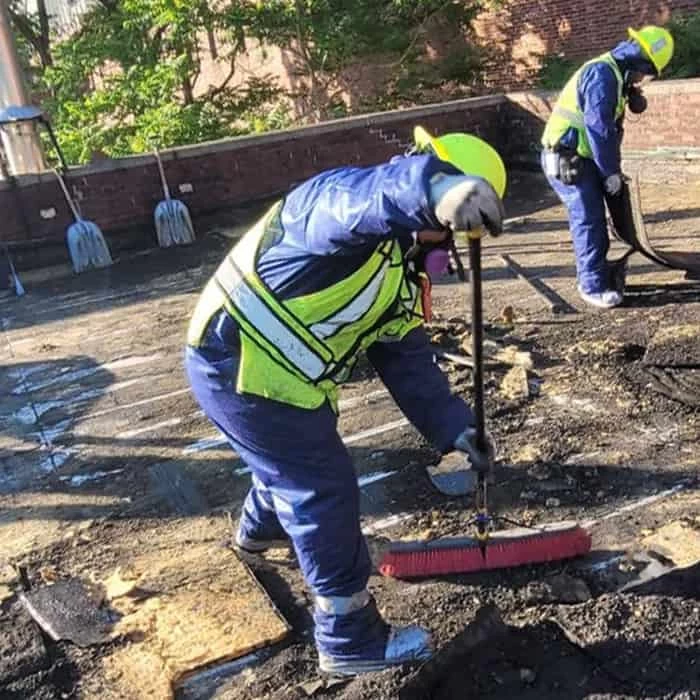
With us, the asbestos abatement and the demolition are handled by the same team. There’s no handoff, no scheduling gap between the abatement crew and the demo crew, and no surprise invoice from a subcontractor you never agreed to hire. Everything from the initial hazmat survey to the final site clearance is managed in-house.
Corona’s housing stock is dense and aging. Roughly 30% of homes here predate 1950, and nearly all of them fall within the window where asbestos use was standard in construction. That’s not a minor detail it’s a legal requirement that has to be resolved before any demolition begins under NYC DEP regulations. When you work with a contractor who already knows that and has the certification to handle it, your project doesn’t stall. It moves.
We’ve been doing demolition and environmental remediation work across New York State for over 12 years. We’re not a general contractor who occasionally takes on a teardown. Demolition and hazmat abatement is what we do and we’ve completed more than 5,000 projects across the state to back that up.
We serve all five New York City boroughs, and Queens is not new territory for us. Our team understands what NYC DOB expects when you’re pulling a demolition permit in Queens, what the asbestos survey process looks like for a pre-war attached home in Corona, and how to navigate the specific requirements that come with dense, shared-wall construction the kind that’s standard throughout Corona, from North Corona down to the blocks closest to the LIE.
Owner Leo Torres stays personally involved in projects. Verified customer reviews describe him walking clients through the process step by step, especially first-time homeowners who’ve never dealt with a demolition before. That’s not a marketing line it’s what shows up in the reviews, and it’s the standard we hold ourselves to.
What Actually Happens From First Call to Clear Site
It starts with a site assessment. Before anything is scheduled, we evaluate the property its age, construction type, structural condition, and whether any hazardous materials are present. In Corona, where the median home was built in 1959 and a significant portion of the housing stock predates 1950, the asbestos survey isn’t optional. It’s a legal prerequisite under NYC DEP regulations, and it happens before any demolition work begins.
Once the assessment is complete, we handle the permit filing directly. Full demolitions in New York City require a DOB demolition permit filed through DOB NOW typically by a registered architect or professional engineer. Interior demolition requires an Alt2 permit. If the structure has been weakened by fire or flooding, special inspections are required before work can begin. Skipping any of these steps results in a Stop Work Order and fines starting at $2,500 for a first offense. We know the process cold and manage it so you don’t have to.
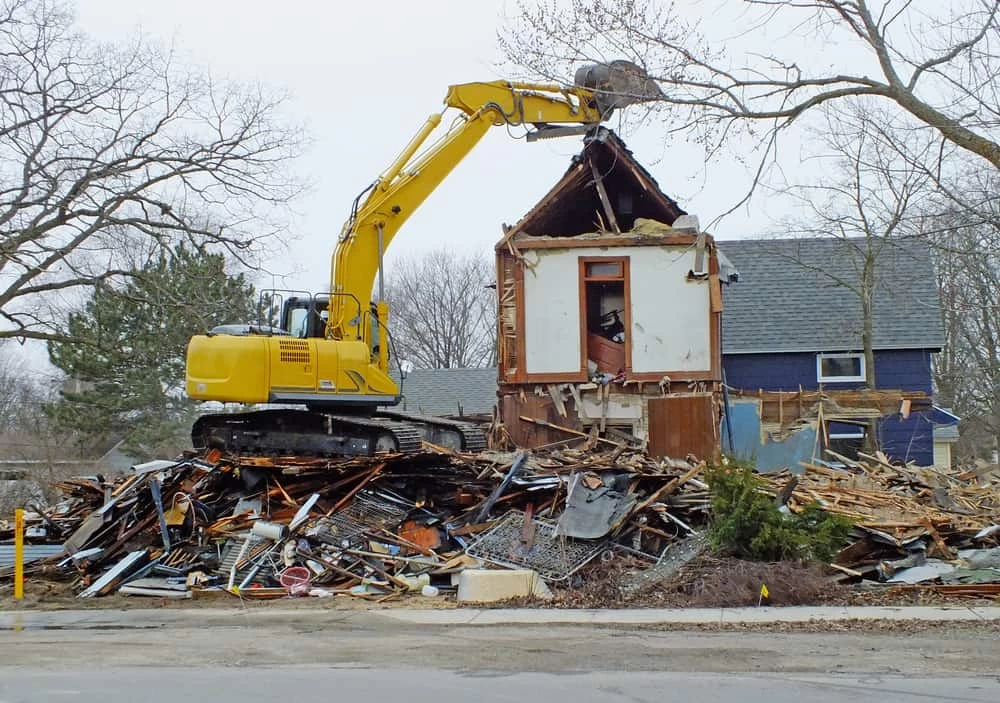
After permits are in place and any required abatement is complete, the demolition itself is executed with the access and containment constraints that come with urban, attached housing. Shared walls, tight equipment access, and proximity to neighboring properties are standard conditions in Corona and our crew works accordingly. When the structure is down, debris is removed and the site is cleared and ready for whatever comes next.
Everything the Job Needs, Nothing You Have to Chase Down
We handle full residential demolition, partial and selective demolition, interior demolition, and emergency teardowns for fire- or flood-damaged structures. If your project is insurance-driven which is common for Corona homeowners dealing with post-storm or post-fire damage we bill insurance carriers directly and work with adjusters on your behalf. Multiple customer reviews specifically call this out as one of the most valuable parts of working with us.
Our asbestos abatement certification is in-house, not subcontracted. Under New York State Industrial Code Rule 56 and NYC DEP regulations, asbestos-containing materials must be identified and removed before any demolition begins, and the DEP must be notified at least seven days before abatement activities start. In a neighborhood like Corona where nearly every structure that’s a candidate for demolition was built during the peak asbestos era this isn’t a side service. It’s a core part of almost every project we do here.
For Corona property owners near the active redevelopment happening around Willets Point, or for those dealing with aging structures on blocks where unpermitted additions have complicated the permit history, we’re experienced with DOB violation resolution and Stop Work Order clearance as well. The job doesn’t end when the structure comes down. It ends when the site is cleared, the paperwork is closed, and you’re ready to move forward.
Do I need a permit to demolish a house in Corona, NY?
Yes and in New York City, the permit requirement is more involved than most homeowners expect. A full demolition requires a DOB demolition permit filed through NYC’s DOB NOW system, and in most cases, a registered architect or professional engineer has to file on your behalf. Interior demolition removing walls, ceilings, or structural elements requires an Alt2 permit. If the structure has been damaged by fire or flooding, additional special inspections are required before work can begin.
Performing any demolition without the required permits results in an immediate Stop Work Order from the NYC Department of Buildings, plus civil fines starting at $2,500 for a first offense. Those fines escalate quickly for repeat violations, and the Stop Work Order can freeze your entire project until the violation is resolved. We manage the full permit process from start to finish, including navigating the Queens DOB office and handling any complications that come up along the way.
Is asbestos testing required before demolition in Corona, Queens?
It’s not just required it’s one of the first things that has to happen before any demolition work begins. Under NYC DEP regulations, asbestos-containing materials must be identified and fully abated before demolition starts, and the DEP must be notified at least seven days before abatement activities begin. Skipping this step doesn’t just create legal exposure it can halt your entire project mid-stream.
In Corona specifically, this matters more than it might in newer neighborhoods. Roughly 30% of the housing stock here predates 1950, and the vast majority of homes were built during the peak era of asbestos use in American construction roughly 1950 through 1980. That means for most demolition projects in Corona, asbestos-containing materials are not a remote possibility. They’re the expectation. We’re a certified asbestos abatement contractor, so the survey, the abatement, and the demolition are all handled in-house without any scheduling gap or third-party handoff.
How much does house demolition typically cost in Queens, NY?
The cost of house demolition in Queens varies depending on the size of the structure, whether hazardous materials are present, the complexity of the permit process, and the site conditions including whether the building shares walls with neighboring properties. For a standard residential teardown in the borough, costs can range from several thousand dollars for selective or interior demolition to significantly more for a full structure, especially when asbestos abatement is required.
In Corona, where attached and semi-detached housing is common and the age of the housing stock means hazmat work is almost always part of the equation, it’s important to get a quote that already accounts for the abatement phase not one that prices the demolition separately and adds abatement costs later. That’s where a lot of homeowners get caught off guard. We provide upfront estimates that include both components, so the number you see at the start is the number that reflects the actual scope of the job.
What happens if my home was damaged by flooding can it still be demolished?
Yes, and in many cases, flood-damaged structures need to be addressed quickly especially in a densely built neighborhood like Corona where a structurally compromised building affects more than just your property. After Hurricane Ida hit Queens in September 2021, a significant number of homeowners across the borough were dealing with exactly this situation: basement apartments destroyed, ground floors compromised, and structures that were no longer safe to occupy or leave standing.
For flood-damaged structures, the NYC DOB requires a structural stability assessment specifically a “Weakened Structures or Slender Masonry” special inspection before demolition can begin. We handle emergency demolitions and are available 24 hours a day, 7 days a week. Verified customer reviews confirm that our crews have responded and arrived on-site within hours of the initial call. If your property also has an open insurance claim, we work directly with your carrier and bill the insurance company on your behalf, which removes one significant layer of stress from an already difficult situation.
My Corona home has a shared wall with a neighbor does that complicate demolition?
It does, and it’s one of the most common situations we encounter in Queens. Attached and semi-detached housing is standard throughout Corona row houses, two-family homes, and older multi-unit buildings where the structural integrity of one property is directly connected to the one next to it. Demolishing a structure that shares a wall requires careful assessment of how the work will affect the adjacent building, proper containment to protect neighboring properties, and coordination that a crew unfamiliar with urban demolition simply isn’t prepared to handle.
The NYC DOB has specific requirements for demolition of attached structures, and the permit process reflects that added complexity. Beyond the regulatory side, there’s a practical neighbor relations dimension to this work in a tight-knit neighborhood, how the job is managed matters. Our experience across Queens’ densest neighborhoods means we approach shared-wall demolitions with the structural awareness and operational care the situation requires.
How long does the full house demolition process take in New York City?
The timeline depends on several factors the size and condition of the structure, whether asbestos or other hazardous materials are present, and how quickly the NYC DOB permit process moves. For a straightforward residential demolition without significant hazmat complications, the physical work itself can often be completed in a matter of days. But the full process from initial assessment through permitting, asbestos abatement, demolition, and final site clearance typically takes several weeks when you account for the regulatory steps.
The seven-day advance notification requirement to the NYC DEP before asbestos abatement begins is one factor that affects scheduling. Permit review timelines at the NYC DOB can vary as well, particularly for projects involving fire or flood damage that require special inspections. We manage all of these steps and keep you informed throughout the process. We’ve been navigating NYC’s permitting and regulatory environment for over 12 years, so we know where delays typically come from and how to avoid them where possible.