When your Cove Neck property is decades old and sitting on a peninsula with one way in and one way out, house demolition takes more than a wrecking crew — it takes a contractor who’s done this before.
I needed a professional consultation explanation of procedure for safe removal of Asbestos in my apartment complex. Without having an account yet, I was very impressed with the caring, knowledgeable and generous advice offered by Jessica, and will look forward to doing business in the future. Thank you so much! I feel much more informed about a sometimes scary endeavor. Peace. Nancy Silva Mineola, NY.
Mia Munoz
Used this company to clean up some water flood in my house. They were fast and easy to work with.very professional, Would recommend to anyone!
Nini Valle
Great company, had a flood and they responded quickly and efficiently. Billed my insurance company directly. I highly recommend this company!
joe colapietro, jr
I had pipe freeze in my basement right before a snow storm and they made to within an hour to help start the clean up process. They we by our side throughout the entire process and even helped with the insurance company. They did such a great job with the cleanup, repair, remidiation, I contracted them to perform the repairs and finishes in the basement. They came with enough manpower and material to get the job done. Leo and Jessica were nothing but a pleasure to deal with!!
Cristian Arredondo c
I had some water damage in my home and Green Island was able to take care of my issue quickly and effectively. I am very pleased with the work they did. They responded quickly and were very professional.
Michael M
Outstanding service! From the office to the field crew everyone was friendly, helpful and responsive. I highly recommend Green Island Group.
Most homeowners in Cove Neck aren’t dealing with a standard teardown. They’re dealing with a home that’s been in the family for decades, built well before 1980, and loaded with materials that require certified handling before a single wall comes down. When that process is managed correctly from the start, you avoid stop-work orders, regulatory delays, and the kind of cost overruns that come from discovering problems mid-project.
The housing stock throughout Cove Neck is genuinely old. Many properties were built in the early 1900s, which means asbestos in the insulation, floor tiles, pipe wrap, and roofing isn’t a possibility — it’s a near-certainty. Getting that identified, documented, and properly removed before demolition begins is what keeps your project on schedule and keeps you legally protected under New York State Industrial Code Rule 56.
Cove Neck’s waterfront exposure adds another layer. Homes on or near Oyster Bay Harbor take real punishment from nor’easters and coastal storms over the years. Structural compromise from water intrusion, foundation settling, and storm damage is common in properties this age. A thorough assessment before demolition starts means no surprises once the work is underway — and a clean, fully documented site when it’s done.
We’ve been operating across Nassau and Suffolk County for over 12 years, with more than 340 completed demolition projects across the New York metro area. Cove Neck is a named service area — not a stretch call, not a one-time job. Our team understands the regulatory environment specific to the Town of Oyster Bay, the village-level permit process through the Cove Neck Building Department on Forest Avenue in Locust Valley, and what it takes to move a project through the Site and Architectural Review Board without unnecessary delays.
We hold EPA, OSHA, and NYS Department of Health certifications for asbestos abatement, along with NYC DOB licensing and New York State M/WBE certification. That’s not a credential list for show — it’s what allows work to proceed legally and without interruption on properties like the ones found throughout Cove Neck. You get one contractor managing the entire scope, from hazardous material testing through final debris removal, with no gaps and no subcontractor handoffs on the critical work.
It starts with a site assessment. Before any permits are pulled or equipment is scheduled, the property gets a thorough inspection — structure, materials, access, and any environmental concerns. For homes in Cove Neck, that assessment almost always includes a certified asbestos survey. Given that the median construction year here sits around 1959 and many properties are older than that, testing isn’t optional — it’s required by New York State law before demolition can legally begin.
Once the assessment is complete, permitting comes next. That means coordinating with the Cove Neck Building Department and, where applicable, the village’s Site and Architectural Review Board. We handle this process directly. You don’t need to figure out which forms go where or which approvals are needed before the others — that’s managed on your behalf.
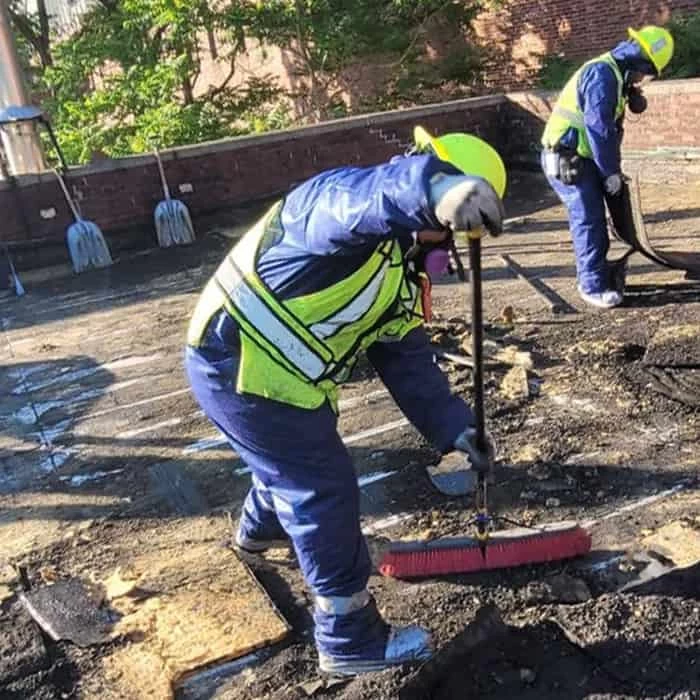
After permits are secured, abatement happens first if hazardous materials are present. Asbestos and lead are removed, documented, and disposed of through certified channels before the structure comes down. Then demolition proceeds — and on a peninsula with limited road access like Cove Neck, equipment staging and debris hauling routes are planned in advance, not figured out on the fly. The job ends with full site cleanup and documentation, so you’re ready for whatever comes next.
What we provide isn’t demolition with a side of cleanup. It’s the complete project — environmental testing, certified asbestos abatement, structural demolition, debris removal, and site preparation for whatever comes next. For a property in Cove Neck, where the village building code requires habitable floor areas to sit at least 12 feet above mean sea level, that final site condition matters. If you’re tearing down to rebuild, the elevation requirements affect foundation planning, grading, and how the demolition itself is executed. That’s factored in from day one.
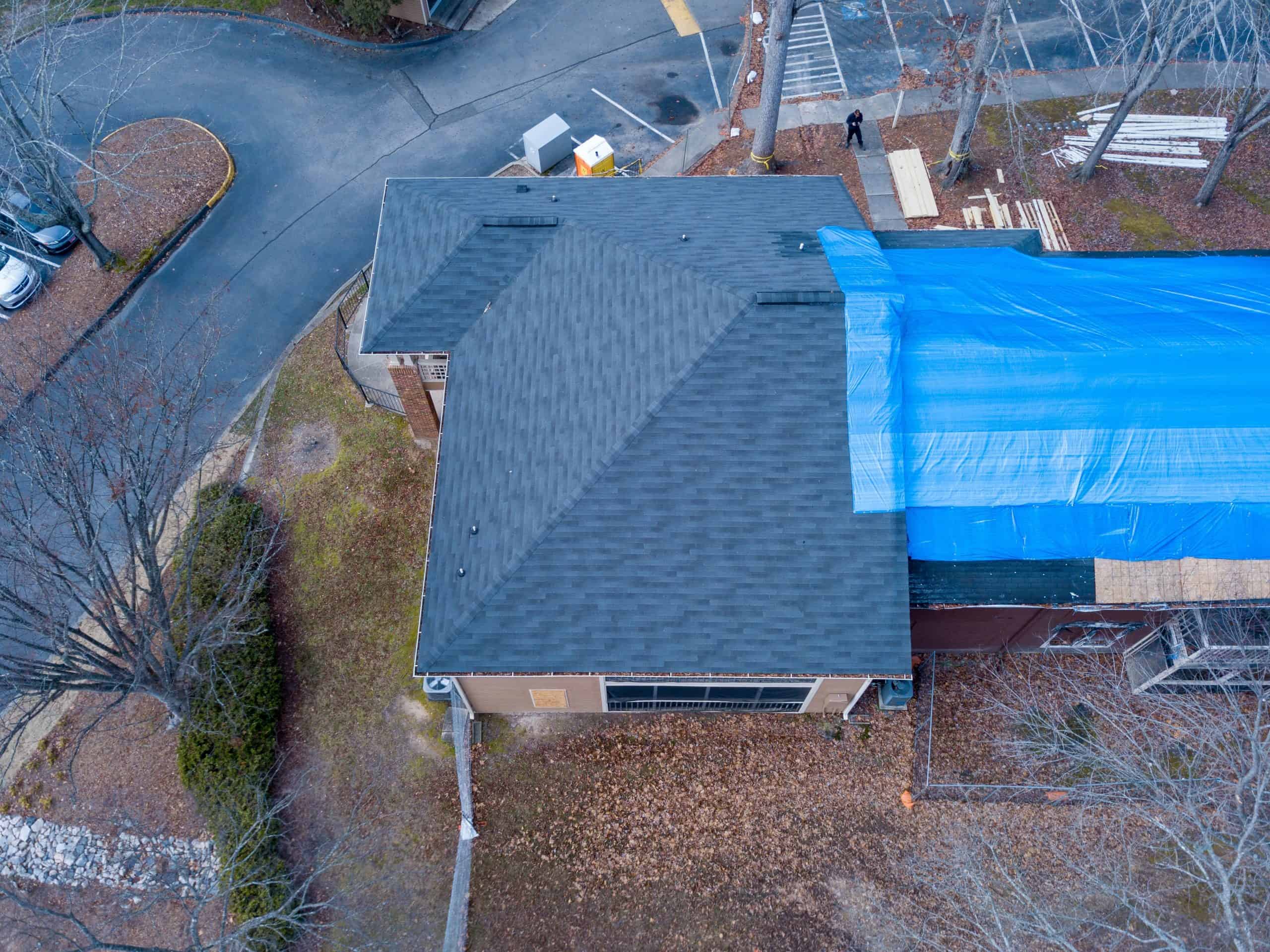
Our service also covers situations where demolition is being driven by storm or water damage. Oyster Bay Harbor-facing properties take consistent punishment from North Shore weather, and when a structure reaches the point where repair no longer makes sense, the process moves quickly. We operate 24 hours a day, seven days a week, and have a documented record of emergency response arrivals within an hour during active weather events. If you’re also navigating an insurance claim, our team has experience working through that process alongside clients — documentation, scope of work, adjuster communication — so the claim doesn’t become a second full-time job.
For properties where full teardown isn’t the goal, selective interior demolition is also available. Gut renovations, structural wall removal, and interior strip-outs are handled with the same certified approach — asbestos testing first, abatement where needed, then the work itself.
Do I need a permit to demolish a house in Cove Neck, NY?
Yes — and in Cove Neck specifically, the permitting process involves more than one layer. At the village level, demolition permits are processed through the Cove Neck Building Department, located at 147 Forest Avenue in Locust Valley. Depending on the scope and visibility of the project, the village’s Site and Architectural Review Board may also need to sign off before work can begin. That’s a layer most contractors outside this area don’t know to account for, and it’s one of the more common reasons projects stall before they start.
Above the village level, the Town of Oyster Bay has its own building permit requirements, and New York State mandates certified asbestos inspection and abatement documentation before any demolition of a structure where asbestos-containing materials are present or suspected. For a home built before 1980 — which describes the majority of Cove Neck’s housing stock — that documentation is required, not optional. We manage the full permitting process across all of these layers, so nothing gets missed and nothing causes an unexpected stop-work order mid-project.
Does my Cove Neck home need asbestos testing before demolition starts?
In almost every case, yes. New York State Industrial Code Rule 56 requires a certified asbestos inspection before demolition of any structure where asbestos-containing materials are present or reasonably suspected to be present. For homes in Cove Neck, where the median construction year is around 1959 and many properties date to the early 1900s, asbestos isn’t a remote possibility — it’s a near-certainty in insulation, floor tiles, ceiling tiles, pipe wrap, roofing shingles, and sometimes even window glazing and plaster.
Skipping this step isn’t just a legal risk — it’s a liability that can follow you long after the project is done. If asbestos is disturbed without proper abatement and documentation, you’re looking at regulatory fines, potential site shutdown, and cleanup costs that dwarf what the abatement would have cost to begin with. Our asbestos abatement team is NYS Department of Health certified and handles testing, removal, and disposal documentation in-house — no subcontractors, no handoffs, no gaps in the chain of accountability.
How much does house demolition typically cost in Cove Neck?
The honest answer is that it varies significantly depending on the size of the structure, the age of the materials, and what the assessment turns up. Nationally, full house demolition for a standard 2,000 square foot home runs between $6,000 and $25,000. But Cove Neck properties are not standard — many are 3,500 to 6,000 square feet or larger, built in an era when hazardous materials were routine, and sitting on waterfront or near-waterfront lots that require specific logistical planning for equipment access and debris hauling.
When you factor in certified asbestos abatement — which is legally required and almost always necessary here — along with permitting, debris removal, and site preparation, a realistic range for a full demolition on a Cove Neck estate is more commonly $50,000 to $80,000 or higher depending on scope. North Shore Nassau County carries a 20 to 30 percent premium over national averages given the regulatory environment and operational complexity. The best way to get an accurate number is a site assessment, which is where every project with us begins.
What happens if my property was damaged by a storm — can I still get it demolished?
Yes, and in many cases storm damage is exactly what brings homeowners to the decision point. Properties along Oyster Bay Harbor and throughout Cove Neck’s peninsula are exposed to nor’easters, coastal flooding, and high winds that compound over years and decades on older structures. When a home reaches the point where the damage is too extensive to repair cost-effectively, demolition is often the cleaner path forward — especially when the structure is already partially compromised.
Storm-damaged structures do require a careful assessment before demolition begins, since structural instability affects how the work is safely executed. We operate around the clock and can mobilize quickly when a situation is urgent. If you’re also navigating a homeowner’s insurance claim for the damage, our team has experience working through that process alongside clients — helping with documentation, scope-of-work preparation, and communication with adjusters so the claim process doesn’t drag out longer than it needs to. The goal is to get the site cleared and documented so you can move forward.
How long does a full house demolition take from start to finish?
The physical demolition of a residential structure typically takes one to three days once the work actually begins. But the full timeline from initial assessment to cleared site is longer than most homeowners expect, and in Cove Neck specifically, the regulatory steps add meaningful time to the front end of the project.
Asbestos testing and lab results take several days. If abatement is required — and in most pre-1980 homes here it will be — that process adds one to two weeks depending on the scope of materials found. Permitting through the Cove Neck Building Department and any required review by the Site and Architectural Review Board adds additional time that varies by project. Realistically, from the first call to a cleared site, most full demolition projects in this area take four to eight weeks when all regulatory steps are accounted for. Starting the process early — before you’re under pressure from a construction timeline or a property sale — makes the whole thing significantly less stressful.
Can you handle demolition and the rebuild, or just the teardown?
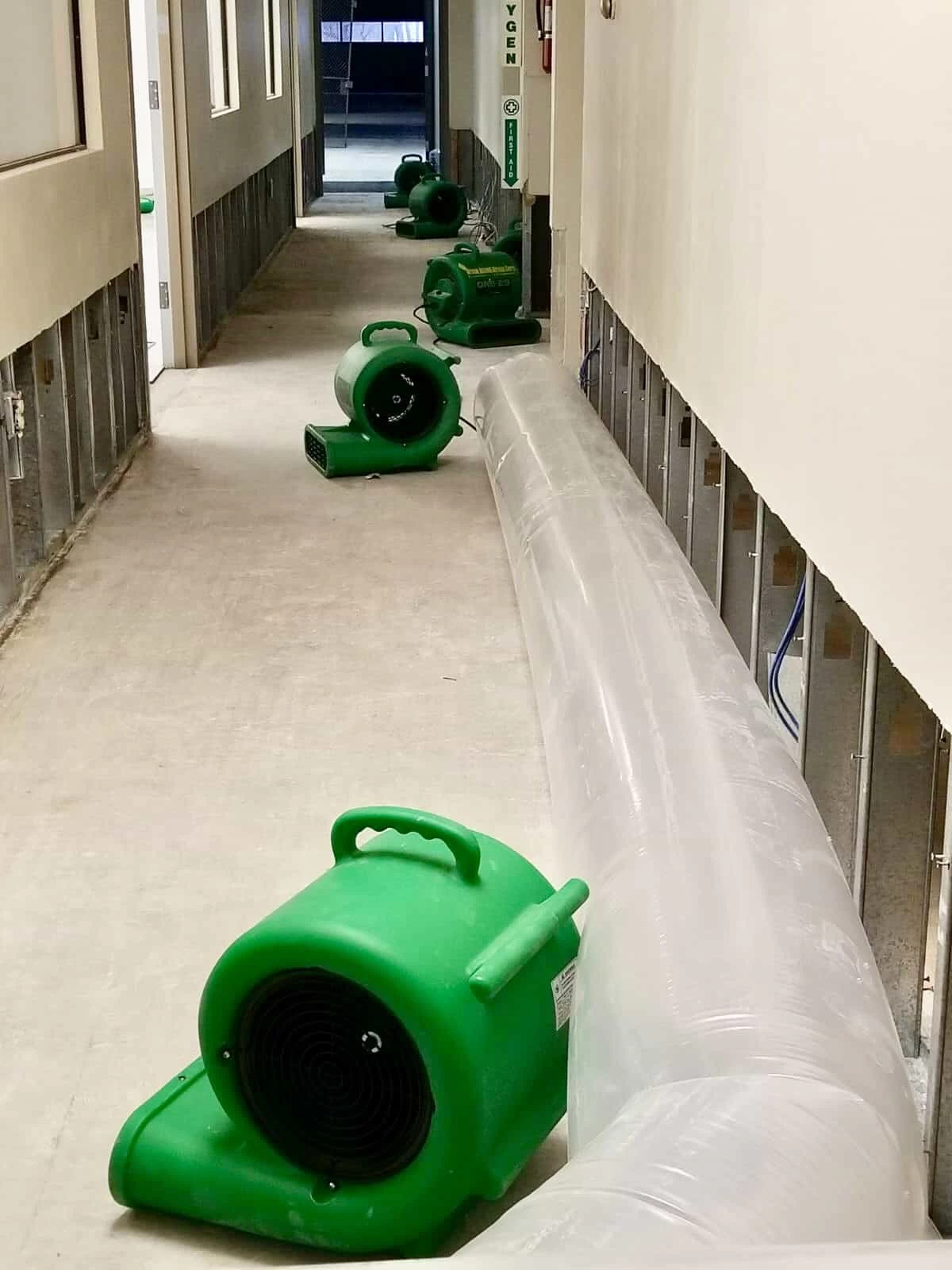
Our scope goes well beyond the teardown. We offer a full-cycle service model that covers environmental testing, asbestos abatement, demolition, debris removal, structural drying, mold remediation, water damage restoration, and complete remodeling and restoration. For a Cove Neck homeowner who is tearing down an estate to rebuild, that means a single contractor can manage the entire process from the first inspection through the finished structure — without the coordination gaps that come from handing off between multiple vendors at different stages.
This matters especially in a village where the building code carries specific requirements, like the elevation standard requiring habitable floor areas to sit at least 12 feet above mean sea level. Those kinds of requirements affect not just the rebuild design but how the demolition and site preparation are executed. Having one team that understands the full scope — from what comes down to what goes up — means those details get factored in from the beginning rather than discovered as a problem later. If your project is a full redevelopment of a Cove Neck estate, that integrated approach is worth a conversation before you start separating the work into pieces.