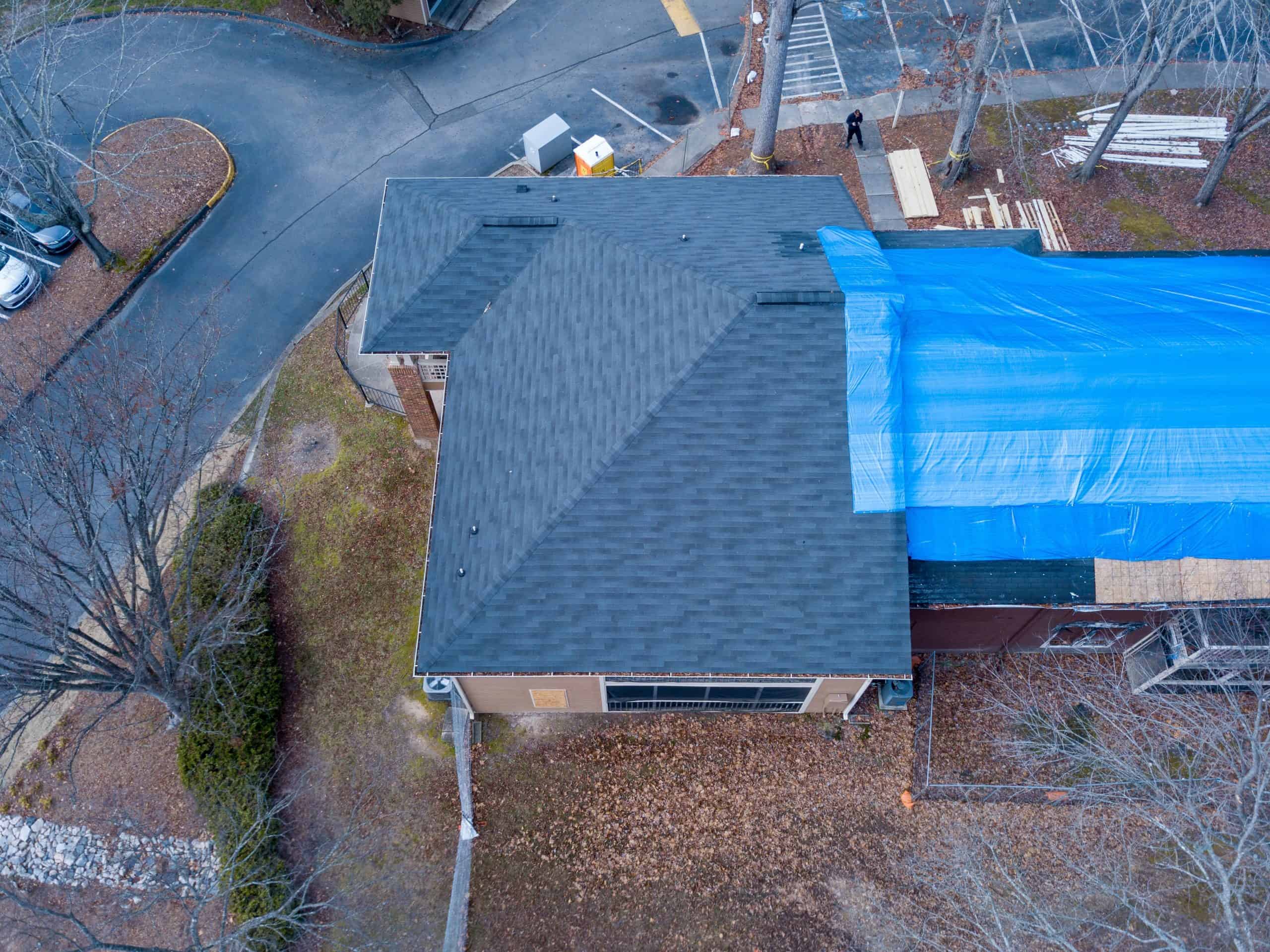
Most homes in East Meadow were built in the 1950s — and tearing one down the right way means handling more than just the structure. We manage the entire process, from asbestos clearance to final site cleanup.
I needed a professional consultation explanation of procedure for safe removal of Asbestos in my apartment complex. Without having an account yet, I was very impressed with the caring, knowledgeable and generous advice offered by Jessica, and will look forward to doing business in the future. Thank you so much! I feel much more informed about a sometimes scary endeavor. Peace. Nancy Silva Mineola, NY.
Mia Munoz
Used this company to clean up some water flood in my house. They were fast and easy to work with.very professional, Would recommend to anyone!
Nini Valle
Great company, had a flood and they responded quickly and efficiently. Billed my insurance company directly. I highly recommend this company!
joe colapietro, jr
I had pipe freeze in my basement right before a snow storm and they made to within an hour to help start the clean up process. They we by our side throughout the entire process and even helped with the insurance company. They did such a great job with the cleanup, repair, remidiation, I contracted them to perform the repairs and finishes in the basement. They came with enough manpower and material to get the job done. Leo and Jessica were nothing but a pleasure to deal with!!
Cristian Arredondo c
I had some water damage in my home and Green Island was able to take care of my issue quickly and effectively. I am very pleased with the work they did. They responded quickly and were very professional.
Michael M
Outstanding service! From the office to the field crew everyone was friendly, helpful and responsive. I highly recommend Green Island Group.
When you’re dealing with a post-war home in East Meadow — a 1950s ranch on a standard lot that’s seen better days — the demolition decision is usually the easy part. The hard part is figuring out what comes next, who handles what, and whether you’re going to hit a wall somewhere in the middle because someone missed a step.
Here’s what actually changes when the process is handled correctly: you don’t get surprised. Over 74% of homes in East Meadow were built between the 1940s and 1960s, which means asbestos isn’t a maybe — it’s almost always there, in the floor tiles, the ceiling, the pipe wrap, the textured plaster. A contractor who handles asbestos abatement and demolition together keeps your project moving instead of stalling out while you scramble to find a certified abatement crew on short notice.
The other thing that changes is the permit headache. East Meadow sits within the Town of Hempstead, and before any demolition permit gets issued, Nassau County requires a Rodent-Free Certificate from the Health Department — a step that catches a lot of homeowners off guard. That certificate expires in 10 days from the date it’s issued, so timing matters. When your contractor already knows this process, it doesn’t become your problem to manage.
We’ve been operating on Long Island for over 12 years. We’re based in Bohemia, NY — not a national franchise, not a city outfit expanding into Nassau County. We know the difference between a Town of Hempstead demolition permit and a New York City DOB permit, and we’ve pulled enough of both to know exactly where the process slows down and how to keep it moving.
We’ve completed more than 340 demolition projects across Long Island, Queens, Brooklyn, and Manhattan. That number matters because it means we’ve seen the complications — the pre-1980 homes loaded with hazardous materials, the permit timing issues, the utility disconnections that need to be coordinated before a single wall comes down — and we know how to handle them without passing the headache on to you. For communities like East Meadow, where the median home was built in 1957, this experience is what makes the difference between a smooth project and one that stalls.
We hold EPA certification, NYS Department of Health asbestos licensing, OSHA certification, and NYC DOB licensure. For East Meadow, where the housing stock is almost entirely pre-1980, those credentials aren’t optional extras — they’re what make a legal demolition possible.
No Surprises — Here's What the Process Actually Looks Like
It starts with a site assessment. Before anything else, we walk the property, evaluate the structure, and identify what’s there — including any hazardous materials. For East Meadow homes built before 1980, that almost always means asbestos testing. The results of that testing determine what abatement work needs to happen before demolition can legally begin, and we handle both in sequence so there’s no gap between crews.
Once abatement is cleared, the permit process moves forward through the Town of Hempstead Building Department. That includes coordinating the Nassau County Department of Health inspection for the Rodent-Free Certificate — which has to be timed carefully since it expires 10 days after it’s issued. PSEG electric disconnection documentation also needs to be in order before work starts. These aren’t steps you want to figure out on the fly, and they’re not steps you should have to manage yourself.
Demolition follows once permits are in hand. The structure comes down, debris is removed, and the site is cleaned and graded. If you’re planning to rebuild — which is increasingly common in East Meadow given how fast property values have moved — we can carry the project through restoration and new construction as well. One team, one timeline, no handoffs.
House demolition in East Meadow isn’t a single-step service — it’s a sequence of coordinated work that has to happen in the right order. We cover the full scope: asbestos and lead testing, certified abatement, structural demolition, debris removal, site cleanup, and full restoration or rebuild support if you need it. Nothing gets handed off to a subcontractor you’ve never met.
For the 81% of East Meadow properties that are detached single-family homes — most of them Cape Cods, ranches, and Colonial Revivals built during the Eisenhower era — this integrated approach is what keeps the project compliant and on schedule. The asbestos materials commonly found in these homes aren’t always visible, and they’re not always where you’d expect. Proper testing, documentation, and certified removal are legally required before demolition can proceed, and skipping or shortcutting that step creates real liability for the property owner.
We also support homeowners navigating insurance claims after fire damage, flooding, or structural failure. If your East Meadow home has been damaged and you’re dealing with a claim while trying to figure out the demolition side simultaneously, having one contractor who understands both sides of that situation makes a real difference. We’re available 24/7, including for emergency response — because not every demolition decision happens on a convenient schedule.
Do I need a permit to demolish a house in East Meadow, NY?
Yes, and the process involves more than one step. Because East Meadow is an unincorporated hamlet within the Town of Hempstead, demolition permits are issued through the Town of Hempstead Building Department — not a village government, not New York City. Before that permit is issued, Nassau County requires a Rodent-Free Certificate from the Nassau County Department of Health. That certificate has to be obtained before demolition begins, and it expires 10 days from the date it’s issued, so the timing has to be coordinated carefully with the actual start of work.
Your permit application also needs to include a survey with spot elevations, and you’ll need documentation confirming that PSEG electric service has been formally disconnected. Contractors who aren’t familiar with the Town of Hempstead’s specific process tend to miss one of these steps and end up causing delays. It’s not a complicated process when you’ve done it before — but it’s easy to stall on if you haven’t.
Does my East Meadow home need asbestos testing before demolition?
If your home was built before 1980, yes — asbestos testing is legally required before demolition can proceed in New York. In East Meadow, that applies to the vast majority of properties. The median construction year for homes in this hamlet is 1957, and over 74% of the housing stock was built between the 1940s and 1960s. That means asbestos is a near-certainty on full demolition projects here, not a remote possibility.
Asbestos was commonly used in floor tiles, ceiling tiles, pipe insulation, roofing materials, and textured plaster — all standard components in the post-war homes that make up most of East Meadow’s residential neighborhoods. If testing confirms its presence, certified abatement has to be completed before demolition can begin. We hold NYS Department of Health asbestos licensing and EPA certification, so testing, abatement, and demolition happen in sequence under one contractor — no waiting for a separate abatement crew to finish before the demo team can start.
How much does house demolition cost in Nassau County?
Demolition costs vary depending on the size of the structure, whether a foundation needs to be removed, what hazardous materials are present, permit fees, and debris disposal. In the New York metro area, full demolition of a typical single-family home generally runs higher than national averages — most homeowners in Nassau County should expect to budget somewhere in the range of $15,000 to $35,000 or more for a complete teardown, with asbestos abatement adding to that figure depending on what’s found during testing.
For East Meadow specifically, where the housing stock is almost entirely pre-1980 and median home values now exceed $830,000, the demolition cost is typically a small line item relative to the total value of the land and any planned new construction. Most homeowners and developers in this market are less focused on shaving a few thousand dollars off the demo quote and more focused on getting the project done correctly, on schedule, and without permit complications or regulatory issues that could delay a rebuild.
What happens if my home has lead paint in addition to asbestos?
Lead paint is common in homes built before 1978, which covers essentially all of East Meadow’s housing stock given the hamlet’s median construction year of 1957. Like asbestos, lead-containing materials require careful handling and proper disposal — you can’t simply demolish around them and hope for the best. New York State has specific requirements for lead assessment and safe work practices during demolition, and failing to follow them creates liability for the property owner, not just the contractor.
We handle both asbestos and lead abatement as part of our full-service demolition process. If your home tests positive for lead paint in addition to asbestos — which is common in East Meadow’s older Cape Cods and ranch homes — both are addressed in sequence before structural demolition begins. You’ll receive documentation of the abatement work, which matters both for regulatory compliance and for your own records if questions come up later during a sale or rebuild permit process.
How long does the full demolition process take from start to finish?
The honest answer is that it depends heavily on how quickly permits move and whether hazardous materials are present. For a typical East Meadow single-family home, the overall timeline from initial assessment to completed site cleanup generally runs four to eight weeks when everything proceeds smoothly. The permit process through the Town of Hempstead — including the Nassau County Rodent-Free Certificate, PSEG disconnection, and permit application review — is usually the longest single phase, and it’s the one most likely to stretch if documentation isn’t submitted correctly or if the Health Department inspection isn’t timed well.
If asbestos abatement is required, that adds time to the pre-demolition phase, though the actual abatement work on a standard residential structure typically takes a few days to a week depending on the scope. The structural demolition itself, once permits are in hand and abatement is cleared, usually moves quickly — often one to three days for a standard ranch or Cape Cod. Site cleanup and grading follow, and if you’re moving into a rebuild, that phase can begin once the site is cleared and inspected.
Can Green Island Group handle demolition if my home was damaged by fire or flooding?
Yes, and this is actually one of the more common scenarios we handle. Nassau County’s aging housing stock — including the post-war homes throughout East Meadow — is vulnerable to fire, pipe failures, and water intrusion from severe storms. When damage is bad enough to require demolition, homeowners are typically dealing with an insurance claim at the same time they’re trying to figure out the construction side, which creates a real coordination challenge.
We have direct experience helping homeowners navigate insurance claims alongside the demolition process. Multiple customers have specifically mentioned this in their reviews — not as a side note, but as one of the things that made the biggest difference during a stressful situation. If you’re dealing with a damaged property in East Meadow and you’re not sure what your insurance covers or how to sequence the claim with the demolition work, that’s exactly the kind of situation where having one contractor who understands both sides is worth a lot. We’re available 24/7 for emergency response, including situations that can’t wait for a Monday morning callback.