North Shore Homes Deserve More Than a Wrecking Ball
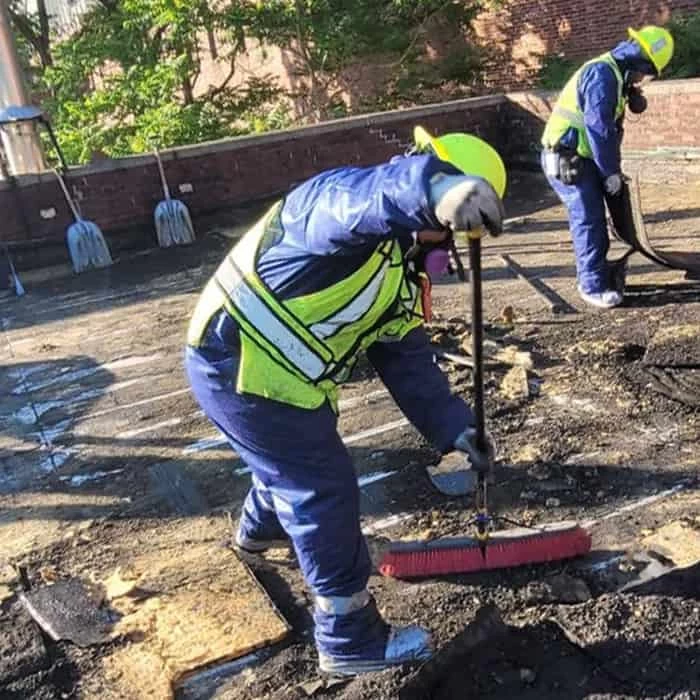
Most East Shoreham homes were built in an era when asbestos was standard. Before anything gets torn down, you need a contractor who handles what’s inside the walls not just what’s standing above ground.
I needed a professional consultation explanation of procedure for safe removal of Asbestos in my apartment complex. Without having an account yet, I was very impressed with the caring, knowledgeable and generous advice offered by Jessica, and will look forward to doing business in the future. Thank you so much! I feel much more informed about a sometimes scary endeavor. Peace. Nancy Silva Mineola, NY.
Mia Munoz
Used this company to clean up some water flood in my house. They were fast and easy to work with.very professional, Would recommend to anyone!
Nini Valle
Great company, had a flood and they responded quickly and efficiently. Billed my insurance company directly. I highly recommend this company!
joe colapietro, jr
I had pipe freeze in my basement right before a snow storm and they made to within an hour to help start the clean up process. They we by our side throughout the entire process and even helped with the insurance company. They did such a great job with the cleanup, repair, remidiation, I contracted them to perform the repairs and finishes in the basement. They came with enough manpower and material to get the job done. Leo and Jessica were nothing but a pleasure to deal with!!
Cristian Arredondo c
I had some water damage in my home and Green Island was able to take care of my issue quickly and effectively. I am very pleased with the work they did. They responded quickly and were very professional.
Michael M
Outstanding service! From the office to the field crew everyone was friendly, helpful and responsive. I highly recommend Green Island Group.
When demolition is done right, you’re not just clearing a structure you’re clearing the path for whatever comes next. A builder who can break ground on schedule. A lot that’s clean, documented, and legally closed out. No outstanding permits, no liability hanging over the property, and no surprises from a hazardous materials discovery that nobody planned for.
East Shoreham’s housing stock is largely from the 1950s through the 1970s, which puts most of it squarely in the era when asbestos was used in floor tiles, pipe insulation, boiler wrap, roofing, and ceiling materials. Knowing that upfront, and having it handled by a licensed contractor before demolition begins, is what keeps your East Shoreham project on track and keeps you out of legal trouble.
The other thing worth knowing is that teardown-rebuild activity has been climbing steadily in communities like East Shoreham. When a wooded lot on the North Shore is worth what it is today, the economics of replacing an older ranch or cape with a new build make real sense. But that math only works if the demolition phase doesn’t drag and it won’t, when the contractor handling it has done this in Brookhaven before and knows exactly what the Town requires.
We hold the NYS Department of Labor Asbestos Contractor License, the NYS DOL Mold Remediation Contractor License, an EPA Lead RRP Certification, a Suffolk County Home Improvement Contractor License, and a NYC BIC Trade Waste License among others. That’s not a list for show. It means every phase of your demolition, from the pre-demo hazardous materials survey through final debris removal, is handled by one contractor with the legal authority to do it all.
Most demolition contractors on Long Island can swing the hammer. What they can’t do is legally perform the asbestos survey, handle the abatement, and haul the waste all under their own license. That gap is where projects stall, costs climb, and homeowners end up coordinating between three different firms on their own.
We’ve worked across the Town of Brookhaven and throughout Suffolk County, including communities along the North Shore corridor from Miller Place to Wading River. If you’re in East Shoreham or what most locals just call Shoreham this is a market we know well. We understand the specific regulatory requirements the Town of Brookhaven Building Division enforces, the seasonal weather patterns that drive demolition demand here, and the property values that make teardown-rebuild projects economically viable for North Shore homeowners.
It starts with a site assessment and pre-demolition asbestos survey. New York State requires this before any structure is torn down, regardless of the home’s age or condition. If asbestos-containing materials are found, we handle the abatement under our NYS DOL license before demolition begins. That keeps the project compliant and keeps your timeline intact because an asbestos discovery mid-demo without a licensed abatement contractor on contract is a project-stopper.
From there, we coordinate the permit application with the Town of Brookhaven Building Division. Brookhaven’s demolition permits are valid for 90 days from issuance, and the process involves more than just one form utility disconnection through PSEG Long Island needs to be formally requested, and if your property has a private well or septic system, Suffolk County Health Services may need to be looped in for decommissioning. We’ve navigated this before. We know the sequence.
Once permits are in hand and utilities are disconnected, structural demolition proceeds. Debris is removed and hauled to licensed disposal facilities, with full documentation provided which you’ll need for permit closeout and which protects you if disposal compliance is ever questioned down the road. The site is graded and left clean. That’s what done looks like.
What's Included When You Hire Us for Your East Shoreham Demolition
Every demolition project we take on in East Shoreham includes the pre-demolition asbestos survey, full permit coordination with the Town of Brookhaven Building Division, PSEG Long Island utility disconnection coordination, structural demolition, and licensed debris removal with disposal documentation. If asbestos abatement is required after the survey, we handle that in-house no separate contractor, no scheduling gap, no added coordination burden on you.
For teardown-rebuild projects, we understand that a builder is usually waiting. The goal is a clean handoff demo complete, site graded, permits closed, and your contractor ready to break ground. For estate settlements, where the homeowner may not be local and may be unfamiliar with New York State’s regulatory requirements, we walk through every step clearly and handle the process from first call to final inspection.
East Shoreham’s proximity to Long Island Sound also means storm damage is a real driver of demolition demand in this community. Nor’easters and coastal flooding events have condemned structures across the North Shore, and when a municipality issues a demolition order, the timeline is not flexible. We have the capacity to respond to those situations and the experience coordinating with insurance carriers when the project is tied to a claim.
Do I need an asbestos survey before demolishing my East Shoreham home?
Yes and this applies to every home in New York State, not just ones where asbestos is suspected. State law requires a pre-demolition asbestos survey before any structure is torn down. There are no exceptions based on the age of the home or its apparent condition.
For East Shoreham specifically, this requirement carries real weight. Most of the housing stock here was built between the 1950s and 1970s, which is the peak era of asbestos use in American residential construction. Floor tiles, pipe insulation, boiler wrap, roofing shingles, exterior siding, textured ceilings, and joint compound from that period routinely contain asbestos-containing materials. The survey identifies exactly what’s present and where, so abatement can be scoped and completed before demolition begins. Skipping this step or hiring a contractor who isn’t licensed to handle it creates legal exposure for you as the property owner, not just the contractor.
How do I get a demolition permit in the Town of Brookhaven?
Demolition permits in East Shoreham are issued through the Town of Brookhaven Building Division. The permit is valid for 90 days from the date of issuance, so timing matters you don’t want to pull the permit before you’re actually ready to proceed.
Beyond the building permit itself, there are several other agencies involved. PSEG Long Island requires a formal demolition service request to disconnect electric service and remove the meter before work can begin. If the property has a private well or septic system, the Suffolk County Department of Health Services may need to be involved for proper decommissioning. For teardown-rebuild projects, the Chief Building Inspector also has the authority to require a bond guaranteeing demolition of the existing structure before the new one is completed. Navigating this across multiple agencies is manageable but only if you know the sequence. Getting the order wrong adds weeks to the timeline.
How much does it cost to demolish a house in East Shoreham, NY?
Full house demolition on Long Island typically runs between $15,000 and $50,000, and sometimes more depending on the size of the structure, site conditions, and what the pre-demo survey turns up. That range is significantly higher than national averages, driven by Long Island’s labor costs, disposal fees, permit costs, and New York State’s environmental compliance requirements.
Asbestos abatement, if required after the survey, can add anywhere from $1,500 to $30,000 or more to the total cost depending on how much asbestos-containing material is present and where it’s located. This is why the survey matters so much not just for legal compliance, but for accurate budgeting. A contractor who gives you a demolition price without factoring in the survey results is giving you an incomplete number. We scope the full project before you commit to anything, so there are no cost surprises mid-job.
What happens to the foundation after the house is demolished?
What happens to the foundation depends on what you’re doing with the property next. For teardown-rebuild projects which are increasingly common in East Shoreham given the North Shore’s rising property values the foundation is typically removed entirely so the new build can be designed and sited without constraints from the old footprint. That’s the cleaner approach and what most builders prefer.
If the lot is being sold or left vacant, full foundation removal is still generally the better option. Buried foundations can create complications for future buyers, surveyors, and builders, and they can affect how the lot is assessed and marketed. In some cases, the Town of Brookhaven’s permit closeout process will specify what’s required. We walk through the foundation question during the initial assessment so you know what’s included in the scope and what your options are before any work begins.
Can storm damage to my East Shoreham home trigger a demolition requirement?
Yes, and it happens more often than people expect in communities along the North Shore. East Shoreham sits directly on Long Island Sound, which means nor’easters, tropical storm remnants, and coastal flooding events are not abstract risks they’re part of living here. When a structure sustains significant structural damage from wind or water, a municipal inspector or structural engineer may determine that demolition is safer and more practical than repair.
When that happens, the timeline is usually not flexible. A municipality-issued demolition order comes with deadlines, and delays can result in fines or the municipality contracting the work themselves and billing the property owner. We have handled storm-driven demolitions across Long Island, including situations where the project was tied to an active insurance claim. We know how to move quickly, document the work properly for the insurer, and coordinate with the Town of Brookhaven’s Building Division under time pressure.
How long does the full demolition process take in East Shoreham from start to finish?
From the initial site assessment to a clean, permit-closed lot, most residential demolitions in East Shoreham take four to eight weeks total but the permit timeline is the biggest variable. The Town of Brookhaven’s Building Division typically takes two to four weeks to issue a demolition permit, and that clock doesn’t start until the application is complete and all supporting documentation is submitted correctly. Submitting an incomplete application restarts the wait.
The asbestos survey adds a few days on the front end, and if abatement is required, that phase typically runs one to two weeks depending on the scope. Actual structural demolition, once underway, usually takes one to three days for a standard residential structure. The work that takes the most time is the regulatory groundwork permits, utility disconnections, agency coordination not the demolition itself. That’s exactly why having a contractor who knows the Brookhaven process and has done this before in Suffolk County makes a real difference in how the overall timeline plays out.