Forest Hills Homes Are Old. The Process Doesn't Have To Be.
Most houses in Forest Hills were built before 1940 and tearing one down means navigating asbestos surveys, NYC DOB permits, and DEP requirements before a single wall comes down. We handle all of it.
I needed a professional consultation explanation of procedure for safe removal of Asbestos in my apartment complex. Without having an account yet, I was very impressed with the caring, knowledgeable and generous advice offered by Jessica, and will look forward to doing business in the future. Thank you so much! I feel much more informed about a sometimes scary endeavor. Peace. Nancy Silva Mineola, NY.
Mia Munoz
Used this company to clean up some water flood in my house. They were fast and easy to work with.very professional, Would recommend to anyone!
Nini Valle
Great company, had a flood and they responded quickly and efficiently. Billed my insurance company directly. I highly recommend this company!
joe colapietro, jr
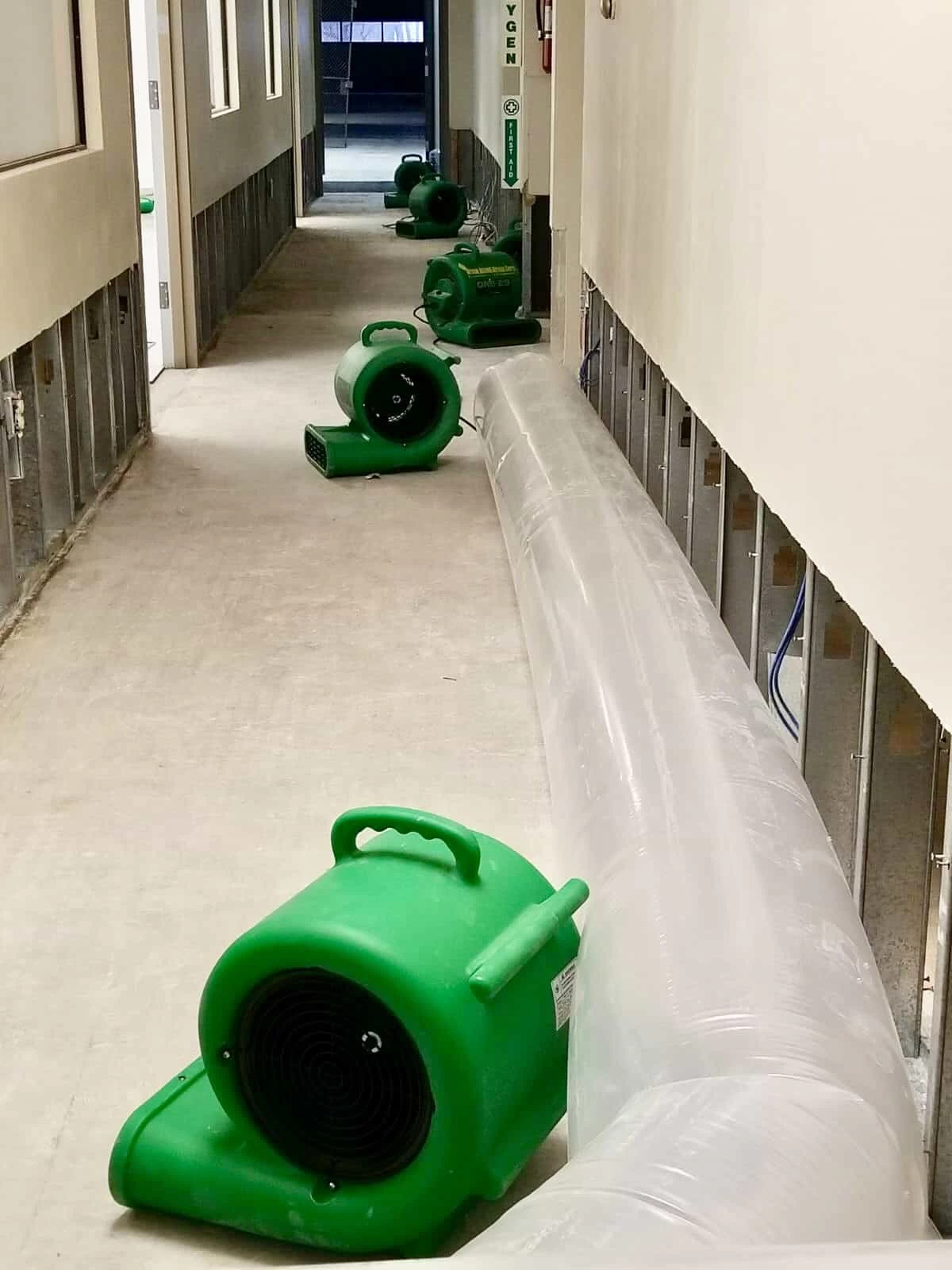
I had pipe freeze in my basement right before a snow storm and they made to within an hour to help start the clean up process. They we by our side throughout the entire process and even helped with the insurance company. They did such a great job with the cleanup, repair, remidiation, I contracted them to perform the repairs and finishes in the basement. They came with enough manpower and material to get the job done. Leo and Jessica were nothing but a pleasure to deal with!!
Cristian Arredondo c
I had some water damage in my home and Green Island was able to take care of my issue quickly and effectively. I am very pleased with the work they did. They responded quickly and were very professional.
Michael M
Outstanding service! From the office to the field crew everyone was friendly, helpful and responsive. I highly recommend Green Island Group.
What Happens When a Forest Hills Demolition Is Done Right
When you’re dealing with a pre-war home in Forest Hills whether it’s a 1930s Tudor off Cord Meyer, a fire-damaged property near Forest Park, or an aging co-op unit on Queens Boulevard the last thing you need is a contractor who figures things out as they go. You need someone who already knows what’s inside those walls, what the city requires before they come down, and how to get it done without stopping your project cold halfway through.
Here’s what that actually looks like in practice. The asbestos survey gets done first because in Forest Hills, where virtually every structure predates 1987, the NYC Department of Buildings won’t issue a demolition permit without a completed ACP-5 form. If asbestos-containing materials turn up (and in homes built before 1950, they usually do), abatement happens before demolition begins. We’re both a DEP-certified abatement company and a licensed demolition contractor, so that sequence happens under one roof, on one timeline, without you coordinating two separate contractors.
What you’re left with at the end is a clean, permitted, inspected site ready for whatever comes next. No stop-work orders. No surprise violations. No calls from the city about materials that weren’t handled correctly. Just a cleared property and a process that actually went the way it was supposed to.
12 Years In Forest Hills and Queens. Every NYC Permit, Every Time.
We’ve been doing demolition and environmental remediation work across New York for over 12 years. That includes thousands of projects throughout Queens from single-family teardowns in Forest Hills to gut renovations inside pre-war buildings that required careful, material-by-material abatement before a hammer touched anything structural. We know Forest Hills specifically: the age of the housing stock, the way the city enforces permits here, and what the Forest Hills Gardens Corporation requires if your property falls within that community.
What sets us apart isn’t a tagline. It’s that we hold the licensing to do the full job legally the NYC DEP asbestos abatement certification, the demolition contractor license, and the insurance to back it up. That means when you hire us, you’re not managing a chain of subcontractors. You’re working with one team that handles the survey, the abatement if needed, the permits, and the demolition itself.
Owner Leo Torres stays involved. Reviews consistently mention his responsiveness, his directness, and the fact that he’s reachable not just at the start of a project, but through it. For Forest Hills homeowners managing a significant property decision, that kind of accountability matters.
No Guesswork Here's How a Forest Hills Demo Actually Runs
It starts with a site assessment. We come out, evaluate the structure, identify what materials are present, and give you a clear picture of what the project involves including whether asbestos or lead paint is likely based on the building’s age and construction type. In Forest Hills, where most homes were built between the 1920s and 1950s, that assessment almost always turns up materials that require handling before demolition can legally begin.
From there, a DEP-certified asbestos investigator completes the required survey and files the ACP-5 form with the NYC Department of Buildings. If abatement is needed, it’s scheduled and completed first. Then the demolition permit application goes in a process that typically takes four to eight weeks with the NYC DOB, and one that we’ve navigated enough times to know how to submit correctly the first time.
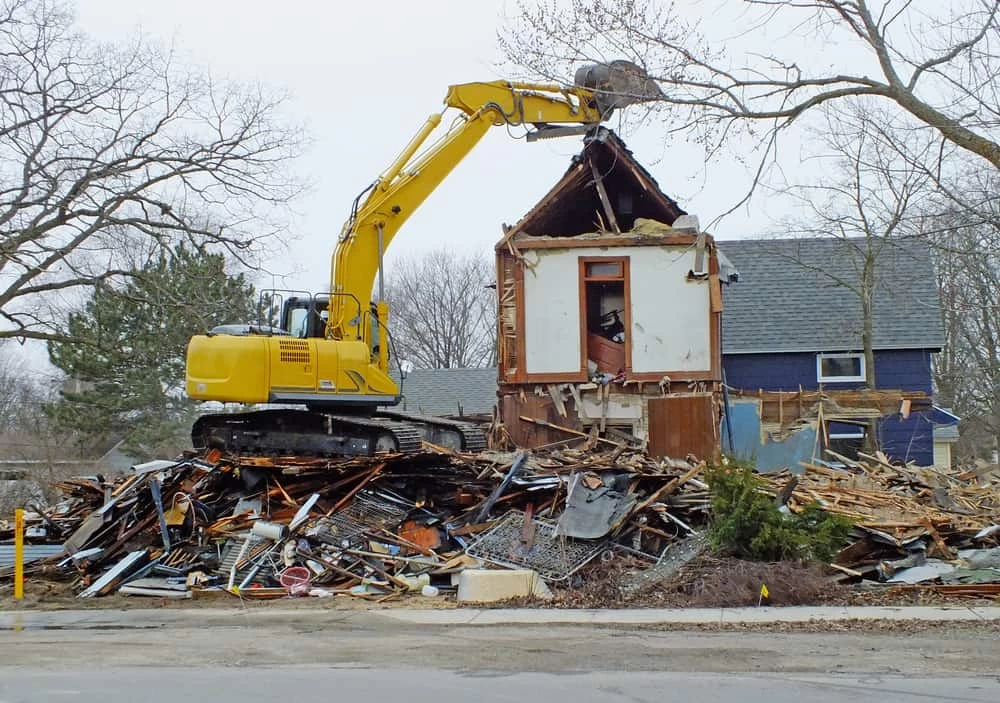
Once permits are approved, the physical work begins. Utilities get disconnected, the structure comes down safely, debris is removed, and the site is cleared and left clean. If you’re in Forest Hills Gardens and dealing with the Forest Hills Gardens Corporation’s additional review process on top of city requirements, that’s factored in from the start not discovered mid-project. The goal throughout is a straightforward sequence with no surprises.
Full Demolition, Abatement, and Permits All Included
We handle the full range of demolition work that Forest Hills properties actually require. Full residential teardowns for single-family homes throughout the 11375 zip code. Interior and selective demolition for pre-war co-op units along Queens Boulevard, where an Alt-2 permit governs the work instead of a full demolition permit. Partial structural demolition for fire- or storm-damaged properties where only a portion of the building needs to come down. And commercial demolition for properties along Austin Street and the surrounding corridors.
Every project in Forest Hills includes the asbestos survey as a mandatory first step this isn’t an add-on, it’s a legal requirement the city enforces before any permit is issued. If the survey finds asbestos-containing materials (common in floor tiles, ceiling tiles, pipe insulation, plaster, and roofing materials in pre-1950 construction), abatement is handled in-house by our DEP-certified team. Lead paint assessment under the EPA RRP Rule is also part of the process for any pre-1978 structure which covers nearly every home in Forest Hills.
For homeowners dealing with insurance claims after fire or water damage, we bill insurance carriers directly. You’re not fronting the cost and waiting for reimbursement. We coordinate with your adjuster, handle the documentation, and get the work done while you focus on what comes next.
Do I need a permit to demolish a house in Forest Hills, NY?
Yes and in New York City, the permit process for demolition is more involved than most people expect. For a full teardown, you need a Demolition (DM) permit from the NYC Department of Buildings. That application requires a completed asbestos survey (the ACP-5 form), a safety plan, a dust control plan, and neighbor notification before the DOB will move forward. The city estimates four to eight weeks for permit issuance, though incomplete applications extend that timeline significantly.
For interior or selective demolition like gutting a pre-war co-op unit on Queens Boulevard an Alt-2 permit applies instead of a full DM permit. The specific permit type depends on the scope of work and whether it affects the building’s egress, occupancy, or structural systems. Either way, attempting demolition without the correct permit in New York City triggers an immediate Stop Work Order and fines starting at $2,500 for a first offense. We handle the permit process from start to finish, including the asbestos survey filing that the DOB requires before anything else moves.
Does my Forest Hills home need an asbestos survey before demolition?
If your home was built before April 1, 1987 which covers the vast majority of residential properties in Forest Hills yes, an asbestos survey is legally required before the NYC Department of Buildings will issue a demolition permit. The survey must be conducted by a NYC DEP-certified asbestos investigator, and the results are submitted on an ACP-5 form. The DOB will not process your permit application without it.
In Forest Hills specifically, where most housing stock dates to the 1920s through 1950s, asbestos-containing materials are extremely common. The most frequently found materials in homes of that era include 9×9 inch vinyl floor tiles and their adhesives, ceiling tiles, pipe and boiler insulation, plaster, roofing felt, and certain types of siding. If the survey identifies asbestos, a DEP-certified abatement contractor must remove it before demolition begins and only then can the demolition permit move forward. We hold both certifications, so the survey, abatement if needed, and the demolition itself are all handled by the same team without any gap in the process.
How long does house demolition take from start to finish in Forest Hills?
The physical demolition of a single-family home typically takes one to three days depending on the size of the structure and site conditions. But the full timeline from initial assessment to cleared site is longer than most people anticipate, because the permitting process in New York City runs on its own schedule.
The NYC DOB estimates four to eight weeks for demolition permit issuance after a complete application is submitted. Add in the time for the asbestos survey, any required abatement, and utility disconnections, and a realistic timeline from first call to cleared site is often eight to twelve weeks for a standard residential teardown in Forest Hills. Projects in Forest Hills Gardens may take additional time if the Forest Hills Gardens Corporation’s architectural review process is also involved. Starting early before you’re under pressure from a construction timeline or a closing date makes a significant difference. We can give you a realistic project schedule after the initial site assessment so you’re not caught off guard.
What happens if asbestos is found during my demolition in Forest Hills?
Finding asbestos doesn’t stop your project it just adds a required step before demolition can proceed. Once the DEP-certified asbestos investigator identifies asbestos-containing materials, a licensed abatement contractor must remove and dispose of them according to NYC DEP regulations. The DEP requires at least seven days advance notification before abatement activities begin, and the work must be done by a DEP-certified contractor not a general demolition crew.
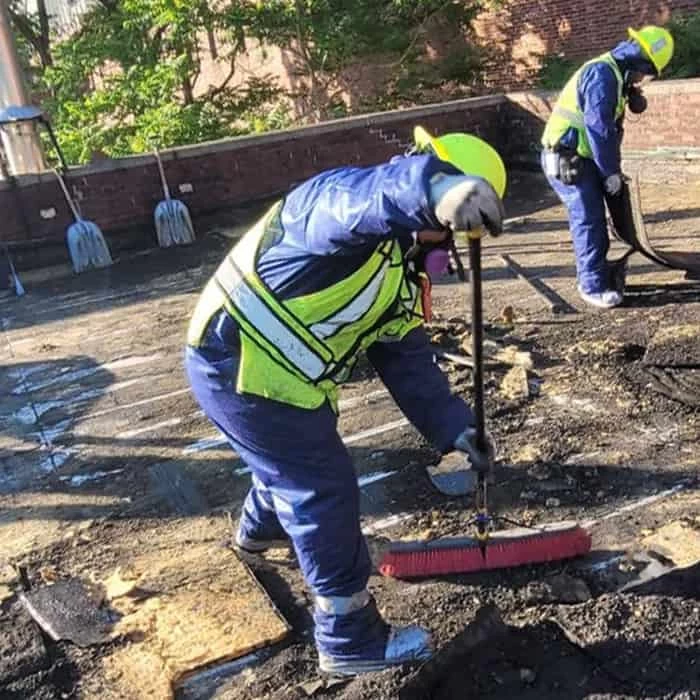
In Forest Hills homes built before 1950, it’s common to find asbestos in multiple locations: floor tile adhesive in the kitchen and bathrooms, insulation around boilers and pipes in the basement, roofing materials, and sometimes in the plaster itself. The abatement process involves containment of the work area, safe removal of the materials, air monitoring during the process, and proper disposal at a licensed facility. Because we’re both a DEP-certified abatement company and a licensed demolition contractor, the transition from abatement to demolition is seamless no handoff to a second company, no gap in scheduling, no finger-pointing if something comes up.
My home was damaged in a fire does insurance cover demolition in New York?
In most cases, yes homeowner’s insurance policies cover demolition costs when a structure is damaged by a covered event like fire, certain water events, or storm damage. The key is making sure the demolition contractor is properly licensed and that the scope of work is documented correctly for the claim. Insurers will typically require proof of licensing, a detailed scope of work, and in New York City, confirmation that permits and asbestos requirements are being handled correctly.
We work directly with insurance carriers billing the insurance company rather than the homeowner, and coordinating with adjusters throughout the process. Multiple verified customer reviews specifically mention this as one of the most valuable parts of working with us after a loss. For Forest Hills homeowners already managing temporary housing, a damaged property, and the emotional weight of a significant loss, not having to fight the insurance battle on top of everything else is a real and meaningful difference. We handle the documentation, the permit process, and the work itself while you focus on moving forward.
Can a house in Forest Hills Gardens be demolished or does the community restrict it?
Demolition within Forest Hills Gardens is subject to two separate approval processes not one. You still need the standard NYC Department of Buildings demolition permit, including the asbestos survey and all the usual city requirements. But Forest Hills Gardens is a privately governed planned community managed by the Forest Hills Gardens Corporation, and that organization has its own architectural review process that applies to significant work on properties within the community.
What that means practically is that any demolition or major renovation project in the Gardens should account for the Corporation’s review timeline in addition to the city’s permit timeline. The architectural character of the Gardens the Tudor Revival homes designed by Grosvenor Atterbury, the Olmsted-designed streetscape, the cohesive visual identity of the community is something the Corporation actively protects, and they have standing to weigh in on what gets built after a teardown as well. This is not a reason to avoid the project; it’s a reason to start the process earlier and work with a contractor who knows it’s coming. We factor both approval tracks into the project schedule from day one so nothing catches you off guard.