When Freeport's Flood History Finally Catches Up to Your Home
If your South Freeport home has been patched, pumped out, and repaired one too many times, house demolition might be the most financially sound decision you can make right now — and we handle every step of it.
I needed a professional consultation explanation of procedure for safe removal of Asbestos in my apartment complex. Without having an account yet, I was very impressed with the caring, knowledgeable and generous advice offered by Jessica, and will look forward to doing business in the future. Thank you so much! I feel much more informed about a sometimes scary endeavor. Peace. Nancy Silva Mineola, NY.
Mia Munoz
Used this company to clean up some water flood in my house. They were fast and easy to work with.very professional, Would recommend to anyone!
Nini Valle
Great company, had a flood and they responded quickly and efficiently. Billed my insurance company directly. I highly recommend this company!
joe colapietro, jr
I had pipe freeze in my basement right before a snow storm and they made to within an hour to help start the clean up process. They we by our side throughout the entire process and even helped with the insurance company. They did such a great job with the cleanup, repair, remidiation, I contracted them to perform the repairs and finishes in the basement. They came with enough manpower and material to get the job done. Leo and Jessica were nothing but a pleasure to deal with!!
Cristian Arredondo c
I had some water damage in my home and Green Island was able to take care of my issue quickly and effectively. I am very pleased with the work they did. They responded quickly and were very professional.
Michael M
Outstanding service! From the office to the field crew everyone was friendly, helpful and responsive. I highly recommend Green Island Group.
Freeport is not a typical Nassau County suburb. It is a dense, canal-laced South Shore village where thousands of homes still carry the structural and environmental weight of Hurricane Sandy — saltwater intrusion, compromised foundations, chronic moisture, and mold that renovation budgets can never fully outrun. When you reach the point where tearing it down makes more sense than fixing it again, you want a contractor who already understands what that kind of damage actually looks like inside a wall.
The homes along Freeport’s canal streets — the bungalows and Cape Cods built in the 1940s, 50s, and 60s — almost always contain asbestos in floor tiles, pipe insulation, or HVAC duct tape. That is not a reason to stall. It is a reason to hire a contractor who handles the asbestos survey, the certified abatement, and the full structural demolition under one roof so the project keeps moving instead of stalling between three different companies.
With median home values in Freeport now sitting around $600,000 and rising, the math on demolition and rebuild has shifted. A structurally compromised bungalow on a South Freeport canal lot is often worth far more as a cleared site for new construction than as an endless renovation project. You get a clean slate, a permit-closed site, and the full value of the land you already own.
340 Projects In. Still Answering the Phone at 2 A.M.
We have been handling demolition, asbestos abatement, and environmental remediation across Long Island for over 12 years, with more than 340 completed projects in Freeport and surrounding Nassau County communities. Our 4.7-star rating is backed by reviews that name specific staff members, describe specific emergencies, and in more than a few cases describe homeowners coming back for a second project. That kind of track record does not come from a company that treats demolition as a side service.
We are NYS DOH-licensed for asbestos work, EPA-certified, OSHA-certified, and hold NYS and NYC M/WBE certification — credentials that matter in Nassau County’s regulatory environment, where a contractor who does not know the process can cost you weeks before a single wall comes down. The Village of Freeport has its own permitting authority, its own Superintendent of Buildings, and its own requirements that differ from the rest of the Town of Hempstead. We know that process, including the Nassau County Department of Health rodent inspection certification that has to happen before the village will issue your demolition permit.
We operate 24 hours a day, every day of the year. For a community sitting on the South Shore with a canal network and a documented history of storm surge, that availability is not a bonus feature — it is a necessity.
From Canal-Side Bungalow to Cleared Lot — Here Is What Happens
It starts with a site assessment. Before anything else, we evaluate the structure, identify any hazardous materials, and give you a clear picture of what the project involves. For most pre-1980 homes in Freeport — and there are a lot of them along the canal streets and south of Sunrise Highway — that means a licensed asbestos inspection before anything else moves forward. If asbestos-containing materials are found, certified abatement happens first. That is not a delay — it is a legal requirement under New York State Industrial Code Rule 56, and it protects you from liability.
Once the environmental work is complete, permitting begins. In Freeport, that means submitting a Notice to Demolish to the Village Superintendent of Buildings and coordinating a Nassau County Department of Health rodent inspection — a step that is specific to Freeport and one that contractors unfamiliar with the village’s process routinely miss. We handle all of it. Utility disconnections through PSEG Long Island and National Grid are coordinated in parallel so nothing holds up the timeline.
Then the structure comes down. Debris is removed, the site is graded, and the project is closed out with permits. For homes adjacent to Woodcleft Canal or any of Freeport’s tidal waterways, debris containment protocols are in place from day one to keep construction waste out of the water. When it is done, you have a clean, permit-closed site and a clear path forward — whether that is new construction, a sale, or simply the end of a long, expensive chapter.
Everything the Job Needs — Not Just the Part That Is Easy to Quote
Full house demolition with us is exactly what it sounds like — the entire structure, from foundation to roofline, handled by one contractor. No subcontracting the asbestos to one company, the debris removal to another, and the site cleanup to a third. The asbestos survey, abatement, structural demolition, debris hauling, and final site clearance are all managed in-house on a coordinated schedule. For Freeport homeowners dealing with flood damage, storm-related structural failure, or a fire-damaged home, that single-point-of-contact model removes a significant layer of stress from an already difficult situation.
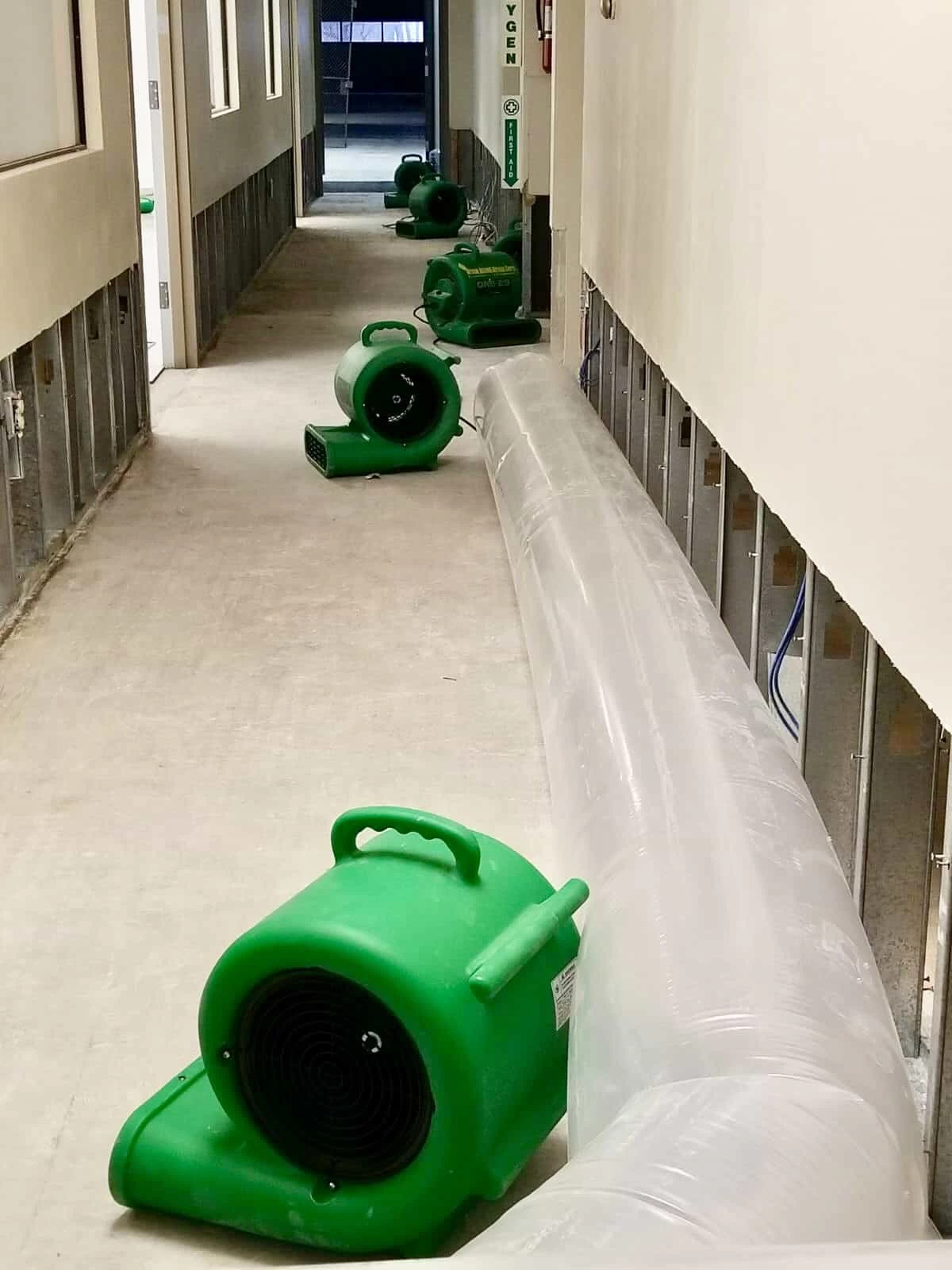
Beyond full teardowns, we also handle selective demolition — interior gut-outs, partial structural removal, and targeted demolition for renovation projects. If you are keeping the foundation but removing everything above it, or if you need a section of the structure removed while the rest stays intact, that is within scope. Mold remediation, lead paint removal, and water damage assessment are part of the same integrated service model, which matters in a community where chronic moisture and saltwater intrusion have worked their way into the bones of older Freeport homes for years.
If your demolition is tied to an insurance claim — flood insurance, homeowners coverage, or a FEMA-related process — we have helped clients navigate that documentation and coordination directly. That is not something most demolition contractors offer, and in Freeport, where thousands of homes carry flood insurance policies and post-storm claims are a real part of life, it is a meaningful difference.
What permits do I need for house demolition in Freeport, NY?
Freeport has its own permitting process that is different from unincorporated Nassau County communities, and it involves two separate steps that both need to happen before work can legally begin. First, a written Notice to Demolish must be submitted to the Village of Freeport’s Superintendent of Buildings. This notice includes information about the property owners, the demolition contractor, and the structure itself. Second — and this is the step that catches a lot of contractors off guard — the Nassau County Department of Health must inspect the property and certify in writing that there is no evidence of rodent infestation before the village will issue the actual demolition permit.
On top of those two steps, any pre-1980 structure requires a licensed asbestos survey before demolition begins, and all utilities — electric through PSEG Long Island, gas through National Grid, water, and sewer — must be formally disconnected and confirmed before work starts. If you have questions about the Village of Freeport’s building department specifically, they can be reached at (516) 377-2200. We manage all of this permitting coordination as part of the project — you are not navigating it alone.
Does my house in Freeport need asbestos testing before it can be demolished?
If your home was built before 1980, yes — a licensed asbestos inspection is legally required before demolition can begin in New York State. This is governed by NYS Industrial Code Rule 56, enforced by the NYS Department of Labor’s Asbestos Control Bureau. It is not optional, and it is not something a contractor can skip and hope no one notices. Inspectors from the state’s Asbestos Control Bureau can and do show up at demolition sites.
For Freeport specifically, this requirement affects a large portion of the village’s housing stock. The bungalows and Cape Cods that line South Freeport’s canal streets and the older homes throughout the village were built during an era when asbestos was standard in floor tiles, ceiling tiles, pipe insulation, HVAC duct tape, and roofing shingles. If asbestos-containing materials are found during the inspection, they must be removed by a certified abatement contractor before structural demolition begins. We are NYS DOH-licensed for both the inspection and the abatement, so there is no waiting for a separate company to finish their scope before demolition can start.
How much does house demolition cost in Freeport, NY?
Demolition costs vary based on the size of the structure, the scope of hazardous material abatement required, site access conditions, and how the debris will be disposed of. For a typical residential teardown in Nassau County, full house demolition generally ranges from $10,000 to $25,000 or more depending on those factors. Asbestos abatement, if required, adds to that cost — but it is a fixed regulatory requirement, not an upsell, and the cost is far lower than the fines and project shutdowns that come from skipping it.
In Freeport, a few local factors can influence the final number. Homes adjacent to Woodcleft Canal or the village’s tidal waterways require additional debris containment measures to comply with environmental regulations, which affects the logistics of the job. Homes that have sustained significant flood or storm damage may also have structural conditions that affect how the teardown is sequenced. The most accurate way to get a real number is a site assessment — we provide free consultations so you understand the full scope before committing to anything.
My Freeport home was damaged by flooding — is demolition the right call or should I renovate?
This is genuinely one of the more complex decisions a homeowner can face, and the honest answer is that it depends on the extent of the structural damage, the age of the home, and the current value of the land. For a lot of South Freeport homeowners — especially those with older bungalows that have been through Sandy and multiple nor’easters since — the renovation math stops adding up at some point. When saltwater intrusion has compromised the subfloor, the foundation has shifted, and mold has worked its way into the framing, you are not renovating a house anymore. You are rebuilding it from the inside out while paying to live somewhere else.
With average home values in Freeport now around $634,000 and rising, a well-located lot in the village — even one with a structurally compromised structure on it — carries real value. Demolishing and building new can be the more cost-effective path when you factor in the full scope of what a flood-damaged renovation actually costs versus what a new build on a cleared site is worth. We can walk you through both scenarios during a free consultation so you are making the decision with real numbers in front of you, not guesses.
How long does the house demolition process take from start to finish?
The physical demolition of a residential structure typically takes anywhere from one to three days depending on the size of the home and site conditions. But the full timeline — from your first call to a permit-closed, cleared site — is longer, and most of that time is in the front end, not the teardown itself. Permitting, asbestos inspection, abatement (if required), utility disconnections, and the Nassau County Health Department rodent inspection all have to happen in sequence before the structural work can begin.
In Freeport, the dual-layer permit process — village Notice to Demolish plus the county health certification — adds coordination time that homeowners should plan for. Realistically, from the point of engagement to breaking ground, a well-managed project in Freeport can take anywhere from three to six weeks depending on how quickly the permitting and inspection steps move. Emergency situations — storm damage, structural failure, fire damage — are handled differently, and our 24/7 availability means those situations get assessed and mobilized quickly. If you are planning a demolition for spring construction season, starting the process in late winter gives you the best chance of hitting your timeline.
Can Green Island Group handle the insurance claim process for a demolition in Freeport?
Yes — and for a lot of Freeport homeowners, this ends up being one of the most valuable parts of working with us. Flood insurance claims, homeowners insurance documentation, and FEMA-related processes are genuinely complicated, and most demolition contractors hand you a contract and leave the insurance coordination entirely to you. We have helped multiple clients work through the insurance documentation and adjuster coordination process directly, and that experience shows up in our customer reviews without being prompted.
In a village where thousands of properties carry National Flood Insurance Program policies and where post-storm insurance claims are a recurring reality — not a once-in-a-generation event — having a contractor who understands how to document damage, what adjusters look for, and how to keep the project moving while a claim is being processed is a real, practical advantage. It does not replace your insurance agent or attorney, but it means you are not managing the demolition scope and the insurance paperwork completely alone. If your project involves an active insurance claim, bring that up at the first conversation so the team can factor it into how the project is documented and sequenced from the start.