Fresh Pond's Pre-War Buildings Deserve More Than a Basic Teardown Crew
Most buildings on these blocks were standing before World War II. That means asbestos surveys, DEP notifications, and DOB permits before a single wall comes down and we handle all of it in-house.
I needed a professional consultation explanation of procedure for safe removal of Asbestos in my apartment complex. Without having an account yet, I was very impressed with the caring, knowledgeable and generous advice offered by Jessica, and will look forward to doing business in the future. Thank you so much! I feel much more informed about a sometimes scary endeavor. Peace. Nancy Silva Mineola, NY.
Mia Munoz
Used this company to clean up some water flood in my house. They were fast and easy to work with.very professional, Would recommend to anyone!
Nini Valle
Great company, had a flood and they responded quickly and efficiently. Billed my insurance company directly. I highly recommend this company!
joe colapietro, jr
I had pipe freeze in my basement right before a snow storm and they made to within an hour to help start the clean up process. They we by our side throughout the entire process and even helped with the insurance company. They did such a great job with the cleanup, repair, remidiation, I contracted them to perform the repairs and finishes in the basement. They came with enough manpower and material to get the job done. Leo and Jessica were nothing but a pleasure to deal with!!
Cristian Arredondo c
I had some water damage in my home and Green Island was able to take care of my issue quickly and effectively. I am very pleased with the work they did. They responded quickly and were very professional.
Michael M
Outstanding service! From the office to the field crew everyone was friendly, helpful and responsive. I highly recommend Green Island Group.
What Actually Changes When the Right Crew Takes Over Your Fresh Pond Project
When nearly two-thirds of the buildings in Fresh Pond predate 1939, demolition isn’t a simple call to a crew with an excavator. It’s a regulated sequence asbestos survey, lead assessment, DEP notification, DOB permit and only then does physical work begin. If your contractor can’t handle that full sequence, you’re the one coordinating between two separate companies, two separate timelines, and two separate invoices. That’s where most projects go sideways.
What changes when you have one contractor managing the whole thing is pretty straightforward: the project moves. No waiting on a hazmat subcontractor to finish before the demolition crew can start. No permit delays because someone missed a DEP filing window. No surprise costs that weren’t in the original estimate because the scope wasn’t fully understood upfront.
Fresh Pond’s dense, attached rowhouse stock adds another layer that matters here. Demolishing a structure that shares a party wall with your neighbor isn’t the same as tearing down an isolated house. Containment, dust management, and structural support for adjacent properties are real considerations on these blocks and they require a crew that’s actually done this kind of work in western Queens, not one learning it on your job.
12 Years In, 5,000 Projects Deep We Know Fresh Pond's Building Stock Inside and Out
We’ve been operating across New York City and Long Island for over 12 years, with more than 5,000 completed restoration and demolition projects across all five boroughs and both counties. We built this company on a straightforward premise: handle the work nobody else wants to deal with the hazmat, the permits, the emergency calls at midnight and do it right every time.
What that means for you in Fresh Pond is that you’re not hiring a contractor who’s going to hand you a list of things to figure out on your own. We’re a licensed demolition contractor and a certified asbestos abatement company. We file with the NYC DOB, notify the NYC DEP, and manage the full scope from first survey to final site clearance.
We know this area. We’ve worked in the dense residential blocks off Metropolitan Avenue, dealt with the groundwater quirks that come with building over what was once a filled-in pond, and navigated the DOB requirements that apply specifically to New York City not Long Island, not Nassau County. That local experience isn’t incidental. It’s what keeps your project on schedule.
No Guesswork Here's What the Process Looks Like From Your First Call
It starts with a site assessment. Before any permits are pulled or any work is scheduled, our team walks the property to understand what you’re dealing with the age of the structure, the condition of adjacent walls, utility connections, and whether any hazardous materials are likely present. In Fresh Pond, where most buildings predate 1940, that last part is almost always relevant.
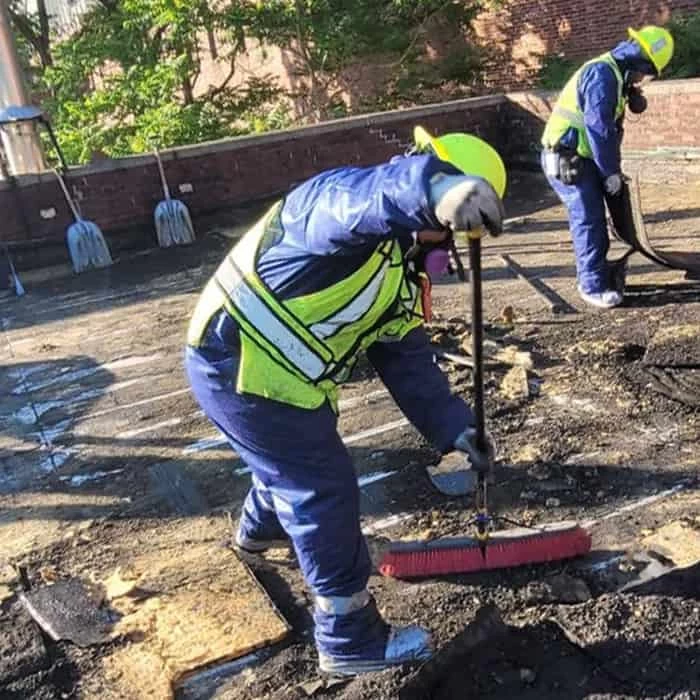
If the assessment confirms asbestos-containing materials or lead-based paint which is common in this neighborhood’s housing stock we handle abatement in-house. That means no waiting for a separate certified contractor to finish before demolition can begin. Once abatement is complete, we file the required NYC DEP notification (at least seven days before abatement activities begin, as required by city law) and submit the demolition permit application to the NYC DOB. Both steps are managed by the same crew that will be doing the physical work.
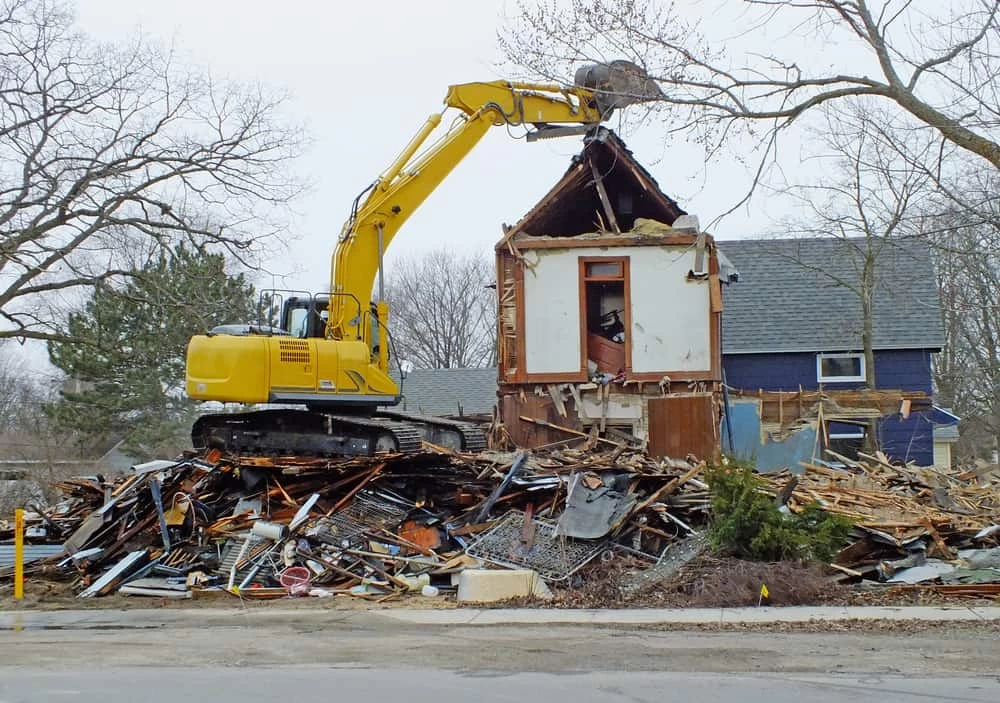
Once permits are approved, demolition proceeds whether that’s a full structural teardown, a partial demolition of a damaged section, or a selective interior gut for a renovation. We manage debris removal, site cleanup, and final clearance. If your project is insurance-driven a fire, a flood, a structural failure we bill your insurance company directly and help you navigate the claims process. You get a clean site and one point of contact from start to finish.
Every Demolition Job Here Comes With the Compliance Work Built In
Demolition in Fresh Pond isn’t just physical work it’s a regulatory process that starts well before any equipment arrives on site. Because this is New York City, every project falls under NYC DOB jurisdiction. That means permit requirements, inspection protocols, and enforcement that’s meaningfully more complex than what you’d face in Nassau or Suffolk County. A contractor who primarily works out on Long Island and doesn’t know the NYC DOB filing process is a real liability not just an inconvenience.
We handle the full scope: pre-demolition asbestos surveys, lead assessments, NYS DOL-compliant abatement, DEP notification, DOB permit filing, and the physical demolition itself. That covers full building teardowns, partial structural demolitions, and interior selective demolition for properties being gutted before renovation. Both residential and commercial properties along the Fresh Pond Road corridor and the surrounding blocks are within our service area.
For disaster-driven demolitions a fire in an older rowhouse, a severe water event that’s compromised a structure’s integrity, a burst pipe that took out a basement we’re available around the clock and bill insurance directly. In a neighborhood where the infrastructure in many buildings is 80-plus years old, that kind of availability isn’t a bonus. It’s the part that actually matters when something goes wrong at the wrong time.
Do I need a permit to demolish a house in Fresh Pond, Queens?
Yes and in New York City, that permit comes from the NYC Department of Buildings, not a county office. Fresh Pond falls within Queens, which means full DOB jurisdiction applies. Before any demolition work can legally begin, you need a demolition permit filed and approved through the DOB’s system. That process involves submitting detailed project plans, coordinating utility disconnections, and if your building contains asbestos or lead-based paint completing abatement first and notifying the NYC DEP at least seven days before abatement activities begin.
Working without the required permit in NYC isn’t a gray area. Stop Work Orders can be issued on the spot, and civil fines start at $2,500 for a first offense, escalating from there. In a dense neighborhood like Fresh Pond, where adjacent property owners and the city are paying attention, unpermitted demolition work tends to get flagged quickly. The permit process exists to protect you, your neighbors, and the adjacent structures especially relevant on blocks with attached rowhouses where a shared party wall is involved.
Does my pre-war building in Fresh Pond likely contain asbestos or lead paint?
Almost certainly, yes and that’s not meant to alarm you, it’s just the reality of the housing stock in Fresh Pond. Roughly 64% of residential buildings in the neighborhood were built no later than 1939. Asbestos was used extensively in construction materials through the 1970s insulation, floor tiles, roofing, pipe wrap and lead-based paint was standard before 1978. A building from the 1920s or 1930s has had decades to accumulate both.
Under New York State law (Industrial Code Rule 56), an asbestos survey is mandatory before any demolition or renovation work begins on any building in New York residential or commercial, regardless of size. If asbestos-containing materials are found, they must be removed by a certified abatement contractor before demolition proceeds. We’re both a licensed demolition contractor and a certified asbestos abatement company, so you don’t need to find two separate contractors or manage that handoff yourself. The survey, abatement, and demolition all happen under one roof.
Will demolishing my rowhouse in Fresh Pond affect my neighbor's property?
It can, if the work isn’t managed correctly and that’s one of the most important questions to ask before hiring anyone. Fresh Pond’s residential fabric is primarily attached and semi-attached rowhouses, many of which share party walls, foundations, or utility connections with adjacent properties. Demolishing one unit in a connected row without proper shoring, containment, and structural planning can cause cracking, settling, or damage to the structure next door.
A contractor with experience in dense urban settings not one who primarily works on isolated suburban lots knows how to assess the shared wall situation before a single tool touches the building. That means evaluating the condition of the party wall, determining whether temporary bracing is needed to support the adjacent structure during demolition, and managing dust and debris containment on a narrow city street. The NYC DOB’s permit process also requires this kind of planning to be documented before work begins, so it’s not optional it’s built into a compliant project from the start.
How long does a house demolition take in the Fresh Pond area?
The physical demolition of a residential structure the actual teardown typically takes anywhere from a few days to about a week, depending on the size of the building, whether it’s attached or freestanding, and how complex the debris removal is on a dense city block. But the full timeline from first call to cleared site is longer than that, and it’s important to plan around it.
In Fresh Pond, the pre-demolition sequence adds meaningful time. An asbestos survey needs to happen first. If materials are found, abatement must be completed before demolition begins, and the NYC DEP requires at least seven days’ notice before abatement activities start. Then the DOB permit application needs to be filed and approved processing times vary depending on the complexity of the project and the DOB’s current volume. Realistically, from the point of initial assessment to the start of physical demolition, you’re often looking at several weeks. Working with a contractor who handles the full sequence in-house rather than waiting on separate subcontractors is the most reliable way to keep that timeline from stretching further.
What happens if a fire or flood makes my Fresh Pond property unsafe is that an emergency demolition?
It can be, yes. When a fire, severe water event, or structural failure compromises a building’s integrity to the point where it poses an immediate safety risk, the NYC DOB can issue an emergency declaration that accelerates the permit process and allows demolition to begin on an expedited basis. In those situations, the priority is stabilizing or removing the structure quickly to protect occupants and adjacent properties.
In Fresh Pond, this scenario is more common than people expect. The neighborhood’s building stock is old pipes, electrical systems, and roofing in many structures have been in place for 80 or more years. Burst pipes in winter, electrical fires in aging wiring, and structural failures in buildings with deferred maintenance are recurring events on these blocks. We’re available 24 hours a day, seven days a week, and have documented experience responding to emergency situations within hours of a call. We also bill insurance companies directly, which matters a great deal when you’re already dealing with displacement and a claims process at the same time.
How much does house demolition cost in Queens, NY for a typical Fresh Pond property?
Demolition costs in Queens vary based on the size of the structure, whether it’s attached or freestanding, what hazardous materials are present, and how complex the permit and abatement process turns out to be. For a typical residential structure in Fresh Pond, full demolition costs generally range from $15,000 to $40,000 or more when you factor in the mandatory pre-demolition work asbestos survey, abatement if needed, DEP notification, and DOB permit fees.
That range can feel wide, but the reason it varies is specific to Fresh Pond. A freestanding structure with minimal hazardous materials and straightforward permit filing sits at the lower end. An attached pre-war rowhouse with confirmed asbestos, a shared party wall that requires shoring, and a more complex DOB filing process sits higher. The most important thing to understand is that any estimate that doesn’t account for permits and hazmat work isn’t a complete estimate those costs will surface eventually, and if they weren’t disclosed upfront, you’re the one absorbing them. A written estimate that lays out the full scope survey, abatement, permits, demolition, and debris removal is the only kind worth comparing.