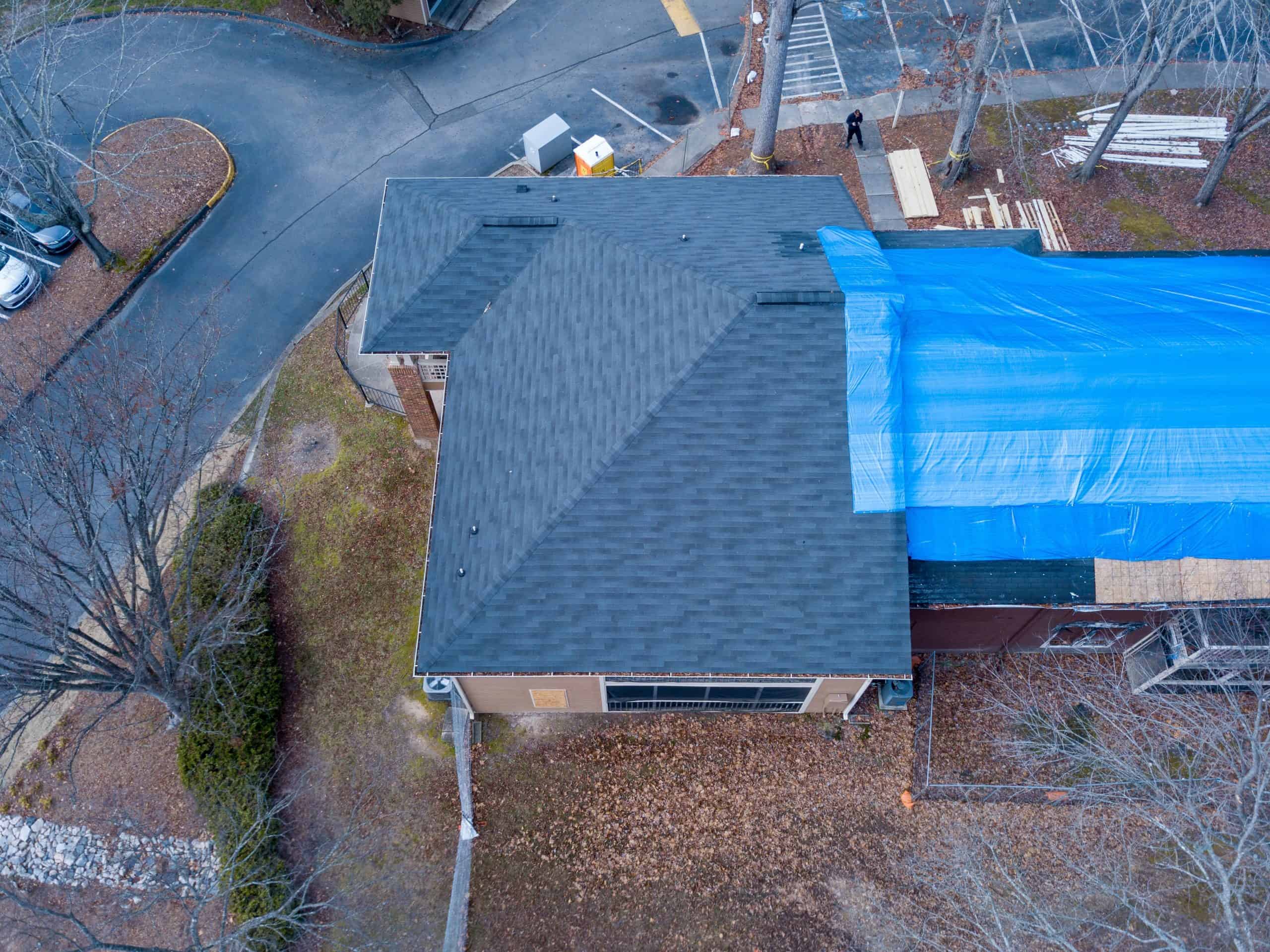
Garden City's Aging Homes Deserve More Than a Wrecking Ball
When a home has run its course in Garden City, getting it down the right way means navigating village permits, county requirements, and state asbestos law — before a single wall comes down. We handle all of it.
I needed a professional consultation explanation of procedure for safe removal of Asbestos in my apartment complex. Without having an account yet, I was very impressed with the caring, knowledgeable and generous advice offered by Jessica, and will look forward to doing business in the future. Thank you so much! I feel much more informed about a sometimes scary endeavor. Peace. Nancy Silva Mineola, NY.
Mia Munoz
Used this company to clean up some water flood in my house. They were fast and easy to work with.very professional, Would recommend to anyone!
Nini Valle
Great company, had a flood and they responded quickly and efficiently. Billed my insurance company directly. I highly recommend this company!
joe colapietro, jr
I had pipe freeze in my basement right before a snow storm and they made to within an hour to help start the clean up process. They we by our side throughout the entire process and even helped with the insurance company. They did such a great job with the cleanup, repair, remidiation, I contracted them to perform the repairs and finishes in the basement. They came with enough manpower and material to get the job done. Leo and Jessica were nothing but a pleasure to deal with!!
Cristian Arredondo c
I had some water damage in my home and Green Island was able to take care of my issue quickly and effectively. I am very pleased with the work they did. They responded quickly and were very professional.
Michael M
Outstanding service! From the office to the field crew everyone was friendly, helpful and responsive. I highly recommend Green Island Group.
What You Get When the Process Is Done Right in Garden City
A lot of Garden City homeowners come to us after they’ve already tried to figure this out on their own — and hit a wall. Not the structural kind. The paperwork kind. The Village of Garden City has its own Building Department, its own demolition permit requirements, and a Village Code that won’t budge until every board approval is in place. On top of that, Nassau County requires a rodent-free certification before any residential demolition can begin. Most contractors don’t mention that until it’s already a problem.
Garden City’s housing stock is also one of the oldest on Long Island. A significant share of homes here were built between the 1910s and 1960s — which means asbestos in the insulation, floor tiles, roofing, and pipe wrap is not a remote possibility. It’s a near-certainty in many cases. New York State law requires certified inspection and abatement before demolition of any pre-1980 structure. When you hire a contractor who handles asbestos testing, abatement, and full demolition under one roof, you’re not just saving time — you’re eliminating the coordination gaps that cause delays and cost overruns.
What the right process actually looks like: your property is assessed, hazardous materials are identified and removed by our certified professionals, permits are pulled at the village and county level, the structure comes down cleanly, debris is hauled, and the site is left ready for whatever comes next. That’s the job done right. And in a village where land values regularly exceed $500,000 and new construction is actively underway on existing lots, getting it done right is the only version that makes financial sense.
We’ve been doing demolition work across Long Island and New York City for over 12 years. More than 340 completed projects. Nassau County, Suffolk County, and all five boroughs. That kind of track record means we’ve already been through the Garden City Building Department’s process. We know what the village needs, what Nassau County inspectors are looking for, and how to sequence a project so that regulatory checkpoints don’t become construction delays.
We’re EPA, OSHA, NYS DOH, and NYC DOB certified. We hold NYS and NYC M/WBE certification — a government-issued credential that requires real vetting, not just a checkbox. And we’re available 24/7, which matters more than people expect. When a nor’easter damages a roof on a 90-year-old Tudor off Cathedral Avenue, or a foundation issue forces an unexpected decision on a home in Garden City Estates, you need someone who picks up the phone.
Our reviews consistently mention specific names, specific projects, and specific problems we helped solve — including insurance claims. That’s not an accident. It’s just how we work.
No Surprises. Here's Exactly How a Garden City Teardown Unfolds.
The first step is a site assessment. We come out, evaluate the structure, and identify any hazardous materials — asbestos, lead paint, or both — that need to be addressed before anything else happens. In Garden City, where a large portion of homes were built before 1980, this step is almost always relevant. We don’t skip it, and we don’t subcontract it. Our certified team handles testing and abatement in-house.
Once the environmental work is cleared, we move into permitting. That means coordinating with the Village of Garden City’s Building Department, securing the required board approvals under Chapter 68 of the Village Code, obtaining Nassau County’s rodent-free certification, and meeting all state-level requirements. This is the stage where projects stall when contractors don’t know the local process. We do.
After permits are issued, demolition begins. We manage the site with containment barriers and dust control — important in a neighborhood where homes are closely spaced and the mature trees and landscaping that define Garden City’s streetscape need to be protected. Structural demolition is followed by full debris removal and site cleanup. If you’re moving into a rebuild, we can take the project through restoration and new construction as well. One team, one timeline, no handoffs.
From Asbestos to Cleared Site — Everything's Covered
House demolition in Garden City isn’t a single service — it’s a sequence of interconnected steps, and the quality of each one affects everything that follows. What we bring to the table is the ability to handle that entire sequence without handing you off to someone else halfway through.
That means asbestos testing and abatement handled by our NYS DOH-certified professionals, not subcontractors. It means pulling permits at both the village and county level — including the Nassau County rodent-free certification that catches a lot of Garden City homeowners off guard. It means full structural demolition, debris hauling, and site clearing. And for homeowners planning a teardown-and-rebuild — which is an active and growing segment in Garden City given current land values and the volume of new construction completed on existing lots in 2024 and 2025 — it means complete property restoration and new construction capability through the finish line.
If your demolition follows a damage event — fire, structural failure, storm damage — we also help navigate the insurance claim process. Multiple customers have noted this specifically in their reviews, without being asked. It’s not a formal add-on. It’s just something we do because it matters. For a Garden City homeowner managing a property worth over a million dollars, having one contractor who understands the full picture isn’t a luxury. It’s the only approach that actually protects your investment.
What permits do I need for house demolition in Garden City, NY?
Garden City operates its own Building Department, which means the permit process here has a layer that doesn’t apply in unincorporated Nassau County communities. Before any demolition work can legally begin, you need a building permit issued by the Village of Garden City — and no permit will be issued until all required board approvals are in place under Chapter 68 of the Village Code. That approval step alone can add time to your timeline if you’re not prepared for it.
On top of the village-level requirements, Nassau County requires a rodent-free certification prior to demolition of any residential building. That’s a county-level requirement enforced separately from the village permit process. And if your home was built before 1980 — which covers a large portion of Garden City’s housing stock — New York State law requires a certified asbestos inspection and abatement before demolition can proceed. That’s three separate regulatory layers: village, county, and state. Working with a contractor who knows all three is the difference between a project that moves and one that stalls.
Does my Garden City home need asbestos testing before demolition?
If your home was built before 1980, yes — and in Garden City, that applies to a substantial share of the housing stock. The village was developed in waves starting in the 1870s, with major construction through the 1910s, 1930s, and post-WWII era. Asbestos was standard in residential construction during much of that period: insulation, floor tiles, ceiling tiles, roofing shingles, pipe wrap. It’s not a worst-case scenario — it’s a common finding in homes of this age.
New York State law is clear: pre-1980 structures must be professionally inspected for asbestos-containing materials before demolition can proceed. If ACMs are found, they must be removed by NYS DOH-certified contractors before any structural work begins. We handle both testing and abatement in-house, which means you’re not waiting on a separate company to finish before we can start. The process stays on one timeline, under one team, with no gaps between the environmental phase and the demolition phase.
How much does house demolition cost in Nassau County, NY?
In the New York metro area, residential demolition typically runs higher than national averages — roughly 20 to 30 percent more. For a standard single-family home in Nassau County, you’re generally looking at a range of $15,000 to $35,000 for the structural demolition itself. That number shifts based on the size of the home, the materials involved, site access, and — importantly — what the environmental assessment finds.
In Garden City specifically, homes built before 1980 are common, and asbestos abatement adds cost to the project. That’s not a surprise fee if you’re working with a contractor who’s upfront about it from the start. The bigger financial risk isn’t the cost of demolition — it’s hiring the wrong contractor and ending up with a stop-work order, a regulatory fine, or a project delay that pushes your construction start into the following season. On a property worth over a million dollars, the premium for doing this correctly is a straightforward calculation.
Is it better to renovate or tear down and rebuild in Garden City?
That depends on the condition of the existing structure and the math behind the rebuild. In Garden City, where land values frequently exceed $500,000 and new construction costs for a custom home run roughly $400,000 to $600,000, the teardown-and-rebuild calculation often makes sense — especially for homes that are functionally obsolete, have significant deferred maintenance, or would require extensive renovation to meet modern standards.
The real question is what you’re working with. A home with solid bones and manageable updates is a different conversation than one with a compromised foundation, outdated systems throughout, and pre-1980 materials that require abatement regardless of whether you demolish or renovate. In many cases, the cost of bringing an aging Garden City home up to current standards through renovation approaches or exceeds the cost of a teardown-and-rebuild — without giving you the modern layout, energy efficiency, or design you actually want. We’ve had this conversation with a lot of homeowners across Nassau County. The right answer depends on your specific property, and we’re happy to walk through it with you.
How long does the house demolition process take in Garden City?
The physical demolition of a standard single-family home typically takes one to three days once the work actually starts. But in Garden City, the timeline from decision to demolition is longer than most homeowners expect — because of the regulatory sequence that has to happen first.
Asbestos inspection and abatement, if required, adds time before permits can even be applied for. The Village of Garden City’s permit process requires board approvals before a permit is issued, and that approval step has its own timeline. Nassau County’s rodent-free certification is another checkpoint. Realistically, you should plan for several weeks of pre-demolition preparation between the environmental phase, the permitting phase, and the actual start of work. The good news is that when you’re working with a contractor who handles all three phases in-house and knows the Garden City process, that timeline moves as efficiently as it can. The delays happen when contractors are learning the process as they go — or when they miss a requirement entirely.
Can Green Island Group handle the full teardown and rebuild in Garden City?
Yes. The teardown-and-rebuild market in Garden City is active — multiple new construction homes were completed on existing village lots in 2024 and 2025, and the financial conditions that drive that activity aren’t going away. We’re built to handle the full sequence: environmental assessment, asbestos abatement, full structural demolition, debris removal, site clearing, and complete property restoration and new construction through to a finished, habitable structure.
For most homeowners, the biggest friction point in a teardown-and-rebuild isn’t the demolition itself — it’s managing multiple contractors across a long project timeline. When the asbestos company, the demolition crew, and the builder are all separate, the coordination gaps between them become your problem. Bringing that entire sequence under one contractor eliminates those gaps. It also means one point of contact, one project timeline, and one team that’s accountable for the full outcome. In a village with Garden City’s regulatory complexity and property values, that kind of continuity isn’t just convenient — it’s a real risk management advantage.