Garden City South Homes Deserve More Than a Wrecking Ball
Most homes in Garden City South were built in the 1940s through 1960s — and tearing one down the right way takes more than heavy equipment. We handle house demolition in Garden City South from asbestos testing to final site cleanup, so nothing gets missed.
I needed a professional consultation explanation of procedure for safe removal of Asbestos in my apartment complex. Without having an account yet, I was very impressed with the caring, knowledgeable and generous advice offered by Jessica, and will look forward to doing business in the future. Thank you so much! I feel much more informed about a sometimes scary endeavor. Peace. Nancy Silva Mineola, NY.
Mia Munoz
Used this company to clean up some water flood in my house. They were fast and easy to work with.very professional, Would recommend to anyone!
Nini Valle
Great company, had a flood and they responded quickly and efficiently. Billed my insurance company directly. I highly recommend this company!
joe colapietro, jr
I had pipe freeze in my basement right before a snow storm and they made to within an hour to help start the clean up process. They we by our side throughout the entire process and even helped with the insurance company. They did such a great job with the cleanup, repair, remidiation, I contracted them to perform the repairs and finishes in the basement. They came with enough manpower and material to get the job done. Leo and Jessica were nothing but a pleasure to deal with!!
Cristian Arredondo c
I had some water damage in my home and Green Island was able to take care of my issue quickly and effectively. I am very pleased with the work they did. They responded quickly and were very professional.
Michael M
Outstanding service! From the office to the field crew everyone was friendly, helpful and responsive. I highly recommend Green Island Group.
When you’re dealing with an aging Cape Cod on a lot that’s worth more than the structure sitting on it, the last thing you need is four separate contractors who don’t talk to each other. The permits stall. The asbestos company can’t start until the demo crew finishes their paperwork. The timeline slips past the school year, and suddenly your family is in limbo. That’s the reality for a lot of homeowners in Garden City South — and it’s completely avoidable.
Because virtually every home in Garden City South was built before 1980, asbestos testing isn’t optional under New York State law — it’s a legal requirement before demolition can begin. We’re certified to handle that testing and abatement in-house, which means your project doesn’t stop dead while you’re tracking down a separate abatement contractor with a six-week backlog.
The other thing worth knowing: Garden City South is an unincorporated hamlet, which means your demolition permit comes from the Town of Hempstead Building Department — not the Village of Garden City next door. It’s a distinction that trips up a lot of out-of-market companies. We’ve navigated that process across Nassau County for over 12 years, and we know exactly what’s required to keep your project moving without unnecessary delays.
340 Projects. Every License That Actually Matters Here.
We’ve completed more than 340 demolition projects across Long Island and New York City. That’s not a number pulled from thin air — it reflects over a decade of work across Nassau and Suffolk Counties, including projects in Garden City South where the housing stock is older, the regulations are specific, and the stakes for getting it wrong are real.
We hold EPA certification, OSHA certification, NYS Department of Health licensure for asbestos work, and NYC Department of Buildings licensure. We’re also NYS and NYC M/WBE Certified — a credential that requires a formal government vetting process, not just a self-declaration. When you ask for our license numbers, we hand them over without hesitation.
Our team is available 24 hours a day, 365 days a year. Verified customer reviews document emergency arrivals within one hour — including during active winter storms. If your home on Nassau Boulevard has taken on water or sustained structural damage after a nor’easter, you don’t have to wait until Monday morning to get someone on-site.
What a Clean, Compliant Teardown Actually Looks Like Here
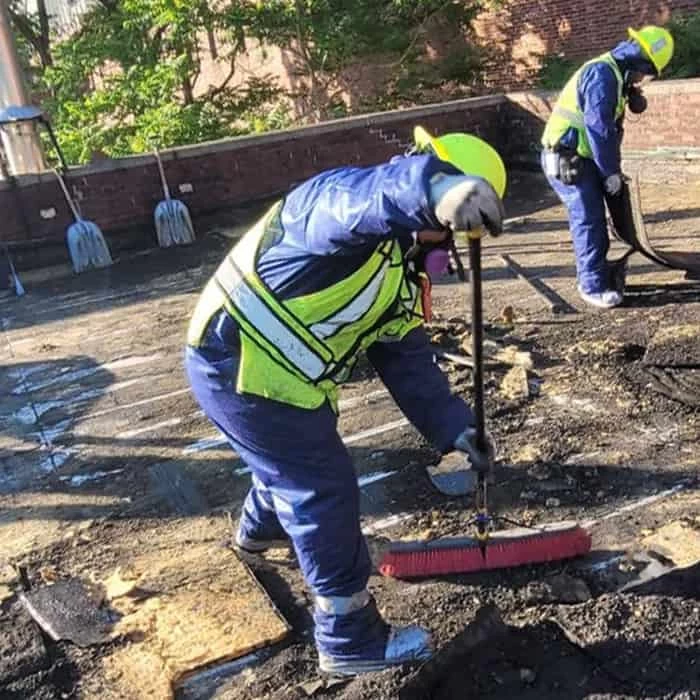
The first step is always a site assessment. We come out, walk the property, evaluate the structure, and give you a clear picture of what the project involves — including whether hazardous materials testing is needed. For homes in Garden City South built before 1980, which is most of them, that testing is a legal requirement under NYS Industrial Code Rule 56. We handle the certified inspection and, if asbestos or lead-based materials are present, the full abatement before any demolition work begins.
Once the hazmat side is clear, we manage the permitting process through the Town of Hempstead Building Department. We also coordinate any required contact with the Nassau County Department of Public Works — relevant when dumpsters or equipment will be staged near Nassau Boulevard or other county-maintained roads. Utility disconnections with PSEG Long Island are confirmed and documented before any structural work starts. These aren’t steps that can be skipped or rushed, and we don’t treat them that way.
From there, demolition proceeds on a defined timeline. Debris is hauled and disposed of properly. The site is left clean, level, and ready for whatever comes next — whether that’s a new build, a foundation pour, or a property sale. If you’re rebuilding and working around the Garden City school calendar, we plan the timeline with that deadline in mind from day one.
Residential Demolition Services Garden City South, NY
Full-Cycle Demolition Built for Nassau County's Oldest Neighborhoods
What we do isn’t just tear things down. It’s managing a process that has a lot of moving parts — especially in a community like Garden City South, where the housing stock is predominantly mid-century, the lots are compact, and the regulatory requirements are layered. Full house demolition includes hazardous material testing and abatement, structural teardown, foundation removal if needed, and complete debris removal and site cleanup. Everything under one contract.
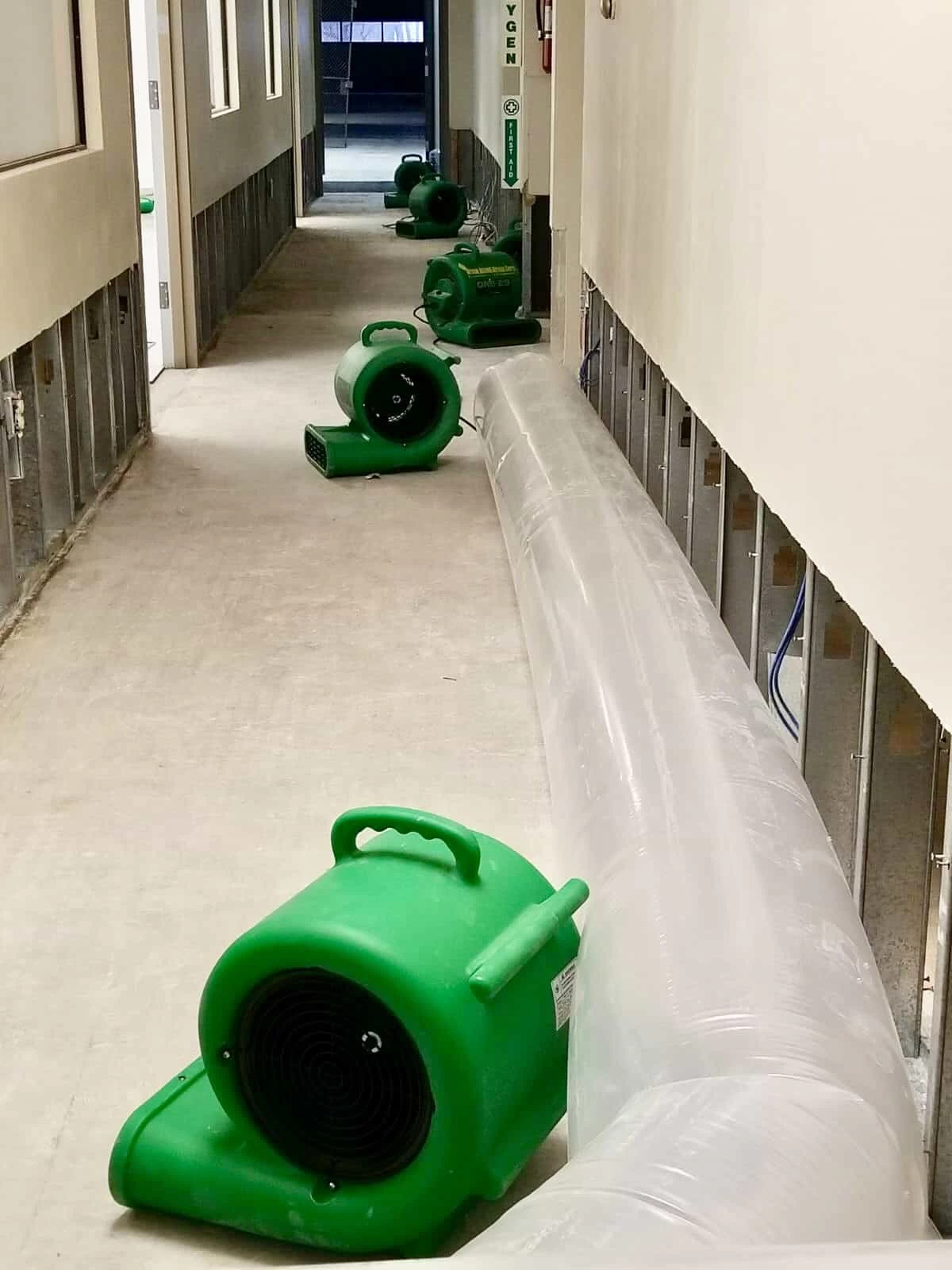
For homeowners dealing with storm damage, a burst pipe, or a structure that’s simply beyond saving, we also handle the remediation side before demolition begins — mold, water damage, and structural assessment included. If you’re working through a homeowners insurance claim at the same time, our team has helped clients navigate that process alongside the project itself. It’s not a service every demolition company offers, but it’s one that matters when you’re already dealing with a stressful situation.
Selective and interior demolition are also available for projects that don’t require a full teardown — gut renovations, structural wall removal, or targeted interior work before a major remodel. Whatever the scope, the process is the same: proper assessment, correct permitting through the Town of Hempstead, certified hazmat handling where required, and a clean finish when the work is done.
Do I need a permit to demolish a house in Garden City South, NY?
Yes, and the permit comes from the Town of Hempstead Building Department — not the Village of Garden City’s Building Department, even though the two communities share a zip code. Garden City South is an unincorporated hamlet, which puts it under Town of Hempstead jurisdiction for all building and demolition permits. This is a distinction that matters practically: if you or your contractor shows up at the wrong office, you lose time and potentially delay the entire project.
Beyond the demolition permit itself, you’ll also need to document utility disconnections — electric and gas through PSEG Long Island, plus water and sewer — before the permit is issued. If your project involves equipment staging or dumpster placement near Nassau Boulevard or another county-maintained road, coordination with the Nassau County Department of Public Works is also required. We handle all of this as part of the project, so you’re not left piecing together the permitting process on your own.
Does my older Garden City South home need asbestos testing before demolition?
Almost certainly yes. Under New York State Industrial Code Rule 56, any building constructed before 1980 requires a certified asbestos inspection before demolition, renovation, or any work that could disturb building materials. The overwhelming majority of homes in Garden City South were built between 1940 and 1969 — well within that window. Asbestos was commonly used in floor tiles, ceiling tiles, pipe insulation, roofing shingles, joint compound, and exterior siding materials during that era.
This isn’t something a general contractor can handle. The inspection must be performed by a certified asbestos inspector, and if asbestos-containing materials are found, abatement must be completed by a licensed contractor before demolition proceeds. We hold NYS Department of Health licensure for asbestos work and handle testing, abatement, and demolition as a single coordinated workflow. You won’t be stuck waiting on a third party to clear the site before we can start.
How much does house demolition typically cost in Garden City South, NY?
For a typical single-family home in the New York metro area, full house demolition generally runs between $15,000 and $30,000 depending on the size of the structure, whether foundation removal is included, and what hazardous materials are present. The metro New York market runs 20 to 30 percent above national averages due to higher labor costs, stricter permitting requirements, and the asbestos abatement work that older homes almost always require. Foundation removal alone can add $2,000 to $10,000 to the total.
For a home in Garden City South — where most structures are mid-century Cape Cods or Colonials in the 1,500 to 2,500 square foot range — expect the full project cost to reflect the age of the building and the likelihood of hazardous material abatement. The best way to get an accurate number is a site assessment, which lets us evaluate the structure, identify any hazmat considerations, and give you a clear estimate before anything is committed. We don’t quote blindly over the phone because the variables here are real.
What happens if my home was damaged by a storm or flood — can it still be demolished?
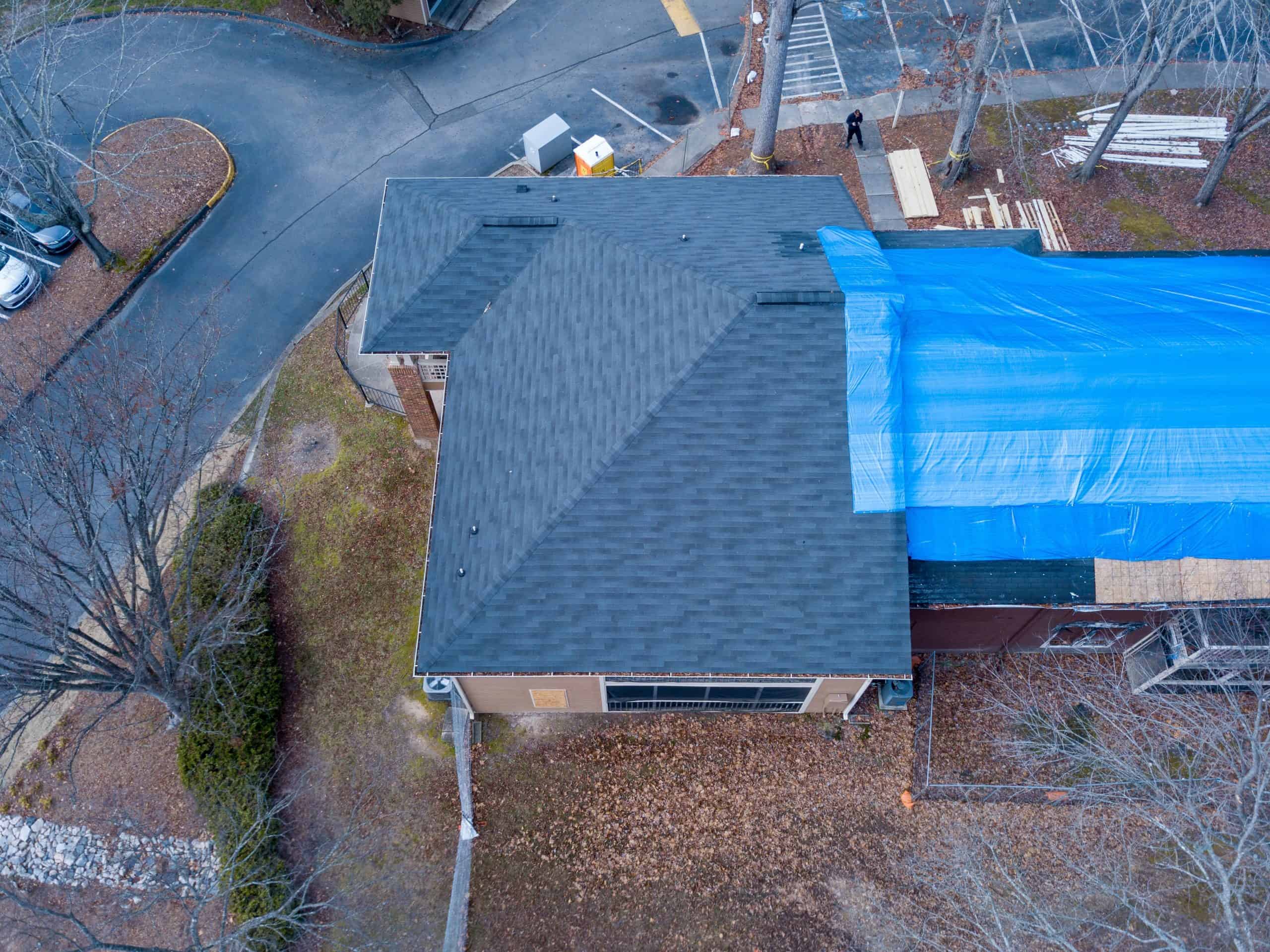
Yes, and in many cases it needs to be. Garden City South’s location in Nassau County, combined with the age of its housing stock, makes storm and freeze-related structural damage a real and recurring issue. Burst pipes during a hard January freeze, basement flooding after a nor’easter, or roof collapse from heavy snow loading can all push an already-aging structure past the point of viable repair. When that happens, demolition is often the most practical path forward.
The process in a damage situation starts with a structural assessment to determine the extent of the damage and whether any remediation — water extraction, mold treatment, or stabilization — needs to happen before demolition can safely proceed. If you’re simultaneously managing a homeowners insurance claim, our team has experience helping clients work through that process alongside the project. We’re available 24 hours a day for exactly these situations, and we have a documented record of on-site emergency response within one hour when conditions require it.
How long does the house demolition process take from start to finish?
The physical demolition of a single-family home typically takes one to three days once the site is cleared and permitted. The longer part of the timeline is everything that comes before: asbestos inspection and abatement if required, permitting through the Town of Hempstead, utility disconnection confirmation with PSEG Long Island, and any Nassau County DPW coordination for road-adjacent staging. Realistically, from first contact to breaking ground, you’re looking at several weeks for a standard project — longer if the asbestos abatement scope is significant.
For homeowners in Garden City South who are planning a demolition and rebuild with the Garden City school calendar in mind, that lead time matters. If you want construction underway by early summer, you need to initiate the process in late winter or early spring. We plan project timelines with hard deadlines in mind and communicate milestones clearly so you’re never guessing where things stand. The earlier you start the conversation, the more flexibility you have on timing.
Can Green Island Group handle both the demolition and the rebuild on my Garden City South property?
Yes. Our services span the full project lifecycle — from initial hazardous material testing and abatement through structural demolition, debris removal, site cleanup, and full property restoration. For homeowners in Garden City South who are tearing down to rebuild, having one company manage the entire process eliminates the coordination problem that causes most project delays and cost overruns: the gap between what the demolition crew leaves behind and what the restoration team expects to walk into.
This is particularly relevant in a community where the land value justifies a full rebuild but the existing structure — a 1950s Cape Cod with aging systems, outdated layout, and pre-1980 building materials — can’t be brought up to modern standards without spending more than a new build would cost. We’ve handled that exact scenario across Nassau County, and we understand what it takes to move a project from teardown to finished structure efficiently and correctly. One contract, one point of contact, and a team that knows what the end goal looks like from day one.