When Jamaica Bay Takes Your Home, We Take It From There
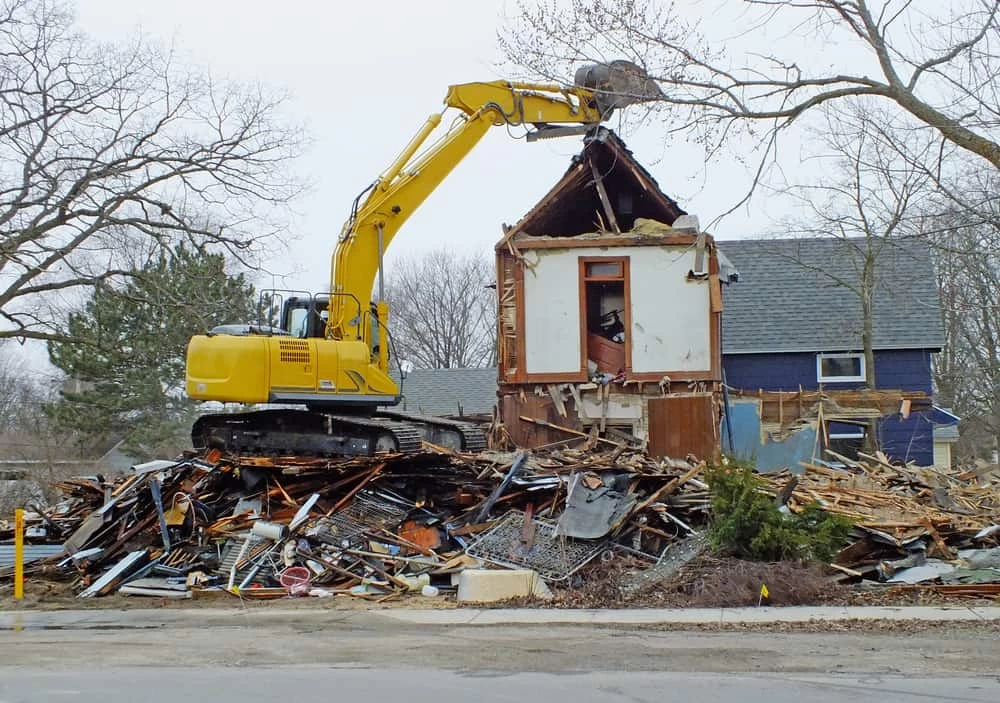
House demolition in Hamilton Beach isn’t a routine job it’s a flood-zone decision that needs the right contractor from the first call. We handle everything: permits, asbestos, insurance, and full site clearance.
I needed a professional consultation explanation of procedure for safe removal of Asbestos in my apartment complex. Without having an account yet, I was very impressed with the caring, knowledgeable and generous advice offered by Jessica, and will look forward to doing business in the future. Thank you so much! I feel much more informed about a sometimes scary endeavor. Peace. Nancy Silva Mineola, NY.
Mia Munoz
Used this company to clean up some water flood in my house. They were fast and easy to work with.very professional, Would recommend to anyone!
Nini Valle
Great company, had a flood and they responded quickly and efficiently. Billed my insurance company directly. I highly recommend this company!
joe colapietro, jr
I had pipe freeze in my basement right before a snow storm and they made to within an hour to help start the clean up process. They we by our side throughout the entire process and even helped with the insurance company. They did such a great job with the cleanup, repair, remidiation, I contracted them to perform the repairs and finishes in the basement. They came with enough manpower and material to get the job done. Leo and Jessica were nothing but a pleasure to deal with!!
Cristian Arredondo c
I had some water damage in my home and Green Island was able to take care of my issue quickly and effectively. I am very pleased with the work they did. They responded quickly and were very professional.
Michael M
Outstanding service! From the office to the field crew everyone was friendly, helpful and responsive. I highly recommend Green Island Group.
Most Hamilton Beach homeowners who call us aren’t in a neutral situation. They’re dealing with a structure that’s been compromised by tidal flooding that crept up Davenport Court again, by a storm that finished what Sandy started, or by years of water intrusion that finally caught up with a bungalow built before most people’s grandparents were born. The decision to demolish isn’t easy. But once it’s made, the process should be.
When you work with a contractor who handles asbestos abatement, permitting, and demolition under one roof, the project actually moves. There’s no waiting on a third-party environmental firm to clear their schedule before the NYC DOB will even look at your permit application. In a neighborhood where virtually every home was built before 1970, that ACP-5 asbestos certification is required before demolition can legally begin and we handle it in-house, which cuts weeks off your timeline.
What you’re left with after the work is done is a cleared, compliant site no open permits, no lingering debris, no calls from the DOB. Just a clean slate, whether you’re rebuilding elevated, selling the lot, or finally stepping away from a property that’s given you enough grief.
Green Island Group is a licensed demolition and certified asbestos abatement contractor serving Queens and the surrounding boroughs. We’ve been doing this work in New York for over 12 years, across more than 5,000 completed projects and the Howard Beach and Hamilton Beach corridor is territory we know well, not territory we’re figuring out as we go.
Hamilton Beach has one way in and one way out: 104th Street across the Hamilton Beach Bridge. The streets are narrow. Equipment staging is tight. A contractor who’s never worked in this neighborhood will find that out the hard way, usually on your dime. We don’t have that problem.
Owner Leo is personally involved in every project. When you call, you’re not getting a call center. You’re getting someone who understands what it means to work in a flood-zone community of 450 households where your neighbors are watching, your insurance adjuster is waiting, and the clock is running.
The first step is a site assessment. We come out, look at the structure, and give you a clear picture of what the project involves including whether hazardous materials are present, what permits are required, and what the realistic timeline looks like given current NYC DOB processing times. For Hamilton Beach homes, which are almost universally pre-1970 construction, we assume an asbestos survey is needed from the start and build that into the plan.
From there, we coordinate utility disconnections with Con Edison, National Grid, and NYC DEP water before anything else happens. This is a non-negotiable step under NYC DOB rules, and skipping it or letting a contractor skip it creates liability that lands on you. Once utilities are cleared, we file for the demolition permit and submit the ACP-5 asbestos certification to the DOB simultaneously, so nothing is waiting on anything else unnecessarily.
When the permits are approved, our crew comes in. We work within the physical constraints of the neighborhood the single access point on 104th Street, the narrow lanes off Russell Street and Stanton Road, the proximity to Hamilton Beach Park and Jamaica Bay. Debris is removed and disposed of properly. The site is cleared and graded. We close the permit, and you have documentation that everything was done by the book which matters enormously if you’re rebuilding, selling, or working through a flood insurance claim.
Residential Demolition Services Hamilton Beach, NY
Everything the Job Requires, Nothing You Have to Chase Down
House demolition in Hamilton Beach involves more moving parts than most homeowners expect especially in a neighborhood that sits inside a FEMA-designated high-risk flood zone along Jamaica Bay. Beyond the physical teardown, you’re navigating the NYC Department of Buildings for the demolition permit, the NYC Department of Environmental Protection for asbestos certification and abatement oversight, and the NYS Department of Labor for licensed abatement work under Industrial Code Rule 56. That’s three agencies, three sets of requirements, and three potential points of delay if your contractor isn’t fluent in all of them.
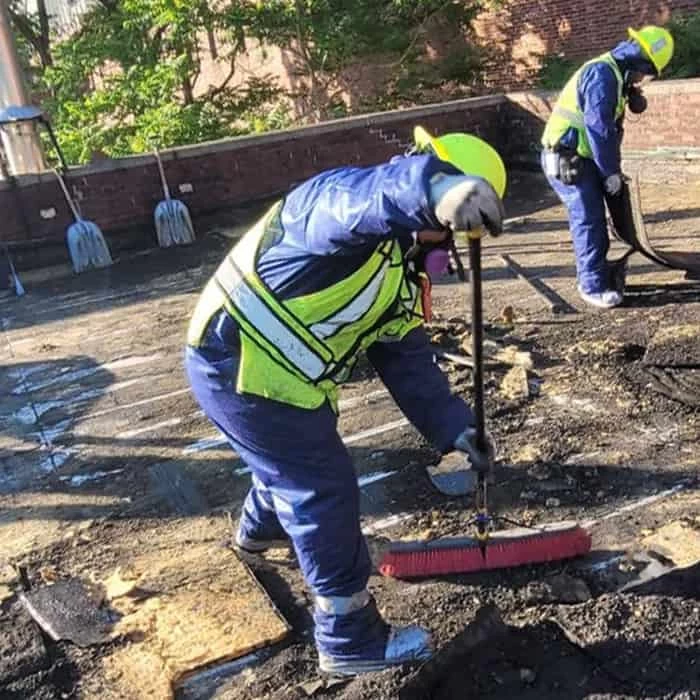
We handle full structural demolition, selective interior demolition, asbestos and lead abatement, mold remediation, debris removal, and site clearance all in-house. If your project is insurance-driven, which is common in Hamilton Beach given the neighborhood’s flood history, we bill insurance directly and work alongside your adjuster so you’re not stuck in the middle translating between two parties who speak different languages.
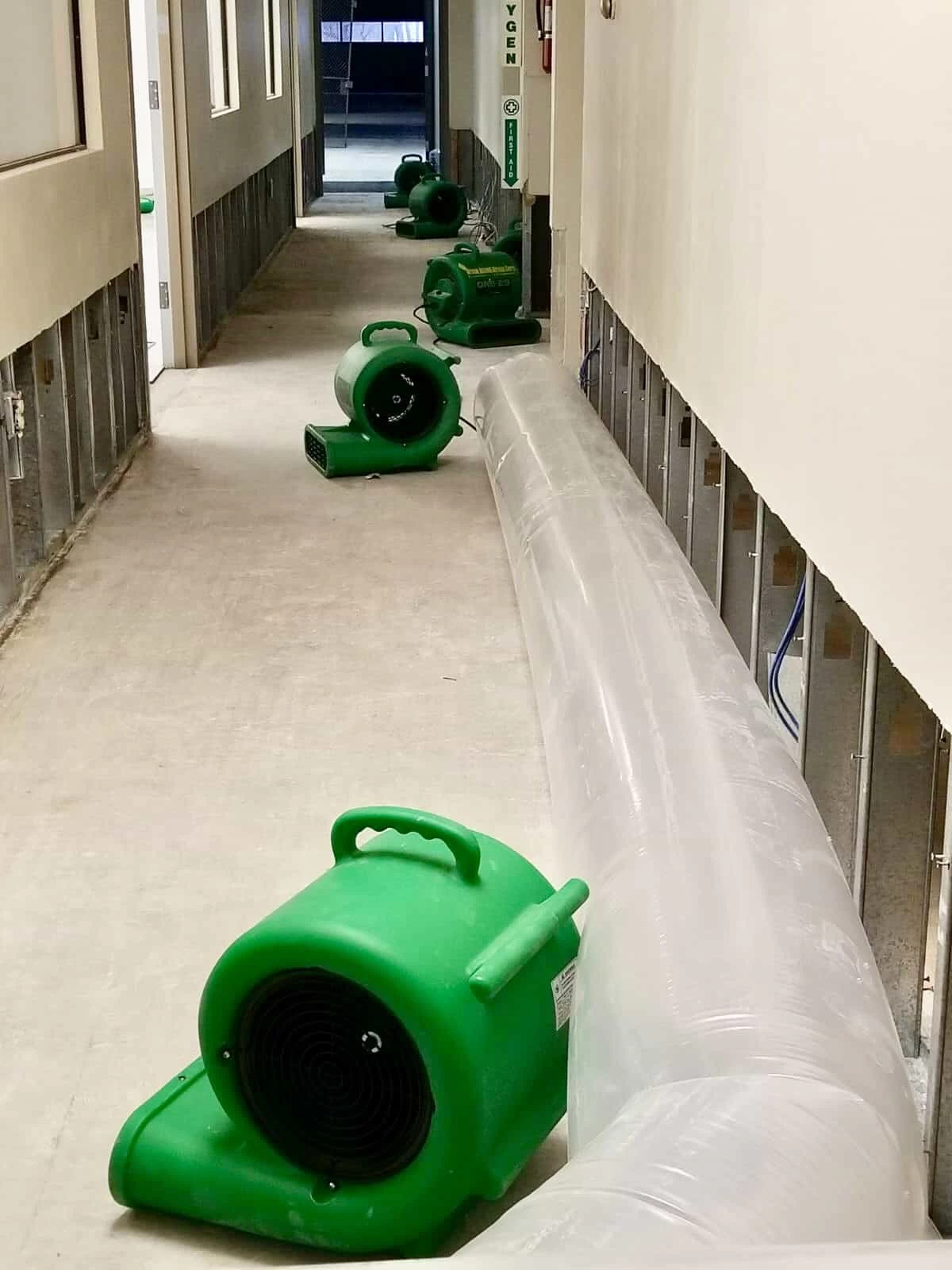
For homeowners dealing with post-flood damage, fire, or a structure that’s simply deteriorated past the point of repair, we also offer 24/7 emergency response. If the water came up overnight and the structure is compromised, you don’t have to wait until Monday morning to find out what your options are. One call gets you a real answer, fast.
Do I need an asbestos inspection before demolishing my Hamilton Beach home?
Yes and in New York City, this isn’t optional. The NYC Department of Buildings will not issue a demolition permit for any structure without a completed ACP-5 asbestos certification from a DEP-certified asbestos investigator. That form has to be filed and approved before the permit is granted, which means the asbestos survey has to happen first, not alongside the demolition.
For Hamilton Beach specifically, this requirement applies to virtually every home in the neighborhood. The housing stock here is predominantly built between the 1920s and the late 1960s, and asbestos was used widely in insulation, floor tiles, roofing materials, and ductwork throughout that era. If asbestos-containing materials are found during the survey, a licensed abatement contractor must remove them before or during demolition under an A-TRU permit from the NYC DEP. We’re a certified asbestos abatement contractor, so we handle the survey, the abatement if needed, and the required documentation all without bringing in a third party.
How much does house demolition typically cost in Hamilton Beach, NY?
For a standard residential structure in Hamilton Beach, you’re generally looking at a range of $6,000 to $25,000, with most single-family homes landing somewhere around $12,000 to $18,000 depending on size, condition, and what the asbestos survey turns up. That range can shift based on a few Hamilton Beach-specific factors that don’t apply in other parts of Queens.
Access is one of them. Because 104th Street and the Hamilton Beach Bridge are the only way in and out of the neighborhood, equipment staging and debris removal logistics are more complex than in a neighborhood with multiple access routes. That affects scheduling and, in some cases, cost. Asbestos abatement if materials are found adds to the total, and the NYC DOB permit fee is calculated at $0.25 per linear foot of frontage per story, with a $250 minimum. If your demolition project is tied to a flood insurance claim or a city recovery program, we bill insurance directly, which can significantly reduce what you’re paying out of pocket.
How long does the demolition permit process take in New York City?
The honest answer is that it varies, and anyone who gives you a firm date upfront without knowing your specific project details is guessing. In general, NYC DOB permit processing for residential demolitions can take anywhere from a few weeks to a couple of months, depending on the complexity of the project, the current workload at the DOB, and whether all required documentation particularly the ACP-5 asbestos certification is submitted correctly the first time.
Errors or missing documents are the most common cause of delays, and they’re entirely avoidable with an experienced contractor. We’ve been filing permits in New York City for over 12 years. We know what each agency needs, how to submit it, and how to follow up when something stalls. For Hamilton Beach homeowners who are already dealing with the stress of a damaged or flood-compromised structure, getting the permit process right from the start rather than restarting it after a rejection makes a real difference in how quickly the project moves.
Can my flood insurance or homeowners insurance cover demolition costs in Hamilton Beach?
In many cases, yes at least partially. If your home sustained structural damage from a flood, storm, or fire event, your insurance policy may cover some or all of the demolition costs, particularly if the structure has been deemed unsafe or uninhabitable. National Flood Insurance Program (NFIP) policies, which are common in Hamilton Beach given the neighborhood’s FEMA flood zone designation, sometimes include coverage for debris removal and demolition as part of a total loss claim.
The catch is that insurance companies don’t make this process simple. Coverage depends on your specific policy language, the adjuster’s assessment, and how the claim is documented. We bill insurance companies directly and have experience working alongside adjusters on flood and storm damage claims in the Jamaica Bay area. That means you’re not stuck translating between your contractor and your insurance company we handle that communication, keep the documentation in order, and make sure the claim is supported by the right paperwork from our end.
What happens to the lot after the house is demolished in Hamilton Beach?
Once the structure is down and debris is removed, the lot is graded and cleared left in a condition that’s ready for whatever comes next, whether that’s new construction, a sale, or simply closing out an estate. We close the demolition permit with the NYC DOB as part of the process, which is important: an open permit on a property in New York City can complicate a sale, trigger fines, and create headaches that follow the lot for years.
For Hamilton Beach homeowners who are planning to rebuild, there’s an additional layer to think about. Because the neighborhood sits in a FEMA-designated high-risk flood zone along Jamaica Bay, any new construction must comply with NYC’s flood-resilient building requirements, including minimum base flood elevation standards. That’s not a demolition requirement, but it affects how the new foundation is designed and where the finished floor elevation needs to land. We can walk you through what that means for your specific lot so you’re not caught off guard when the rebuild phase begins.
How do I know if my Hamilton Beach home needs full demolition or just partial work?
That determination comes down to the extent of structural damage, the cost comparison between repair and rebuild, and in Hamilton Beach specifically whether the existing structure can realistically be elevated to meet current flood zone requirements without a full teardown. A bungalow that’s been through repeated tidal flooding, has compromised framing, and sits below base flood elevation may technically be repairable, but the cost of elevating and repairing it often exceeds the cost of demolishing and rebuilding to current code from scratch.
The honest way to figure this out is a proper site assessment, not a phone estimate. We come out, look at the structure, assess the damage, and give you a clear read on what the project actually involves full demolition, selective interior demolition, or something in between. There’s no pressure in that conversation. Hamilton Beach is a neighborhood where people have been making hard decisions about their homes for a long time, and the last thing you need is a contractor who oversells the scope to run up the bill. We tell you what we see and let you decide from there.