Most homes in Hewlett Bay Park were built before 1960. When it’s time to take one down, you need a contractor who handles every step — asbestos, permits, demolition, and cleanup — without you managing the pieces.
I needed a professional consultation explanation of procedure for safe removal of Asbestos in my apartment complex. Without having an account yet, I was very impressed with the caring, knowledgeable and generous advice offered by Jessica, and will look forward to doing business in the future. Thank you so much! I feel much more informed about a sometimes scary endeavor. Peace. Nancy Silva Mineola, NY.
Mia Munoz
Used this company to clean up some water flood in my house. They were fast and easy to work with.very professional, Would recommend to anyone!
Nini Valle
Great company, had a flood and they responded quickly and efficiently. Billed my insurance company directly. I highly recommend this company!
joe colapietro, jr
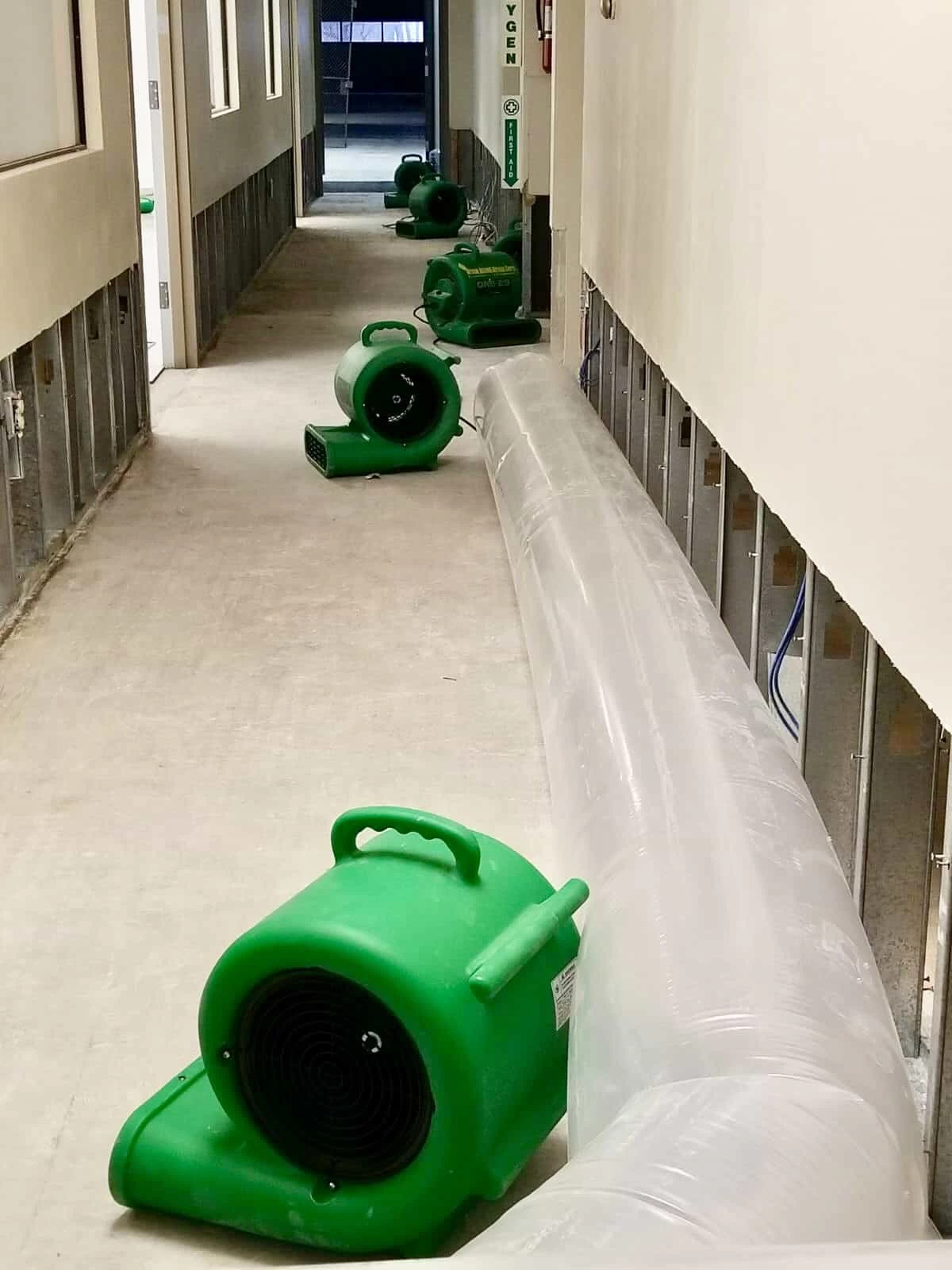
I had pipe freeze in my basement right before a snow storm and they made to within an hour to help start the clean up process. They we by our side throughout the entire process and even helped with the insurance company. They did such a great job with the cleanup, repair, remidiation, I contracted them to perform the repairs and finishes in the basement. They came with enough manpower and material to get the job done. Leo and Jessica were nothing but a pleasure to deal with!!
Cristian Arredondo c
I had some water damage in my home and Green Island was able to take care of my issue quickly and effectively. I am very pleased with the work they did. They responded quickly and were very professional.
Michael M
Outstanding service! From the office to the field crew everyone was friendly, helpful and responsive. I highly recommend Green Island Group.
What Changes When the Right Crew Takes Over in Hewlett Bay Park
Demolishing a home in Hewlett Bay Park is not the same as demolishing one in a typical Nassau County suburb. You’re dealing with a village that has its own Building Department, its own permit requirements, and a housing stock where asbestos is not a maybe — it’s a near-certainty in anything built before 1960. When you hire a contractor who doesn’t know that, you find out the hard way, usually after a permit rejection or a project delay that costs you weeks.
When those pieces are handled correctly from the start, the project moves. The asbestos inspection happens before anything else. The village demolition application gets filed with the right documentation — proof of Nassau County Consumer Affairs licensing, liability insurance naming the Village of Hewlett Bay Park as certificate holder, workers’ comp forms. The Nassau County rodent-free certification gets ordered. None of this falls through the cracks.
For waterfront properties along Willow Pond or the Macy Channel, there’s an added layer. Flood damage from a nor’easter or a storm surge event can leave a structure that looks intact but isn’t. Getting that assessed and demolished quickly — before mold sets in or the insurance window closes — matters more than most people realize until they’re in it.
We’ve been doing demolition, asbestos abatement, and environmental work across Long Island and New York City for over 12 years. More than 340 completed projects. Active work throughout Nassau County, including Hewlett Bay Park and the Five Towns area. This is not a company that picked up demolition as a side service — it’s a core part of what we do, and it shows in how jobs are managed.
What makes a difference in a village like Hewlett Bay Park is that the work is visible. There are only about 147 homes here. When our crew shows up on your property, your neighbors see it. The way debris is handled, the way the site is managed, the way the project wraps up — all of it reflects on you and on the neighborhood. That’s not lost on us.
We’re EPA-certified, NYS DOH-licensed for asbestos abatement, hold a Nassau County Consumer Affairs License, and carry the NYS and NYC M/WBE certification. We operate 24 hours a day, 365 days a year — including emergency response for storm-damaged and flood-compromised structures.
Residential Demolition Process Hewlett Bay Park NY
No Surprises — Here's What the Process Actually Looks Like
It starts with a site assessment. Before any permit gets filed or any equipment gets scheduled, the structure needs to be evaluated — size, materials, access, and whether hazardous materials are present. In Hewlett Bay Park, where the vast majority of homes were built between the 1920s and 1950s, asbestos testing is almost always part of this step. A licensed inspector surveys the structure and identifies any asbestos-containing materials in insulation, floor tiles, roofing, or pipe wrap.
If asbestos is found — and in pre-1960 construction, it usually is — abatement happens before demolition. This is a New York State legal requirement under Industrial Code Rule 56, not something that can be skipped or worked around. We handle this in-house, which keeps the timeline moving instead of waiting on a separate subcontractor to finish before the demolition crew can start.
Once abatement is cleared, the permit process moves forward. For Hewlett Bay Park specifically, that means filing a demolition application with the village Building Department, coordinating the Nassau County rodent-free certification, and ensuring all contractor documentation is in order for Building Inspector Dennis Fromigia’s office. After permits are issued, utilities are disconnected, equipment is brought in, and the structure comes down. Debris is hauled and disposed of properly — hazardous materials under certified protocols, not dumped in a standard roll-off. When the job is done, the site is clean and ready for whatever comes next.
Everything the Job Requires — Handled Under One Roof
Full house demolition in Hewlett Bay Park covers more ground than most homeowners expect going in. The structural teardown is the visible part, but what happens before and after is where projects either run smoothly or fall apart. We manage the full scope: asbestos inspection and abatement, village permit filing, Nassau County rodent-free certification, utility coordination, structural demolition, debris removal, and site cleanup. One contractor, one point of contact, no handoffs.
For homes on Willow Pond or near the Macy Channel — properties that have taken on flood damage, storm surge, or repeated water intrusion — the scope often includes mold assessment and remediation before demolition begins. We also handle oil tank removal, lead paint abatement, and interior selective demolition for homeowners who are gut-renovating rather than doing a full teardown. If the plan is to rebuild after demolition, the site can be prepared and graded for the next phase of construction.
On acre-plus lots with mature landscaping — which describes most properties in Hewlett Bay Park — tree removal permits are a separate requirement from the demolition permit itself. That’s a step that catches contractors unfamiliar with Hewlett Bay Park’s village-level process off guard. It’s a routine part of how we approach projects here. The goal is that nothing delays your timeline because of a permit step that should have been anticipated from the start.
Do I need a permit to demolish my house in Hewlett Bay Park, NY?
Yes, and in Hewlett Bay Park, the permit process is more layered than in unincorporated parts of Nassau County. Because Hewlett Bay Park is an incorporated village, you’re not just dealing with Town of Hempstead or county-level requirements — you’re filing directly with the village’s own Building Department, led by Building Inspector Dennis Fromigia. The demolition application is a village-specific form, separate from anything at the county level.
To get that permit approved, your contractor needs to provide proof of a Nassau County Consumer Affairs License, liability insurance that names the Village of Hewlett Bay Park as the certificate holder and additional insured, and workers’ compensation documentation. On top of that, Nassau County requires a rodent-free certification before any residential demolition can proceed — that’s a separate step through Nassau County, not the village. If your property has mature trees on the lot, a tree removal permit is also required independently. We handle all of this as part of the job, not as a surprise after the fact.
Does asbestos need to be removed before demolishing a house in Hewlett Bay Park?
If your home was built before 1980 — and in Hewlett Bay Park, most homes were built well before that, many as far back as the 1920s and 1930s — a licensed asbestos inspector is required to survey the structure before demolition can legally begin. This is a New York State requirement under Industrial Code Rule 56, enforced by the NYS Department of Labor Asbestos Control Bureau. It’s not optional, and it applies regardless of the size of the project.
Asbestos was used extensively in the construction materials common to that era: insulation around pipes and in walls, floor tiles, ceiling tiles, roofing shingles, and joint compound. If the inspection finds asbestos-containing materials, a certified abatement contractor must remove and properly dispose of them before the structural demolition proceeds. We’re EPA-certified and NYS DOH-licensed for asbestos abatement and handle inspection, removal, and disposal in-house — which means you’re not waiting on a separate abatement company to finish before your demolition timeline can move forward.
How much does house demolition cost in Nassau County, NY?
Nationally, full house demolition typically runs between $6,000 and $25,000, with a commonly cited figure of around $15,800 for a standard 2,000 square foot home. In the New York metro area, expect to pay 20 to 30 percent more than those national figures. Labor costs are higher, regulations are stricter, and equipment access in residential areas adds complexity that rural or suburban markets don’t face the same way.
In Hewlett Bay Park specifically, a few factors push costs higher than the Nassau County average. Homes here tend to be larger than typical Long Island houses — many well above 2,000 square feet on acre-plus lots. The mandatory asbestos abatement step adds cost that isn’t reflected in the base demolition quote from contractors who don’t include it upfront. Village permit fees, the Nassau County rodent-free certification, and debris disposal under certified protocols for hazardous materials all factor in as well. A quote that seems unusually low almost always means something is being left out — usually the asbestos work or the proper permitting steps. A transparent, itemized estimate that accounts for every required step is worth more than a low number that changes later.
How long does house demolition take in Hewlett Bay Park from start to finish?
The physical demolition of a residential structure — the actual teardown — typically takes one to three days depending on the size of the home and site conditions. But that’s just one piece of the timeline. The full process from initial assessment to cleared site takes longer, and in Hewlett Bay Park, the permitting layer is a real factor.
The asbestos inspection needs to happen first. If abatement is required, that adds time before the demolition permit can be finalized. Filing the village demolition application, coordinating the Nassau County rodent-free certification, and getting all contractor documentation approved by the village Building Department takes additional time — typically a few weeks depending on the current workload at the village office. Utility disconnections need to be scheduled with the relevant providers before equipment arrives. Realistically, from the time you engage a contractor to the time the site is cleared and ready for the next phase, you’re looking at several weeks for a straightforward project, longer if abatement is extensive or if permit review takes additional time. Planning ahead — especially if you’re targeting a spring construction start — means starting the process in late winter.
Can I demolish my home in Hewlett Bay Park after flood or storm damage?
Yes, and for properties in Hewlett Bay Park with waterfront exposure to Willow Pond, the Macy Channel, or Jamaica Bay, this is a real and recurring situation. Redfin data indicates that 45 percent of properties in Hewlett Bay Park face severe flooding risk over the next 30 years. After a significant storm surge or nor’easter event, some structures sustain damage that makes repair more costly and less practical than demolition and new construction — particularly for homes that have experienced repeated flooding over the years.
The process is the same as a planned demolition, but timing often matters more. If the structure has taken on water, mold can set in quickly, and a compromised structure creates safety risks that make a faster response important. We operate 24 hours a day and have handled emergency demolition assessments and responses for storm-damaged properties on the South Shore. If you’re also navigating a flood insurance claim — which adds its own layer of complexity for waterfront properties — we can work with your insurance carrier directly, which removes a significant burden from your plate during an already stressful situation.
Is it better to demolish and rebuild or renovate an older home in Hewlett Bay Park?
This comes down to the condition of the structure, the scope of what you want to change, and the math on your specific property. In Hewlett Bay Park, where land values are significant and homes sit on a minimum of one acre, the economics of teardown-and-rebuild often favor new construction over deep renovation of a pre-war home. A 1930s or 1940s structure that needs a new roof, updated electrical, new plumbing, asbestos abatement, and a full interior overhaul can easily cost more to renovate than to replace — and the result is still an old house with old bones, not a new one built to current energy and building codes.
That said, not every older home in the Five Towns area is a teardown candidate. If the structure is sound and the scope of changes is limited, renovation can make sense. The honest answer is that it depends on a thorough assessment of what the house actually needs versus what you want the finished product to look like. A contractor who has worked on both sides of that decision — renovation demolition and full teardowns — can give you a realistic picture of what each path actually costs and how long each one takes, so you’re making the decision with real numbers rather than assumptions.