Hollis Homes Are Old. The Process Doesn't Have to Be.
Most houses in Hollis were built before 1950 and tearing one down in New York City means navigating permits, asbestos surveys, and DEP filings before a single wall comes down. We handle all of it.
I needed a professional consultation explanation of procedure for safe removal of Asbestos in my apartment complex. Without having an account yet, I was very impressed with the caring, knowledgeable and generous advice offered by Jessica, and will look forward to doing business in the future. Thank you so much! I feel much more informed about a sometimes scary endeavor. Peace. Nancy Silva Mineola, NY.
Mia Munoz
Used this company to clean up some water flood in my house. They were fast and easy to work with.very professional, Would recommend to anyone!
Nini Valle
Great company, had a flood and they responded quickly and efficiently. Billed my insurance company directly. I highly recommend this company!
joe colapietro, jr
I had pipe freeze in my basement right before a snow storm and they made to within an hour to help start the clean up process. They we by our side throughout the entire process and even helped with the insurance company. They did such a great job with the cleanup, repair, remidiation, I contracted them to perform the repairs and finishes in the basement. They came with enough manpower and material to get the job done. Leo and Jessica were nothing but a pleasure to deal with!!
Cristian Arredondo c
I had some water damage in my home and Green Island was able to take care of my issue quickly and effectively. I am very pleased with the work they did. They responded quickly and were very professional.
Michael M
Outstanding service! From the office to the field crew everyone was friendly, helpful and responsive. I highly recommend Green Island Group.
What Changes When You Work With the Right Contractor
In Hollis, a house demolition isn’t just a physical job it’s a regulatory process. The NYC Department of Buildings won’t issue a demolition permit without an asbestos assessment first. And with a neighborhood where the median home was built in 1949, that assessment isn’t optional it’s the law. When you work with us, we handle both the asbestos survey and the demolition under one roof, so you skip the part where you’re stuck waiting on two separate companies to coordinate with each other.
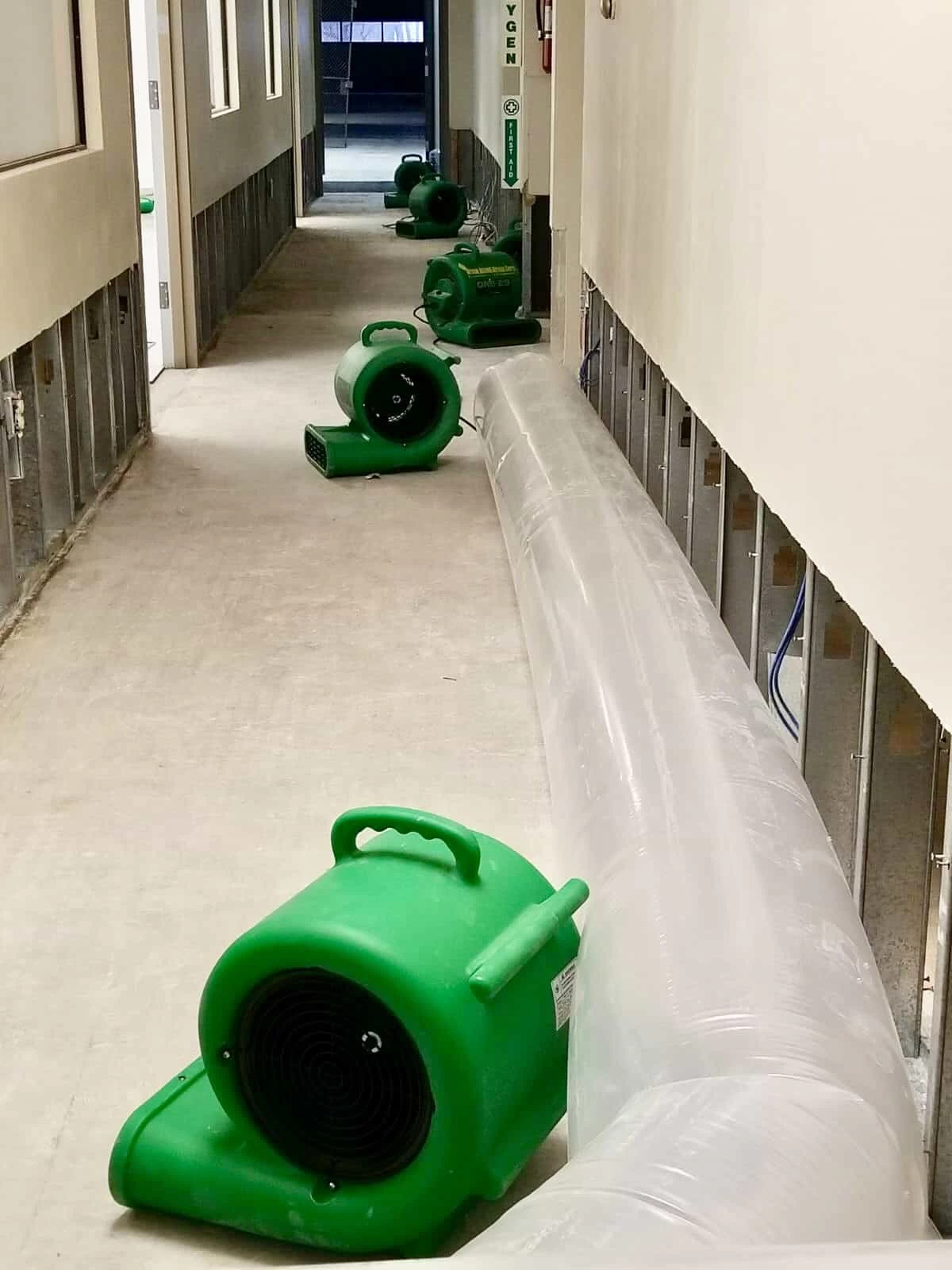
The flooding that hit Hollis hard during Hurricane Ida didn’t just damage basements it compromised foundations, created mold problems, and left homeowners with structures that aren’t safe or worth repairing. For a lot of families in this neighborhood, demolition is the next step in getting their property back. We handle the full sequence water damage assessment, mold remediation, structural demolition, and site clearance so you’re not piecing together four different contractors to get from point A to a clean lot.
With Hollis’s median sale price up 103% over the past decade, more homeowners and investors are running the numbers on teardown-rebuild projects. When the lot value has grown that much, the aging colonial sitting on it starts to look like a liability. A clean, compliant demolition done right, with the right permits is what makes the next chapter possible.
We’ve been doing demolition and environmental work across New York for over 12 years, with more than 5,000 completed projects. That’s not a number to fill space it means we’ve worked through every variation of the aging housing stock you find in southeastern Queens: wood-frame colonials with asbestos floor tiles, brick two-families with pipe insulation that tests positive, flood-damaged basements that need full structural removal before anything else can happen. We know Hollis specifically the blocks near Jamaica Avenue and Hillside Avenue, the pre-war construction patterns, the foundation issues that come with the neighborhood’s water table and flooding history.
Owner Leo Torres runs the operation personally. When a homeowner in Hollis calls about a demolition project, they’re not getting handed off to a call center. They’re getting someone who knows what the NYC DOB needs, what the DEP requires before abatement starts, and how to keep a project moving without triggering a Stop Work Order.
We carry a 4.7-star rating across verified reviews built on exactly the kind of complex, insurance-involved, multi-step projects that Hollis homeowners actually face. We also bill insurance companies directly, which matters a lot in a neighborhood where so many residents have been navigating FEMA claims and adjuster disputes since Ida.
From the First Call to a Clear Lot Here's How We Move Through It
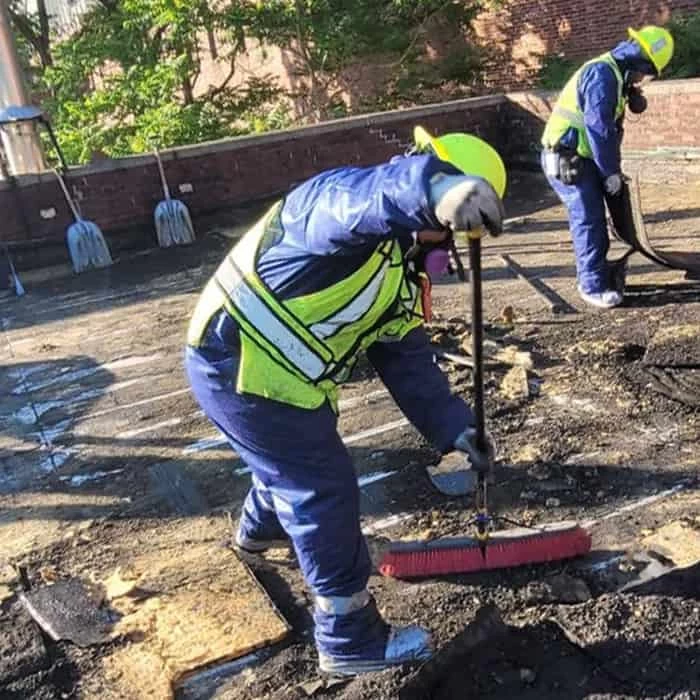
It starts with a site assessment. Before anything gets filed or scheduled, we walk the property and understand what we’re working with the structure, the materials, the scope, and whether there are any immediate hazards. In Hollis, where most homes predate 1950, that assessment almost always includes a certified asbestos inspection. This is the step that trips up homeowners who hire a demolition-only contractor they show up, realize they can’t legally proceed without the ACP-5 asbestos form, and you’re back to square one. We’re a DEP-certified asbestos contractor, so the inspection and the demolition move together from day one.
Once the asbestos survey is complete, the ACP-5 form gets filed with the NYC Department of Buildings as part of the demolition permit application. If abatement is needed first, we handle that and the DEP requires at least seven days’ notice before abatement work begins, so timing matters. The full permit process in New York City typically runs four to eight weeks. During that window, utilities get disconnected, neighbor notifications go out, and the safety and dust control plans get submitted. None of that is optional in a densely packed residential neighborhood like Hollis, where homes sit close together and the 103rd Precinct isn’t shy about responding to complaints.
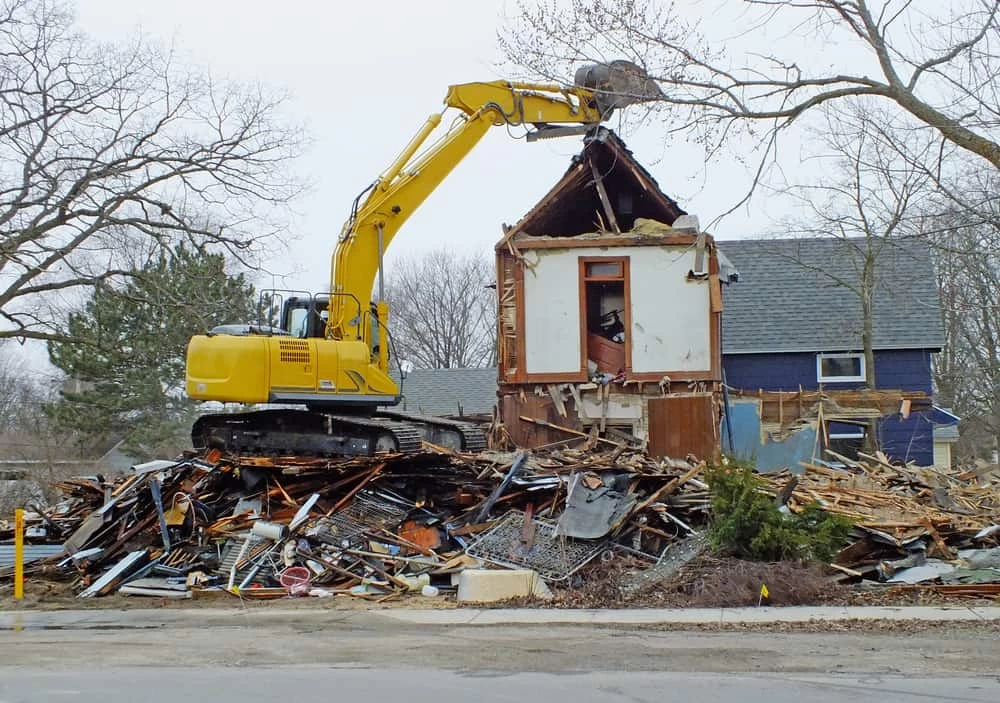
Once the permit is in hand, demolition proceeds. Debris is removed, the site is cleared, and you get documentation showing the work was done legally and completely. If your project is tied to an insurance claim flood damage, fire, or otherwise we handle the billing directly with your carrier.
One Contractor Covers What Hollis Projects Actually Require
House demolition in Hollis isn’t a single-trade job. Given the age of the housing stock and the neighborhood’s documented flooding history, most projects here involve some combination of asbestos abatement, mold remediation, structural demolition, and debris removal in that order. We perform all of it in-house. That means no subcontractors being brought in for the hazmat portion, no scheduling gaps between the abatement crew and the demo crew, and no finger-pointing if something goes sideways between trades.
For full residential demolitions, our scope includes the certified asbestos survey, ACP-5 filing, all required NYC DOB permit documentation, utility disconnection coordination, the physical teardown, and full debris removal down to a clean, level lot. For partial or interior demolitions gut renovations of aging colonials, basement removals after flood damage, structural teardowns of compromised additions the same compliance requirements apply, and we handle those the same way: by the book, with the permits pulled and the asbestos work done before demolition begins.
If your property took on water during Ida or one of the heavy rain events that have hit Hollis repeatedly since, the starting point may be mold remediation or a structural assessment before demolition is even the right call. We can walk through that evaluation with you and give you a straight answer about what the property actually needs not just what generates the most work for us.
Do I need a permit to demolish a house in Hollis, Queens, NY?
Yes and in New York City, the permit process is more involved than most homeowners expect. A full demolition in Hollis requires a permit from the NYC Department of Buildings, and the DOB won’t issue that permit without an Asbestos Assessment Report specifically the ACP-5 form submitted first. That form has to be completed by a DEP-certified asbestos investigator, and it needs to confirm that the building is either free of asbestos-containing material or that any ACM has been properly abated before demolition begins.
Beyond the asbestos paperwork, you’ll also need a safety plan, a dust control plan, and neighbor notifications all required by the DOB before work can start. In a neighborhood like Hollis, where homes sit close together and most were built before 1950, these aren’t bureaucratic formalities. They’re the steps that keep your project from getting hit with a Stop Work Order or a complaint from an adjacent property owner. The full permit timeline in NYC typically runs four to eight weeks, so building that into your project schedule from the start is important.
Does my Hollis home likely have asbestos, and what happens if it does?
If your home in Hollis was built before 1987 which covers nearly every house in the neighborhood, given the median construction year of 1949 then yes, asbestos is a real possibility. It can show up in floor tiles, pipe insulation, roofing materials, ceiling tiles, joint compound, and more. The presence of asbestos doesn’t automatically mean your project is derailed, but it does mean abatement has to happen before demolition can legally proceed.
A DEP-certified asbestos investigator surveys the property and documents what’s there. If asbestos-containing material is found, it gets removed by a licensed abatement contractor, and the DEP requires at least seven days’ advance notice before that work begins. Once abatement is complete, an ACP-21 form is filed which then satisfies the DOB’s asbestos documentation requirement in place of the ACP-5. We handle both the survey and the abatement in-house, so this part of the process doesn’t become a separate project you have to manage on your own.
Can I demolish a flood-damaged home in Hollis, and does insurance cover it?
Yes, flood-damaged homes can be demolished and in many cases, it’s the most practical path forward when a foundation has been compromised or the structure has sustained mold damage that makes full remediation cost-prohibitive. After Hurricane Ida, a number of Hollis properties were left in exactly that situation: structurally unsound, heavily mold-affected, and not worth repairing relative to the value of the lot.
Whether insurance covers demolition costs depends on your specific policy and the nature of the damage. One important factor for Hollis homeowners: much of the neighborhood is not in a designated flood zone, which means many residents don’t have flood insurance through private carriers and have had to rely on FEMA assistance instead. FEMA coverage has limits, and many Hollis families found that the $1.3 million disbursed across 202 households after Ida barely covered initial cleanup let alone structural demolition. We work directly with insurance carriers and can help you understand what your policy covers and how to document the damage properly for a claim.
How long does house demolition take from start to finish in NYC?
The physical demolition of a standard single-family home in Hollis typically takes one to three days once work begins. But the full timeline from your first call to a cleared lot is longer than most people expect, because the permit process in New York City runs on its own schedule.
The asbestos survey needs to happen first. If abatement is required, the DEP needs at least seven days’ notice before that work starts. Then the ACP-5 or ACP-21 gets filed with the DOB as part of the demolition permit application, and the DOB’s review process typically takes four to eight weeks. Utility disconnections, safety plan submissions, and neighbor notifications all happen in that window. So realistically, you’re looking at six to ten weeks from the initial assessment to the day demolition actually starts and that’s if everything moves smoothly. Working with a contractor who knows the NYC DOB process and files correctly the first time is the biggest factor in keeping that timeline from stretching further.
What is the ACP-5 form, and why does it matter for demolition in Hollis?
The ACP-5 is the Asbestos Assessment Report required by the NYC Department of Buildings before a demolition permit is issued. Specifically, the DOB needs box 8(d) on the ACP-5 checked meaning the entire building has been confirmed free of asbestos-containing material before they’ll move forward with the permit. If asbestos is found and abated, the ACP-21 (the completion form filed after abatement) takes its place in the application.
For homeowners in Hollis, this form is almost always part of the process. The neighborhood’s housing stock is predominantly pre-1950, and the NYC trigger date for asbestos assessment is any building constructed or substantially altered before April 1, 1987. That covers virtually every residential property in the neighborhood. A contractor who can’t perform the survey in-house will need to bring in a separate DEP-certified investigator which adds time, coordination, and cost. We’re certified to perform the asbestos assessment and the demolition, so the ACP-5 process is built into the project from the start, not bolted on after the fact.
How much does it cost to demolish a house in Hollis, Queens, NY?
House demolition in New York City typically runs between $15,000 and $40,000 for a standard single-family home, depending on the size of the structure, the scope of the work, and what the asbestos survey turns up. If abatement is required before demolition can begin, that adds to the overall cost asbestos abatement in NYC can range from a few thousand dollars for limited materials to significantly more if ACM is widespread throughout the structure.
In Hollis specifically, the pre-1950 housing stock means abatement is a common part of the equation, not an exception. Homes on blocks like 183rd Street or along Hollis Avenue that have never been substantially renovated are more likely to have asbestos in multiple locations floor tiles, pipe insulation, roofing which affects the abatement scope and cost. Permit fees through the NYC DOB are also a factor: the DEP registration fee for demolition is calculated based on street frontage and number of stories, with a minimum of $250. The most accurate way to understand your total cost is to start with a site assessment, which gives you a clear picture of what the property actually contains before any numbers are committed to.