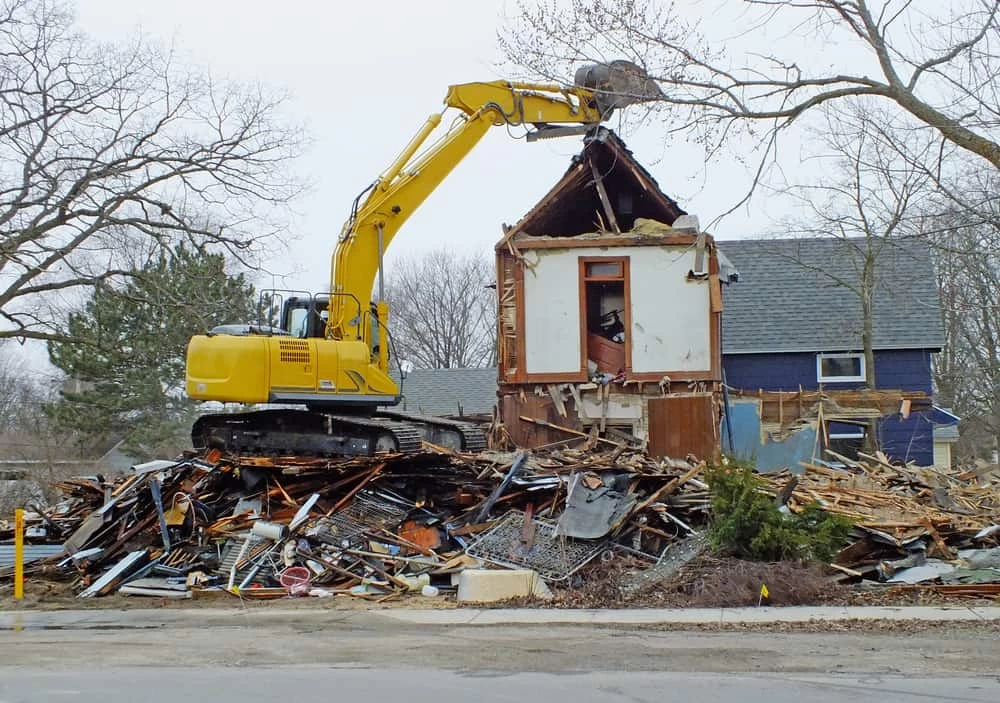
When your home was built in 1957, demolition isn’t just about tearing down walls it’s about doing it right under NYC’s rules, with asbestos handled before a single permit gets filed.
I needed a professional consultation explanation of procedure for safe removal of Asbestos in my apartment complex. Without having an account yet, I was very impressed with the caring, knowledgeable and generous advice offered by Jessica, and will look forward to doing business in the future. Thank you so much! I feel much more informed about a sometimes scary endeavor. Peace. Nancy Silva Mineola, NY.
Mia Munoz
Used this company to clean up some water flood in my house. They were fast and easy to work with.very professional, Would recommend to anyone!
Nini Valle
Great company, had a flood and they responded quickly and efficiently. Billed my insurance company directly. I highly recommend this company!
joe colapietro, jr
I had pipe freeze in my basement right before a snow storm and they made to within an hour to help start the clean up process. They we by our side throughout the entire process and even helped with the insurance company. They did such a great job with the cleanup, repair, remidiation, I contracted them to perform the repairs and finishes in the basement. They came with enough manpower and material to get the job done. Leo and Jessica were nothing but a pleasure to deal with!!
Cristian Arredondo c
I had some water damage in my home and Green Island was able to take care of my issue quickly and effectively. I am very pleased with the work they did. They responded quickly and were very professional.
Michael M
Outstanding service! From the office to the field crew everyone was friendly, helpful and responsive. I highly recommend Green Island Group.
In Jamaica, the demolition process doesn’t start with a crew it starts with paperwork. The NYC Department of Buildings requires an ACP-5 form before they’ll issue a full demolition permit, and that form can only be completed by a DEP-certified asbestos investigator. If your contractor can’t handle that in-house, your project stops before it starts.
With the average Jamaica home built in 1957, asbestos isn’t a maybe it’s an expectation. We’re both the certified asbestos abatement contractor and the licensed demolition contractor, which means the survey, the ACP-5 filing, the DEP notification, and the DOB permit all move on one timeline. No waiting on a second company. No gap between abatement and demo.
Southeast Queens flooding has also pushed more homeowners toward full teardowns than ever before. Whether it’s foundation damage from a rising water table, a structure that took on too much water during a storm, or a home that’s simply reached the end of its useful life when you’re ready to move forward, the last thing you need is a contractor who creates more complexity. You need one that removes it.
We’ve been doing demolition and environmental work across New York State for over 12 years. More than 5,000 completed projects. Licensed, insured, and operating in full compliance with NYC DOB, NYC DEP, and USEPA requirements not just Nassau and Suffolk County rules.
Jamaica sits in one of the most heavily regulated demolition environments in the country. Working near the Van Wyck Expressway corridor, tight residential lots in South Jamaica, or the denser blocks off Hillside Avenue requires real experience with NYC’s permit system not a contractor learning it on your job. We’ve filed in the DOB NOW system, managed DEP asbestos notifications, and navigated the full NYC permit process many times over in Jamaica and across Queens.
Owner Leo Torres runs a 24/7 operation, and customers consistently describe the same thing: fast response, clear communication, and no surprises on the invoice. That’s the standard on every project, whether it’s a straightforward teardown or a flood-damaged structure that needs immediate attention.
What Actually Happens Before the First Wall Comes Down
The first step isn’t equipment it’s assessment. For any pre-1987 structure in Jamaica, a certified asbestos inspection has to happen before the NYC DOB will even begin processing your demolition permit. We send a DEP-certified investigator to evaluate the property, document the findings, and prepare the ACP-5 form required for permit filing. If asbestos is present, we complete abatement and document it before the project moves forward. That’s not a detour it’s a required part of the process that every legitimate demolition in New York City goes through.
Once the asbestos clearance is in place, the DOB permit application is filed. That includes a safety plan, a dust control plan, and neighbor notification documentation all standard NYC requirements that take time to process correctly. Full demolition permits in NYC typically take four to eight weeks. We manage that timeline and keep you informed throughout.
When permits are approved, the crew mobilizes. Utilities are disconnected and confirmed clear, adjacent structures are protected, and the teardown is executed according to the approved plan. Debris is hauled off-site, the lot is cleared, and you’re left with a clean, permit-closed property ready for whatever comes next whether that’s a rebuild, a sale, or a development project tied to the ongoing Jamaica Neighborhood Plan rezoning.
Everything the NYC Permit Process Requires Handled
House demolition in Jamaica means working inside New York City’s jurisdiction, and that changes what’s included in a legitimate scope of work. Our demolition service covers the certified asbestos survey and ACP-5 filing, DEP notification, NYC DOB permit application, safety and dust control planning, full structural teardown, and complete debris removal and site clearance. If asbestos abatement is required which it typically is in a neighborhood where virtually every home predates 1978 we handle that in-house, not subcontracted to a third party.
For homeowners dealing with flood damage, we work directly with insurance carriers. Southeast Queens flooding has driven a significant number of insurance-related demolition claims in recent years, and the ability to bill insurance directly and help manage that process is something customers in Jamaica consistently point to as a deciding factor.
Permit fees for full demolitions in NYC can run between $10,000 and $12,000, and that’s before any architect or engineering fees that larger projects may require. We provide transparent estimates that spell out what’s included so you’re not looking at a low number today and a stack of add-ons later. Whether it’s a single-family teardown in Jamaica Hills, a flood-damaged structure near Baisley Pond Park, or a site clearance tied to a development project, the scope is clear before any work begins.
Do I need an asbestos inspection before demolishing my Jamaica, NY home?
Yes and it’s not optional. Under NYC Department of Buildings rules, any building constructed before 1987 requires an asbestos assessment before a full demolition permit can be issued. The result of that assessment is documented on an ACP-5 form, which must be completed and signed by a DEP-certified asbestos investigator before the DOB will process your permit application.
In Jamaica, where the average home was built in 1957, this step applies to virtually every residential demolition project. If asbestos-containing material is found, full abatement must be completed and documented before the demolition permit can be finalized. We handle both the certified assessment and the abatement work in-house, which means the ACP-5 process doesn’t create a bottleneck. It moves on the same timeline as the rest of your project.
How long does it take to get a demolition permit in New York City?
For a full demolition in NYC, the permit process typically takes four to eight weeks from the time a complete application is submitted through the DOB NOW system. That timeline assumes your application is complete meaning the asbestos assessment is done, the ACP-5 is filed, the safety plan is in order, and the dust control and neighbor notification documentation are all submitted correctly. Missing any of those pieces pushes the timeline back.
The permit fees themselves can run between $10,000 and $12,000 for a full demolition, and that’s before any required architect or engineer fees depending on project scope. Knowing this upfront matters a lot of homeowners get a low estimate from a contractor and then find out the permit costs weren’t included. Our estimates account for the full scope, so you’re not surprised when the DOB invoice arrives.
What happens if I demolish a house in Queens without a permit?
The NYC Department of Buildings takes unpermitted demolition seriously. If work begins without the required DOB permits, the city can issue an immediate Stop Work Order, and fines start at $2,500 for a first offense escalating significantly for repeat violations or if hazardous materials like asbestos are involved. Beyond the fines, a Stop Work Order can freeze your entire project until the violation is resolved, which can take weeks or months depending on the situation.
In a dense neighborhood like Jamaica where lots are tight, neighbors are close, and the city has active code enforcement presence unpermitted work gets noticed. It’s not a risk worth taking. The permit process exists for real reasons, including protecting adjacent structures, managing hazardous material disposal, and ensuring the site is safe for the surrounding community. A licensed contractor who knows the NYC DOB system keeps you on the right side of all of it.
My Jamaica home was flood-damaged does insurance cover demolition costs?
It depends on your specific policy, but flood and storm damage demolition is frequently covered either through homeowners insurance, flood insurance, or both. The key is having a contractor who understands how to document the damage, communicate with the adjuster, and submit the scope of work in a format the insurance company can process. That’s where a lot of homeowners run into problems: the damage is covered, but the claim gets delayed or underpaid because the documentation isn’t handled correctly.
We work directly with insurance carriers and have extensive experience managing demolition claims in Southeast Queens an area that has seen a significant increase in flood-related property damage as the local groundwater table has risen and drainage infrastructure has struggled to keep up. If your Jamaica home has been damaged and you’re not sure where to start, calling a contractor who can help you navigate the insurance side of the process is often the most important first call you make.
How much does house demolition cost in Jamaica, Queens?
The cost of a full house demolition in Jamaica, Queens typically falls somewhere between $15,000 and $45,000 for a standard residential structure, depending on the size of the home, the complexity of the site, and what hazardous material work is required. That range can shift depending on whether asbestos abatement is needed (which it almost always is in a pre-1978 home), how accessible the site is, and what the debris removal scope looks like.
What matters as much as the total number is what’s included in it. NYC demolition permit fees alone can run $10,000 to $12,000. If a contractor gives you a number that seems low, ask specifically whether the permit fees, asbestos survey, abatement work, and debris hauling are included. Those line items add up fast, and discovering them after you’ve signed a contract is a frustrating and expensive surprise. A transparent estimate breaks all of that out before you commit to anything.
Does the 2025 Jamaica rezoning affect whether I should demo and rebuild now?
The Jamaica Neighborhood Plan approved by the NYC Council in October 2025 rezones 230 blocks across Southeast Queens and is expected to produce nearly 12,000 new homes. It’s the largest Mandatory Inclusionary Housing zone in New York City, and it’s already driving increased development activity and land value across the neighborhood. In 2024 alone, Jamaica completed 1,292 new housing units before the rezoning was even formally approved.
For homeowners sitting on older properties especially those dealing with aging structures, flood damage, or homes that have simply reached the end of their useful life the rezoning adds a real financial dimension to the teardown-and-rebuild conversation. Land values are moving, and the development pipeline in Jamaica is active in a way it hasn’t been in decades. Whether you’re planning to rebuild yourself or sell to a developer, getting a demolition done correctly and on a clear timeline puts you in a much better position. We handle the regulatory side of that process so when you’re ready to move, the project moves with you.