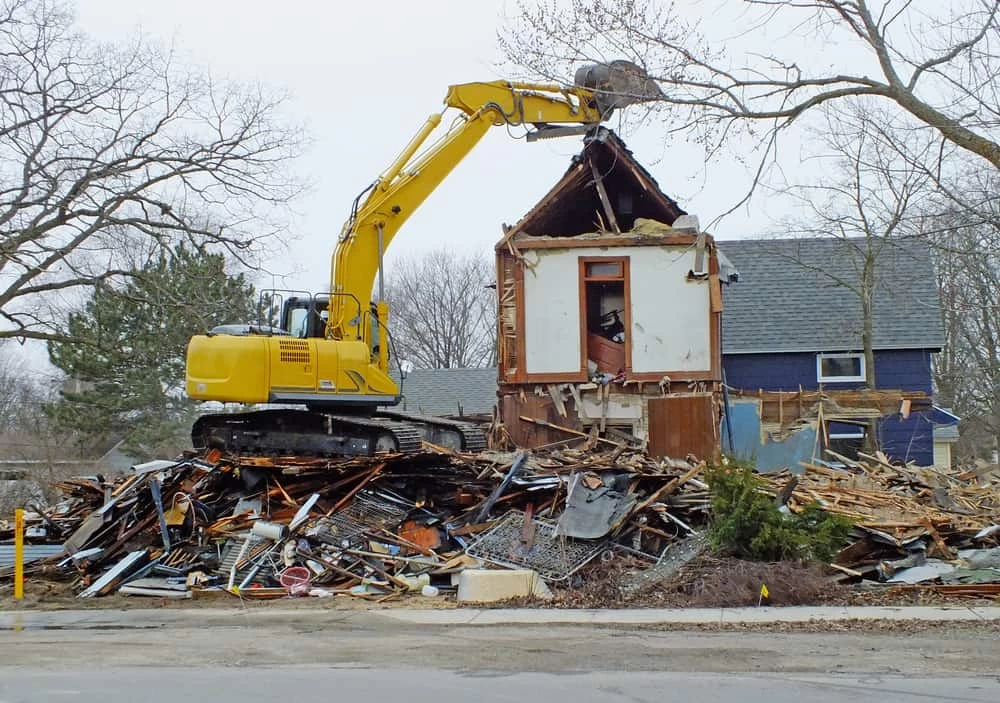
Pre-War Homes in Kew Gardens Need More Than a Wrecking Crew
When your property was built in the 1920s, house demolition in Kew Gardens means asbestos surveys, NYC DOB permits, and hazmat clearance before anything comes down we handle all of it.
I needed a professional consultation explanation of procedure for safe removal of Asbestos in my apartment complex. Without having an account yet, I was very impressed with the caring, knowledgeable and generous advice offered by Jessica, and will look forward to doing business in the future. Thank you so much! I feel much more informed about a sometimes scary endeavor. Peace. Nancy Silva Mineola, NY.
Mia Munoz
Used this company to clean up some water flood in my house. They were fast and easy to work with.very professional, Would recommend to anyone!
Nini Valle
Great company, had a flood and they responded quickly and efficiently. Billed my insurance company directly. I highly recommend this company!
joe colapietro, jr
I had pipe freeze in my basement right before a snow storm and they made to within an hour to help start the clean up process. They we by our side throughout the entire process and even helped with the insurance company. They did such a great job with the cleanup, repair, remidiation, I contracted them to perform the repairs and finishes in the basement. They came with enough manpower and material to get the job done. Leo and Jessica were nothing but a pleasure to deal with!!
Cristian Arredondo c
I had some water damage in my home and Green Island was able to take care of my issue quickly and effectively. I am very pleased with the work they did. They responded quickly and were very professional.
Michael M
Outstanding service! From the office to the field crew everyone was friendly, helpful and responsive. I highly recommend Green Island Group.
One Contractor From Asbestos Clearance to Clean Lot
Most homeowners in Kew Gardens don’t realize that the NYC Department of Buildings won’t issue a demolition permit until an asbestos clearance form the ACP-5 has been filed by a certified investigator. If you hire a demolition-only contractor and asbestos turns up, your project stops cold. You’re back to searching for an abatement company, waiting on scheduling, and burning time you didn’t plan for.
We’re NYCDEP-certified for asbestos abatement and handle full demolition. That means the survey, the abatement if needed, the permit filing, and the teardown all move under one roof. No handoff. No gap between contractors. No surprise halt when the inspector finds old pipe insulation or vinyl floor tiles in your 1920s Tudor.
Kew Gardens’ housing stock is almost entirely pre-war. The Tudor Revival and Colonial Revival homes that define this neighborhood were built when asbestos was standard. Knowing that going in, and having a contractor who’s equipped for it, is the difference between a project that moves and one that stalls.
12 Years In, 5,000 Projects Deep Across Queens and Beyond
We’ve been doing environmental, remediation, and demolition work across New York State for over 12 years. More than 5,000 completed projects. Licensed, insured, and NYCDEP-certified which matters specifically in Kew Gardens and across Queens, where the DOB won’t move on a demolition permit without proper asbestos documentation.
The Queens Borough Office of the NYC Department of Buildings sits right on Queens Boulevard in Kew Gardens at 120-55 Queens Boulevard. That’s the office where your demolition permit gets filed and processed. We’ve navigated that office’s requirements across countless Kew Gardens and Queens projects. That’s not something you build overnight.
Our customers consistently point to two things: we pick up the phone including nights and weekends and we work directly with insurance carriers when fire or flood damage is involved. For a homeowner dealing with a damaged pre-war property near Forest Park or along Lefferts Boulevard, that combination matters more than any sales pitch.
What Actually Happens Before a Wall Comes Down in Kew Gardens
The first step is an asbestos assessment. In New York City, this is not optional it’s a legal requirement before the DOB will issue a full demolition permit. A NYCDEP-certified investigator surveys the property and completes the ACP-5 form. If asbestos-containing materials are found, they have to be properly abated and cleared before demolition can begin. We handle both sides of that in-house, which keeps the timeline moving instead of stalling between separate contractors.
Once asbestos clearance is confirmed, the demolition permit gets filed through the NYC DOB Queens Borough Office. Utility disconnections gas, electric, water are coordinated and documented before any physical work starts. For interior selective demolition, an Alt-2 permit is required instead of a full demo permit, but the asbestos survey requirement applies either way. Kew Gardens’ curving streets and dense residential blocks also mean that adjacent structure protection, dust containment, and debris control aren’t optional add-ons they’re standard on every job here.
After permits are in place and utilities are disconnected, the physical demolition work begins. Our crew handles the teardown, debris removal, and site cleanup. If your project involves a full teardown followed by new construction, the site is left clear and ready for your next contractor or build team. You’ll know what’s happening at each stage no guessing, no chasing someone down for an update.
Full Demolition, Selective Demo, and Everything In Between
We handle the full range of residential demolition work in Kew Gardens full teardowns, interior gut jobs, basement strip-outs, and selective demolition for homeowners who want to modernize the inside of a pre-war Tudor while keeping the original exterior character intact. That’s a common situation in this neighborhood, and it requires the same permit rigor and asbestos compliance as a full demolition, just through an Alt-2 filing instead of a DM permit.
For properties that have experienced fire, flood, or storm damage and Kew Gardens’ century-old structures are not immune to any of those we’re available 24 hours a day, seven days a week. Water damage in a pre-war apartment building on Queens Boulevard or fire damage to a Colonial Revival home near Maple Grove Cemetery doesn’t wait for business hours, and neither does our response. We also bill insurance companies directly, which removes a significant burden from homeowners who are already managing a claim while trying to coordinate repairs.
Every project in Kew Gardens also accounts for the neighborhood’s civic environment. The Kew Gardens Civic Association has been one of the most active in Queens for over a century, and neighbors pay attention to construction activity here. Proper permits, documented asbestos clearance, and clean jobsite practices aren’t just legal requirements they’re what keeps your project from becoming a community complaint or a Stop Work Order situation.
Do I need a permit to demolish a house in Kew Gardens, NY?
Yes and in New York City, the permit process for demolition is more involved than in most other places. Before the NYC Department of Buildings will issue a full demolition permit, you need an ACP-5 form completed by a NYCDEP-certified asbestos investigator confirming the building is free of asbestos-containing materials. If asbestos is found, it has to be properly abated and cleared before the demolition permit is issued.
The Queens Borough Office of the NYC DOB located at 120-55 Queens Boulevard right here in Kew Gardens is where your permit application gets filed and processed. Beyond the asbestos clearance, you’ll also need documented utility disconnections for gas, electric, and water before work begins. Unpermitted demolition in NYC results in an immediate Stop Work Order and fines starting at $2,500 for a first offense. Getting it right from the start is the only practical path forward.
Does my Kew Gardens home likely have asbestos, and how do I find out?
If your home was built before 1978 and in Kew Gardens, the overwhelming majority of residential structures were built between 1910 and the late 1930s then yes, there’s a real possibility of asbestos-containing materials being present. The most common locations in pre-war homes include older vinyl floor tiles (especially the 9×9 inch tiles common in mid-century construction), pipe and boiler insulation, ceiling tiles, cement board siding, roofing materials, and plaster or joint compounds.
The only way to know for certain is through a formal asbestos survey conducted by a NYCDEP-certified investigator. This isn’t something you can skip or guess at the NYC DOB requires the ACP-5 clearance form before issuing a demolition permit regardless of how confident you are about the building’s condition. We’re certified to conduct this assessment and perform any required abatement, so you’re not waiting on a third party to clear the path before demolition can start.
What's the difference between full demolition and selective demolition in NYC?
Full demolition means the entire structure comes down to the foundation. This requires a DM (demolition) permit from the NYC DOB, asbestos clearance via the ACP-5 form, and documented utility disconnections before any work begins. For larger structures, plans filed by a Registered Architect or Professional Engineer may also be required.
Selective demolition sometimes called interior demolition or a gut renovation means removing interior elements like walls, ceilings, flooring, or mechanical systems while leaving the structure standing. This is common in Kew Gardens, where many homeowners want to modernize the interior of a pre-war Tudor or Colonial Revival home without altering the exterior. Selective demolition requires an Alteration Type 2 (Alt-2) permit from the DOB, and the asbestos survey requirement still applies. The permit type is different, but the compliance requirements are not. Either way, you need certified asbestos clearance before the work begins.
How long does house demolition take in Kew Gardens from start to finish?
The physical demolition itself once permits are in place and utilities are disconnected typically takes anywhere from a day or two for a smaller single-family home to a week or more for larger or more complex structures. But the full timeline from first call to cleared lot includes the asbestos survey, any required abatement, permit filing, and utility coordination, which can add several weeks depending on the scope of work and DOB processing times.
In Kew Gardens specifically, the density of the neighborhood and the age of the housing stock mean that the pre-demolition phase often takes longer than homeowners expect. If asbestos is found and abatement is required, that work has to be completed and cleared before the demolition permit is issued there’s no shortcut around it. Planning for four to six weeks from initial assessment to completed teardown is a reasonable baseline for most residential projects in this area, though simpler jobs with clean asbestos surveys can move faster.
Can Green Island Group handle demolition if my Kew Gardens property has fire or flood damage?
Yes and this is one of the more common situations we handle in Kew Gardens. Pre-war structures, particularly the apartment buildings and Tudor homes throughout the neighborhood, are more vulnerable to fire spread, water intrusion, and structural compromise from storm damage than newer construction. When something goes wrong in a dense residential area, the urgency is real water damage in one unit of a prewar building can affect adjacent units quickly, and fire damage to an older structure can create safety hazards that need to be addressed without delay.
We’re available 24 hours a day, seven days a week for emergency demolition situations. More importantly, we work directly with insurance carriers and handle billing with insurance companies directly which removes a major layer of stress for homeowners who are already managing a claim, temporary housing, and the emotional weight of property damage. Multiple customers have specifically called this out in reviews as the thing that made the most difference during an already difficult situation.
How much does house demolition cost in Kew Gardens, Queens?
Demolition costs in New York City run higher than national averages, and Kew Gardens is no exception. For a standard residential teardown in Queens, you’re generally looking at a range of $15,000 to $35,000 or more depending on the size of the structure, site access, and what’s found during the asbestos survey. If asbestos abatement is required which is likely given the age of most Kew Gardens properties that adds to the overall cost but is a non-negotiable part of the legal process in NYC.
A few factors specific to Kew Gardens affect pricing. The neighborhood’s curvilinear streets can limit access for larger equipment, which affects staging and logistics. The density of adjacent properties means dust containment and debris management require more care. And the pre-war construction materials found in Tudor and Colonial Revival homes thick plaster walls, original brick, older roofing systems add labor time compared to postwar wood-frame construction. The most accurate way to understand your specific cost is a site assessment, which gives you a real number based on your actual property rather than a ballpark that may not reflect what’s actually there.