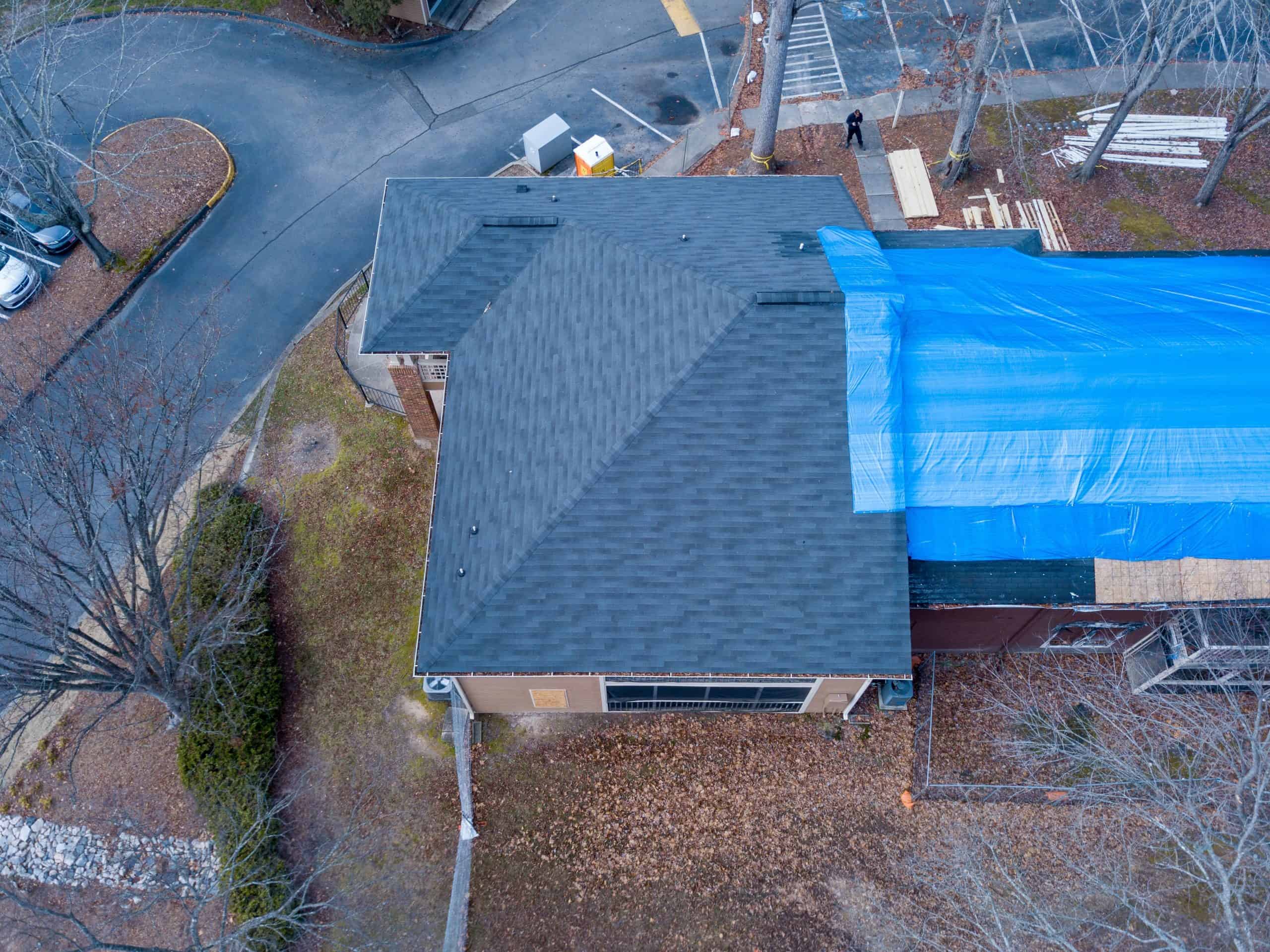
Lake Success Teardowns Done Right — From Permits to Clean Site
Most homes in Lake Success were built between 1940 and 1969. That means asbestos, aging infrastructure, and a village permit process that doesn’t run through Nassau County — it runs through Lake Success’s own Building Department. We handle all of it.
I needed a professional consultation explanation of procedure for safe removal of Asbestos in my apartment complex. Without having an account yet, I was very impressed with the caring, knowledgeable and generous advice offered by Jessica, and will look forward to doing business in the future. Thank you so much! I feel much more informed about a sometimes scary endeavor. Peace. Nancy Silva Mineola, NY.
Mia Munoz
Used this company to clean up some water flood in my house. They were fast and easy to work with.very professional, Would recommend to anyone!
Nini Valle
Great company, had a flood and they responded quickly and efficiently. Billed my insurance company directly. I highly recommend this company!
joe colapietro, jr
I had pipe freeze in my basement right before a snow storm and they made to within an hour to help start the clean up process. They we by our side throughout the entire process and even helped with the insurance company. They did such a great job with the cleanup, repair, remidiation, I contracted them to perform the repairs and finishes in the basement. They came with enough manpower and material to get the job done. Leo and Jessica were nothing but a pleasure to deal with!!
Cristian Arredondo c
I had some water damage in my home and Green Island was able to take care of my issue quickly and effectively. I am very pleased with the work they did. They responded quickly and were very professional.
Michael M
Outstanding service! From the office to the field crew everyone was friendly, helpful and responsive. I highly recommend Green Island Group.
What a Properly Managed Lake Success Demolition Actually Leaves Behind
When a demolition project wraps in Lake Success, you should have a clean, construction-ready lot — not a pile of questions about what got disposed of, whether the asbestos was handled legally, or why the village building department is holding up your next permit. That’s the difference between a contractor who knows this village and one who treats it like any other Nassau County address.
The housing stock here is almost entirely mid-century. That’s not a generic observation — it means nearly every home in Lake Success has materials that require certified abatement before a single wall comes down. Lead paint, asbestos floor tiles, pipe insulation, ceiling materials — it’s the norm, not the exception. Getting that handled correctly, documented, and cleared isn’t optional under New York State law. It’s the first step.
And for homeowners in the Meadow Woods area or anywhere else in Lake Success who are looking at a teardown-and-rebuild, the math is real. New construction in Lake Success is listing at $2.43M and up. A properly managed demolition — one that leaves a clean site, satisfies the village’s permit requirements, and doesn’t create delays for your builder — is the foundation everything else is built on. Literally.
340 Projects In. We Know What Lake Success Requires.
We’ve been doing demolition and environmental remediation across Nassau County and New York City for over 12 years. More than 340 completed projects. NYS and NYC M/WBE certified. EPA certified. NYS DOH licensed for asbestos inspection and abatement. These aren’t credentials for a website — they’re what keeps your project from getting stopped by a regulatory issue you didn’t see coming.
We’re not a general contractor who occasionally tears down a house. This is a core part of what we do, and we’ve done it in communities like Lake Success where the standards are high, the neighbors notice, and the village building department has its own rules that differ from what you’d file with the Town of North Hempstead or Nassau County directly. Lake Success operates under its own Building Zone Ordinance, and we know how to navigate it.
We also handle insurance claims when demolition is tied to fire, flood, or structural damage. Multiple customers have mentioned it without being asked — because most contractors don’t touch that part, and we do.
No Surprises — Here's Exactly How a Lake Success Demolition Runs
It starts with a site assessment. We look at the structure, identify what hazardous materials are present, and determine what the Village of Lake Success Building Department will require before any work begins. Because Lake Success operates under its own Building Zone Ordinance — not a county-level process — the permit application goes through the village directly. We handle that filing, and we know the village’s construction fence rules: your demolition permit has to accompany the fence permit, and work needs to start within 30 days of issuance. We plan the timeline around that.
Once permits are in hand, asbestos abatement comes first if it’s required — and in a village where the housing stock is concentrated in the 1940–1969 era, it almost always is. Our NYS DOH-licensed team handles testing, removal, and disposal. We don’t refer that out. When abatement is cleared and documented, structural demolition begins. Debris is removed, the site is graded, and you’re left with a clean lot.
Throughout the project, we manage site conditions the way Lake Success expects. Dust containment, noise management, secure perimeter — these aren’t extras. In a village of fewer than 3,000 residents with its own police force and an active Planning Board, how a demolition site looks and runs during the project matters as much as how it looks when it’s done.
Residential Demolition Services in Lake Success, NY
Everything Under One Roof — No Subcontractor Shuffle
What makes demolition in Lake Success more involved than most towns isn’t the teardown itself — it’s everything that has to happen before and around it. The village has its own building code administration. Asbestos abatement is legally required before any pre-1980 structure can be permitted for demolition under New York State law. Utility disconnections need to be coordinated. And if the project is tied to an insurance claim, that documentation process runs parallel to everything else.
We cover the full scope: environmental testing and certified asbestos abatement, village-level permit filing with the Lake Success Building Department, structural demolition, debris removal, and site cleanup. If your project involves fire damage, water damage, or a structural emergency, we’re available around the clock — one customer reached us within an hour during a pipe freeze the night before a snowstorm.
For homeowners in Lake Success considering a teardown-and-rebuild — particularly in areas like Meadow Woods where new luxury construction is actively happening — we’re the first call to make before your architect starts drawing. We get the lot cleared correctly, on schedule, and in full compliance with village requirements. That’s what protects your investment in the next phase of the project.
Do I need a separate demolition permit from the Village of Lake Success?
Yes — and this is one of the most important things to understand before starting any demolition project in Lake Success. The village operates under its own Building Zone Ordinance, originally adopted in 1939, and has its own Building Department that administers permits separately from Nassau County and the Town of North Hempstead. You’re not filing with the county. You’re filing with the village directly.
There’s also a specific rule worth knowing: your construction fence permit has to be accompanied by a demolition permit, and once it’s issued, work needs to commence within 30 days or the fence permit becomes void. That kind of village-level detail is easy to miss if your contractor isn’t familiar with how Lake Success specifically operates. We’ve navigated this process across Nassau County for over 12 years, and we handle the permit filing as part of every project we take on here.
Does my older Lake Success home need asbestos testing before demolition can start?
If your home was built before 1980, New York State law requires a certified asbestos inspection before a demolition permit can be issued. In Lake Success, where the housing stock is concentrated in the 1940–1969 construction era, that applies to the overwhelming majority of homes in the village. Asbestos was used extensively in that period — floor tiles, pipe insulation, ceiling materials, roofing shingles, and more.
This isn’t something you can skip or work around. If asbestos-containing materials are found, they have to be removed and disposed of by a NYS DOH-licensed abatement contractor before demolition begins. We’re licensed to handle both the inspection and the abatement, so you’re not coordinating two separate companies or waiting on one to finish before the other can start. It’s part of the same project, managed by the same team, with all the required documentation handled from start to finish.
How much does house demolition cost in Lake Success, NY?
Nationally, house demolition averages around $6,000 to $25,000, with most homeowners paying somewhere around $15,000 to $16,000 for a 2,000-square-foot home. In the New York metro area — and Nassau County specifically — expect to add 20 to 30 percent to those figures. Labor costs are higher, regulations are stricter, and disposal in this region carries more oversight than most parts of the country.
For a Lake Success project, the realistic total depends on several factors: the size of the structure, whether foundation removal is included (which adds roughly $2,000 to $10,000), and the scope of asbestos abatement required. Given the village’s mid-century housing stock, asbestos abatement is almost always part of the equation and should be budgeted accordingly. The best way to get an accurate number is a site assessment — we can look at the structure, identify what’s involved, and give you a clear picture of the full scope before any work begins.
Can I tear down and rebuild a home in Lake Success, NY?
Yes, and it’s an increasingly common path in Lake Success. With active listings in the village averaging around $2.43M and new luxury construction in areas like Meadow Woods being explicitly marketed to buyers looking for modern custom homes, the teardown-and-rebuild model makes strong financial sense for many property owners here. Some listings are already being marketed directly to developers and investors as teardown opportunities in what real estate listings describe as a “prestigious Gold Coast community.”
The process works like this: the existing structure is demolished with all required permits and asbestos abatement completed, the lot is cleared and graded, and your builder starts with a clean site. The key is making sure the demolition side is handled correctly — because delays or compliance issues on the teardown can push back your entire construction timeline. We coordinate the full demolition scope so your builder isn’t waiting on a permit issue or a documentation gap when they’re ready to break ground.
What happens if my Lake Success home has fire or water damage — does that change the demolition process?
It changes the timeline more than the process itself. If a structure has been damaged by fire, flooding, or a sudden event like a burst pipe or foundation failure, the priority shifts to assessing whether the building is structurally safe and whether emergency demolition is needed before it becomes a hazard to neighboring properties. In a village like Lake Success — with fewer than 3,000 residents, its own police force, and neighbors in close proximity — a compromised structure draws attention quickly and needs to be addressed fast.
We’re available 24 hours a day for exactly these situations. We’ve responded to emergency calls within an hour. Beyond the physical work, if your demolition is tied to an insurance claim, we help with the documentation process — what insurers need, how to communicate with adjusters, and how to make sure the claim reflects the full scope of what’s required. It’s something our customers mention consistently, and it’s something most demolition contractors don’t offer.
How long does the house demolition process take in Lake Success from start to finish?
The physical demolition of a residential structure typically takes one to three days once work begins. But the full timeline — from initial assessment to clean site — runs longer when you factor in permit processing and asbestos abatement, which are both required steps in Lake Success before any demolition can legally start.
Permit processing through the Village of Lake Success Building Department varies, but planning for two to four weeks is reasonable. If asbestos abatement is required, that adds time depending on the scope — a straightforward abatement on a mid-century home might take a few days; a more extensive project takes longer. The 30-day rule on construction fence permits also means your project needs to be sequenced carefully so work starts on schedule after the permit is issued. We map all of this out at the beginning so you have a realistic timeline before anything is filed, and we manage the sequencing so nothing stalls between steps.