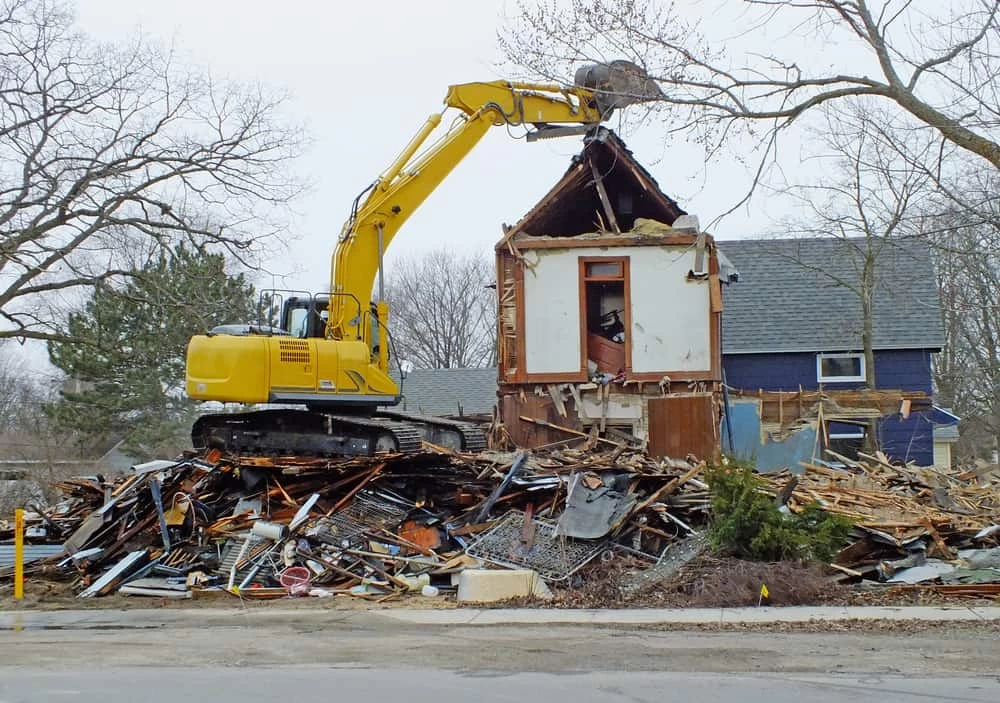
Demolition in Lefrak City means navigating NYC permits, asbestos in the walls, and a regulatory process most contractors don’t fully understand we handle all of it.
I needed a professional consultation explanation of procedure for safe removal of Asbestos in my apartment complex. Without having an account yet, I was very impressed with the caring, knowledgeable and generous advice offered by Jessica, and will look forward to doing business in the future. Thank you so much! I feel much more informed about a sometimes scary endeavor. Peace. Nancy Silva Mineola, NY.
Mia Munoz
Used this company to clean up some water flood in my house. They were fast and easy to work with.very professional, Would recommend to anyone!
Nini Valle
Great company, had a flood and they responded quickly and efficiently. Billed my insurance company directly. I highly recommend this company!
joe colapietro, jr
I had pipe freeze in my basement right before a snow storm and they made to within an hour to help start the clean up process. They we by our side throughout the entire process and even helped with the insurance company. They did such a great job with the cleanup, repair, remidiation, I contracted them to perform the repairs and finishes in the basement. They came with enough manpower and material to get the job done. Leo and Jessica were nothing but a pleasure to deal with!!
Cristian Arredondo c
I had some water damage in my home and Green Island was able to take care of my issue quickly and effectively. I am very pleased with the work they did. They responded quickly and were very professional.
Michael M
Outstanding service! From the office to the field crew everyone was friendly, helpful and responsive. I highly recommend Green Island Group.
What Changes When You Work With a Contractor Who Knows Lefrak City
When a building comes down the right way in Lefrak City, you don’t end up with a Stop Work Order taped to the door and a $2,500 fine sitting in your mailbox. You end up with a cleared site, a closed permit, and none of the liability that follows unlicensed work in New York City. That outcome isn’t guaranteed by just hiring anyone with an excavator it comes from working with a contractor who actually knows how the NYC Department of Buildings and the NYC DEP operate together before a single wall moves.
The buildings in and around Lefrak City were constructed in the 1960s. The towers themselves, the attached brick homes on the surrounding Corona streets, the small multifamily buildings along the Elmhurst side nearly all of it predates 1980. That matters because pre-1980 construction almost always contains asbestos-containing materials: floor tiles, pipe insulation, ceiling coatings, roofing. In New York City, you cannot legally begin demolition until a certified asbestos investigator has assessed the property and abatement has been completed. Skipping that step doesn’t save time it creates violations that shut the entire project down.
When you work with us, we handle the asbestos assessment, the abatement, the permit filing, and the demolition under one roof. No waiting on a hazmat sub to finish before the demo crew can start. No scheduling gaps. No finger-pointing between two separate companies when something comes up. One team, one timeline, one point of contact from the first call to site clearance.
We’ve been handling demolition, asbestos abatement, and remediation across New York City and Long Island for over 12 years. More than 5,000 completed projects. A 4.7-star rating across dozens of verified reviews. And an owner, Leo, who is personally involved in how jobs are run not just how they’re sold.
We serve all five NYC boroughs, which means Lefrak City and the surrounding Corona and Elmhurst neighborhoods aren’t new territory. We know the DOB NOW filing system. We know the NYC DEP’s seven-day asbestos notification requirement. We know what the Queens Borough Office expects on a demolition permit application, and we know what gets a project flagged. That’s not something you pick up overnight it comes from years of doing this work specifically in New York City’s regulatory environment, not just on Long Island.
Lefrak City sits right along the Long Island Expressway, bordered by Junction Boulevard and surrounded by some of the densest residential streets in Queens. We’ve worked in environments exactly like this tight urban blocks, aging building stock, neighbors on all sides and we know how to run a clean, compliant job in that kind of setting.
No Surprises Here's Exactly How We Run a Lefrak City Demolition
It starts with a site assessment. Before anything else happens, we evaluate the property, identify what’s there, and determine exactly what the project requires permits, hazardous materials testing, utility disconnections, equipment access. In Lefrak City and the surrounding Corona and Elmhurst streets, that assessment almost always includes an asbestos evaluation, because the building stock in this area makes it a near-certainty rather than a possibility.
From there, the permit process begins. In New York City, demolition permits are filed through DOB NOW and require either a Registered Architect or Professional Engineer on record. We coordinate that process you don’t have to figure out the NYC DOB’s filing system on your own. If the asbestos assessment confirms the presence of asbestos-containing materials, abatement is completed first, with the required seven-day notification submitted to the NYC DEP before any work begins. That sequence is not optional in NYC, and cutting it short is how projects end up with violations.
Once permits are issued and abatement is cleared, demolition proceeds. We manage dust control, debris removal, and site protection throughout because in a dense residential environment like Lefrak City, where neighbors are close and traffic on Junction Boulevard and the LIE service road never really stops, containing the work to your property isn’t just professional practice, it’s a legal requirement under NYC’s building code. When the structure is down, the site is cleared, and the permit is closed out properly.
Everything the Job Requires, Not Just the Easy Parts
House demolition in Lefrak City isn’t a single service it’s a sequence of regulated steps, and we handle all of them. That includes the asbestos investigation by a DEP-certified assessor, the abatement itself performed by a licensed abatement contractor, the DOB permit filing, the actual demolition, debris hauling, and final site clearance. For properties in Corona and Elmhurst where the building stock runs heavily pre-1960, lead-based paint assessment is also part of the conversation another layer that NYC requires be addressed before renovation or demolition work disturbs the existing structure.
For property owners dealing with fire damage, water damage, or emergency situations, we work directly with insurance carriers. We handle the billing and help navigate the claims process, which matters in a community where many demolition projects aren’t planned they’re triggered by a burst pipe at midnight or a fire that spreads through an aging building’s walls. That 24/7 availability is confirmed in review after review from actual customers who got a call answered and a crew dispatched when they needed it most.
Whether you’re a small landlord on a Corona side street dealing with a structure that’s past its useful life, or a property manager overseeing interior gut work in a unit that’s been vacated, the scope of what’s included is built around what your specific project actually needs not a one-size package that leaves out the parts that cost extra.
Do I need a permit to demolish a house in Lefrak City, NY?
Yes and in New York City, the permitting process is more involved than in most other parts of New York State. Demolition permits in Lefrak City fall under the jurisdiction of the NYC Department of Buildings, and applications are filed through the DOB NOW system. Most filings require either a Registered Architect or a Professional Engineer of record, and permit fees for full demolitions in NYC can run into the thousands of dollars depending on the scope of the project.
Beyond the DOB permit, if the building contains asbestos-containing materials which is extremely common in the pre-1980 construction that makes up the overwhelming majority of structures in and around Lefrak City the NYC Department of Environmental Protection must also be notified at least seven days before any abatement work begins. Performing demolition without the required DOB permit results in an immediate Stop Work Order and civil fines starting at $2,500 for a first offense. That’s not a risk worth taking, and it’s one of the main reasons working with a contractor who manages the permit process in-house matters so much in this area.
What happens to asbestos in a building before demolition starts?
Before any demolition work can legally begin in New York City, a DEP Certified Asbestos Investigator has to assess the property to determine whether asbestos-containing materials are present. In Lefrak City and the surrounding neighborhoods of Corona and Elmhurst, this step is rarely a formality the 1960s-era towers and the pre-war attached homes on nearby streets were built during a period when asbestos was used extensively in floor tiles, pipe insulation, ceiling coatings, roofing materials, and ductwork.
If ACM is found, a licensed abatement contractor must remove it before demolition proceeds, and the NYC DEP must receive notification at least seven days before abatement begins. Abatement violations under the EPA’s RRP Rule can carry fines of up to $43,000 per violation per day which is why the sequence matters. We handle both the asbestos assessment and the abatement in-house, so there’s no gap between when hazmat work ends and when the demo crew can start. It keeps the timeline moving and keeps you out of a compliance problem that can stall a project for weeks.
How much does house demolition typically cost in Queens, NY?
The honest answer is that demolition costs in Queens vary significantly based on the size of the structure, the type of demolition (full teardown versus interior gut), what hazardous materials are present, and what the permit process requires for your specific property. In New York City, permit fees alone for a full demolition can reach $10,000 to $12,000 a cost that’s often left out of low-ball estimates from contractors who quote the demo work without factoring in the regulatory requirements.
For properties in and around Lefrak City, the asbestos abatement step adds cost that can’t be avoided legally and any estimate that doesn’t include it should raise a flag. A complete, all-in estimate from a licensed contractor will account for the asbestos investigation, the abatement, the permit filing, the demolition itself, debris removal, and site clearance. That number will look higher than a stripped-down quote, but it reflects what the project actually costs to complete legally and without surprises. Getting a detailed written estimate upfront is the best protection against a project that balloons in cost halfway through.
Can a demolition contractor in Lefrak City handle insurance claims directly?
Yes and it makes a significant difference when the demolition is being driven by an emergency rather than a planned project. Lefrak City’s towers were built in the 1960s, and the surrounding Corona streets are full of pre-war housing stock. Aging infrastructure means pipe bursts, fire damage, and flooding are recurring situations in this area, and when they happen, property owners are suddenly managing a demolition or remediation project at the same time they’re trying to file an insurance claim and figure out temporary housing.
We work directly with insurance carriers, handle the billing, and help navigate the claims process from start to finish. That’s not how most demolition contractors operate it’s a capability that comes from years of handling both the remediation and the demolition side of emergency-driven projects across Queens County and the other NYC boroughs. If your project is insurance-related, it’s worth confirming upfront that your contractor has experience with this process, because a contractor who doesn’t can slow down your claim significantly.
How long does the house demolition process take in New York City?
The timeline for a demolition project in New York City is shaped heavily by the permitting and abatement requirements not just the physical work. The actual demolition of a residential structure can take anywhere from a single day to several days depending on size and complexity. But the steps that come before it the asbestos assessment, the abatement work, the seven-day DEP notification period, and the DOB permit review add time that needs to be factored into the project schedule from the beginning.
In Queens, the DOB’s borough office can experience processing backlogs during peak construction season in the spring and early summer, which is worth knowing if you’re trying to hit a specific start date. For projects in Lefrak City specifically, where the building stock almost universally triggers the asbestos assessment requirement, planning for the full regulatory sequence upfront rather than discovering it mid-project is what keeps a timeline realistic. A contractor who tells you a NYC demolition can happen in a few days without mentioning permits or asbestos is leaving out the most important part of the answer.
What should I know about demolishing a rent-stabilized property in Lefrak City?
Lefrak City is one of the largest concentrations of rent-regulated housing in New York City, and demolishing a building occupied by rent-stabilized tenants involves a layer of legal requirements that goes beyond the standard NYC DOB permit process. Under New York State rules administered by the Division of Housing and Community Renewal, an owner seeking to demolish a building with rent-regulated tenants must first obtain DHCR approval by filing Form RA-54 before any demolition can proceed. Skipping this step doesn’t just create a legal problem it can expose you to significant liability from tenants who have protected rights under the rent stabilization law.
This is a requirement that many demolition contractors are simply unaware of, because it’s specific to New York City’s rent regulation system and doesn’t come up in most suburban or Long Island demolition projects. If you own property in or near Lefrak City and you’re considering demolition of an occupied or recently vacated rent-stabilized building, the DHCR process needs to be part of the conversation before the DOB permit application is even filed. Getting the sequence right from the beginning is what keeps the project from being stopped by a legal challenge that could have been avoided entirely.