Lynbrook Homes Are Old. Tearing One Down Takes More Than a Wrecking Crew.
Most homes in Lynbrook were built around 1950 — and demolishing one means navigating asbestos, village permits, and a Board of Trustees approval before a single wall comes down. We handle all of it.
I needed a professional consultation explanation of procedure for safe removal of Asbestos in my apartment complex. Without having an account yet, I was very impressed with the caring, knowledgeable and generous advice offered by Jessica, and will look forward to doing business in the future. Thank you so much! I feel much more informed about a sometimes scary endeavor. Peace. Nancy Silva Mineola, NY.
Mia Munoz
Used this company to clean up some water flood in my house. They were fast and easy to work with.very professional, Would recommend to anyone!
Nini Valle
Great company, had a flood and they responded quickly and efficiently. Billed my insurance company directly. I highly recommend this company!
joe colapietro, jr
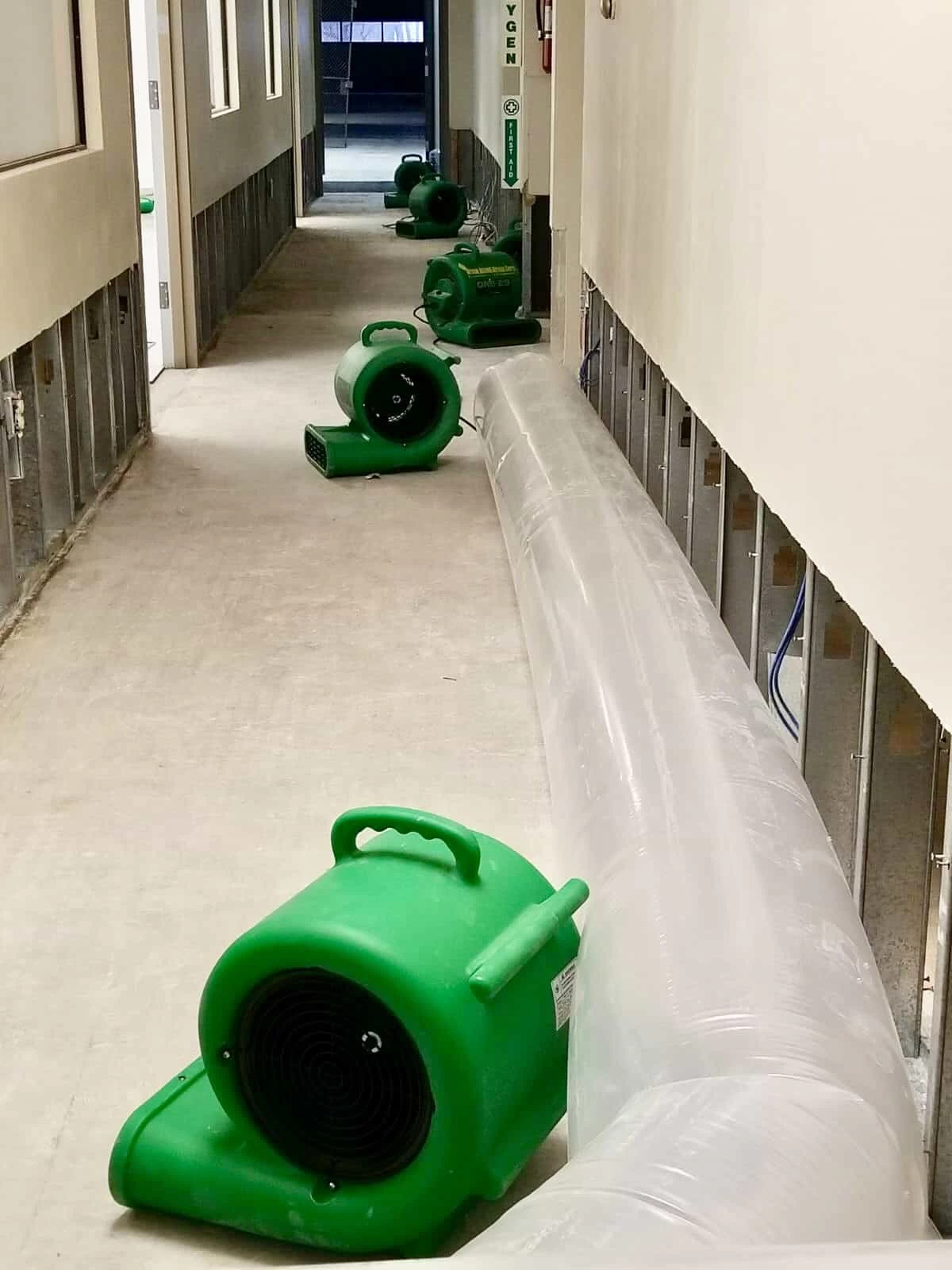
I had pipe freeze in my basement right before a snow storm and they made to within an hour to help start the clean up process. They we by our side throughout the entire process and even helped with the insurance company. They did such a great job with the cleanup, repair, remidiation, I contracted them to perform the repairs and finishes in the basement. They came with enough manpower and material to get the job done. Leo and Jessica were nothing but a pleasure to deal with!!
Cristian Arredondo c
I had some water damage in my home and Green Island was able to take care of my issue quickly and effectively. I am very pleased with the work they did. They responded quickly and were very professional.
Michael M
Outstanding service! From the office to the field crew everyone was friendly, helpful and responsive. I highly recommend Green Island Group.
When a house demolition goes right, you don’t hear about it. No stop-work orders. No surprise asbestos findings mid-project. No back-and-forth with the Village of Lynbrook’s Building Department because the permit application was incomplete. You just end up with a clean, cleared lot and a project that moved the way it was supposed to.
That’s harder to pull off in Lynbrook than most people expect. The village requires a special use permit approved by the Board of Trustees before demolition can legally begin — not just a standard building permit. On top of that, Nassau County requires a rodent-free certification before any demolition starts, and the village’s own Building Department requires an Asbestos Abatement Form as part of the permit package. If your contractor doesn’t know any of that going in, you find out the hard way.
And then there’s the housing stock itself. The average Lynbrook home was built in 1950. Over 95% of homes in the village predate 1980 — which is the legal threshold for mandatory asbestos testing in New York State. In a pre-1950 Cape Cod or Colonial, asbestos isn’t a maybe. It’s almost always there, in the pipe insulation, the floor tiles, the roofing materials, the joint compound. Having a contractor who can test for it, abate it, document it, and satisfy the village’s permit requirement for it — all under one contract — is what keeps your project moving instead of stalling.
340 Projects In. We Know What Lynbrook's Permit Process Actually Involves.
We are an environmental and demolition contractor based in Bohemia, NY, serving Nassau County, Suffolk County, and the five boroughs. Over 12 years and 340+ completed demolition projects, our work has covered everything from straightforward teardowns to full hazardous material abatement jobs in some of the most regulated municipalities on Long Island.
Lynbrook is one of those municipalities. It’s a fully incorporated village with its own building department, its own code, and a demolition permit process that goes through the Board of Trustees — not just a counter sign-off. We have navigated that process and the broader Nassau County requirements that come with it, including the county’s rodent-free certification requirement that catches a lot of out-of-area contractors off guard.
Credentials matter here because the permit process demands them. We hold EPA certification, OSHA certification, NYS Department of Health asbestos licensure, and NYS/NYC M/WBE certification. These aren’t framed certificates on a wall — they’re the specific credentials that Lynbrook’s Building Department and Nassau County require before a demolition can legally proceed.
From the First Call to a Cleared Lot — Here's How We Handle It in Lynbrook
The first step is an on-site assessment. Before anything else happens, the property gets evaluated — structure, age, materials, site access, and any visible signs of asbestos-containing materials or other hazardous substances. For a pre-1950 Lynbrook home, this step is especially important because the findings directly shape the permit application and the abatement scope.
From there, the permit process begins. In Lynbrook, that means preparing a complete application for the Village Building Department — including the required Asbestos Abatement Form — and securing Board of Trustees approval under the village’s special use permit process. Simultaneously, we coordinate the Nassau County rodent-free certification. Utility disconnections are confirmed. Nothing gets demolished until every regulatory box is checked, because a stop-work order mid-project costs more time and money than doing it right upfront.
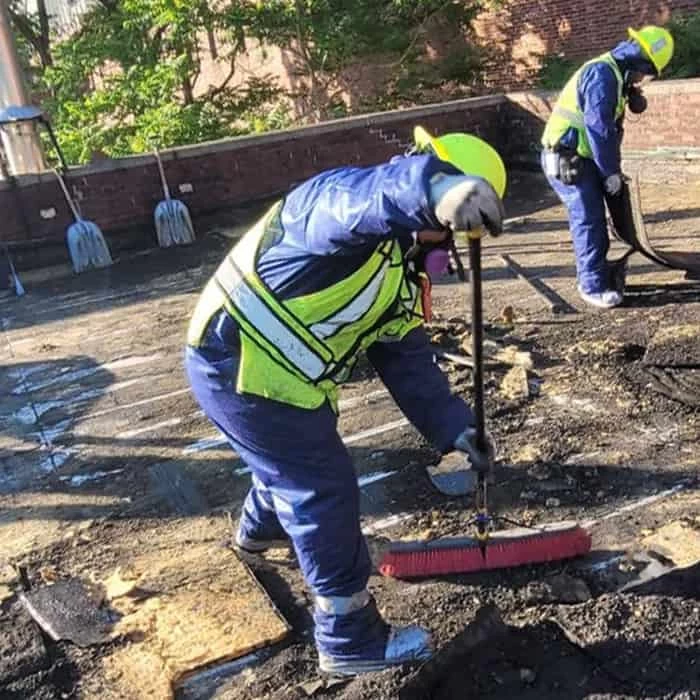
Once permits are in hand, abatement comes before demolition. Any asbestos-containing materials are removed, documented, and disposed of by NYS DOH-certified professionals. Lead paint is addressed. Then structural demolition proceeds — full teardown, debris removal, and site cleanup. The property gets left in a condition that’s ready for whatever comes next, whether that’s new construction, a sale, or a cleared lot. We handle the entire sequence. No handoffs, no coordination gaps, no finger-pointing if something goes sideways.
Everything a Lynbrook Demolition Actually Requires — Handled in One Place
A house demolition in Lynbrook isn’t a single service — it’s a sequence of regulated steps, and each one has to happen in the right order. We manage the full scope: environmental testing, asbestos abatement, lead paint assessment, Nassau County rodent-free certification, Lynbrook village permit application and Board of Trustees approval, structural demolition, debris hauling, and final site restoration.
For homeowners on the South Shore, there’s an additional layer worth knowing about. Lynbrook sits in a documented coastal flood zone, and storm-damaged or flood-compromised homes are a real and recurring category of work in this area. If you’re dealing with a structure that took on water during a nor’easter or sustained damage from a coastal storm, the demolition process may also intersect with an active insurance claim. We have helped homeowners navigate that simultaneously — documenting damage, working alongside adjusters, and making sure the demolition work supports rather than complicates the claim.
Whether it’s a planned teardown ahead of a new build, an estate property that’s past the point of renovation, or an emergency situation following storm damage, the process is the same: thorough, compliant, and handled from start to finish without subcontracting the parts that matter most. If you’re in Lynbrook or the surrounding South Shore communities — East Rockaway, Malverne, Rockville Centre, Valley Stream — we’re familiar with the permit environments and housing stock conditions in your area.
Does demolishing a house in Lynbrook, NY require a special permit?
Yes — and it’s more involved than most homeowners expect. Under Village Code § 252-116, demolition in the Village of Lynbrook requires a special use permit approved by the Board of Trustees, not just a standard building permit. That means your application goes through a formal board review process before any work can legally begin.
On top of that, the Lynbrook Building Department requires an Asbestos Abatement Form as part of the permit submission package. So before you can get approved, you need documentation confirming that asbestos has been assessed and addressed. Nassau County also requires a rodent-free certification prior to demolition of any residential structure. A security deposit is required as well, to ensure proper site restoration after the project is complete. If your contractor isn’t aware of these layers going in, expect delays.
Does my Lynbrook home likely have asbestos, and what happens before demolition?
Almost certainly, yes. The average home in Lynbrook was built in 1950, and over 95% of the village’s housing stock predates 1980 — the legal threshold for mandatory asbestos testing before demolition in New York State. In homes built before 1960, asbestos was used routinely in pipe insulation, floor tiles, ceiling tiles, roofing shingles, exterior siding, and joint compound. The question isn’t usually whether it’s there — it’s where, and whether it’s in a condition that can release fibers when disturbed.
Before demolition begins, a licensed NYS DOH-certified inspector assesses the property and identifies any asbestos-containing materials. If friable or regulated materials are found, they’re removed and disposed of by a certified abatement contractor before structural demolition proceeds. This isn’t optional — it’s required by New York State law and by the Village of Lynbrook’s own permit process. Skipping or shortcutting this step exposes you to stop-work orders, environmental fines, and personal liability.
How much does house demolition typically cost in Nassau County?
Demolition costs in Nassau County run higher than national averages — typically in the range of $8,000 to $25,000 or more for a full residential teardown, depending on the size of the structure, site access, and the scope of hazardous material abatement required. For a pre-1950 Lynbrook home, asbestos abatement is almost always part of the equation, and that adds to the base cost. Lead paint assessment, permit fees, the Nassau County rodent-free certification, and debris disposal all factor in as well.
What drives costs up most is surprises — finding asbestos mid-project because testing wasn’t done upfront, or having a permit application rejected because it was incomplete. Getting a thorough assessment before any work begins is the most reliable way to get an accurate number and avoid cost overruns. Any contractor quoting you a flat price over the phone without seeing the property first isn’t giving you a real number.
How long does the demolition permit process take in the Village of Lynbrook?
The timeline depends on how complete and compliant your application is when it’s submitted. Because Lynbrook requires Board of Trustees approval as part of the special use permit process — not just a building department review — there’s a formal approval cycle involved that takes longer than a standard permit in an unincorporated part of Nassau County. Board meetings are scheduled, and incomplete applications get kicked back, which resets the clock.
A well-prepared application that includes all required documentation — the Asbestos Abatement Form, proof of hazardous material assessment, site details, and the required security deposit — moves through the process more predictably. Working with a contractor who has navigated the Lynbrook permit process before, and who knows exactly what the Building Department and Board of Trustees expect to see, is the most reliable way to avoid unnecessary delays before demolition can begin.
My Lynbrook home was damaged by flooding — can I demolish it and make an insurance claim?
Yes, and it’s more common on the South Shore than people realize. Lynbrook sits in a documented Nassau County coastal flood zone, and nor’easters and tropical storm events have caused significant structural damage to homes along the south shore bays over the years. When a flood-compromised home needs to come down, the demolition process and the insurance claim often run in parallel — and how the demolition is handled can directly affect the outcome of the claim.
Proper damage documentation before demolition begins is critical. Insurance adjusters need to assess the structure, and the demolition work needs to be sequenced in a way that preserves that documentation rather than eliminating it. We have worked alongside homeowners navigating active insurance claims during demolition projects, helping coordinate the timing and documentation so the claim process isn’t complicated by the work. If you’re in this situation, the earlier you bring in a contractor who understands both sides of it, the better.
What's the difference between hiring a full-service demolition contractor versus a junk removal company in Lynbrook?
It’s a meaningful difference for a Lynbrook homeowner. Most of the companies showing up in local search results for demolition near Lynbrook are primarily junk removal services that handle demolition as a secondary offering. They can haul debris and remove structures in some cases — but they’re not equipped to manage asbestos abatement, lead paint assessment, Nassau County rodent-free certification, or the Village of Lynbrook’s Board of Trustees permit process. If any of those steps are required — and for a pre-1980 Lynbrook home, most of them are — a junk removal company isn’t the right fit.
A full-service demolition contractor like ours holds the specific certifications that Lynbrook’s permit process requires: NYS DOH asbestos licensure, EPA certification, and OSHA certification. That means one contractor handles the entire regulated sequence — testing, abatement, permitting, demolition, and site cleanup — without you having to coordinate multiple licensed vendors across a process that has a legally required order of operations. For a property worth $600,000 or more in today’s Lynbrook market, that’s not a minor distinction.