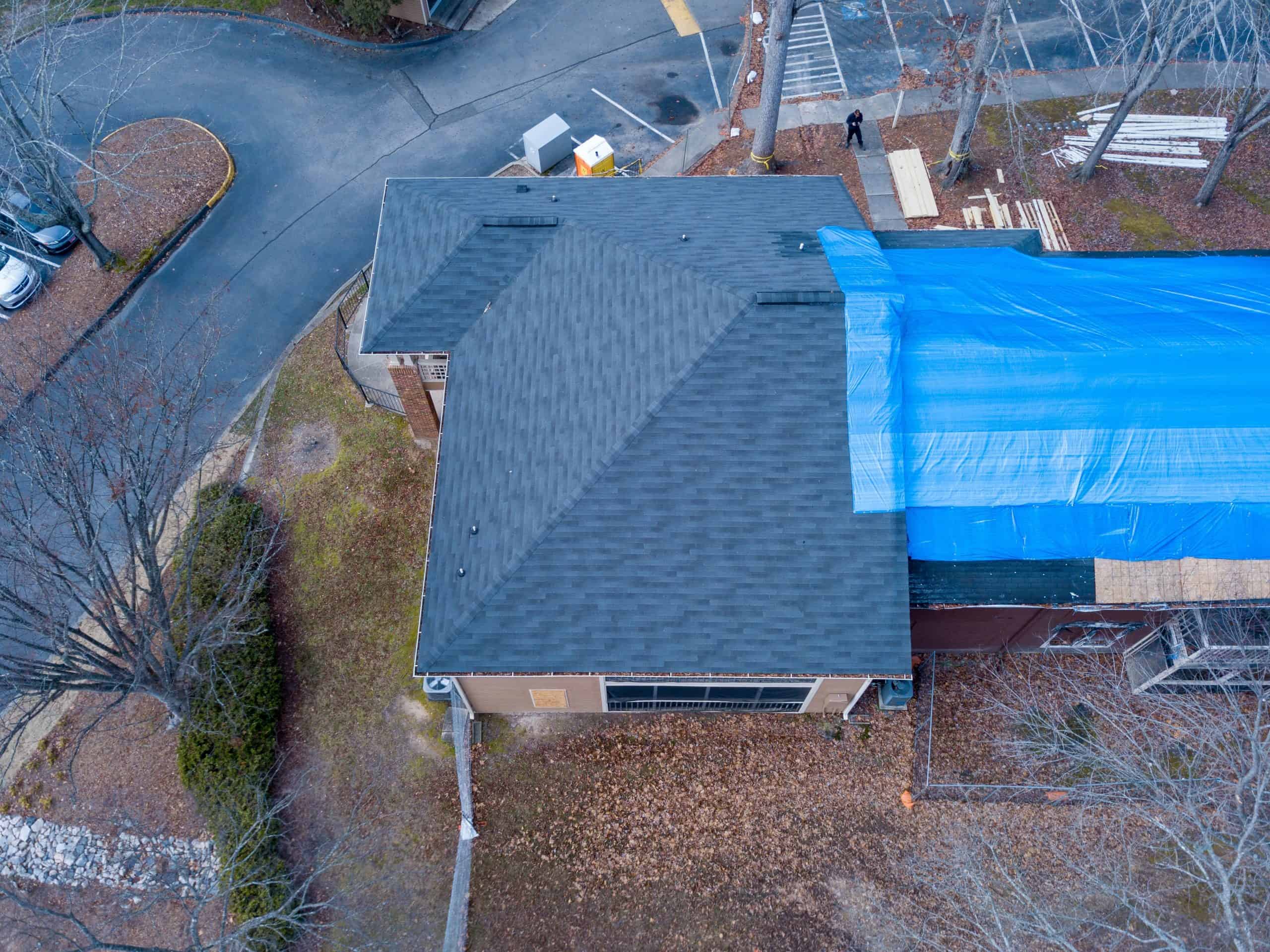
Manorhaven’s mid-century housing stock is aging fast — and for a lot of homeowners on this peninsula, the math on repairs no longer adds up. We handle house demolition from the first permit requirement to the last load of debris, so you’re not juggling five different contractors to get one project done.
I needed a professional consultation explanation of procedure for safe removal of Asbestos in my apartment complex. Without having an account yet, I was very impressed with the caring, knowledgeable and generous advice offered by Jessica, and will look forward to doing business in the future. Thank you so much! I feel much more informed about a sometimes scary endeavor. Peace. Nancy Silva Mineola, NY.
Mia Munoz
Used this company to clean up some water flood in my house. They were fast and easy to work with.very professional, Would recommend to anyone!
Nini Valle
Great company, had a flood and they responded quickly and efficiently. Billed my insurance company directly. I highly recommend this company!
joe colapietro, jr
I had pipe freeze in my basement right before a snow storm and they made to within an hour to help start the clean up process. They we by our side throughout the entire process and even helped with the insurance company. They did such a great job with the cleanup, repair, remidiation, I contracted them to perform the repairs and finishes in the basement. They came with enough manpower and material to get the job done. Leo and Jessica were nothing but a pleasure to deal with!!
Cristian Arredondo c
I had some water damage in my home and Green Island was able to take care of my issue quickly and effectively. I am very pleased with the work they did. They responded quickly and were very professional.
Michael M
Outstanding service! From the office to the field crew everyone was friendly, helpful and responsive. I highly recommend Green Island Group.
What Changes When You Hire a Contractor Who Knows Manorhaven's Building Department
Manorhaven is one of the most densely populated villages in New York State. Lots are tight, neighbors are close, and the village building department has a very specific list of what it needs before demolition can legally begin. When you hire a contractor who doesn’t know that list, you find out the hard way — through delays, stop-work orders, or a permit application that gets sent back incomplete. When you hire one who does, the project moves.
The village requires an asbestos survey, oil tank clearance, utility disconnection documentation, a one-call sheet, and a soil erosion control review before a single wall comes down. For homes built before 1980 — which describes a significant portion of Manorhaven’s bungalows and Cape Cods — asbestos testing isn’t optional, it’s legally required. We handle every one of those steps in-house, which means your permit application goes in complete the first time.
And because nearly half of all properties in Manorhaven face severe flood risk over the next 30 years, storm and water damage are real, recurring reasons people end up needing demolition here — not just planned teardowns. Whether you’re rebuilding after a nor’easter pushed Manhasset Bay into your first floor, or you’ve simply reached the point where the cost of keeping an aging structure standing no longer makes sense, the outcome you’re after is the same: a clean site, a clear path forward, and no surprises along the way.
We’ve been doing demolition and environmental remediation across Long Island and the five boroughs for over 12 years. More than 340 completed projects. Not a general contractor who occasionally tears something down — demolition, abatement, and site restoration is the work.
Our team is EPA-certified, OSHA-certified, NYS DOH-licensed for asbestos work, and holds both NYS and NYC M/WBE certification. Those aren’t just credentials to list — they’re the reason your project doesn’t get flagged, fined, or stopped by the Village of Manorhaven’s building department. When you’re working with a contractor whose paperwork is already in order, the process runs the way it should.
Manorhaven’s coastal position, its older housing stock, and its active village government make it a more complex environment than most. We’ve worked in communities like this across Nassau County and know what it takes to get a project permitted, executed, and closed out correctly.
It starts with a site assessment. Before any work is scoped or priced, we look at your specific property — lot size, structure type, access points, and what’s adjacent. In a village as dense as Manorhaven, that last part matters. Equipment access on a narrow residential block requires planning, and a home sitting close to its neighbors requires dust containment and site management that a lot of contractors don’t think about until it becomes a problem.
From there, the pre-demolition environmental work begins. If your home was built before 1980 — which covers most of Manorhaven’s classic bungalows and two-family Colonials — an asbestos survey is required before the Village of Manorhaven will issue a demolition permit. We conduct the survey, handle abatement if materials are found, and deliver the clearance documentation the building department needs. Oil tanks get emptied and removed. Utilities get disconnected and documented. The permit application goes in complete.
Once the permit is issued, demolition proceeds. Debris is removed, the site is graded, and any required soil and erosion controls are in place throughout. The village prohibits contractor work on Sundays and legal holidays, and that’s built into the schedule from the start — not discovered mid-project. When the job is done, you have a clean, cleared site and a clear record of everything that was done correctly.
Everything the Village Requires — Already Included
Most homeowners don’t realize how many steps are involved in getting a demolition permit from the Village of Manorhaven until they’re already in the middle of it. The building department at 33 Manorhaven Blvd. requires an asbestos survey, oil tank removal confirmation, water and sewer disconnection, gas and electric disconnection, a one-call sheet for underground utilities, a soil and erosion control review, and a $100 application fee — all before work can begin. We manage every one of those requirements, so you’re not tracking down separate vendors or wondering what’s missing from your application.
For homes near Manhasset Isle or along the bay, flood damage and water intrusion are common reasons a teardown becomes the right call. For homes in the denser residential blocks closer to Port Washington, it’s often aging systems and structural obsolescence. Either way, the scope of work is the same: thorough pre-demolition environmental assessment, complete permit documentation, careful execution in a tight neighborhood, and full site restoration when the work is done.
If your project involves hazardous materials beyond asbestos — lead paint, underground storage tanks, or contaminated soil — those are handled in-house as well. You’re not getting handed off to a subcontractor for the hard parts. The full scope stays under one roof, one contract, and one point of contact from start to finish.
What does the Village of Manorhaven require before issuing a demolition permit?
The Village of Manorhaven has a specific checklist that has to be complete before a demolition permit is issued — and it’s more involved than most homeowners expect. You’ll need a completed asbestos survey, documentation that any oil storage tanks have been emptied and removed, confirmation that water, gas, sewer, and electric services have all been properly disconnected, a one-call sheet verifying underground utility locations, a reviewed soil and erosion control sheet, and a $100 application fee. All of that goes to the building department at Village Hall, 33 Manorhaven Blvd., before any physical work can start.
The reason this matters is that an incomplete application doesn’t just get delayed — it gets sent back, which costs you time and can push your project into a different season entirely. We put together the full permit package, coordinate every required pre-demolition step, and submit documentation that the building department can approve without going back and forth. It’s one of the clearest ways a full-service contractor saves you real time on a project like this.
Do I need an asbestos survey before demolishing my home in Manorhaven, NY?
Yes — and it’s not optional. Under New York State law, any structure built before 1980 is presumed to contain asbestos-containing materials until a licensed inspector certifies otherwise. Manorhaven’s housing stock is heavily weighted toward mid-century bungalows, Cape Cods, and two-family Colonials, a large portion of which were built well before that cutoff. The Village of Manorhaven’s demolition permit application explicitly requires a completed asbestos survey as part of the package.
If asbestos is found, it has to be properly abated by a licensed contractor before demolition can proceed — and that abatement has to be documented and submitted to the village. We’re licensed by the New York State Department of Health for asbestos work, which means the survey, the abatement if needed, and the clearance documentation are all handled without bringing in a separate company. That keeps the timeline tighter and eliminates the coordination gap that often stalls projects when the asbestos contractor and the demolition contractor aren’t on the same page.
How much does house demolition typically cost in Nassau County, NY?
House demolition in the New York metro area generally runs 20 to 30 percent higher than national averages, driven by stricter regulatory requirements, higher labor costs, and the density of the areas being worked in. Nationally, full house demolition ranges from roughly $6,000 to $25,000. In Nassau County — and particularly in a dense, coastal village like Manorhaven — you should expect to be toward the higher end of that range once you factor in pre-demolition environmental work, permitting, and site restoration.
What affects your specific cost most is the size and age of the structure, whether asbestos or other hazardous materials are present, whether there are oil tanks that need to be removed, and how constrained the site access is. In Manorhaven, where lots are small and homes sit close together, site logistics are a real cost factor — equipment has to be positioned carefully and the work has to be managed in a way that protects adjacent structures. The most accurate number comes from a site assessment, not a ballpark. We provide transparent, itemized quotes so you know exactly what you’re paying for before anything starts.
Is it better to demolish and rebuild or renovate an older Manorhaven home?
It depends on the condition of the structure and what you’re trying to accomplish with the property. For a lot of Manorhaven’s older bungalows and Cape Cods — especially those that have been through flooding, deferred maintenance, or decades of system aging — the cost of a full renovation can approach or exceed what it would cost to build new. When you’re replacing electrical, plumbing, structural elements, and potentially dealing with asbestos or lead paint remediation on top of that, the numbers often stop making sense.
The other factor in Manorhaven specifically is land value. With median home values in the village around $685,000 for detached houses, the land itself — particularly anything near Manhasset Bay or with marina proximity — is worth a significant amount. If the existing structure is limiting what you can build on a valuable lot, demolition and a new build often delivers far more long-term value than pouring money into a structure that was never designed for what you need. A site assessment will give you a clearer picture of what you’re actually working with before you commit to either direction.
My Manorhaven home was damaged in a storm — can I get emergency demolition help?
Yes. We’re available 24 hours a day, 7 days a week, including after major storm events, with documented response times as fast as one hour. For a village like Manorhaven — where nearly half of all properties face severe flood risk and nor’easters can push Manhasset Bay water into homes overnight — emergency demolition and structural stabilization are not edge cases. They’re situations that come up regularly, and having a contractor who can respond quickly makes a real difference in how much additional damage occurs while you’re waiting.
Emergency situations also tend to involve insurance claims, and that process can be overwhelming on top of everything else. We work directly with insurance companies, document damage thoroughly, and help make sure the scope of covered work is accurately captured from the start. Multiple customers have specifically noted that our team helped them navigate their claims without being asked — which, when you’re dealing with a damaged home and a stressed-out schedule, is genuinely useful and not just a nice-to-have.
Does the 2025 Manorhaven building moratorium affect residential demolition projects?
The moratorium the Village of Manorhaven passed in 2025 targets specific zoning districts — C-1, C-2, C-3, I-1, I-2, I-3, E-1, R-3, R-4, and the Business Overlay District — while the village conducts a comprehensive planning review. Standard single-family residential demolition in typical residential zones may not be directly affected, but the regulatory environment in the village is more active and fluid than usual right now, and that has real implications for how projects get permitted and approved.
What it means practically is that you want a contractor who is current on local code, understands which zones are affected, and knows how to read a Manorhaven zoning map before making assumptions about your project timeline. It also means that if you’re planning a teardown-and-rebuild, getting your permit application in correctly and completely the first time matters more than ever — because the building department is operating in a more scrutinized environment. Our experience working within Nassau County’s regulatory framework means you have someone in your corner who can help you understand exactly where your project stands and how to move it forward without unnecessary delays.