Maspeth's Rowhouses Demand More Than a Wrecking Crew
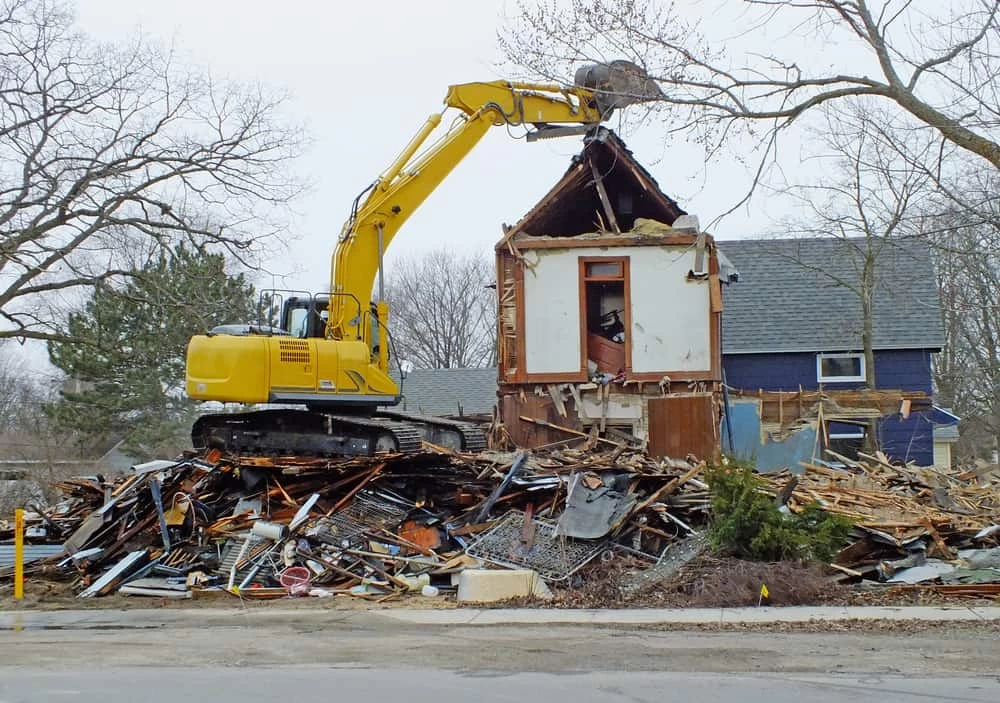
When your home shares a wall with your neighbor, house demolition in Maspeth isn’t just about swinging a hammer it’s about knowing exactly what you’re dealing with before anything comes down.
I needed a professional consultation explanation of procedure for safe removal of Asbestos in my apartment complex. Without having an account yet, I was very impressed with the caring, knowledgeable and generous advice offered by Jessica, and will look forward to doing business in the future. Thank you so much! I feel much more informed about a sometimes scary endeavor. Peace. Nancy Silva Mineola, NY.
Mia Munoz
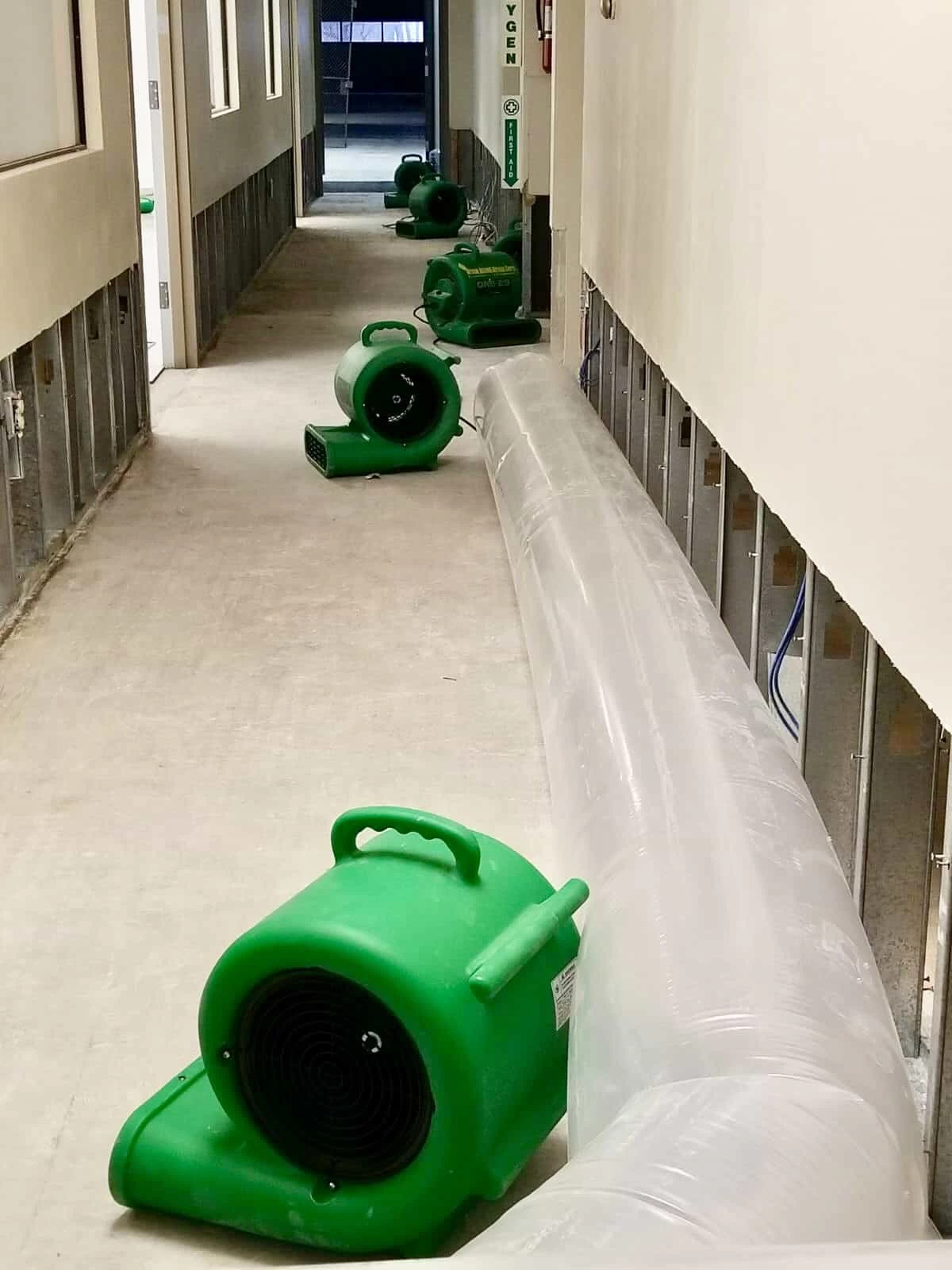
Used this company to clean up some water flood in my house. They were fast and easy to work with.very professional, Would recommend to anyone!
Nini Valle
Great company, had a flood and they responded quickly and efficiently. Billed my insurance company directly. I highly recommend this company!
joe colapietro, jr
I had pipe freeze in my basement right before a snow storm and they made to within an hour to help start the clean up process. They we by our side throughout the entire process and even helped with the insurance company. They did such a great job with the cleanup, repair, remidiation, I contracted them to perform the repairs and finishes in the basement. They came with enough manpower and material to get the job done. Leo and Jessica were nothing but a pleasure to deal with!!
Cristian Arredondo c
I had some water damage in my home and Green Island was able to take care of my issue quickly and effectively. I am very pleased with the work they did. They responded quickly and were very professional.
Michael M
Outstanding service! From the office to the field crew everyone was friendly, helpful and responsive. I highly recommend Green Island Group.
Most of Maspeth’s residential streets are lined with attached brick rowhouses built between 1910 and 1930. That’s not just a historical footnote it means virtually every demolition project here triggers mandatory asbestos and lead assessments before the NYC Department of Buildings will even look at your permit application. When you hire a contractor who handles that entire process in-house, you skip the back-and-forth between separate firms and the weeks of waiting that come with it.
There’s also the party wall. In a neighborhood where homes share structural walls on both sides, tearing one down without properly bracing and protecting the exposed wall isn’t just a code issue it’s a neighbor issue. Getting that wrong can damage a relationship that’s lasted decades, or worse, create legal and structural liability you weren’t expecting.
When the work is done correctly, you walk away with a clean, compliant, cleared site permitted, certified, and ready for whatever comes next. No stop-work orders. No failed inspections. No calls from the house next door.
12 Years In, and the Process Still Gets Our Full Attention
Green Island Group is an environmental and demolition contractor with over 12 years of experience and more than 5,000 completed projects across New York City and Long Island. We’re owned and operated by Leo Torres, who stays personally involved from the first call through final site clearance. That’s not a tagline it shows up in the reviews.
What makes the difference in a neighborhood like Maspeth is knowing the regulatory environment cold. NYC DOB permits, DEP asbestos certifications, ACP-5 forms, party wall protections these aren’t surprises to us. We’ve handled them on projects throughout Maspeth, Queens, and the other four boroughs, and we know what a complete permit submission looks like versus one that gets sent back.
We also work directly with insurance carriers, which matters more than most people realize when fire or water damage is what’s driving the demolition in the first place.
No Surprises Here's What the Process Actually Looks Like
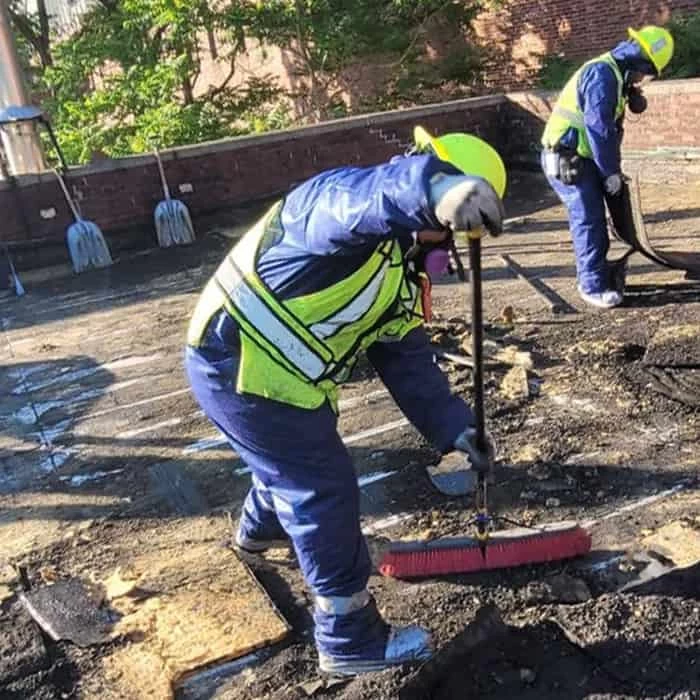
It starts with a site assessment. Before anything else, we walk the property, evaluate the structure, and determine what hazardous materials need to be addressed. In Maspeth, where nearly every residential building predates the 1987 NYC asbestos threshold, this step isn’t optional it’s what the DOB requires before they’ll issue a permit. We handle the asbestos survey and complete the ACP-5 form in-house, so you’re not waiting on a separate environmental firm to clear their schedule before the project can move forward.
Once the assessment is complete and any required abatement is handled, we prepare and file the demolition permit package with the NYC Department of Buildings. That includes the safety plan, dust control plan, and neighbor notification all standard requirements for a full demolition in New York City. Permit processing typically runs four to eight weeks, and a complete, correctly filed application is the single biggest factor in whether that timeline holds.
When the permit is approved, we mobilize the crew, coordinate utility disconnections with Con Edison and the NYC DEP, and begin the work. For attached rowhouses in Maspeth, that means careful structural shoring of the exposed party wall before and during demolition. When the structure is down, we handle full debris removal and site clearance and if your project is insurance-driven, we bill the carrier directly.
What's Actually Included When You Hire Green Island Group
House demolition in Maspeth isn’t a single step it’s a sequence, and every part of it needs to be handled by someone who knows what comes next. We cover the full scope: pre-demolition hazardous materials survey, asbestos abatement (certified under NYS DOL Industrial Code Rule 56), lead assessment, NYC DOB permit filing, structural demolition, party wall protection, debris removal, and final site clearance. Everything under one roof, one contract, one point of contact.
That matters specifically in Maspeth because the neighborhood’s building stock primarily 1910s and 1920s brick construction almost always contains asbestos in floor tiles, pipe insulation, or roofing materials. A contractor who only does demolition will hand that problem back to you. We don’t. We assess it, abate it, certify it, and move forward.
For property owners in the Maspeth Industrial Business Zone along the Newtown Creek corridor, we also handle commercial and industrial demolition at scale including contaminated material management relevant to the environmental sensitivity of that area. Whether you’re a homeowner on 58th Avenue or a property owner in the IBZ, the process is the same: thorough, compliant, and handled start to finish.
Do I need an asbestos inspection before demolishing my Maspeth home?
Yes and it’s not something you can skip or work around. The NYC Department of Buildings requires an ACP-5 form, completed by a DEP-certified asbestos investigator, before they will issue a demolition permit for any pre-1987 building. In Maspeth, where the residential core is almost entirely 1910s and 1920s construction, that means virtually every house demolition project triggers this requirement.
The ACP-5 needs to confirm either that the building is free of asbestos-containing material, or that any asbestos present has been properly abated and certified. If asbestos is found, you’ll also need an A-TRU permit from the DEP before abatement work can begin. We handle the survey, the abatement if needed, and the certification all in-house so the permit process doesn’t stall while you’re waiting on a third party.
How long does it take to get a demolition permit in New York City?
From the time you file a complete application with the NYC Department of Buildings, permit processing for a full demolition typically takes four to eight weeks. The key word there is complete applications that are missing the asbestos certification, the dust control plan, the safety plan, or the neighbor notification get sent back, and that restarts the clock.
This is one of the more common ways demolition timelines blow up in Queens and Maspeth. A contractor who mostly works in Nassau or Suffolk County may not be familiar with what a complete NYC DOB submission looks like, and a rejected application can cost you a month or more. We file in NYC regularly, we know what the DOB needs upfront, and we don’t submit incomplete packages.
What happens to the shared wall when you demolish an attached rowhouse in Maspeth?
This is one of the most important questions to ask before hiring anyone for a demolition project in Maspeth, and a lot of homeowners don’t think to ask it until something goes wrong. When you demolish an attached rowhouse, the wall shared with your neighbor’s home becomes an exposed exterior wall and it needs to be properly braced, weatherproofed, and protected throughout the demolition process to maintain the structural integrity of the adjacent home.
The NYC DOB requires a neighbor notification as part of the demolition permit process, and adjacent property owners have rights when it comes to party wall protection. A contractor who doesn’t account for this in their plan is creating liability for you, not just a construction problem. We factor party wall protection into every attached rowhouse project in Queens, and we handle the neighbor notification as part of the standard permit package.
How much does house demolition cost in Maspeth, NY?
The honest answer is that it depends on several factors specific to your property the size of the structure, whether it’s attached or detached, what hazardous materials are present, and how complex the permit process turns out to be. For a typical residential demolition in Maspeth, you’re generally looking at a range that accounts for the asbestos survey, any required abatement, the NYC DOB permit fees, the actual demolition work, and debris removal.
What tends to catch Maspeth homeowners off guard is the cost of the regulatory front end the asbestos assessment, the ACP-5 filing, and the permit itself before a single wall comes down. These are real costs, and any contractor who quotes you a number without accounting for them is either leaving them out or planning to add them later. We give you the full picture upfront so the number you agree to is the number you pay.
Can Green Island Group handle both the asbestos removal and the demolition together?
Yes and that’s actually one of the more practical reasons people call us instead of starting with a standalone demolition contractor. The typical path for a Maspeth homeowner who hires separate firms goes like this: you hire a demolition contractor, they tell you they can’t proceed without an asbestos clearance, you hire an environmental firm, you wait for their schedule, you wait for the abatement to be completed and certified, and then you re-engage the demolition contractor. That sequence can add four to six weeks to a project timeline before any structural work begins.
Green Island Group is certified for asbestos abatement under NYS DOL Industrial Code Rule 56 and handles full building demolition. We run both under one contract, one schedule, and one point of contact. For a neighborhood like Maspeth where the asbestos step is almost always required, that consolidation isn’t just convenient it’s the faster and cleaner way to get the project done.
Does homeowners insurance cover demolition after a fire or flood damage in Maspeth?
In many cases, yes particularly when the structure has been damaged to the point where repair isn’t feasible. Homeowners insurance policies often include coverage for debris removal and demolition when the damage is the result of a covered event like a fire or storm. The specifics depend on your policy, but it’s worth having that conversation with your carrier before assuming you’re paying out of pocket.
What makes this relevant in Maspeth is that the neighborhood has localized flood risk in areas near Newtown Creek and its tributaries, especially during heavy rain events when the combined sewer system overflows. Older homes near the creek are also more vulnerable to fire due to aging electrical systems. We work directly with insurance carriers and can bill the insurer directly for covered work which means one less thing you’re managing during an already stressful situation. We’ve done this enough times to know how to document the scope of work in a way that supports your claim rather than complicating it.