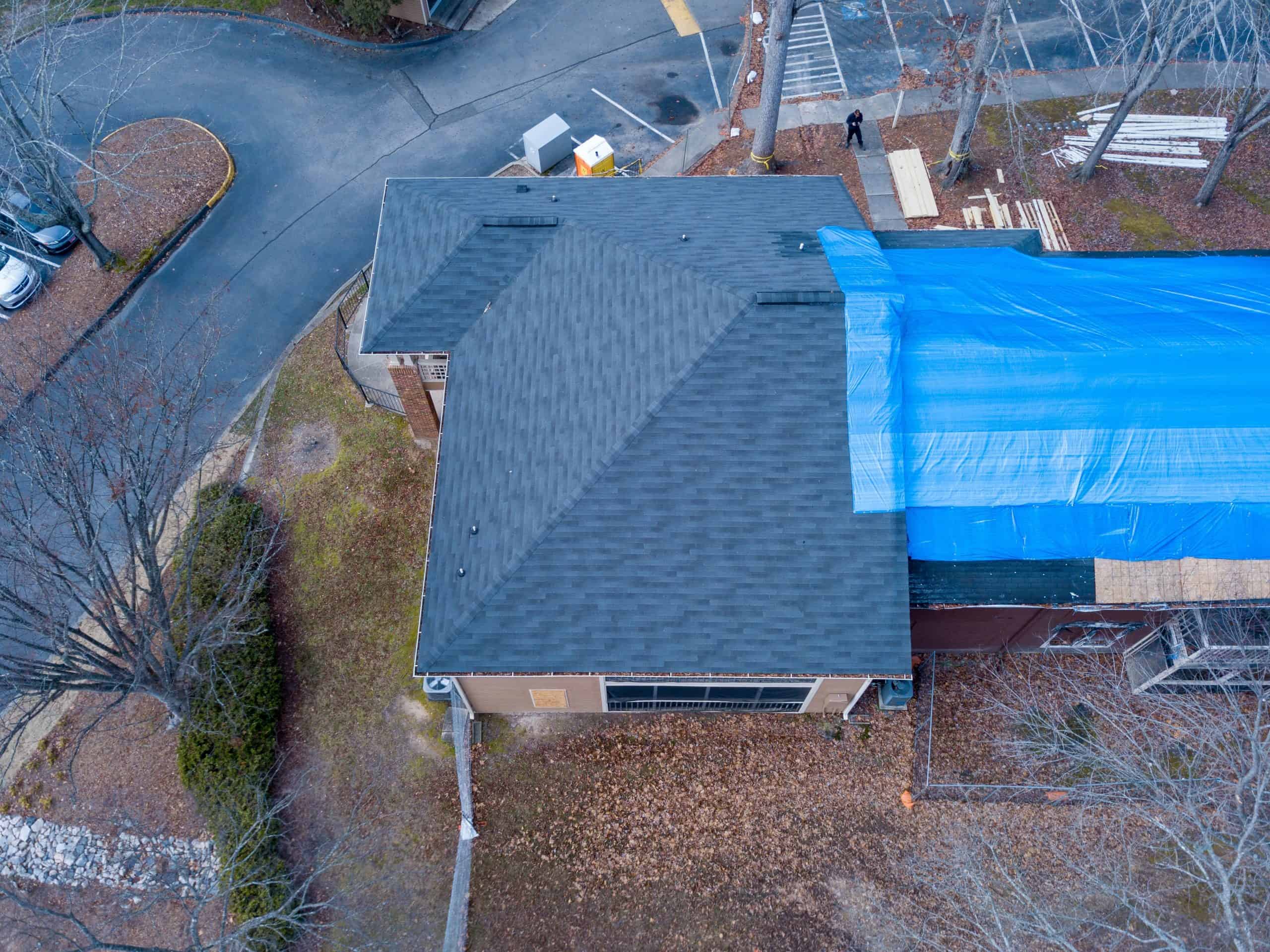
Your 1950s North Bellmore House Deserves More Than Another Band-Aid Renovation
Most homes in North Bellmore were built around 1958. At some point, patching an aging structure stops making sense — and house demolition becomes the smarter move. We handle everything from asbestos abatement to final site cleanup, so you’re not juggling three contractors to get one job done.
I needed a professional consultation explanation of procedure for safe removal of Asbestos in my apartment complex. Without having an account yet, I was very impressed with the caring, knowledgeable and generous advice offered by Jessica, and will look forward to doing business in the future. Thank you so much! I feel much more informed about a sometimes scary endeavor. Peace. Nancy Silva Mineola, NY.
Mia Munoz
Used this company to clean up some water flood in my house. They were fast and easy to work with.very professional, Would recommend to anyone!
Nini Valle
Great company, had a flood and they responded quickly and efficiently. Billed my insurance company directly. I highly recommend this company!
joe colapietro, jr
I had pipe freeze in my basement right before a snow storm and they made to within an hour to help start the clean up process. They we by our side throughout the entire process and even helped with the insurance company. They did such a great job with the cleanup, repair, remidiation, I contracted them to perform the repairs and finishes in the basement. They came with enough manpower and material to get the job done. Leo and Jessica were nothing but a pleasure to deal with!!
Cristian Arredondo c
I had some water damage in my home and Green Island was able to take care of my issue quickly and effectively. I am very pleased with the work they did. They responded quickly and were very professional.
Michael M
Outstanding service! From the office to the field crew everyone was friendly, helpful and responsive. I highly recommend Green Island Group.
When demolition is done right, you’re not just left with an empty lot — you’re left with a property that’s legally cleared, environmentally clean, and ready for whatever comes next. No open permits, no asbestos surprises, no debris sitting on the lawn while you wait for someone to return a call.
Here’s the thing about North Bellmore specifically: nearly every home in this community was built before 1980. That means asbestos-containing materials are almost certainly present — in the floor tiles, the pipe insulation, the ceiling, the boiler wrap. New York State requires professional testing and certified abatement before any demolition permit gets issued. If your contractor isn’t handling that step, you’re already behind.
The other reality is that homes in North Bellmore carry serious value. With median home prices near $678,000 and land that’s only going to hold its worth, a full teardown and rebuild often makes more financial sense than continuing to renovate a structure with outdated systems and a layout that no longer fits your life. You keep the neighborhood, the schools, the commute — you just stop living around the limitations of a 65-year-old house.
340 Projects In. We Know North Bellmore Inside Out.
We’ve been operating across Long Island and New York City for over 12 years, with more than 340 completed demolition projects in the books. North Bellmore and the surrounding Bellmore-Merrick area is territory we know well. The permit process through the Town of Hempstead, the asbestos compliance requirements, the debris disposal regulations — none of that is new to us.
What separates us from most demolition companies is the scope of what’s handled under one roof. You’re not hiring an asbestos inspector, then waiting for clearance, then calling a demolition crew, then finding someone to haul the debris. That entire workflow — from the first environmental assessment to the final site cleanup — runs through one team, one project manager, and one phone number.
We hold EPA and OSHA certification, NYS Department of Health asbestos licensing, and M/WBE certification from both New York State and New York City. When compliance matters — and in Nassau County, it always does — that’s the kind of credential stack that protects you.
From Permit Application to Empty Lot — Here's the Sequence
It starts with an assessment. Before anything is touched, the structure gets evaluated for hazardous materials — asbestos, lead, and anything else that affects how the project is handled. For homes in North Bellmore, which were built almost entirely between the 1940s and 1970s, this step isn’t optional. It’s required by New York State law, and it has to happen before the Town of Hempstead will issue a demolition permit. We handle the inspection, the testing, and the certified abatement — all before demolition begins.
Once abatement is cleared and the permit is in hand, utility disconnection is confirmed with all service providers. Gas, electric, water, sewer — everything gets formally disconnected and documented before the crew starts work. This protects you, protects the neighbors, and keeps the project compliant from start to finish.
Then comes the actual demolition. Depending on the scope, that’s either a full structural teardown or selective demolition targeting specific portions of the building. Debris is hauled and disposed of in full compliance with Nassau County and state environmental regulations — including any materials that require specialized handling. When we leave, the site is graded, clean, and ready for whatever the next phase looks like, whether that’s a new build, a sale, or a fresh start.
Residential Demolition Services North Bellmore, NY
Everything the Job Requires — Not Just the Teardown
House demolition in North Bellmore isn’t just about swinging equipment at a structure. The regulatory layer here is real. The Town of Hempstead Building Department requires a valid demolition permit before any work begins, and that application needs proper contractor licensing, workers’ compensation documentation, and asbestos clearance. Nassau County’s environmental rules govern how debris — especially hazardous debris — gets disposed of. Skipping steps or working with an unlicensed contractor doesn’t just slow the project down; it creates liability that lands on you as the property owner.
We manage the full scope: environmental assessment, asbestos abatement, permit acquisition, utility coordination, structural demolition, and complete site cleanup. For homeowners dealing with storm damage, fire damage, or a structure that’s been condemned following a nor’easter — which South Shore Nassau County communities know all too well — we also operate 24 hours a day, seven days a week. Emergency response is available when the situation can’t wait for a Monday morning callback.
If you’re rebuilding on the same lot, we can coordinate the site preparation to align with your builder’s timeline. If you’re selling the cleared land, we make sure the documentation trail is clean and complete. Either way, the goal is a finished project that holds up to inspection — not one that creates problems down the road.
Do I need an asbestos inspection before demolishing my North Bellmore home?
Yes — and this applies to virtually every home in North Bellmore. New York State law requires a professional asbestos inspection before demolition of any structure built before 1980. Given that the median construction year for homes in North Bellmore is 1958, and that the vast majority of the community’s housing stock was built between the 1940s and 1970s, this requirement applies to almost every residential demolition project in this area.
Asbestos from that era shows up in places people don’t always expect — floor tiles, ceiling tiles, pipe insulation, boiler wrap, roofing shingles, cement board siding, and even plaster. If any of those materials test positive, they have to be abated by a licensed contractor before demolition can proceed. The Town of Hempstead won’t issue a demolition permit until that clearance is documented. We handle both the inspection and the certified abatement, so you’re not waiting on two separate companies to coordinate before the real work can begin.
How much does house demolition typically cost in North Bellmore, NY?
The honest answer is that it depends on the size of the structure, what hazardous materials are present, and what the site needs after the teardown. Nationally, house demolition runs roughly $4 to $17 per square foot, with most homeowners paying somewhere between $6,000 and $25,000 for a full residential teardown. In Nassau County, expect to land toward the higher end of that range — labor costs, stricter regulations, and asbestos compliance requirements all push pricing above national averages by roughly 20 to 30 percent.
On top of the base demolition cost, you’ll want to budget for asbestos testing and abatement if your home predates 1980 (which, in North Bellmore, it almost certainly does), Town of Hempstead permit fees, utility disconnection, debris hauling, and foundation removal if that’s part of the scope. Foundation removal alone can add $2,000 to $10,000 depending on the size and depth. The best way to get a real number is a site assessment — the variables matter too much for a ballpark to be genuinely useful.
Who issues demolition permits in North Bellmore, and how long does it take?
North Bellmore is an unincorporated community within the Town of Hempstead, so demolition permits are issued through the Town of Hempstead Building Department. The Town does have an online permit portal at hempsteadny.gov that allows you to submit applications, track status, and request inspections digitally — which helps, but the process still takes time, especially if documentation is incomplete or asbestos clearance hasn’t been submitted yet.
Permit timelines vary depending on the complexity of the project and how complete your application is when it’s submitted. Working with a contractor who knows the Town of Hempstead process from the inside — and who submits complete, properly documented applications the first time — makes a meaningful difference in how quickly things move. Delays almost always trace back to missing documentation, not the permit office itself. Having your asbestos abatement clearance, contractor licensing, and workers’ compensation paperwork ready before the application goes in is the single biggest thing you can do to keep the timeline on track.
What happens to the debris after a house demolition in North Bellmore?
All demolition debris has to be hauled and disposed of in compliance with Nassau County and New York State environmental regulations. For a standard residential teardown in North Bellmore, that means separating materials, documenting disposal, and using licensed facilities. For debris that includes asbestos-containing materials — which is common in North Bellmore’s pre-1980 housing stock — the disposal requirements are more specific. Those materials require certified handling, proper containment, and disposal at approved facilities. You can’t just load it on a truck and drop it at a general waste site.
This is one of the reasons why working with a contractor who is EPA-certified and OSHA-certified matters. If hazardous material is improperly disposed of, the liability doesn’t fall on the contractor — it falls on the property owner. We manage the entire debris removal and disposal process as part of the project scope, with full documentation, so there are no loose ends on your end after the job is done.
Can Green Island Group handle emergency demolition after storm damage in North Bellmore?
Yes. We operate 24 hours a day, seven days a week, including holidays. Nassau County’s South Shore — including North Bellmore — sits in the path of nor’easters and tropical weather systems that can leave homes structurally compromised and uninhabitable with very little warning. When a structure is unsafe and the situation is urgent, waiting until Monday isn’t an option.
Emergency demolition follows the same compliance requirements as any other project — permits, asbestos protocols, utility disconnection — but the timeline is compressed and the response is immediate. We have documented emergency response arrivals within one hour of contact. For homeowners navigating a storm damage insurance claim at the same time, our team is also familiar with the insurance process and can help you understand what documentation your claim will need.
Is it worth demolishing and rebuilding instead of renovating an older home in North Bellmore?
For a lot of North Bellmore homeowners, the math eventually tips toward demolition. When a home built in the 1950s has been renovated multiple times, has foundation issues, outdated electrical and plumbing systems, and a layout that no longer fits how the family actually lives — the cost of bringing it fully up to modern standards often exceeds what a new build would cost on the same lot. And in a community where median home values are approaching $678,000 and the land itself holds significant worth, rebuilding on an established lot in a strong school district makes real financial sense.
The other factor is the school district. Families in North Bellmore choose this community largely because of the Bellmore-Merrick Central High School District, which is one of the most highly rated on Long Island. Demolishing and rebuilding lets you stay in the neighborhood, keep the schools, keep the commute access off Jerusalem Avenue and the Southern State Parkway — without continuing to work around the limitations of a structure that was never designed for the way you live now.