Ozone Park's Century-Old Homes Need More Than a Wrecking Ball
Most houses on these blocks were built in the 1920s and tearing one down the right way means handling asbestos, permits, and shared walls before anything else. We handle all of it.
I needed a professional consultation explanation of procedure for safe removal of Asbestos in my apartment complex. Without having an account yet, I was very impressed with the caring, knowledgeable and generous advice offered by Jessica, and will look forward to doing business in the future. Thank you so much! I feel much more informed about a sometimes scary endeavor. Peace. Nancy Silva Mineola, NY.
Mia Munoz
Used this company to clean up some water flood in my house. They were fast and easy to work with.very professional, Would recommend to anyone!
Nini Valle
Great company, had a flood and they responded quickly and efficiently. Billed my insurance company directly. I highly recommend this company!
joe colapietro, jr
I had pipe freeze in my basement right before a snow storm and they made to within an hour to help start the clean up process. They we by our side throughout the entire process and even helped with the insurance company. They did such a great job with the cleanup, repair, remidiation, I contracted them to perform the repairs and finishes in the basement. They came with enough manpower and material to get the job done. Leo and Jessica were nothing but a pleasure to deal with!!
Cristian Arredondo c
I had some water damage in my home and Green Island was able to take care of my issue quickly and effectively. I am very pleased with the work they did. They responded quickly and were very professional.
Michael M
Outstanding service! From the office to the field crew everyone was friendly, helpful and responsive. I highly recommend Green Island Group.
When a deteriorated 1920s rowhouse finally comes down legally, safely, and completely what you’re left with is a clean slate and a clear path forward. No stop-work orders. No fines from the DOB. No neighbor knocking on your door because something shifted on their side of the wall. That’s the actual outcome you’re paying for, and it only happens when every step is handled correctly from the start.
In Ozone Park, the housing stock is older than almost anywhere else in Queens. More than half the homes here were built before 1950, and virtually every one of them contains asbestos somewhere insulation, floor tiles, pipe wrap, ductwork. Skipping the survey or hiring someone who can’t legally do the abatement doesn’t make the problem go away. It makes it your legal problem when the DOB shows up.
The other thing that’s specific to this neighborhood is the density. Semi-detached homes on tight blocks, shared walls, foundations that sit inches from your neighbor’s. A demolition that doesn’t account for that from day one can cause structural damage next door and that’s a liability that follows you long after the debris is cleared. Getting it right the first time isn’t a luxury here. It’s the whole job.
Twelve Years Running Demolitions Across Ozone Park and Southwest Queens
We’re a licensed demolition and environmental contractor serving all of Queens, including Ozone Park and the surrounding neighborhoods of South Ozone Park, Howard Beach, and Richmond Hill. We’re owned and operated by Leo Torres, who has been running jobs in this region for over 12 years and more than 5,000 completed projects.
What makes our setup different is that nothing gets handed off. The asbestos survey, the abatement, the DOB permit application, the physical demolition, the debris removal it all stays under one roof. That matters in a neighborhood like Ozone Park, where the regulatory steps aren’t optional and the margin for error on a dense residential block is essentially zero.
We carry an active Home Improvement Contractors license, asbestos abatement certification, and full insurance. We bill insurance companies directly for post-disaster projects, and we’re available around the clock not just during business hours. If something urgent comes up on a Liberty Avenue block at 10 PM, someone picks up.
No Surprises Here's Exactly How a Demolition Unfolds in Ozone Park
It starts with a site visit and a straight conversation about what you’re working with. For most Ozone Park properties, that means assessing the age and condition of the structure, identifying the likely presence of asbestos or lead paint, and understanding the relationship between your foundation and the neighboring property. A lot of homes in this area were built when the streets sat four feet lower than they do today so the foundation depth and drainage conditions around older structures are part of what we evaluate before anything else happens.
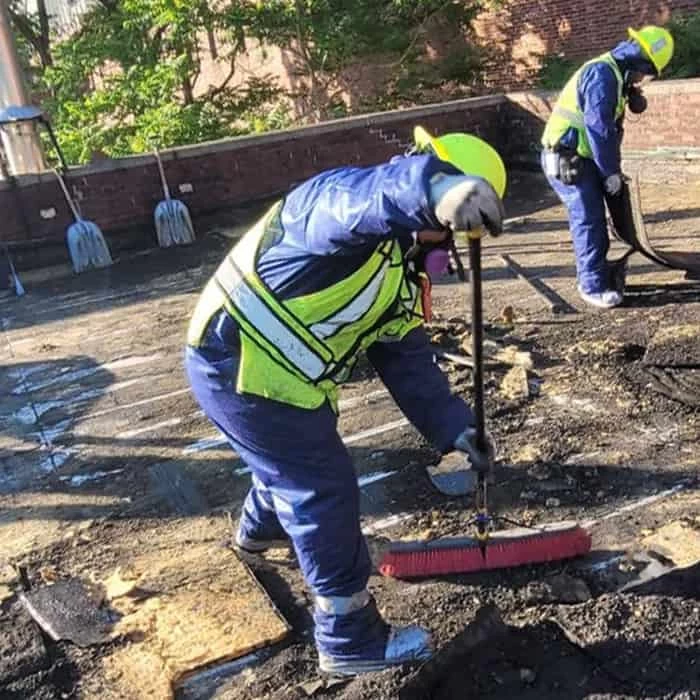
From there, a DEP-Certified Asbestos Investigator conducts the required survey. If asbestos is found and in pre-1940s construction, it usually is abatement happens first. That step produces the ACP-5 certification the NYC Department of Buildings requires before they’ll process a demolition permit. We handle the DOB NOW application, the utility disconnection documentation, and any additional filing requirements. You don’t have to figure out what the Queens DOB office needs. We’ve already done it dozens of times over.
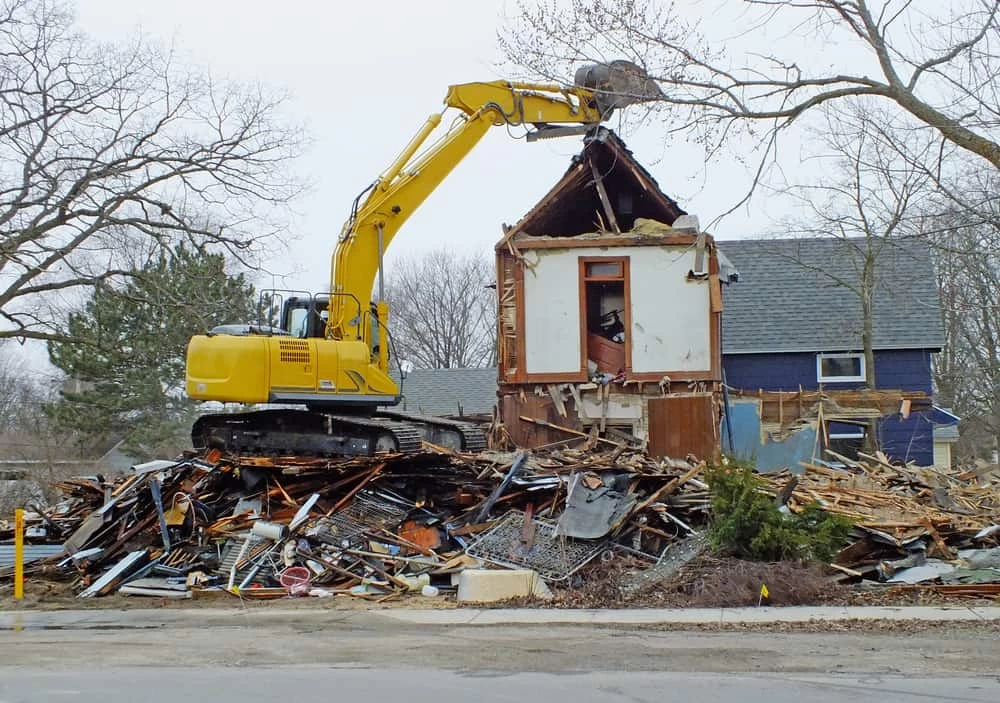
Once permits are issued, the physical work begins. On semi-detached and rowhouse blocks, the teardown is sequenced carefully to protect shared walls and neighboring foundations. Dust containment and debris management are handled throughout. When the site is cleared, you have a clean, documented, fully compliant lot ready for whatever comes next, whether that’s new construction or a sale.
Everything the Job Requires, Without Farming It Out
A full house demolition in Ozone Park isn’t just the physical teardown it’s the asbestos survey, the abatement if needed, the ACP-5 certification, the DOB permit, the utility disconnections, the actual demolition, and the debris removal. We cover every one of those steps. There’s no point where you’re handed off to a subcontractor you’ve never met or left to figure out a permit requirement on your own.
For properties in ZIP codes 11416 and 11417, the regulatory path is consistent: buildings constructed before April 1987 are not exempt from the NYC DEP asbestos requirement, and given that the median construction year in Ozone Park is 1943, that applies to nearly every demolition job in this neighborhood. Lead paint management under EPA RRP rules is also a standard part of the process on pre-1978 structures. These aren’t add-ons they’re legal requirements, and they’re built into how every job we run is handled.
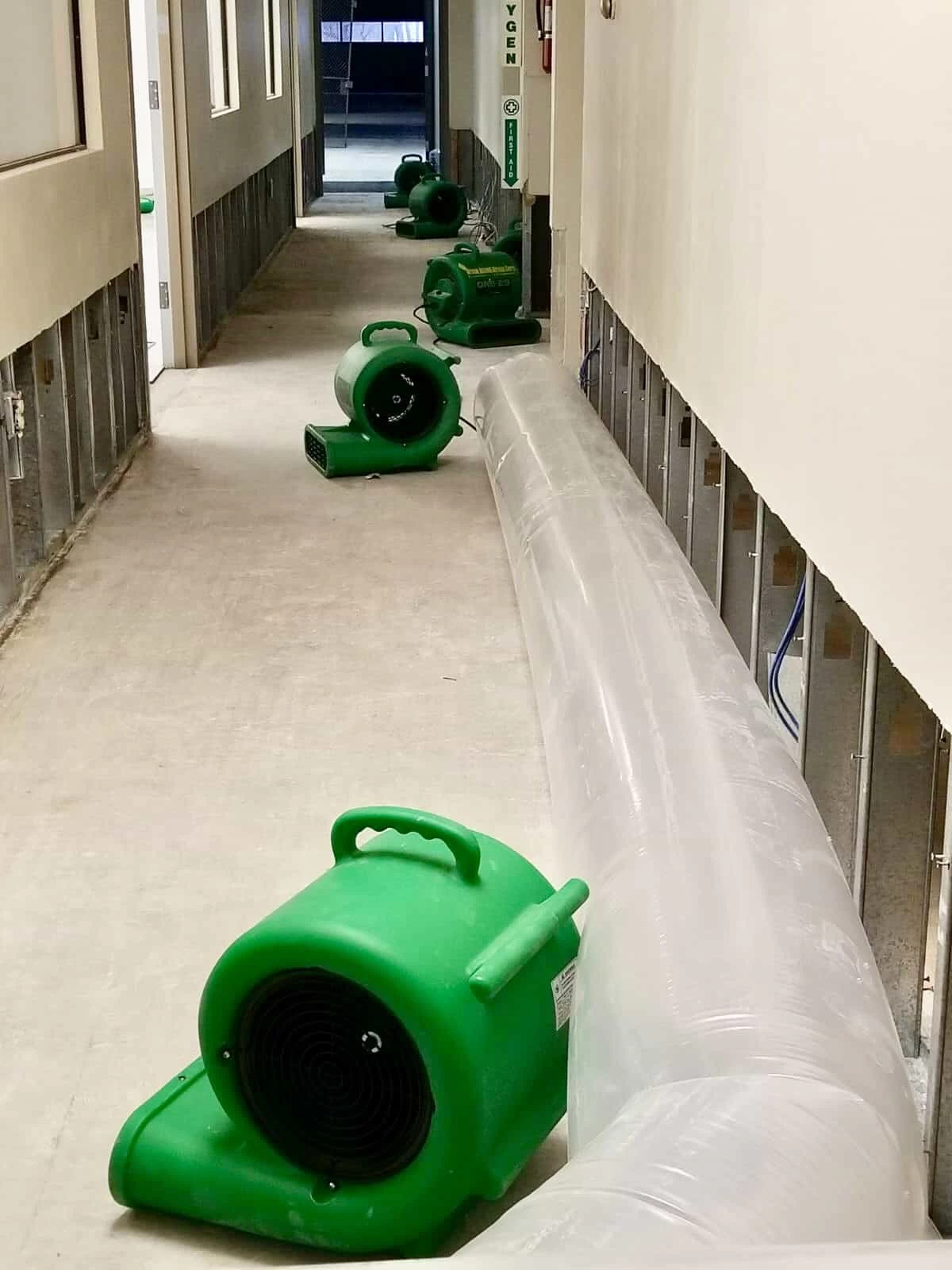
For post-disaster projects fire damage, severe water intrusion, structural failure from a storm we also handle direct insurance billing and help navigate the claims process. In a neighborhood where older homes are more vulnerable to sudden structural compromise, and where southwestern Queens has its own history with storm-related damage, that capability isn’t a niche offering. It’s something a meaningful number of Ozone Park homeowners actually need.
Do I need a permit to demolish a house in Ozone Park, NY?
Yes and in New York City, the permit process is more involved than most people expect. Before the NYC Department of Buildings will issue a demolition permit, you need to submit an ACP-5 form confirming that asbestos has been properly addressed. That form comes from a DEP-Certified Asbestos Investigator, and if asbestos is found, a licensed abatement contractor has to complete the removal before the permit moves forward.
For most Ozone Park properties where the median construction year is 1943 asbestos is a near-certainty somewhere in the structure. The permit application itself is filed through the DOB NOW system, and depending on the scope of the demolition, a licensed Professional Engineer or Registered Architect may need to be involved. Utility disconnection documentation is also required. It’s a multi-step process, but when it’s managed correctly from the start, it doesn’t have to be a long one.
How much does it typically cost to demolish a house in Queens, NY?
The cost of a full house demolition in Queens varies depending on the size of the structure, the scope of hazmat work required, and the specific conditions of the site. For a typical Ozone Park rowhouse or semi-detached home, you’re generally looking at a range that accounts for the asbestos survey, abatement if needed, permit fees, the physical demolition, and debris removal all of which are required steps, not optional line items.
NYC demolition costs are higher than national averages because of the regulatory requirements, the density of the work environment, and labor rates in the metro area. The good news is that with median home values in Ozone Park at $740,000 and rising, demolition costs represent a relatively small share of the overall property value particularly for investors doing a teardown-and-rebuild. The best way to get an accurate number for your specific property is a direct estimate based on a site visit, not a ballpark from a website.
My Ozone Park home was built in the 1920s does it definitely have asbestos?
Not definitively but the odds are high. Asbestos was a standard building material through the mid-20th century, used in insulation, floor tiles, ceiling tiles, pipe wrap, roofing materials, and ductwork. In a 1920s Ozone Park rowhouse, it’s common to find asbestos in multiple locations throughout the structure. The only way to know for certain is a survey conducted by a DEP-Certified Asbestos Investigator.
What’s important to understand is that the survey isn’t optional if you’re planning a demolition in New York City. The NYC DEP requires it, and the DOB won’t process your demolition permit without the ACP-5 certification that comes from that survey. If asbestos is found, it has to be removed by a licensed abatement contractor before demolition begins. We handle both the survey and the abatement in-house, so there’s no gap between those two steps and no separate contractor to coordinate.
How do you demolish a semi-detached home without damaging the neighbor's side?
This is one of the most legitimate concerns for demolition on Ozone Park’s residential blocks, and it’s not one to brush past. Semi-detached homes share a structural wall, and that wall belongs at least in part to the adjacent property. Demolishing your side without a clear plan for how the shared wall is handled can leave your neighbor’s home exposed, structurally compromised, or damaged.
The process starts with a thorough structural assessment before any work begins. The teardown is sequenced specifically to protect the shared wall and the neighboring foundation. Vibration management and dust containment are part of the plan, not afterthoughts. In some cases, the shared wall needs to be reinforced or weatherproofed after your structure is removed. This is work that requires experience on dense urban blocks it’s not the same as demolishing a freestanding house on a suburban lot, and the approach has to reflect that from day one.
What happens to utilities before demolition starts in New York City?
All utilities gas, electric, water, and sewer have to be disconnected and capped before demolition work begins. In New York City, this isn’t something the demolition contractor does unilaterally. It requires coordination with Con Edison for gas and electric, and with the NYC DEP for water and sewer. Documentation of those disconnections is part of what the DOB requires before issuing the demolition permit.
This step is easy to underestimate in terms of lead time. Utility companies have their own scheduling timelines, and delays in disconnection can push back your permit issuance and your overall project start. Getting the utility disconnection process started early as soon as the decision to demolish is made is one of the more practical ways to keep the overall timeline on track. We coordinate this as part of the permit preparation process so it doesn’t become a bottleneck later.
Can a fire-damaged or flood-damaged home in Ozone Park be demolished through insurance?
In many cases, yes. When a home is rendered structurally unsafe or beyond repair due to fire, severe water damage, or storm-related failure, homeowners insurance policies often cover demolition as part of the claim. The key is documentation the insurance company needs a clear record of the damage, an assessment of the structure’s condition, and a scope of work from a licensed contractor before they’ll approve the claim.
We bill insurance companies directly and have experience navigating this process for Ozone Park homeowners. Southwestern Queens has its own history with storm-related structural damage the broader area was significantly affected during Hurricane Sandy, and older homes in this neighborhood are more vulnerable to water intrusion and sudden structural compromise than newer construction. If you’re dealing with a damaged property and aren’t sure whether demolition is covered, the starting point is a site assessment and a conversation with your adjuster. We can be part of that conversation from the beginning, which tends to move the process along faster than handling it separately.