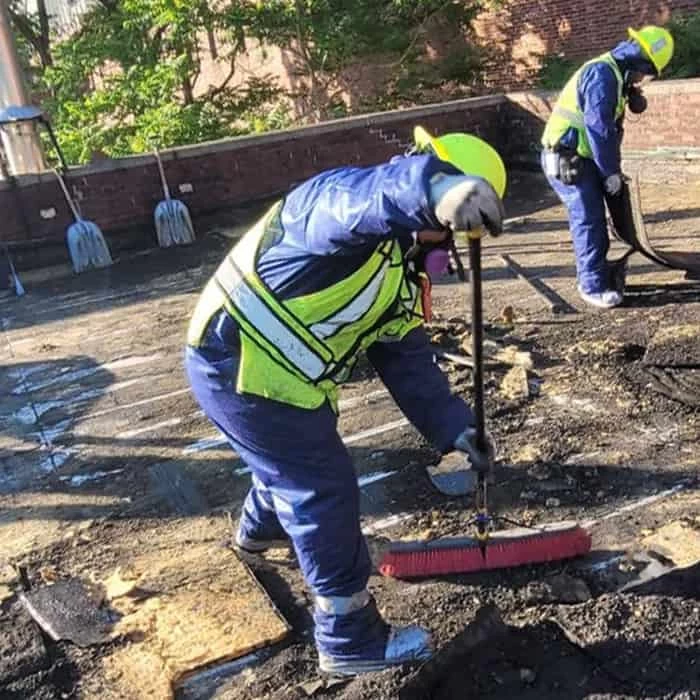
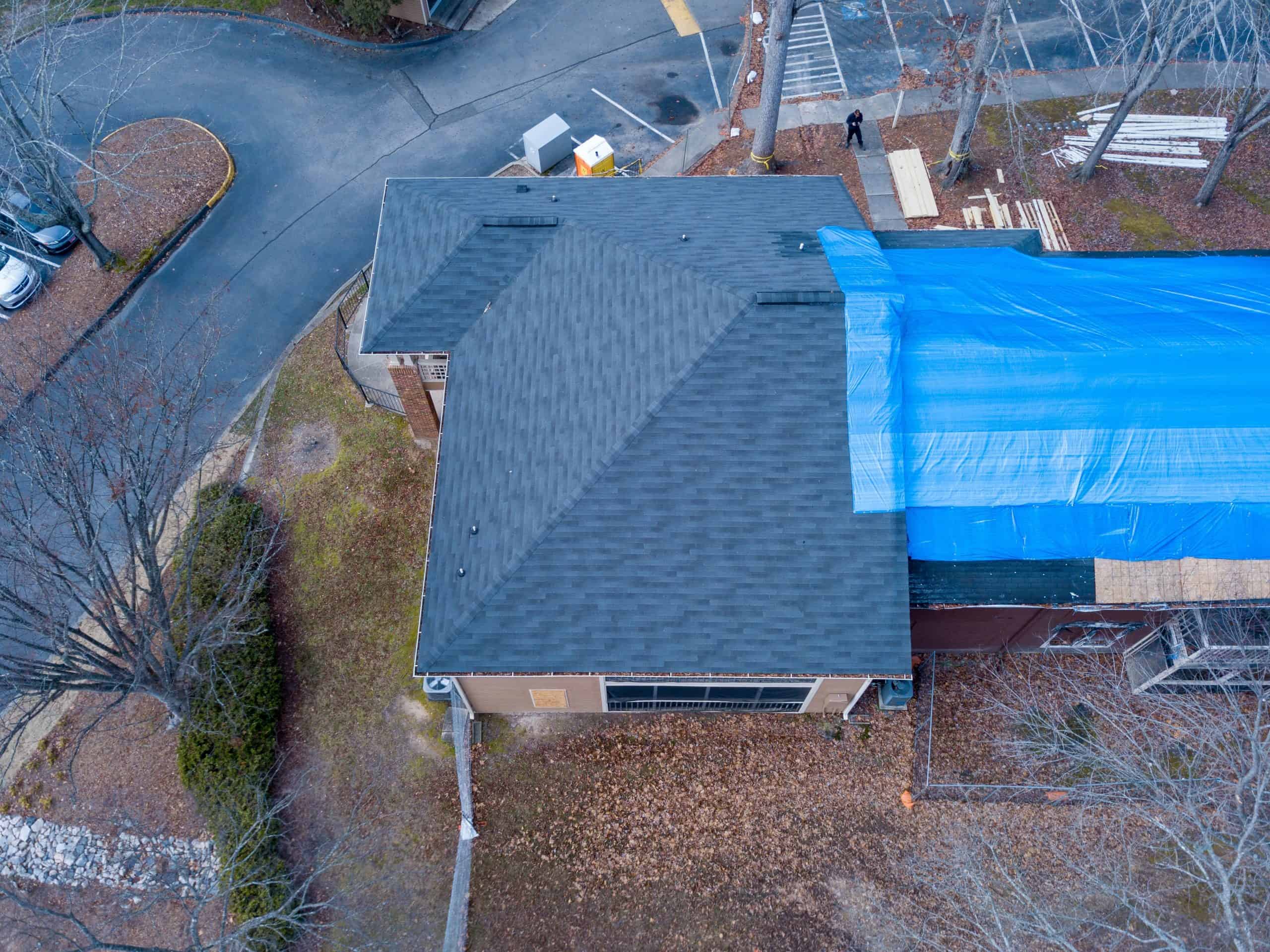
Port Washington North’s village permit requirements, older housing stock, and peninsula access make house demolition more involved than most homeowners expect. We handle every layer, start to finish — from asbestos inspection through final site grading.
I needed a professional consultation explanation of procedure for safe removal of Asbestos in my apartment complex. Without having an account yet, I was very impressed with the caring, knowledgeable and generous advice offered by Jessica, and will look forward to doing business in the future. Thank you so much! I feel much more informed about a sometimes scary endeavor. Peace. Nancy Silva Mineola, NY.
Mia Munoz
Used this company to clean up some water flood in my house. They were fast and easy to work with.very professional, Would recommend to anyone!
Nini Valle
Great company, had a flood and they responded quickly and efficiently. Billed my insurance company directly. I highly recommend this company!
joe colapietro, jr
I had pipe freeze in my basement right before a snow storm and they made to within an hour to help start the clean up process. They we by our side throughout the entire process and even helped with the insurance company. They did such a great job with the cleanup, repair, remidiation, I contracted them to perform the repairs and finishes in the basement. They came with enough manpower and material to get the job done. Leo and Jessica were nothing but a pleasure to deal with!!
Cristian Arredondo c
I had some water damage in my home and Green Island was able to take care of my issue quickly and effectively. I am very pleased with the work they did. They responded quickly and were very professional.
Michael M
Outstanding service! From the office to the field crew everyone was friendly, helpful and responsive. I highly recommend Green Island Group.
What Actually Changes When the Process Is Handled Right
Most homeowners in Port Washington North don’t run into trouble during the demolition itself. The trouble shows up before a single wall comes down — in the permit office, in the asbestos report, or in the discovery of a buried oil tank that nobody knew was there. When you’re working with a contractor who handles all of that under one contract, those surprises stop being your problem.
The village has its own Building Inspector who oversees every demolition permit issued within its limits. That’s a layer of oversight that doesn’t exist in unincorporated Nassau County communities — and it’s one more thing you shouldn’t have to manage on your own. We know how to move through that process without stalling your project or sending you back to square one.
A lot of the homes on the Cow Neck Peninsula were built in the 1930s, 40s, and 50s — which means asbestos-containing materials are common, and New York State requires licensed inspection and abatement before any demolition permit gets issued. That’s not optional, and it’s not something you can hand off to a general demolition crew. When your contractor already holds those certifications in-house, you skip the coordination headache entirely and keep the project moving on your timeline.
House Demolition Contractors Port Washington North
340 Projects In. The Process Is Dialed.
We’ve been doing this work across Nassau County, Suffolk County, and all five boroughs for over 12 years. More than 340 completed demolition projects. We’re not a lead generation website with a Texas phone number and a templated page — we’re an actual company with an actual track record, actively serving Port Washington North and the Greater North Shore right now.
What makes the difference here isn’t just experience — it’s the range of what we handle in-house. Asbestos testing, certified abatement, underground tank removal, permits, demolition, debris removal, and site cleanup all happen under one contract. That matters everywhere, but it especially matters in a village like Port Washington North, where the regulatory layers are real and the margin for error is low.
We hold EPA certification, NYS DOH asbestos licensing, OSHA certification, Nassau County contractor licensing, and NYS and NYC M/WBE certification. These aren’t decorative credentials — they’re what allow the work to get done legally, completely, and without a stop-work order interrupting your project halfway through.
No Guesswork — Here's Exactly How the Project Unfolds
It starts with a site assessment. Before anything else, we evaluate the structure, identify potential hazardous materials, and determine whether underground storage tanks are present. In Port Washington North, where a significant portion of homes predate 1980, this step almost always includes asbestos inspection. That inspection has to happen before the village will issue a demolition permit — so getting it done early keeps the timeline intact.
If asbestos is found, abatement happens next. Our certified abatement crew handles removal and clearance in-house, then submits the documentation needed to move the permit application forward with the Village Building Inspector. While that’s in process, we coordinate equipment logistics — and because Port Washington North sits at the tip of the Cow Neck Peninsula with access limited to local county roads like Middle Neck Road and Shore Road, that planning happens before the first truck is scheduled, not after.
Once the permit is issued and the site is cleared, demolition proceeds. Structural takedown, foundation removal, and debris hauling are all part of the scope. Per village code, any open excavation is backfilled to pre-demolition grade before the project is considered complete. From that point, the site is ready for whatever comes next — whether that’s new construction, a sale, or a full rebuild. If you need help navigating an insurance claim tied to storm or flood damage, that’s part of the conversation too.
Residential Demolition Services Port Washington North
What's Covered When You Work With Us
House demolition in Port Washington North isn’t a single-step job. The full scope typically includes pre-demolition asbestos inspection and abatement, underground oil tank identification and removal, village permit acquisition, structural demolition, foundation removal, debris hauling, and final site grading — all coordinated by one team, not handed off between three separate contractors.
The oil tank piece matters more here than in newer communities. Older Long Island homes, particularly those built before the shift to natural gas heating, frequently have buried tanks that owners don’t even know about. The Village Code specifically addresses underground fuel tank removal as part of demolition compliance. If a tank is found and not properly handled, it creates environmental liability and can halt the entire project. Our environmental remediation background means that scenario gets resolved before it becomes a problem.
For waterfront properties near Manhasset Bay or Hempstead Harbor, there are additional environmental considerations around debris containment and disposal — particularly for structures with lead paint or asbestos materials near the water’s edge. Our EPA certification covers exactly that kind of site. And for homeowners dealing with storm damage after a nor’easter or coastal flooding event, we operate 24 hours a day, 365 days a year, with documented emergency response times on Long Island’s North Shore. When a structure becomes unsafe and you need someone there fast, that availability isn’t a tagline — it’s what actually happens.
Do I need a separate permit to demolish a house in Port Washington North?
Yes — and it’s worth understanding what that actually means here. Port Washington North is an incorporated village, which means it has its own Building Inspector who administers and enforces all demolition-related permits within village limits. This is separate from Nassau County requirements and separate from New York State requirements. You’re dealing with three layers of oversight, not one.
The village permit process requires submitting plans and documentation to the Village Building Inspector at Village Hall on Pleasant Avenue. If asbestos-containing materials are present — which is likely in homes built before 1980, and most of the housing stock on the Cow Neck Peninsula qualifies — you’ll need a licensed asbestos inspection report and abatement clearance before the permit moves forward. We handle both the environmental side and the permit coordination in-house, which is the most reliable way to avoid delays at this stage.
How much does house demolition typically cost in Port Washington North, NY?
Nationally, full house demolition averages somewhere between $6,000 and $25,000, with most homeowners landing around $15,000 for a standard 2,000 square foot structure. In the New York metro market — and specifically in Nassau County — you should expect that number to run 20 to 30 percent higher once you factor in permit fees, licensed asbestos abatement, and the regulatory requirements that come with working in an incorporated village.
For Port Washington North specifically, additional cost factors include the peninsula’s limited road access, which affects equipment logistics and scheduling, and the likelihood of underground oil tank removal given the age of the local housing stock. Foundation type also plays a role — the glacial moraine terrain here means some properties have full basements while others have slab or crawl space foundations, and removal costs vary accordingly. The most accurate way to understand your project’s cost is a site-specific assessment, not a ballpark from a website.
Does my older Port Washington North home likely contain asbestos before demolition?
If your home was built before 1980, the honest answer is probably yes — at least in some materials. Asbestos was commonly used in pipe insulation, floor tiles, ceiling tiles, roofing materials, joint compound, and exterior siding throughout the mid-20th century. Given that a significant portion of Port Washington North’s housing stock dates from the 1920s through the 1960s, the odds of finding some asbestos-containing materials are high.
New York State’s Industrial Code Rule 56 requires a licensed asbestos inspection before any demolition permit is issued for buildings that may contain these materials. If asbestos is found, licensed abatement must be completed and documented before demolition can legally begin. This isn’t something that can be skipped or worked around — the state’s Asbestos Control Bureau performs inspections and can issue stop-work orders for violations. We hold all nine NYS DOH asbestos license types and handle inspection, abatement, and clearance documentation in-house, so this step doesn’t stall your project.
What happens to an underground oil tank discovered during a Port Washington North demolition?
This comes up more often than most homeowners expect, especially in Port Washington North where many homes were built during the era of oil-fired heating systems. Buried tanks were common, and when a property changes hands or a demolition is planned, they sometimes surface for the first time — literally and figuratively.
Port Washington North’s Village Code specifically addresses underground fuel tank removal as part of demolition compliance, so this isn’t something you can defer or ignore. An improperly decommissioned tank creates real environmental liability: if the tank has leaked, surrounding soil may require remediation before new construction can begin. Our environmental remediation background includes underground storage tank identification and removal. The process involves locating the tank, safely extracting it, testing the surrounding soil, and documenting everything for village compliance. Catching this early — during the pre-demolition assessment rather than mid-project — keeps the timeline and budget from going sideways.
Can I demolish a waterfront home near Manhasset Bay or Hempstead Harbor?
Yes, but waterfront demolition in Port Washington North comes with additional considerations that inland properties don’t face. Properties along Manhasset Bay or Hempstead Harbor may be subject to environmental sensitivity requirements around debris containment and disposal — particularly when the structure contains lead paint, asbestos, or other hazardous materials that could affect water quality if not properly managed.
Depending on the property’s proximity to the shoreline, you may also need to coordinate with agencies beyond the Village Building Inspector — including the New York State Department of Environmental Conservation. A contractor with EPA certification and environmental remediation experience is better equipped to navigate that process than a standard demolition crew. The former sand mining corridor along West Shore Road and the Hempstead Harbor shoreline is also worth noting — properties near historically industrial areas may warrant a Phase I environmental assessment before demolition and new construction begin. These aren’t reasons to avoid the project; they’re reasons to work with a contractor who knows how to handle them.
How long does the full demolition process take from start to finish in Port Washington North?
The physical demolition of a standard residential structure typically takes one to three days once the crew is on-site. The timeline that actually matters — from your first call to a cleared, inspection-ready lot — is longer, and it’s driven almost entirely by the pre-demolition regulatory steps.
In Port Washington North, that sequence includes asbestos inspection, abatement if needed, abatement clearance documentation, and village permit approval before any structural work begins. Realistically, you’re looking at three to six weeks from initial assessment to demolition start, depending on how quickly the asbestos inspection is completed, how the permit application moves through the Village Building Inspector’s office, and whether any additional issues like underground tanks or environmental review are involved. Homeowners who want to break ground on new construction by summer typically do well to initiate the demolition process in late winter or early spring — the permit and abatement timeline doesn’t compress much, so starting early is the most reliable way to hit your target date.