When the Ocean Already Decided We Handle What's Left
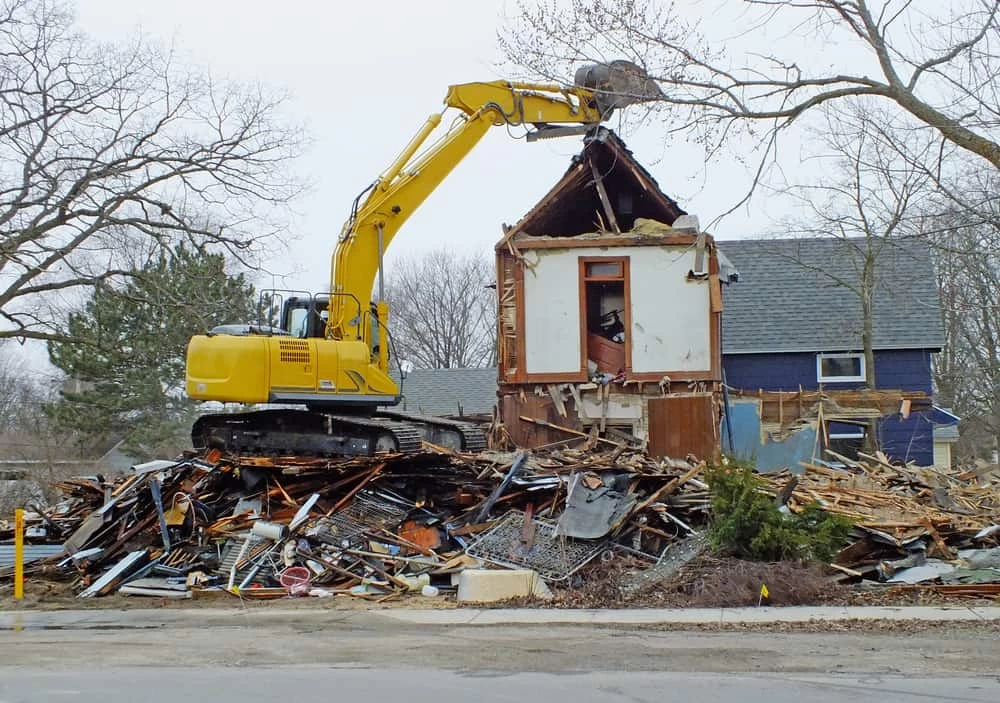
If your home on the peninsula has been holding on since Sandy, or the last nor’easter finally pushed it past the point of repair, house demolition in Rockaway Beach comes with layers most contractors aren’t equipped to handle. We are.
I needed a professional consultation explanation of procedure for safe removal of Asbestos in my apartment complex. Without having an account yet, I was very impressed with the caring, knowledgeable and generous advice offered by Jessica, and will look forward to doing business in the future. Thank you so much! I feel much more informed about a sometimes scary endeavor. Peace. Nancy Silva Mineola, NY.
Mia Munoz
Used this company to clean up some water flood in my house. They were fast and easy to work with.very professional, Would recommend to anyone!
Nini Valle
Great company, had a flood and they responded quickly and efficiently. Billed my insurance company directly. I highly recommend this company!
joe colapietro, jr
I had pipe freeze in my basement right before a snow storm and they made to within an hour to help start the clean up process. They we by our side throughout the entire process and even helped with the insurance company. They did such a great job with the cleanup, repair, remidiation, I contracted them to perform the repairs and finishes in the basement. They came with enough manpower and material to get the job done. Leo and Jessica were nothing but a pleasure to deal with!!
Cristian Arredondo c
I had some water damage in my home and Green Island was able to take care of my issue quickly and effectively. I am very pleased with the work they did. They responded quickly and were very professional.
Michael M
Outstanding service! From the office to the field crew everyone was friendly, helpful and responsive. I highly recommend Green Island Group.
Demolishing a home on the Rockaway Peninsula isn’t just a teardown. It’s a regulatory process that involves NYC DOB permits, a mandatory asbestos survey under NYS DOL Industrial Code Rule 56, flood zone documentation, and utility disconnection coordination all before a single wall comes down. When you hire a contractor who handles all of that in-house, the project moves. When you hire one who doesn’t, you spend your time chasing subcontractors and waiting on paperwork.
Most homes in Rockaway Beach were built around 1963 or earlier. That means asbestos-containing materials in floor tiles, pipe insulation, joint compound, and roofing are not a remote possibility they’re the norm. And because the neighborhood sits in a FEMA Special Flood Hazard Area, any rebuild that follows demolition has to meet strict elevation requirements. Getting the demolition done right sets up your rebuild correctly from day one, so you’re not hit with a stop-work order three months in.
What you’re left with after the job is a fully cleared, permit-closed site debris hauled, utilities capped, documentation in hand, and a clean foundation for whatever comes next. Whether you’re rebuilding elevated, selling the lot, or finally closing the chapter on a storm-damaged property that’s been sitting too long, that outcome is what matters.
Green Island Group is a licensed environmental and demolition contractor serving Queens and all five boroughs. We’ve been operating for over 12 years, completed more than 5,000 projects across New York State, and we hold active certifications for asbestos abatement, lead-safe work practices, and full demolition not as separate subcontracted pieces, but under one roof.
We’ve worked extensively on the Rockaway Peninsula. We know what it takes to get equipment across the Cross Bay Veterans Memorial Bridge, navigate the tight residential blocks between Rockaway Beach Boulevard and the oceanfront, and keep a project on schedule when beach season traffic and permit timelines are both working against you. That familiarity isn’t something you can fake. We’ve handled post-Sandy insurance claims, FEMA flood zone compliance, and mandatory hazmat surveys on aging coastal homes throughout Rockaway Beach.
Owner Leo Torres is personally involved in every project. When you call, you’re not going through a call center or a franchise dispatch. You’re talking to a contractor who has dealt with the specific challenges that Rockaway Beach properties face and who can walk you through exactly what your project involves before you commit to anything.
It starts with a site assessment. We come out, look at the structure, and give you a clear picture of what the project involves scope, timeline, what permits are required, and whether any hazardous materials need to be addressed before demolition can legally begin. In Rockaway Beach, that last part almost always applies. With a housing stock that’s predominantly pre-1978, a certified asbestos inspection is required by law before any demolition proceeds. We handle that inspection in-house.
If asbestos or lead-containing materials are found and in this neighborhood, they usually are we perform the certified abatement before the demolition crew moves in. This isn’t a delay. It’s the legal sequence, and having one contractor manage both phases means no scheduling gaps, no finger-pointing between separate companies, and no surprises on your timeline.
Once the site is cleared for demolition, we pull the NYC DOB permit, coordinate utility disconnections with Con Edison and NYC DEP, and execute the teardown. For properties in FEMA flood zones which covers most of Rockaway Beach we also handle the flood zone compliance documentation that the DOB requires before issuing permits for reconstruction. When the work is done, debris is removed, the site is graded, and you receive full permit closeout documentation. Clean site, closed permits, ready for what’s next.
Building Demolition Services Rockaway Beach Queens
Everything the Job Requires Not Just the Wrecking Crew
A lot of demolition contractors will show up with equipment and a price. What they won’t tell you upfront is that they don’t handle asbestos, they don’t pull NYC DOB permits themselves, and they’ve never dealt with a FEMA VE or AE zone compliance requirement. In Rockaway Beach, that gap becomes your problem fast.
We handle the full scope: pre-demolition asbestos survey and certified abatement, lead-safe work practices for pre-1978 structures, NYC DOB permit filing and management, utility disconnection coordination, full or selective structural demolition, debris removal, and site clearance. For properties near the oceanfront where VE zone designations apply meaning high-velocity wave action zones along the Atlantic side of the peninsula we also coordinate with engineers on Base Flood Elevation documentation so your rebuild starts from a compliant foundation. If your project involves an active insurance claim, whether through the National Flood Insurance Program or a private carrier, we work directly with adjusters and bill insurers directly where applicable.
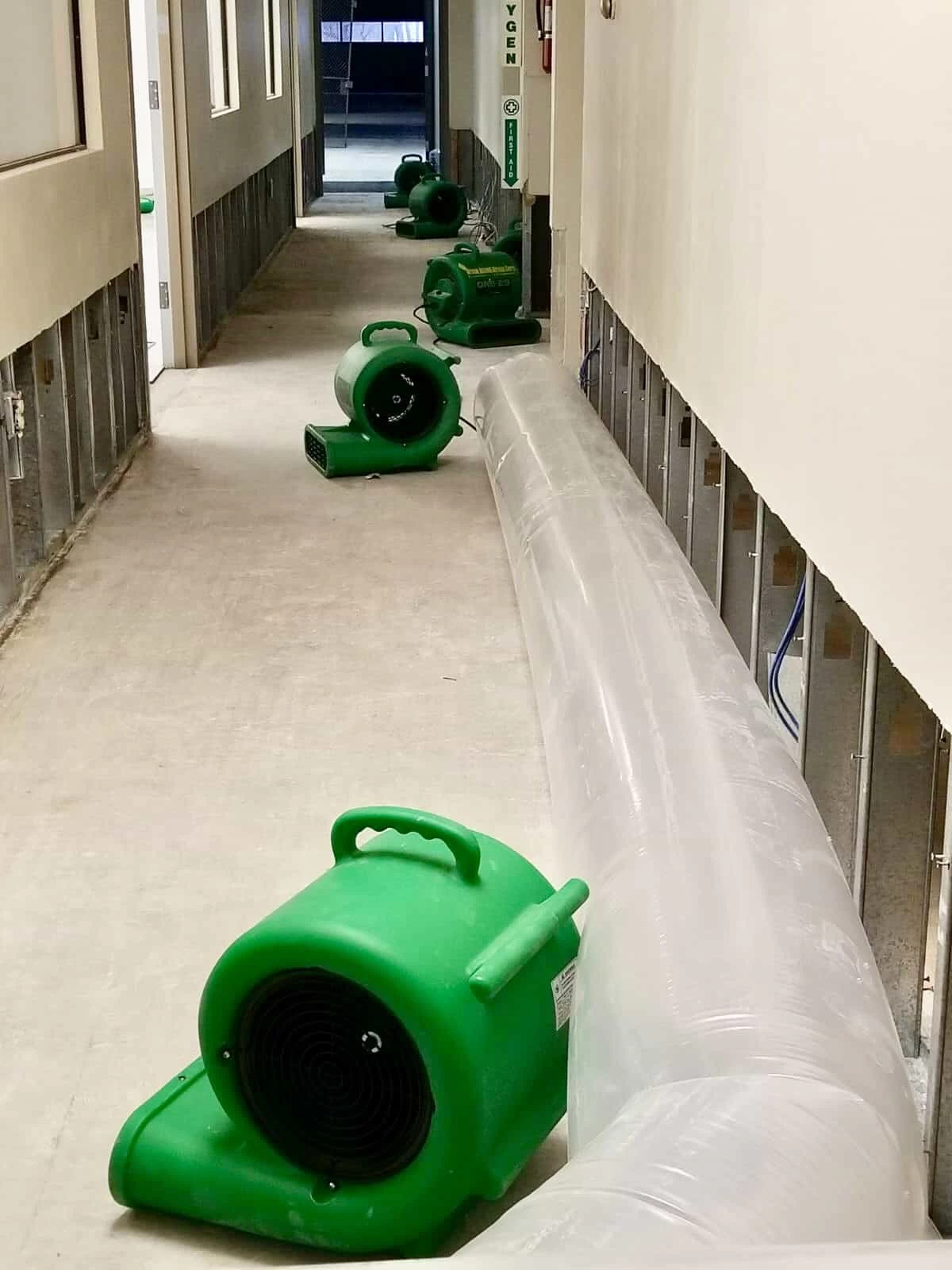
We also handle selective interior demolition for homeowners who don’t need a full teardown situations where flood damage, mold infiltration, or structural compromise is isolated to specific sections of the home. Given how many Rockaway Beach properties experienced Sandy-related water intrusion that was never fully remediated, this is more common than you’d expect. Whatever the scope, the process is the same: assessed properly, permitted correctly, and executed cleanly.
Do I need a permit to demolish my house in Rockaway Beach, NY?
Yes and in New York City, the permit process for demolition is more involved than most homeowners expect. You need a NYC Department of Buildings demolition permit, which requires a formal application through DOB NOW along with plan submissions that cover dust suppression, equipment specifications, and egress documentation. Performing demolition without this permit results in an immediate Stop Work Order and fines starting at $2,500 for a first offense, with steeper penalties for repeat violations.
In Rockaway Beach specifically, there’s an additional layer. Because most of the neighborhood falls within a FEMA Special Flood Hazard Area, the DOB also requires flood zone compliance documentation before issuing permits for any reconstruction that follows demolition. If your property has been designated as substantially damaged meaning repairs would cost 50% or more of the structure’s pre-damage market value you may be required to bring the entire structure into current floodplain compliance before any work is permitted. That often makes full demolition and elevated rebuild the only viable path forward. We manage the entire permit process so you’re not navigating it alone.
Does every home in Rockaway Beach need an asbestos inspection before demolition?
Under NYS DOL Industrial Code Rule 56, yes every building in New York State must be surveyed for asbestos-containing materials by a certified asbestos inspector before demolition begins. There are no age-based exemptions. Even if you’re confident there’s no asbestos, the survey is legally required, and demolition cannot proceed without it.
In Rockaway Beach, the practical reality is that the vast majority of homes will test positive for at least some asbestos-containing materials. The median construction year for homes in the neighborhood is 1963, and nearly 30% of the housing stock was built before 1950. During that era, asbestos was used in floor tiles, pipe insulation, roofing shingles, joint compound, and ceiling textures materials that are present in most homes of that age. If the survey finds asbestos, a licensed abatement contractor must remove it before the demolition crew can move in. We are both the certified inspector and the licensed abatement contractor, so there’s no handoff delay between those two phases. One company, one timeline.
My home was damaged by Sandy can I still get it demolished more than a decade later?
Yes, and you’re not alone in this situation. Post-Sandy demolition projects are still active on the Rockaway Peninsula as recently as 2025. Some properties have been in limbo for years partially repaired, sold to investors who ran out of funds, or simply sitting while owners weighed their options. The NYC Department of Buildings has continued to issue demolition orders on Sandy-damaged structures that remain structurally compromised or non-compliant.
If your property was damaged during Sandy and hasn’t been fully repaired to code, it’s likely been flagged at some point by the DOB or your insurance carrier. The first step is understanding where the property stands whether there are open violations, active insurance claims, or FEMA flood zone compliance requirements attached to it. We’ve worked through all of these scenarios on the peninsula. We can assess the property, identify what permits and compliance steps are required, and give you a realistic picture of what the demolition project involves before you commit to anything. The fact that it’s been years doesn’t complicate the process it just means there may be more documentation to gather upfront.
Will my homeowner's or flood insurance cover the cost of demolition in Rockaway Beach?
It depends on the policy and the cause of the damage, but in many cases, yes at least partially. Homeowner’s insurance policies that include dwelling coverage will often cover demolition costs when a structure has been damaged by a covered event like a fire, storm, or structural collapse. National Flood Insurance Program (NFIP) policies, which are common in Rockaway Beach given the neighborhood’s FEMA flood zone designations, can cover debris removal and in some cases demolition costs tied to flood damage but the specific coverage depends on your policy terms and how the claim was filed.
The more important issue is documentation. Insurance carriers and NFIP adjusters require detailed scope-of-work estimates, permits, and evidence of code compliance before they’ll process demolition-related claims. Contractors who aren’t familiar with the insurance claims process can create gaps in documentation that delay or reduce your payout. We work directly with insurance carriers and bill them directly where applicable. We’ve handled NFIP claims, private flood claims, and homeowner’s insurance claims on the Rockaway Peninsula we know what adjusters need and how to provide it correctly.
What's the difference between full demolition and selective demolition for a Rockaway Beach home?
Full demolition means the entire structure comes down walls, framing, foundation work if needed and the site is cleared completely. Selective demolition means targeting specific sections of the structure while preserving the rest. It’s more surgical and is typically used when flood damage, mold, or structural compromise is isolated to certain areas of the home rather than affecting the whole building.
In Rockaway Beach, selective demolition comes up frequently because of how Sandy-related water damage spread through homes. A lot of properties experienced flooding that saturated the lower levels, subfloor systems, and wall cavities but left upper floors and structural framing intact. In those cases, a full teardown isn’t always necessary. We assess the extent of the damage, identify what can be remediated versus what needs to come out, and give you an honest recommendation. Sometimes selective demolition followed by targeted mold remediation is the right call. Sometimes the damage is too widespread and a full teardown is the more cost-effective path. That assessment is part of what we do before any work begins, so you’re making a decision based on real information rather than a contractor’s preference.
How long does house demolition typically take in Rockaway Beach, NY?
The demolition itself the physical teardown typically takes one to three days for a standard residential structure, depending on size and site conditions. But the full project timeline, from first call to cleared site, runs longer because of the required steps that come before and after the physical work.
The pre-demolition phase in Rockaway Beach almost always includes a certified asbestos survey, which takes a few days to complete and return lab results. If abatement is required, that adds time depending on the scope. NYC DOB permit processing adds additional time typically one to three weeks depending on the complexity of the submission and current DOB workload. For properties in FEMA flood zones, flood compliance documentation needs to be in order before the permit is issued. Utility disconnection coordination with Con Edison and NYC DEP also needs to happen before work begins. Realistically, a complete house demolition project in Rockaway Beach from initial assessment through permit closeout runs four to eight weeks when all phases are accounted for. Projects that involve active insurance claims or open DOB violations may take longer depending on how quickly those are resolved. We give you a realistic timeline upfront so you’re not caught off guard.