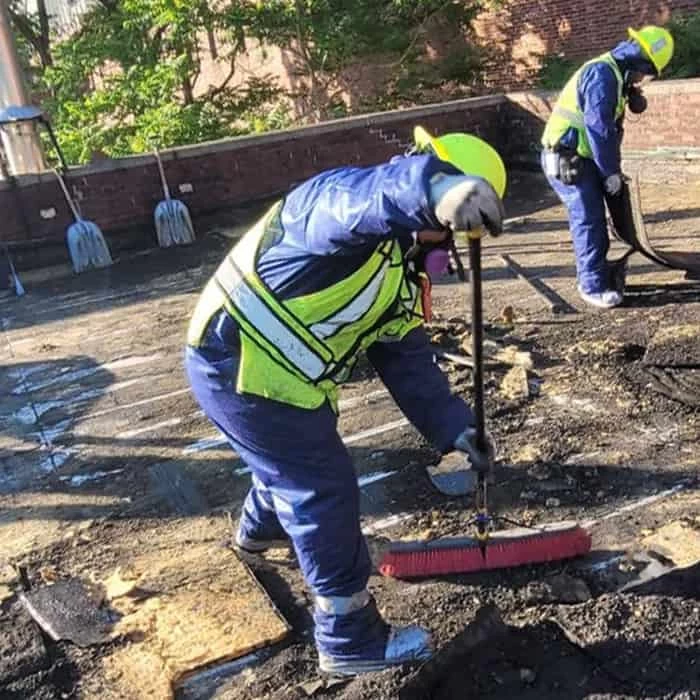
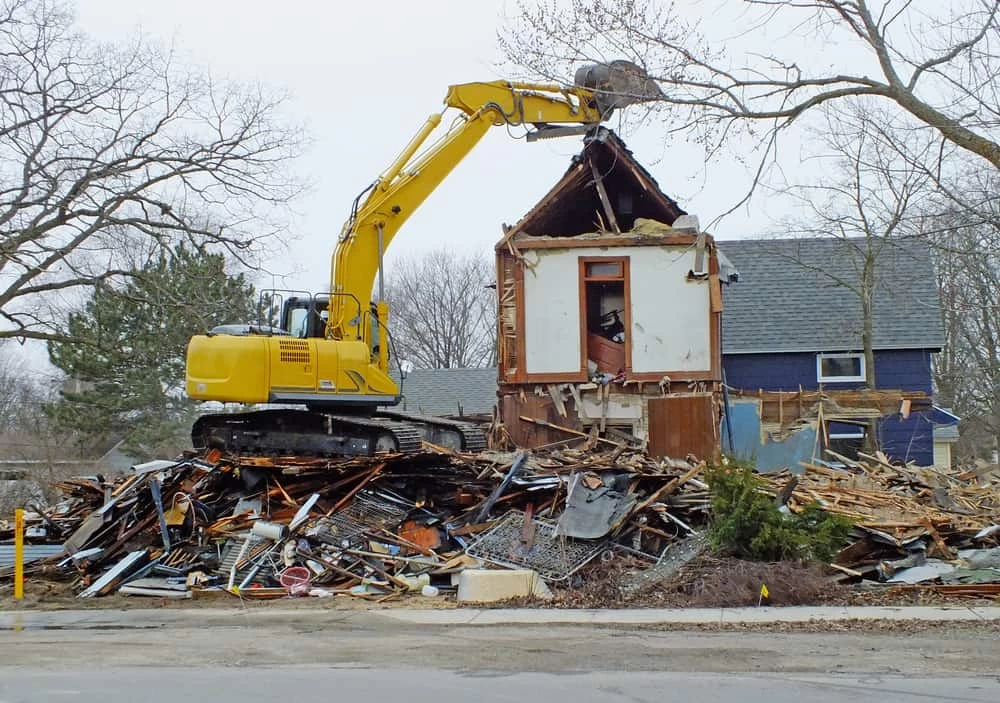
Green Island Group handles house demolition in Rockaway Point from the mandatory asbestos survey to the final site clearance one contractor, no handoffs, no surprises.
I needed a professional consultation explanation of procedure for safe removal of Asbestos in my apartment complex. Without having an account yet, I was very impressed with the caring, knowledgeable and generous advice offered by Jessica, and will look forward to doing business in the future. Thank you so much! I feel much more informed about a sometimes scary endeavor. Peace. Nancy Silva Mineola, NY.
Mia Munoz
Used this company to clean up some water flood in my house. They were fast and easy to work with.very professional, Would recommend to anyone!
Nini Valle
Great company, had a flood and they responded quickly and efficiently. Billed my insurance company directly. I highly recommend this company!
joe colapietro, jr
I had pipe freeze in my basement right before a snow storm and they made to within an hour to help start the clean up process. They we by our side throughout the entire process and even helped with the insurance company. They did such a great job with the cleanup, repair, remidiation, I contracted them to perform the repairs and finishes in the basement. They came with enough manpower and material to get the job done. Leo and Jessica were nothing but a pleasure to deal with!!
Cristian Arredondo c
I had some water damage in my home and Green Island was able to take care of my issue quickly and effectively. I am very pleased with the work they did. They responded quickly and were very professional.
Michael M
Outstanding service! From the office to the field crew everyone was friendly, helpful and responsive. I highly recommend Green Island Group.
Rockaway Point is not a typical Queens neighborhood. The homes here are older, the flood exposure is real, and the rules around what you can and can’t do before a structure comes down are not optional. When a demolition is handled correctly, you end up with a clean, permit-closed site that’s ready for whatever comes next whether that’s a new elevated build, an insurance payout, or simply peace of mind after years of watching a damaged structure sit.
For homeowners in the Breezy Point Cooperative, that process carries a layer of complexity that most contractors aren’t prepared for. The housing stock here is predominantly pre-1978 wood-frame bungalows which means a certified asbestos survey isn’t a suggestion, it’s the law. Skip it, and you’re looking at serious fines and a stop-work order before the first wall comes down. Get it done properly, and the rest of the project moves on a clear timeline.
The other reality here is the flood zone. The entire peninsula sits in a FEMA Special Flood Hazard Area. If your home sustained damage above the 50% threshold something a lot of Rockaway Point homeowners have been navigating since Sandy you’re not just dealing with a demolition. You’re dealing with a FEMA substantial damage determination, NYC DOB permits, and a rebuilding process that has to meet current floodplain standards. That’s a lot to manage. Having one contractor who understands all of it makes a real difference.
12 Years, 5,000 Projects, and We Know This Peninsula
We’ve been doing demolition and environmental work across New York City and Long Island for over 12 years. More than 5,000 completed projects. That’s not a number we throw around lightly it means we’ve handled the full range of what this market throws at a contractor, including the post-Sandy rebuilding cycle that reshaped communities like Rockaway Point from the ground up.
We’re based in Bohemia, NY, and we serve all five boroughs Queens included. We know what the NYC Department of Buildings requires for a demolition permit in this jurisdiction. We know what the NYC DEP needs before asbestos abatement begins. And we know that working in a gated cooperative like Breezy Point means showing up professionally, coordinating with management, and treating the community with the respect it deserves.
Owner Leo runs this operation personally. When you call, you’re not getting a call center. You’re getting someone who has been on job sites in Rockaway Point and knows exactly what needs to happen next.
From First Call to Cleared Site Here's What Happens in Rockaway Point
It starts with an assessment. We come out, look at the structure, and give you a straight answer about what the project involves including whether hazardous materials are present, what the permit requirements look like for your specific property, and what a realistic timeline is. For homes in Rockaway Point, that assessment almost always includes a discussion about asbestos, because the age of the housing stock here makes it the rule, not the exception.
From there, we file for the required NYC DOB demolition permit and handle the mandatory notification to the NYC Department of Environmental Protection before any abatement work begins. If asbestos or other hazardous materials are confirmed, we handle that in-house no subcontracting, no scheduling gaps between the hazmat crew and the demo crew. Once the site is clear of hazardous materials and the permits are active, the structural demolition proceeds. Debris is removed and disposed of properly, utilities are coordinated, and the site is left clean.
If your project is insurance-driven which describes a significant portion of demolition work in Rockaway Point we bill the carrier directly and work alongside you through the claims process. We’ve done this enough times to know how to keep it moving without putting the burden back on you.
House demolition in Rockaway Point isn’t just about knocking a structure down. It’s about doing it in a way that satisfies the NYC DOB, the NYC DEP, New York State Department of Labor requirements for asbestos, and in many cases FEMA’s floodplain compliance rules. Every one of those layers has a real consequence if it’s missed, and every one of them is something we handle directly.
What that looks like in practice: a certified asbestos inspection before work begins, proper containment and disposal if asbestos is found, full demolition permit filing with the NYC DOB, debris removal and site clearance, and coordination of utility disconnections ahead of the teardown. For properties in the Breezy Point Cooperative, we also account for the gate access requirements and cooperative management coordination that come with working in a private community.
Mold remediation is available as part of the same scope when needed and in Rockaway Point, where flood-damaged structures have sometimes sat for extended periods, it often is. If your home was affected by Sandy or a subsequent storm and was never properly dried out, there’s a real chance mold is part of the picture. We assess that upfront so there are no surprises mid-project.
Do I need a permit to demolish my house in Rockaway Point, NY?
Yes and in Rockaway Point specifically, the permitting process runs through the NYC Department of Buildings, not a county building department. That’s a different system than what applies in Nassau or Suffolk County, and it matters because the DOB has its own filing requirements, fee structures, and inspection protocols. Permit fees are calculated based on your property’s street frontage, number of stories, and a per-square-foot formula, with a minimum of $250 though for most full demolitions, the total cost runs higher when you factor in the asbestos notification requirement to the NYC DEP.
Beyond the city permit, if your property is in the Breezy Point Cooperative which all of Rockaway Point is you’ll also need to coordinate with cooperative management before work begins. That’s not a city requirement, but it’s a real operational requirement that affects scheduling and site access. A contractor who hasn’t worked in a gated cooperative before may not account for this, and that can cause delays. We handle that coordination as part of the project.
Is an asbestos survey required before demolishing an older home in Rockaway Point?
Under New York State Department of Labor Industrial Code Rule 56, a certified asbestos survey is legally required before any demolition or renovation that disturbs building materials regardless of the structure’s age. In Rockaway Point, where the majority of homes were originally built as early 20th-century bungalows, the presence of asbestos in floor tiles, pipe insulation, roofing materials, or wall insulation is common enough that you should assume it’s there until a certified inspector confirms otherwise.
The survey has to be conducted by an NYS DOL-certified inspector. If asbestos is found, abatement must be completed before demolition begins, and the NYC DEP must be notified at least seven days before abatement work starts. Skipping this step doesn’t save time it creates stop-work orders, fines, and liability. We’re a certified asbestos abatement contractor, so the survey, the abatement, and the demolition all happen under one roof without gaps in the schedule.
How does a FEMA flood zone designation affect house demolition and rebuilding in Rockaway Point?
The entire Rockaway Peninsula, including Rockaway Point, sits in a FEMA Special Flood Hazard Area. When a home in that zone sustains damage exceeding 50% of its pre-damage market value a threshold known as a substantial damage determination the owner is required to bring the structure into compliance with current floodplain management regulations before it can be rebuilt. In most cases, that means full demolition of the existing structure and construction of a new, elevated home that meets current base flood elevation requirements.
This is a process a lot of Rockaway Point homeowners have navigated since Hurricane Sandy, and it’s not simple. The substantial damage determination comes from the local floodplain administrator, the demolition requires a NYC DOB permit, and the new construction has to satisfy elevation certificate requirements before a certificate of occupancy is issued. If you’re in this situation, the most important thing you can do is work with a contractor who understands the full sequence not just the demo portion so nothing gets done out of order and your rebuild isn’t delayed by a compliance issue that should have been addressed upfront.
How much does house demolition typically cost in Rockaway Point, NY?
Nationally, house demolition runs between $6,000 and $25,000 for most residential structures, with the average landing around $15,000 for a 2,000-square-foot home. In Rockaway Point, you should expect the total project cost to sit toward the higher end of that range and in some cases above it. The reasons are specific to this location: NYC DOB permit fees alone can run between $10,000 and $12,000 depending on the property, asbestos survey and abatement adds cost if hazardous materials are present, and the logistical reality of working in a gated, water-surrounded community with one road in and one road out adds operational complexity that affects pricing.
That said, the cost of doing it wrong is significantly higher. Asbestos violations carry fines of up to $43,000 per violation per day. A stop-work order from the DOB can stall a project for weeks. And if you’re working against an insurance claim timeline, delays cost money in ways that aren’t always obvious upfront. A transparent, itemized estimate from a contractor who knows what’s actually involved is worth more than a low number that doesn’t account for what Rockaway Point specifically requires.
Can Green Island Group handle demolition if my home was damaged by a storm or fire in Rockaway Point?
Yes, and this is a significant portion of the work we do in coastal Queens communities like Rockaway Point. Storm-damaged and fire-damaged demolition projects have a different profile than planned teardowns the structure may be structurally compromised, there may be mold present from prolonged water exposure, and the project is often tied to an active insurance claim that has its own timeline and documentation requirements.
We operate 24 hours a day, seven days a week. When a storm clears and you need an assessment quickly, we’re available. We also bill insurance carriers directly and work alongside homeowners through the claims process, which matters in a community like Rockaway Point where a large percentage of demolition projects are insurance-driven. We assess the full scope upfront including mold, asbestos, and structural safety so you know exactly what you’re dealing with before any work begins.
What should I know about hiring a demolition contractor to work inside the Breezy Point Cooperative?
The Breezy Point Cooperative is a private, gated community, and that changes how contractor access works. Crews and equipment can’t simply show up access has to be coordinated through cooperative management, and contractors need to be approved before they can enter. This is a layer of logistics that contractors unfamiliar with the community often underestimate, and it can cause real scheduling problems if it’s not handled upfront.
Beyond access, the cooperative has community-wide expectations around how work is conducted noise, debris management, working hours, and how the site is maintained during the project. These aren’t bureaucratic hurdles; they exist because the community is tightly packed and residents live close to one another. Working within those expectations is part of doing the job professionally here. We understand this environment, account for cooperative coordination as part of our project planning, and show up in a way that reflects well on the homeowner who hired us not just on us.