RVC's Pre-War Homes Deserve More Than a Wrecking Ball
Most houses in Rockville Centre were built before 1940 — and tearing one down the wrong way creates legal, financial, and safety problems that follow you for years. We handle every piece of it, from asbestos testing to the final permit sign-off.
I needed a professional consultation explanation of procedure for safe removal of Asbestos in my apartment complex. Without having an account yet, I was very impressed with the caring, knowledgeable and generous advice offered by Jessica, and will look forward to doing business in the future. Thank you so much! I feel much more informed about a sometimes scary endeavor. Peace. Nancy Silva Mineola, NY.
Mia Munoz
Used this company to clean up some water flood in my house. They were fast and easy to work with.very professional, Would recommend to anyone!
Nini Valle
Great company, had a flood and they responded quickly and efficiently. Billed my insurance company directly. I highly recommend this company!
joe colapietro, jr
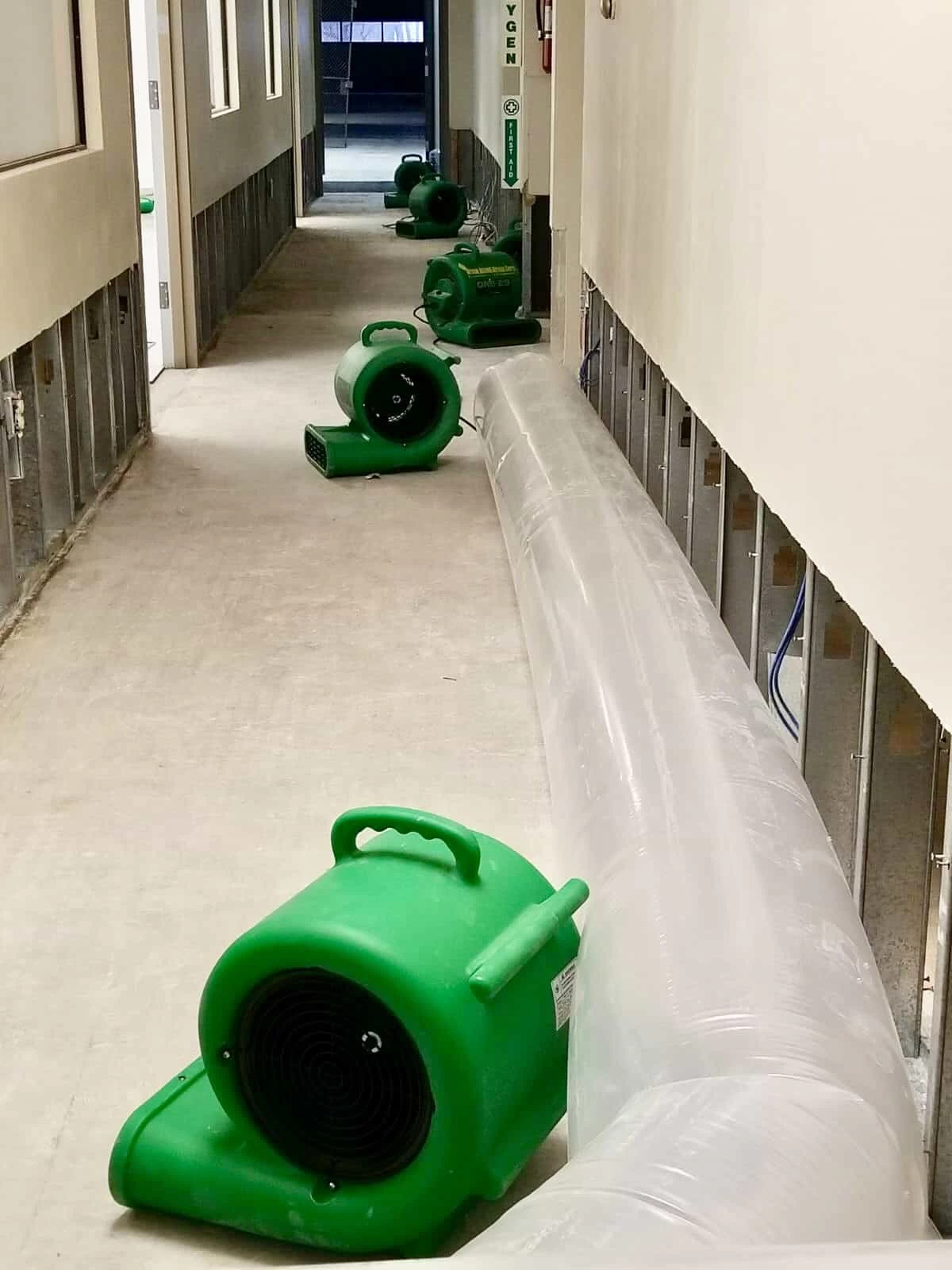
I had pipe freeze in my basement right before a snow storm and they made to within an hour to help start the clean up process. They we by our side throughout the entire process and even helped with the insurance company. They did such a great job with the cleanup, repair, remidiation, I contracted them to perform the repairs and finishes in the basement. They came with enough manpower and material to get the job done. Leo and Jessica were nothing but a pleasure to deal with!!
Cristian Arredondo c
I had some water damage in my home and Green Island was able to take care of my issue quickly and effectively. I am very pleased with the work they did. They responded quickly and were very professional.
Michael M
Outstanding service! From the office to the field crew everyone was friendly, helpful and responsive. I highly recommend Green Island Group.
What a Clean Demolition Actually Gives You in Rockville Centre
When a house demolition is done right in Rockville Centre, you’re not just clearing a lot. You’re removing a legal liability, opening the door to new construction on land that’s worth close to a million dollars, and doing it in a way that holds up to scrutiny — from the Village Building Department, from a title search, from a future buyer.
That matters here more than most places. Rockville Centre has its own Building Department, separate from Nassau County and the Town of Hempstead. The Village requires a demolition permit issued by its own Superintendent of Buildings, and applications go through an inspector review before they can even be formally submitted. A contractor who doesn’t know that will stall your timeline before the first shovel hits the ground.
The housing stock here is also overwhelmingly pre-1940. That means asbestos is not a maybe — it’s a near-certainty. Pipe insulation, floor tiles, ceiling materials, plaster — these homes were built when asbestos was standard. New York State law requires certified inspection and licensed abatement before any demolition disturbing those materials can legally proceed. When your demolition contractor also handles abatement, that’s not a convenience — it’s the only way to keep the project moving without a stop-work order.
Licensed Demolition Contractors in Rockville Centre
340 Projects In. Still Doing It the Right Way.
We’ve been operating in the New York metro area for over 12 years, with more than 340 completed demolition projects across Long Island and the five boroughs. Our work covers the full range — residential teardowns, partial interior demolitions, emergency structural work, and everything in between.
We’re EPA-certified, OSHA-certified, NYS Department of Health-licensed for asbestos, NYC DOB-licensed, and recognized as both a NYS and NYC M/WBE contractor. That stack of certifications exists because the work requires it — especially in a community like Rockville Centre, where homes near Molloy University, along the blocks north of Sunrise Highway, and throughout the village’s historic residential neighborhoods carry real environmental complexity.
When you call us, you’re getting a team that knows Rockville Centre’s regulatory environment because we’ve been navigating it — and evolving with it — for over a decade. That’s not something a newer contractor can replicate on paper.
No Surprises — Here's Exactly How Your Rockville Centre Project Runs
It starts with a site assessment. Before anything else, our team evaluates the structure, identifies the scope of work, and determines what hazardous materials testing is needed. In Rockville Centre, where the average home on the market is over 70 years old, asbestos testing is almost always part of this first step — not an afterthought.
If asbestos or lead is confirmed, abatement happens before demolition begins. This is required by New York State Industrial Code Rule 56, and it’s non-negotiable. We handle both under one contract, so you’re not waiting on a separate abatement crew to clear the site before our demolition team can start. Once the site is cleared, the permit application goes to the Village of Rockville Centre Building Department — including the pre-submission inspector review that the Village requires before an application can be formally filed.
Demolition follows the permitted plan. Utilities are confirmed disconnected — PSEG Long Island for electric, National Grid for gas, and the village’s own water and sewer departments. Structural work proceeds, debris is removed and disposed of properly, and the project closes out with documentation that satisfies the Village Building Department. What you’re left with is a clean, permit-closed lot — not an open liability.
Building Demolition Services for Rockville Centre, NY
One Contract Covers What Rockville Centre Requires
House demolition in Rockville Centre isn’t a single trade job. It’s a sequenced process that touches environmental compliance, village permitting, utility coordination, structural demolition, and debris disposal — and in this village, all of it has to line up correctly or the project stalls.
Our residential demolition service covers the full sequence. Asbestos and lead paint testing, licensed abatement if materials are found, Village of Rockville Centre demolition permit application and management, full structural demolition, and complete site clearance. If your project involves a partial teardown — gutting an interior, removing an addition, or taking down a specific structure on the property — that’s handled under the same process, scaled to the actual scope.
For homeowners dealing with emergency situations — a pipe burst in a pre-war home on a February night, storm damage to an older structure, a fire — we operate 24/7 and have documented response times within one hour of a call. We also have real experience helping homeowners navigate insurance claims, which matters when you’re dealing with a property worth close to $1 million and an adjuster who isn’t necessarily working in your favor. Whether your project is planned or urgent, the process is the same: thorough, compliant, and closed out cleanly.
Do I need a permit to demolish a house in Rockville Centre, NY?
Yes — and the process in Rockville Centre is more specific than most homeowners expect. The Village of Rockville Centre operates its own Building Department, separate from Nassau County and the Town of Hempstead. A demolition permit must be obtained from the Village’s Superintendent of Buildings before any work begins, and the application process includes a pre-submission inspector review — meaning a Building Department inspector needs to evaluate your application before it can even be formally filed.
Depending on the scope of your project, the Building Department may also determine that your application needs to go before the Planning Board or Zoning Board, which adds time to the approval process. This is especially relevant for teardown-and-rebuild projects or anything involving a non-conforming lot. Working with a contractor who knows this process — and has pulled permits from the Village of Rockville Centre before — prevents the kind of delays that push your project back by weeks or months before demolition even starts.
Does my old Rockville Centre house have asbestos, and does that affect demolition?
If your home was built before 1980 — and in Rockville Centre, the majority of homes were built before 1940 — there’s a very high probability that asbestos-containing materials are present somewhere in the structure. Pre-war homes throughout Rockville Centre commonly contain asbestos in pipe insulation, floor tiles, ceiling tiles, original plaster, roofing materials, and exterior siding. It’s not a rare edge case. It’s the baseline expectation for this housing stock.
Under New York State Industrial Code Rule 56, any demolition or renovation project that disturbs suspected asbestos-containing materials requires a certified inspection, proper notification, and licensed abatement before structural work can legally proceed. That’s a hard regulatory stop — not a suggestion. Hiring a demolition contractor who doesn’t also hold asbestos abatement licensing means your project will pause the moment asbestos is confirmed, while you wait for a separate abatement contractor to mobilize. We handle both under one contract, which keeps your project on schedule and keeps you in compliance from day one.
How much does it cost to demolish a house in Rockville Centre, NY?
Full residential demolition in the New York metro area typically runs higher than national averages — the Long Island market adds regulatory complexity, disposal costs, and labor rates that push projects above what you’d see quoted in other parts of the country. For a standard single-family home in Nassau County, a full demolition including debris removal generally falls in the range of $10,000 to $25,000 or more, depending on the size of the structure, site access, and what hazardous materials are present.
The variable that surprises most Rockville Centre homeowners isn’t the base demolition cost — it’s the asbestos abatement. If testing confirms asbestos in multiple building systems, abatement costs can add several thousand dollars to the total. Permit fees from the Village of Rockville Centre Building Department, utility disconnection coordination, and debris disposal are additional line items. The best way to get an accurate number for your specific property is a site assessment — that’s the only way to account for what’s actually in the structure and what the Village will require before issuing a permit.
What happens to the debris after a house demolition in Rockville Centre?
All debris from a residential demolition has to be properly removed and disposed of — and in New York, that means following state and local regulations around construction and demolition waste. Standard materials like wood framing, concrete, and drywall go to licensed C&D disposal facilities. Anything that was identified and abated as hazardous material — asbestos, lead paint — is handled separately under its own disposal chain, with documentation that proves it was removed and disposed of in compliance with state law.
For homeowners in Rockville Centre, this matters because the Village Building Department will want confirmation that the site has been properly cleared before issuing a certificate of completion. An open debris situation — or worse, improperly disposed hazardous material that surfaces later — creates liability that follows the property through any future title search or sale. We handle debris removal and disposal as part of the full demolition scope, and your project doesn’t close out until the site is clean and the paperwork reflects it.
Is it cheaper to demolish and rebuild or renovate an older home in Rockville Centre?
It depends on the condition of the structure, but for a lot of pre-war homes in Rockville Centre, the math tilts toward demolition and rebuild more often than homeowners expect. When a home has outdated electrical, galvanized plumbing, knob-and-tube wiring, a failing foundation, and asbestos in multiple building systems, the cost to bring it up to current code through renovation can exceed what it would cost to start fresh — especially when you factor in the disruption, the timeline, and the risk of discovering additional problems once walls open up.
Rockville Centre’s land values make this calculation even more relevant. With median home values approaching $954,000, the land itself is extremely valuable. Building a code-compliant, modern structure on a lot in Rockville Centre typically produces a finished asset worth significantly more than a heavily renovated pre-war home. If you’re weighing the options, a site assessment that gives you a realistic demolition cost is a useful starting point — it puts a real number on one side of the equation so you can compare it honestly against renovation bids.
Can Green Island Group help if my Rockville Centre home was damaged by a storm or fire?
Yes — emergency response is a real part of what we do, not a footnote. We operate 24 hours a day, seven days a week, and have documented response times within one hour of a call, including during active winter storms. For a homeowner in Rockville Centre dealing with structural damage to a pre-war home — whether from a nor’easter, a burst pipe in February, or a fire — that response time makes a genuine difference in how much secondary damage occurs while you’re waiting for help.
Beyond the physical work, we have direct experience helping homeowners navigate the insurance claim process after emergency events. For a property in Rockville Centre insured at or near its full market value, the claim process is complex, and the documentation requirements are real. Having a contractor who understands how to work with adjusters, document damage properly, and advocate for the scope of work your property actually needs is a practical advantage — not a soft benefit. If your home has been damaged and you’re not sure what the next step is, a call to us is a reasonable first move.