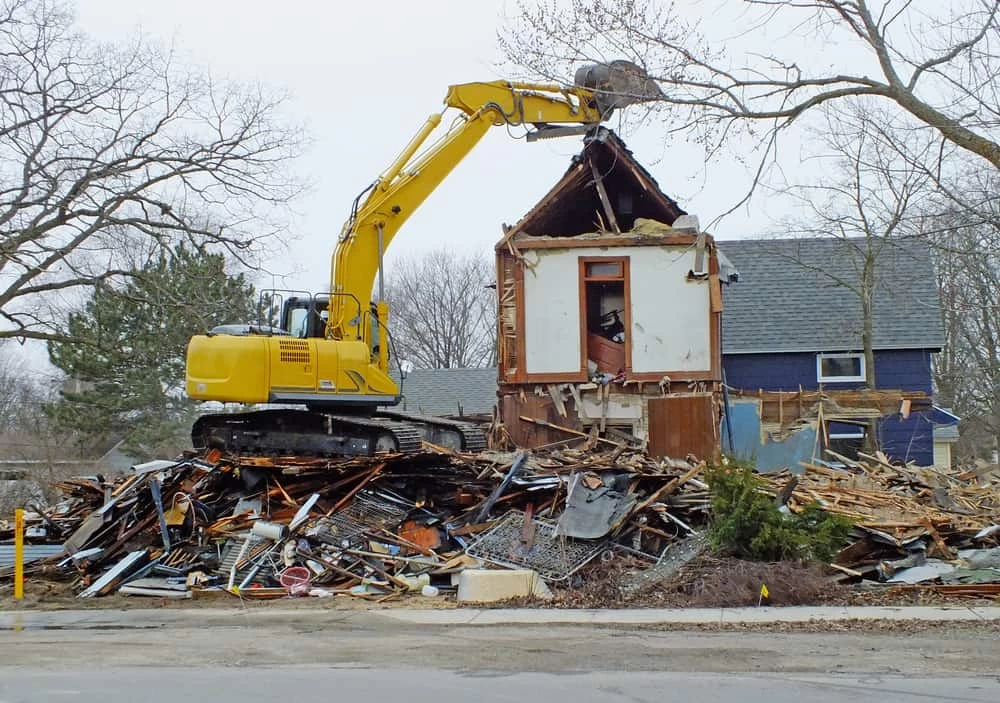
Saint Albans Homes Are Old. Tearing One Down Takes More Than a Wrecking Crew.
Most of the homes in Saint Albans were built before 1960. That means asbestos, lead paint, and a permit process that can stop your project cold if you hire the wrong contractor. We handle house demolition in Saint Albans from the hazmat survey to the final site clearance one team, no handoffs.
I needed a professional consultation explanation of procedure for safe removal of Asbestos in my apartment complex. Without having an account yet, I was very impressed with the caring, knowledgeable and generous advice offered by Jessica, and will look forward to doing business in the future. Thank you so much! I feel much more informed about a sometimes scary endeavor. Peace. Nancy Silva Mineola, NY.
Mia Munoz
Used this company to clean up some water flood in my house. They were fast and easy to work with.very professional, Would recommend to anyone!
Nini Valle
Great company, had a flood and they responded quickly and efficiently. Billed my insurance company directly. I highly recommend this company!
joe colapietro, jr
I had pipe freeze in my basement right before a snow storm and they made to within an hour to help start the clean up process. They we by our side throughout the entire process and even helped with the insurance company. They did such a great job with the cleanup, repair, remidiation, I contracted them to perform the repairs and finishes in the basement. They came with enough manpower and material to get the job done. Leo and Jessica were nothing but a pleasure to deal with!!
Cristian Arredondo c
I had some water damage in my home and Green Island was able to take care of my issue quickly and effectively. I am very pleased with the work they did. They responded quickly and were very professional.
Michael M
Outstanding service! From the office to the field crew everyone was friendly, helpful and responsive. I highly recommend Green Island Group.
A Clean Lot, No Surprises, and a Project That Actually Moves Forward
The biggest frustration homeowners run into with demolition isn’t the teardown itself it’s everything that stalls before it. Permits held up at the NYC Department of Buildings. An asbestos survey that wasn’t done before work started. A stop-work order that shuts the job down and costs more to resolve than it would have to do it right the first time. When you hire a contractor who handles all of it, those problems don’t happen.
Saint Albans is one of the few neighborhoods in Queens where nearly every demolition project triggers mandatory hazardous material requirements. The housing stock here most of it built between the 1910s and the 1960s almost always contains asbestos-containing materials and lead-based paint. New York State law requires a certified asbestos survey before any demolition begins, no exceptions. If your contractor skips that step, you’re the one holding the liability.
This neighborhood also has a documented flooding history. The city selected Saint Albans for its Cloudburst Resiliency Program and spent $24 million on new sewer infrastructure here specifically because of chronic stormwater problems. If a flood event is part of why you’re looking at demolition, you need a contractor who understands insurance claims and can move quickly not one who calls you back three days later.
12 Years Handling the Exact Demolition Problems Saint Albans Homeowners Face
We’ve been doing demolition and environmental remediation work across New York City and Long Island for over 12 years. That includes neighborhoods throughout Queens with the exact same housing stock, permit requirements, and regulatory layers you’re dealing with here in Saint Albans. Over 5,000 completed projects. Licensed, insured, and certified in asbestos abatement through the New York State Department of Labor in-house, not farmed out.
What that means for you is simple: you don’t have to coordinate a separate hazmat company before the demolition crew can show up. You don’t have to chase two timelines or two sets of paperwork. We handle the survey, the abatement if it’s needed, the NYC DOB permits, and the physical teardown all the way through final site clearance.
If your property is near the Addisleigh Park Historic District, that adds a Landmarks Preservation Commission layer that most contractors aren’t equipped to navigate. We are. That’s the difference between a project that moves and one that sits.
What Actually Happens From Your First Call to a Cleared Site
It starts with a site visit. Before anything else, our team walks the property, assesses the structure, and identifies what’s needed asbestos survey, utility disconnections, permit filings, neighbor notifications. In Saint Albans, that pre-demolition checklist is almost always longer than people expect, and knowing what’s on it upfront is what keeps the project from stalling later.
From there, any required hazardous material work happens first. New York State is clear on this: no demolition begins until a certified asbestos survey is completed and any identified materials are properly abated. Once that’s done and documented, the NYC Department of Buildings permit is filed. For properties near Addisleigh Park, that may also mean a Landmarks Preservation Commission review before DOB issues the permit something we account for from the start, not as a surprise midway through.
When permits are in hand and utilities are confirmed disconnected through Con Edison, National Grid, and NYC DEP, the physical demolition takes place. In the dense residential blocks that make up most of Saint Albans attached and semi-detached homes on tight lots that work requires containment, careful equipment operation, and attention to what’s immediately next door. After the structure is down, debris is removed and the site is cleared and ready for whatever comes next.
Everything the Job Requires Not Just the Part That's Easy to Quote
A lot of demolition quotes look affordable until you realize they don’t include the asbestos survey, the permit fees, the utility coordination, or the debris hauling. By then you’re already committed. What we quote covers the full scope: pre-demolition hazmat assessment, NYS DOL-compliant abatement if materials are found, NYC DOB permit filing, utility disconnection coordination, the physical demolition, debris removal, and final site clearance. No line items that appear after you’ve signed.
For Saint Albans specifically, that full-scope approach matters more than it does in newer neighborhoods. The homes along Linden Boulevard, Sullivan Road, and throughout the blocks surrounding Farmers Boulevard were built in an era when asbestos was standard in insulation, floor tiles, roofing materials, and ductwork. Lead paint is essentially a given in any pre-1978 structure. These aren’t edge cases here they’re the norm, and our process is built around that reality.
If your project is insurance-driven flooding damage, a sewer backup, or storm-related structural compromise we work directly with insurance carriers. Our team understands what adjusters need, how to document the damage properly, and how to move the claim forward so you’re not left managing that process on top of everything else. We’re available 24 hours a day, seven days a week, including emergencies.
Do I need a permit to demolish a house in Saint Albans, NY?
Yes, and it’s not optional. Any full demolition in New York City requires a DM permit filed through the NYC Department of Buildings’ online system, DOB NOW. The application requires a pre-demolition inspection, a site safety plan, and confirmation that utilities have been disconnected. You also need to notify adjacent neighbors before the submission process can begin that’s a required step, not a courtesy.
In Saint Albans, there’s an additional layer to be aware of. If your property is located near or within the Addisleigh Park Historic District the LPC-designated area covering more than 420 homes built primarily between the 1910s and 1930s you may need Landmarks Preservation Commission approval before the DOB will issue your permit. Most contractors don’t flag this until it becomes a problem. Getting caught without the right permits in NYC means an immediate stop-work order and fines starting at $2,500 for a first offense, so it’s worth making sure your contractor knows the Queens Borough DOB process specifically, not just demolition in general.
Is an asbestos survey required before demolishing a house in Queens, NY?
It’s legally required under New York State DOL Industrial Code Rule 56. Before any demolition or renovation that disturbs building materials, a certified asbestos survey must be completed. There are no exceptions based on the size of the job or the age of the homeowner’s knowledge about what’s in the walls. If a contractor tells you the survey isn’t necessary, that’s a serious red flag.
In Saint Albans, this requirement is relevant on nearly every project. The neighborhood’s housing stock was built predominantly between the 1910s and the 1960s well within the window when asbestos was routinely used in insulation, floor tiles, ceiling materials, roofing, and pipe wrap. If the survey finds asbestos-containing materials, abatement has to happen before demolition begins. Working with a contractor who is certified to perform both the abatement and the demolition means you don’t have to schedule two separate companies or wait for one to finish before the other can start.
How much does house demolition typically cost in Saint Albans, NY?
The honest answer is that it depends on factors specific to your property the size of the structure, what hazardous materials are found during the survey, the permit fees, utility disconnection requirements, and how much debris needs to be hauled. For a typical single-family home in Saint Albans, you’re generally looking at a range that accounts for all of those components when the quote is done properly.
What changes the number most in this neighborhood is the hazmat piece. Because the vast majority of homes here predate 1978, asbestos abatement is a common addition to the base demolition cost. That work has to be done by a licensed abatement contractor under NYS DOL requirements, and it has to be completed and documented before demolition begins. If a quote you received doesn’t mention the asbestos survey or abatement at all, it’s worth asking directly what’s included because those costs don’t disappear just because they weren’t in the estimate.
What happens to utilities before a house is demolished in New York City?
All utilities have to be disconnected and confirmed before demolition can begin this is a non-negotiable part of the NYC DOB process. That means coordinating with Con Edison for electric service, National Grid for gas, and the NYC Department of Environmental Protection for water and sewer. Each utility provider has its own disconnection process and timeline, and the DOB requires written confirmation that everything is disconnected before a demolition permit moves forward.
This step is one of the more time-consuming parts of the pre-demolition process, and it’s where projects often get delayed when a contractor isn’t familiar with the specific NYC utility coordination requirements. In Saint Albans, where older homes frequently have aging utility connections and some properties have had infrastructure issues related to the neighborhood’s sewer history, it’s worth having a contractor who has done this coordination in Queens before not one figuring it out on your job.
Can my homeowner's insurance cover house demolition after flood damage in Saint Albans?
It depends on your policy, but in many cases, yes especially if the demolition is necessary as a direct result of covered flood or storm damage. Saint Albans has a well-documented flooding history. The city invested $24 million in new sewer and stormwater infrastructure here and selected the neighborhood for its Cloudburst Resiliency Program because chronic flooding has been a real, recurring problem. When a sewer backup or heavy rainfall event causes structural damage that requires demolition, that can fall under your homeowner’s insurance coverage.
The key is documentation. Insurance carriers need detailed damage assessments, photos, and proper reporting to process a claim. Working with a contractor who understands that process and who can communicate directly with your adjuster makes a significant difference in how the claim moves. We have extensive experience billing insurance carriers directly and have helped homeowners throughout Queens navigate exactly this situation. If you’re dealing with flood damage right now, our 24/7 availability means you don’t have to wait until Monday to get the process started.
How long does the house demolition process take from start to finish in NYC?
For a standard single-family home in Saint Albans, the full timeline from initial site visit to cleared lot typically runs several weeks when everything is accounted for and that timeline is almost entirely driven by the pre-demolition steps, not the teardown itself. The physical demolition of a residential structure can often be completed in a day or two. What takes time is the asbestos survey, any required abatement, the NYC DOB permit application, utility disconnections, and neighbor notifications.
The permit process through the Queens Borough DOB office can move faster or slower depending on the complexity of the application and whether there are any additional review requirements like an LPC review for properties near Addisleigh Park. Abatement timelines depend on what the survey finds and how much material needs to be removed. The most reliable way to get an accurate timeline for your specific property is to start with a site visit, get the survey done, and build the schedule from there. Trying to compress the pre-demolition steps is where projects run into stop-work orders and costly delays.