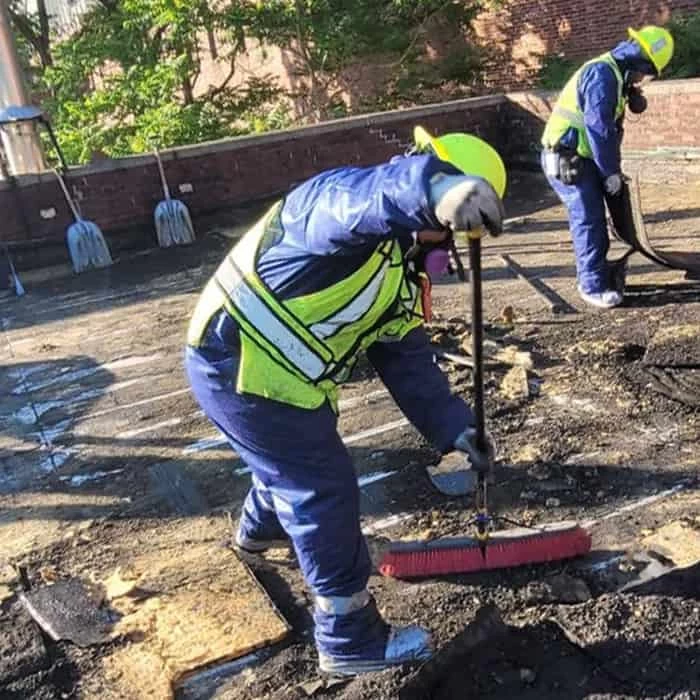
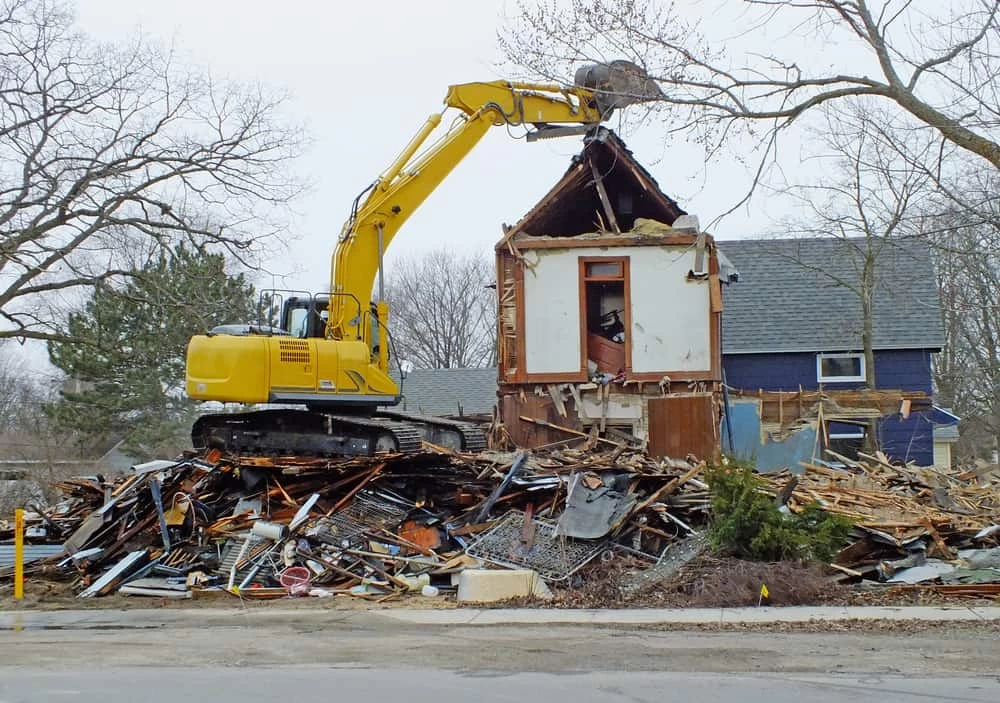
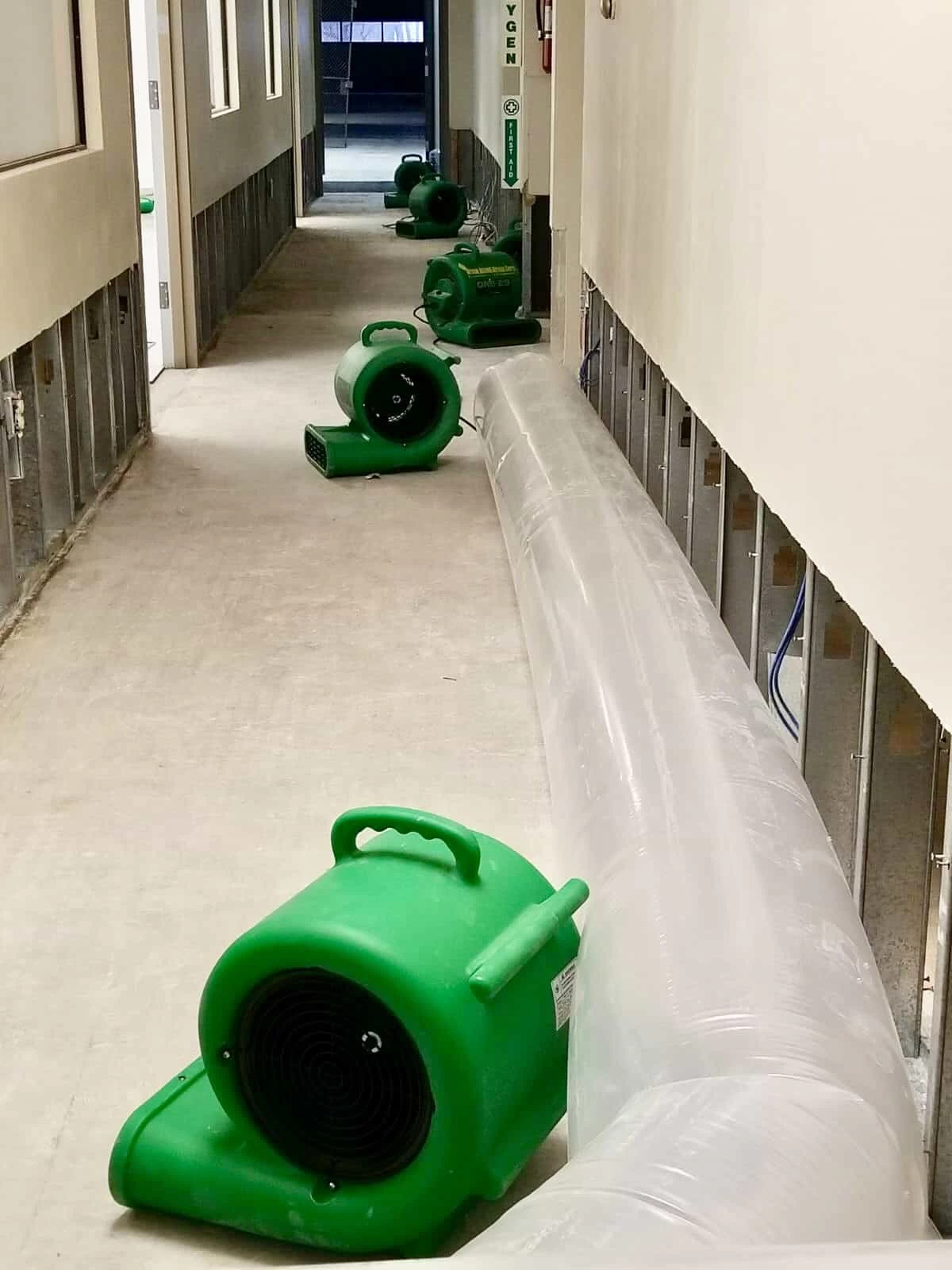
Seaside has already been through it. If your structure is past saving, we handle every step of house demolition in Seaside permits, hazmat, and full site clearance included.
I needed a professional consultation explanation of procedure for safe removal of Asbestos in my apartment complex. Without having an account yet, I was very impressed with the caring, knowledgeable and generous advice offered by Jessica, and will look forward to doing business in the future. Thank you so much! I feel much more informed about a sometimes scary endeavor. Peace. Nancy Silva Mineola, NY.
Mia Munoz
Used this company to clean up some water flood in my house. They were fast and easy to work with.very professional, Would recommend to anyone!
Nini Valle
Great company, had a flood and they responded quickly and efficiently. Billed my insurance company directly. I highly recommend this company!
joe colapietro, jr
I had pipe freeze in my basement right before a snow storm and they made to within an hour to help start the clean up process. They we by our side throughout the entire process and even helped with the insurance company. They did such a great job with the cleanup, repair, remidiation, I contracted them to perform the repairs and finishes in the basement. They came with enough manpower and material to get the job done. Leo and Jessica were nothing but a pleasure to deal with!!
Cristian Arredondo c
I had some water damage in my home and Green Island was able to take care of my issue quickly and effectively. I am very pleased with the work they did. They responded quickly and were very professional.
Michael M
Outstanding service! From the office to the field crew everyone was friendly, helpful and responsive. I highly recommend Green Island Group.
What a Clean Slate Actually Looks Like on the Rockaway Peninsula
On the Rockaway Peninsula, demolition is rarely a simple decision. For most Seaside property owners, it follows years of deferred repairs, storm damage that insurance only partially covered, or a structure that the salt air and coastal flooding finally won. When you get to the other side of it structure gone, site cleared, permits closed the weight of that situation lifts in a way that’s hard to describe until you’ve been through it.
What makes demolition in Seaside different from anywhere else in Queens is the environment itself. The Atlantic-facing exposure accelerates structural deterioration faster than any inland neighborhood. Wood rots faster. Metal corrodes faster. Building envelopes fail faster. If your home or building was constructed before the 1960s and a significant portion of Seaside’s housing stock was there’s a real chance it’s been quietly losing the fight against the elements for longer than you realize.
The other factor that’s unique to this neighborhood is access. Getting heavy equipment onto the peninsula means coordinating through the Cross Bay Veterans Memorial Bridge or the Marine Parkway Bridge. Debris hauling has to be planned around Rockaway Beach Boulevard and the Freeway. That’s not a problem if your contractor has done it before. It’s a serious complication if they haven’t.
We’ve been doing this work across New York for over 12 years. That includes the five boroughs which means the NYC DOB permit process, the DEP asbestos notification requirements, and the ACP-5 filings that are mandatory before any full demolition permit gets issued in Queens. These aren’t things we’ve figured out on the fly. They’re the baseline of how we operate.
What makes us different in a market like Seaside is that we’re not just a demolition company. We’re also a certified asbestos abatement contractor. In a neighborhood where the median construction year is 1962 and over 30% of homes predate World War II, that matters more than most property owners initially realize. You can’t get a demolition permit in New York City without a completed ACP-5 form signed by a DEP-certified investigator. We handle that in-house no third party, no scheduling gap between the survey and the work.
We’ve worked with homeowners, cooperative boards, and property managers across Queens County, including throughout Seaside. We know what it looks like when a Seaside property has been through a storm event, and we know how to move efficiently through the compliance steps so the project doesn’t stall.
The first thing that happens when you contact us is a site assessment. We look at the structure, the condition of the building materials, and the scope of what needs to come down. For properties in Seaside, this step almost always includes evaluating flood damage history and the presence of hazardous materials because in a neighborhood built largely before 1987, both are common realities, not edge cases.
From there, we handle the asbestos survey and any required abatement before anything else moves. This is not optional under NYC law the DOB requires a completed ACP-5 form before issuing a full demolition permit, and the DEP requires at least seven days’ notice before abatement begins. We manage that notification process, coordinate the utility disconnections with the relevant providers, and file the demolition permit application with the NYC DOB. Permit approval for a full demolition typically runs four to eight weeks in New York City, and we’ll give you a realistic timeline upfront.
Once permits are in hand, the physical work begins. Demolition on the Rockaway Peninsula requires planning around access points equipment and debris hauling trucks route through the Cross Bay Bridge or the Marine Parkway Bridge, and we account for that in the project schedule. When the structure is down, we handle full debris removal and site clearance. You get a clean, documented site ready for whatever comes next.
Everything the Job Requires Handled Under One Roof
Demolition in Seaside isn’t a one-size situation. Some properties need a full structural teardown a bungalow or cottage that’s been in the family for decades and has finally reached the point where repair doesn’t make sense. Others need selective interior demolition gut renovations of flood-damaged units in one of the neighborhood’s Mitchell-Lama high-rise buildings, or a mechanical system replacement in a cooperative building that’s been running on 1960s infrastructure. We handle both, and everything in between.
Every project includes the mandatory asbestos survey and ACP-5 filing, permit management with the NYC DOB, utility coordination, and full debris removal. For properties with lead paint which applies to virtually every structure in Seaside built before 1978 we follow EPA RRP Rule compliance protocols as part of the standard scope. These aren’t add-ons. They’re the legal requirements for doing this work in New York City, and skipping them exposes you to Stop Work Orders and fines that start at $2,500 and escalate fast.
If you’re working through an insurance claim which is common in a neighborhood that’s been through Sandy and subsequent storm seasons we bill insurance companies directly and help you navigate the claims process. That’s something most demolition contractors in Queens simply don’t do, and it makes a real difference when you’re already managing the stress of a damaged property.
Do I need a permit to demolish a house in Seaside, Queens?
Yes and in New York City, the permit process is more involved than most property owners expect going in. A full demolition in Seaside requires a permit application through the NYC Department of Buildings, which includes a safety plan, a dust control plan, and neighbor notification. Before the DOB will issue that permit, you need a completed ACP-5 form from a DEP-certified asbestos investigator confirming the building is free of asbestos-containing materials. That form is a mandatory prerequisite not something you can skip or work around.
Given that virtually every structure in Seaside was built before the 1987 NYC DOB threshold for mandatory asbestos assessment, the survey step applies to nearly every demolition project in this neighborhood. Permit approval typically takes four to eight weeks once the application is filed. Working with a contractor who handles the ACP-5, the permit application, and the utility disconnections in-house is the most reliable way to avoid delays that push your timeline out further than it needs to go.
What does house demolition cost in Seaside, NY?
The national average for a full residential demolition runs roughly $6,000 to $25,000, with a typical 2,000-square-foot home averaging around $15,800. In New York City, that baseline goes up. NYC permit fees alone can add $10,000 to $12,000 to the total, and if the asbestos survey identifies materials that need abatement before demolition can proceed which is common in Seaside’s pre-1960s housing stock that’s an additional cost that needs to be factored in.
The honest answer is that the total depends on the size and condition of the structure, the scope of hazmat work required, and the complexity of the access logistics for your specific property. Seaside properties often carry the added cost of bridge tolls and equipment routing through the Cross Bay or Marine Parkway corridors, which factors into the final estimate. A quote that seems significantly lower than the ranges above is worth scrutinizing it may not be accounting for the mandatory compliance costs that are unavoidable under NYC law. We provide transparent, itemized estimates so you know exactly what you’re paying for before anything starts.
Does my Seaside home have asbestos, and does that affect the demolition?
If your home was built before April 1, 1987 which covers the overwhelming majority of Seaside’s residential building stock the NYC DOB requires a certified asbestos survey before any demolition work can begin. If asbestos-containing materials are found, they have to be properly abated before demolition proceeds. There’s no way around this step in New York City, and the NYC DEP requires at least seven days’ notice before abatement activities begin.
In Seaside specifically, the combination of age and flood history makes this step especially important. Water intrusion from storm events can disturb asbestos-containing materials in ways that aren’t always visible on the surface. A certified inspector knows what to look for and where in flooring, insulation, pipe wrap, roofing materials, and joint compound so nothing gets missed before the physical demolition begins. We perform the asbestos survey and any required abatement in-house, which means you’re not coordinating between two separate companies or waiting on a third party to clear the site before we can proceed.
Can my homeowners insurance cover demolition after storm or flood damage?
It depends on your policy and the cause of the damage, but in many cases, yes demolition costs can be covered as part of a storm damage or flood damage claim. For Seaside property owners, this is a real and common situation. The neighborhood sits in a FEMA-designated flood zone, and properties that sustained damage in Hurricane Sandy or subsequent nor’easters and coastal storms may have active claims or unresolved coverage questions that tie directly into the demolition decision.
FEMA flood insurance and standard homeowners insurance handle demolition costs differently, so it’s worth reviewing both policies before assuming what’s covered. We work directly with insurance carriers and bill them directly we’ve done this enough times in post-storm situations to know how the process works and where the common friction points are. If you’re navigating a claim while trying to figure out what to do with a damaged structure, that’s exactly the kind of situation we’re set up to help with.
What's the difference between full demolition and selective demolition?
Full demolition means the entire structure comes down foundation removal is sometimes included, sometimes not, depending on what you’re planning to do with the site afterward. Selective demolition, sometimes called interior demolition, means targeted removal of specific elements: a gut renovation of a flood-damaged unit, removal of a failing wall or ceiling system, or a mechanical system replacement in an older building. The scope is defined by what you need gone, not by taking down the whole structure.
In Seaside, both types of work are common. The neighborhood’s Mitchell-Lama high-rise buildings many of which were built in the 1960s and are now 60-plus years old regularly require selective interior demolition for unit renovations and common area upgrades. The older bungalows and cottages on the interior blocks are more often candidates for full teardown when they’ve reached the end of their serviceable life. The permitting requirements and hazmat assessment process apply to both, though the scope of the permit application differs based on what work is being done.
What happens if demolition work is done without a permit in NYC?
The NYC Department of Buildings takes unpermitted demolition seriously, and the consequences are immediate. If work is being performed without the required permits, the DOB can issue a Stop Work Order on the spot shutting down the project until compliance is established. Civil fines for a first offense start at $2,500 and escalate significantly for repeat violations. If asbestos-containing materials were disturbed without proper abatement and documentation, EPA fines can reach $43,000 per violation per day.
Beyond the financial penalties, unpermitted work creates title and insurance complications that follow the property. If you ever sell, refinance, or file a future insurance claim, unpermitted demolition work in the property’s history becomes a problem that’s expensive and time-consuming to resolve. In a neighborhood like Seaside where many properties are already navigating flood zone designations, FEMA requirements, and post-storm insurance complexity adding a permit violation to the picture is the last thing you need. The right contractor pulls the permits correctly the first time. That’s not a premium service. It’s the baseline.